
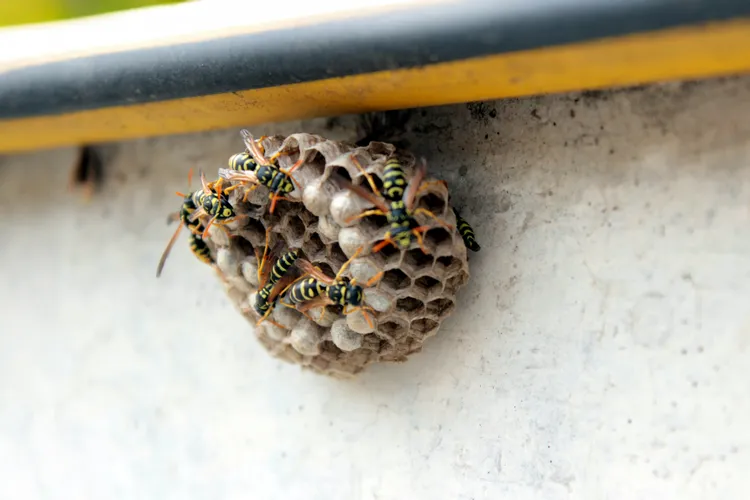
During the summer, wasps become particularly active and can build their nests virtually anywhere, including your garden. This can result in hundreds of wasps congregating around your home. Fortunately, there is a simple and effective trick to immediately keep them away. You can even turn it into a fun DIY project. Here’s how to do it.
Why Does a Fake Wasp Nest Work?
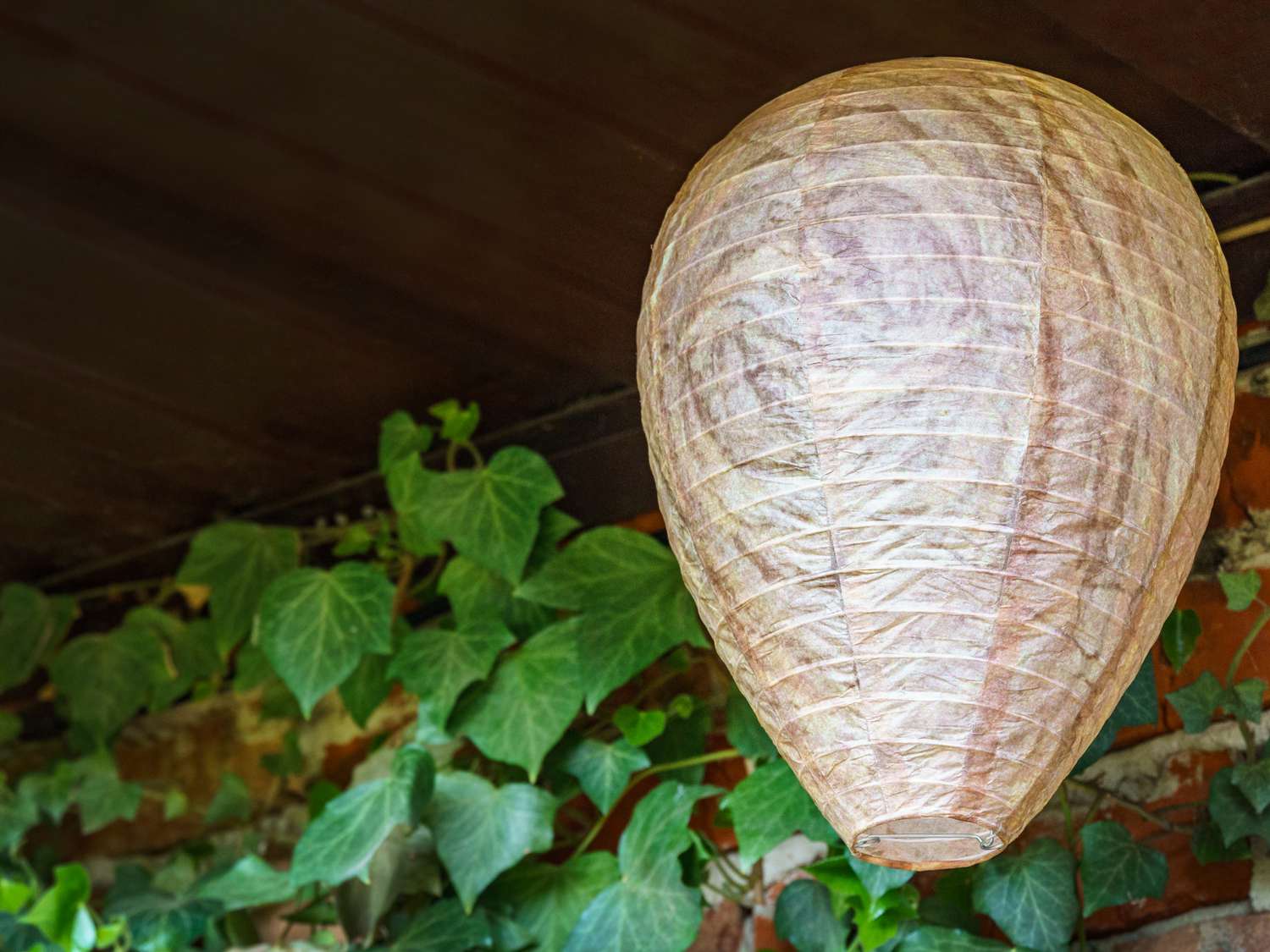
Wasps are very territorial insects and tend to avoid areas where another nest is already present. By creating a fake wasp nest, you provide a decoy that discourages them from settling in your surroundings. This technique is highly effective, and you will notice the wasps quickly keeping their distance.
Besides being very economical, this method prevents you from having to purchase expensive anti-wasp sprays. And since it is a non-contact repellent, the risk of stings is significantly reduced once the fake nest is installed.
How to Make a Fake Wasp Nest
Creating your own fake wasp nest is a straightforward and cost-effective way to keep these unwelcome insects away from your home and patio. It is also a perfect hands-on project to do with family or friends who enjoy crafting.

To make it, you will only need a pair of scissors, string, adhesive tape, and a brown kraft paper bag.
Fully unfold the paper bag to flatten it out.
Cut out a large rectangle to the desired size for your fake nest.
Once you have the ideal size, crumple the paper into a ball. This step mimics the characteristic shape and texture of a real wasp nest.
Use adhesive tape to keep your creation tightly compact and prevent it from unraveling.
Tie a string around your nest with tape, then hang it in the area where you want to keep wasps away, such as on a veranda or porch.
Five Additional Tips to Combat Wasps
Here are more practical tips to help you get rid of or repel these troublesome insects:
Regularly maintain your garden to limit the proliferation of insects that wasps hunt. Decaying fruits and vegetables attract more insects, which in turn encourages wasps to be present.
Make sure your trash bags are tightly sealed and your garbage bins have well-fitting lids, as wasps are attracted to the sugars and proteins found in waste.
A simple and inexpensive solution is to spray a mixture of soapy water on nests. While this method kills wasps, it is less effective than commercial anti-wasp sprays.
Always wear protective clothing and safety glasses when handling or destroying a wasp nest.
It is best to intervene at dusk or during the night when wasps are less active. Avoid shining a flashlight directly on the nest during your intervention.
