
Why Gardeners Save Eggshells
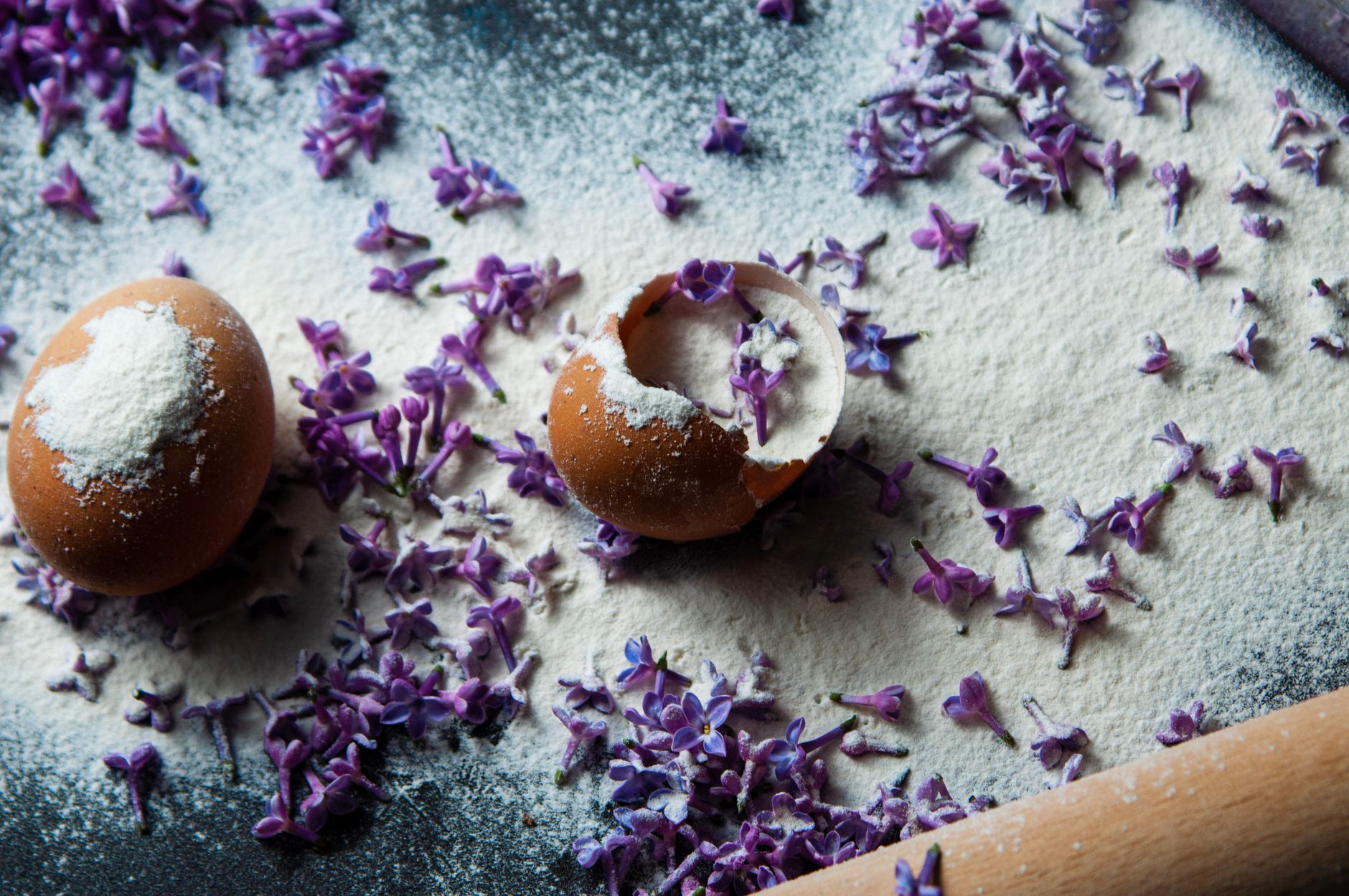
Eggshells are one of those kitchen scraps that feel too useful to throw away. They are mostly calcium carbonate, which is the same basic material found in garden lime. Because calcium is important for plant growth, many gardeners like to reuse shells instead of sending them to the trash.
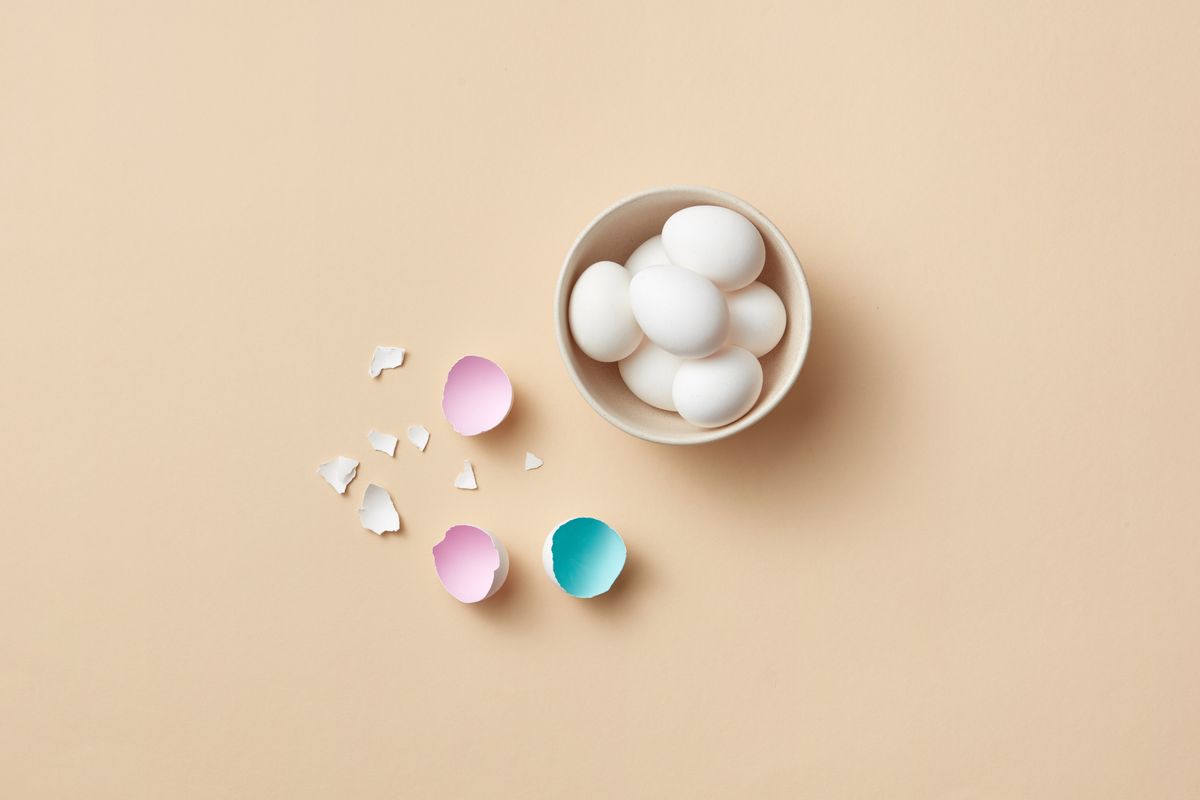
The key is to use eggshells with realistic expectations. They break down slowly, so they will not fix a calcium problem overnight. Used correctly, they can support compost, add texture to soil mixes, and make a small but helpful contribution to a low-waste garden routine.
Before you sprinkle them around your tomatoes or tuck them into seed trays, it helps to know how to prepare them. Clean, dry, finely crushed shells are easier to store, safer to handle, and more useful in the garden.
How Eggshells Help in Soil and Compost
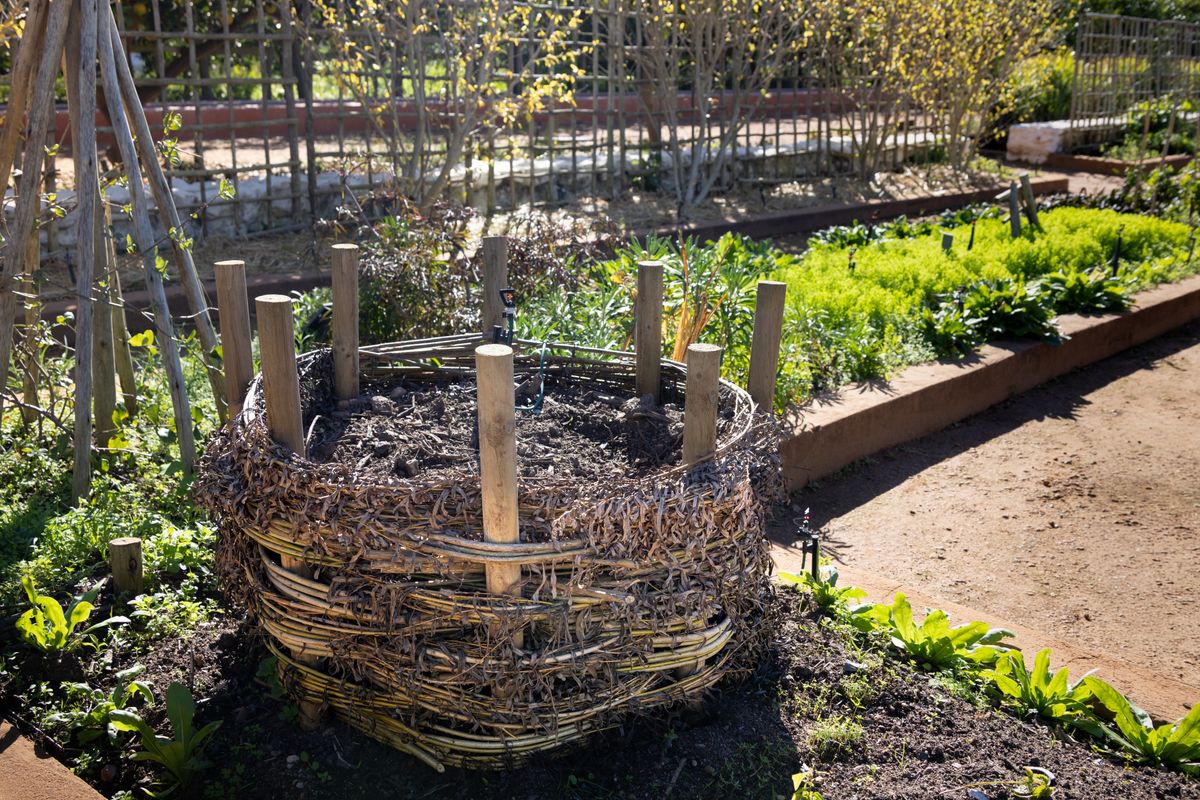
In compost, eggshells add a mineral-rich material that slowly breaks down over time. They are not a green material like vegetable scraps, and they are not a brown material like dry leaves. Think of them as a small mineral addition rather than the main ingredient.
In soil, crushed eggshells may slowly release calcium as weather, moisture, soil life, and acidity work on them. This process can take months or longer, especially if the pieces are large. A fine powder breaks down faster than chunky pieces.
Eggshells are sometimes recommended for preventing blossom end rot in tomatoes, peppers, and squash. Calcium is related to that problem, but watering stress is often a major cause. Eggshells alone are not a reliable cure, so steady watering and healthy soil matter more.
Clean, Dry, and Crush Them Step by Step
Start by rinsing the shells soon after cracking the eggs. Remove any leftover egg white or yolk, because food residue can smell and attract pests. You do not need to scrub them perfectly, but they should look clean.
Let the shells dry completely before storing them. Spread them on a plate, baking tray, or paper towel for a day or two. Some gardeners place them in a low oven for a short time after cooking something else, but air drying works well if you are not in a hurry.
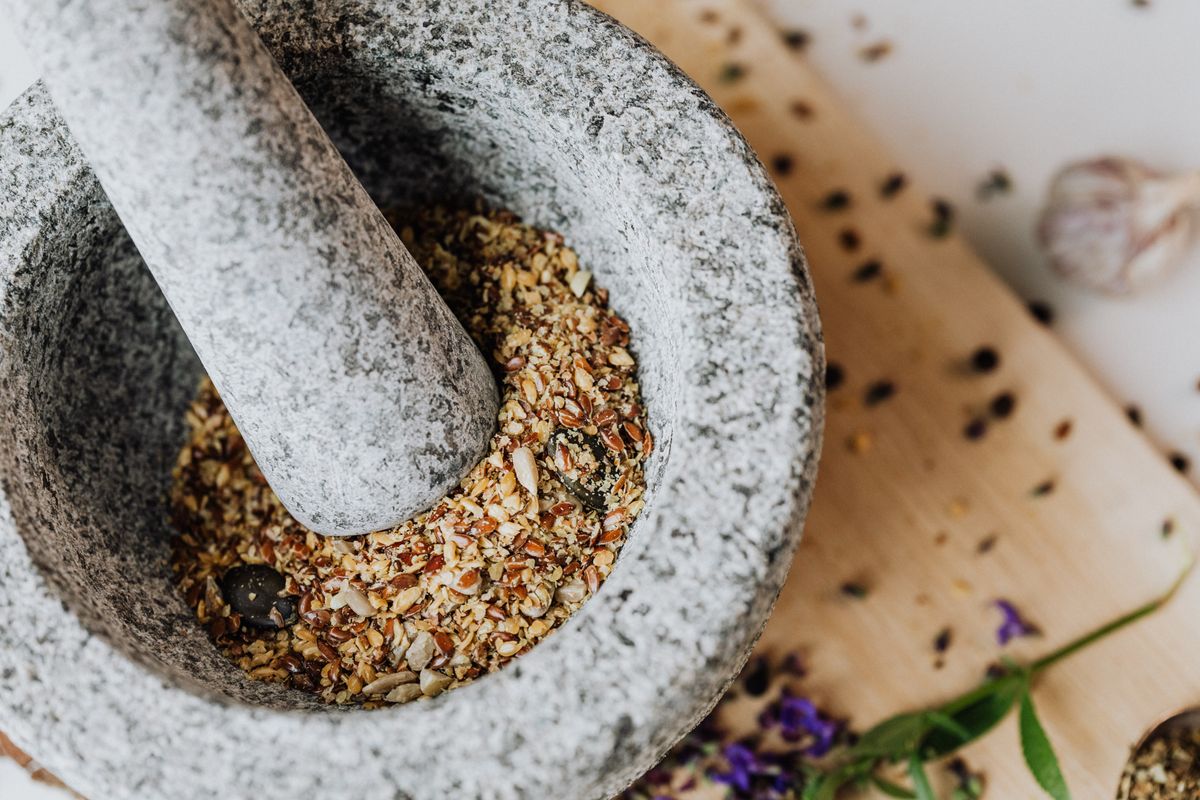
Once dry, crush the shells with your hands, a rolling pin, a mortar and pestle, or a blender. For compost, small pieces are fine. For soil mixes or seed-starting blends, a finer crush is better because it mixes more evenly and breaks down more easily.
Ways to Use Eggshells Without Overdoing It
Add crushed eggshells to compost in small amounts and mix them in well. A handful here and there is enough for a home compost pile. Avoid dumping a large container of shells in one spot, because they may clump and take longer to break down.
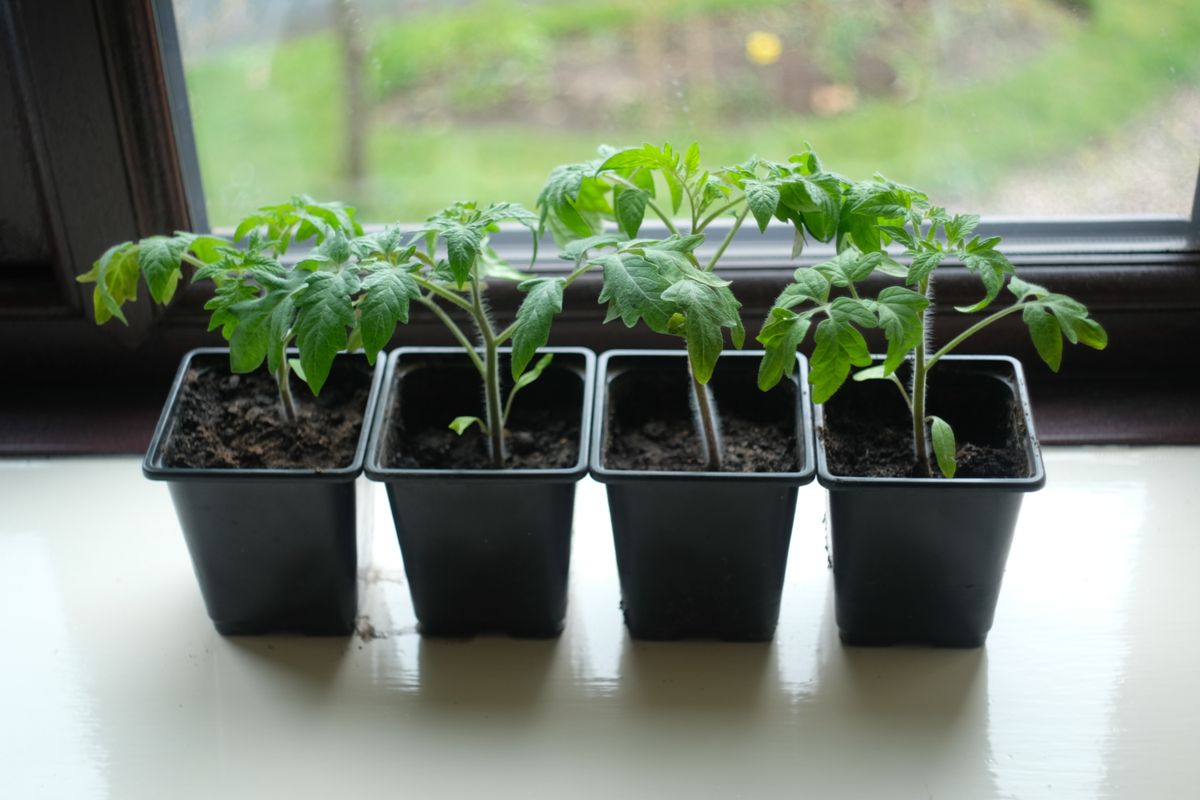
You can mix a small amount of finely crushed eggshell into homemade potting soil or raised bed soil, especially if the mix is rich in compost. Do not use eggshells as a replacement for balanced fertilizer. Plants still need nitrogen, phosphorus, potassium, and other nutrients.
Eggshell halves are sometimes used as tiny seed-starting pots. They can work for short-term sprouting, but they dry out quickly and are very small. If you try this, poke a drainage hole in the bottom and transplant seedlings before roots become crowded.
Pest Control Claims and Common Mistakes
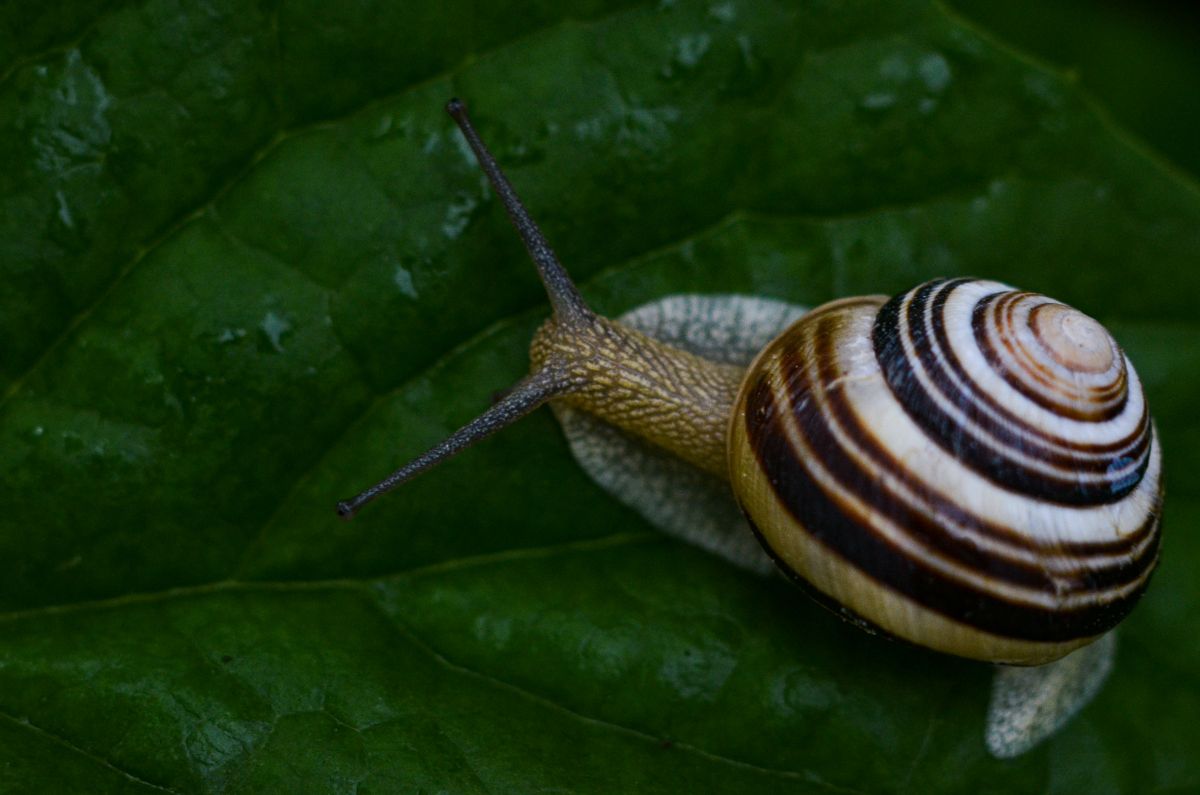
Many gardeners sprinkle crushed eggshells around plants to discourage slugs, snails, or crawling pests. The sharp edges may bother some soft-bodied pests, but results are mixed and should not be relied on as the only control method. Barriers, hand-picking, habitat cleanup, and traps may still be needed.
One common mistake is using large shell pieces and expecting fast results. Another is adding eggshells to soil that does not need more calcium. If you are dealing with repeated plant problems, a soil test is more useful than guessing.
Store dried shells in a jar, paper bag, or container until you have enough to use. Keep them dry to avoid odors. Eggshells are a simple, budget-friendly garden helper, but they work best as part of good composting, steady watering, healthy soil, and careful observation.
Frequently Asked Questions
Do eggshells add calcium to soil?
Yes, eggshells contain calcium carbonate, but they break down slowly. Finely crushed shells release nutrients faster than large pieces.
Should I wash eggshells before using them in the garden?
Yes. Rinse away egg residue, then let the shells dry fully before crushing and storing them.
Can eggshells stop blossom end rot?
Not reliably. Blossom end rot is often linked to uneven watering, so eggshells alone are not a quick fix.
Are eggshells good for compost?
Yes, in small amounts. Crush them first and mix them through the compost so they do not clump together.
Do crushed eggshells keep slugs away?
They may help a little, but results vary. Use them with other pest-control methods instead of depending on them alone.
