
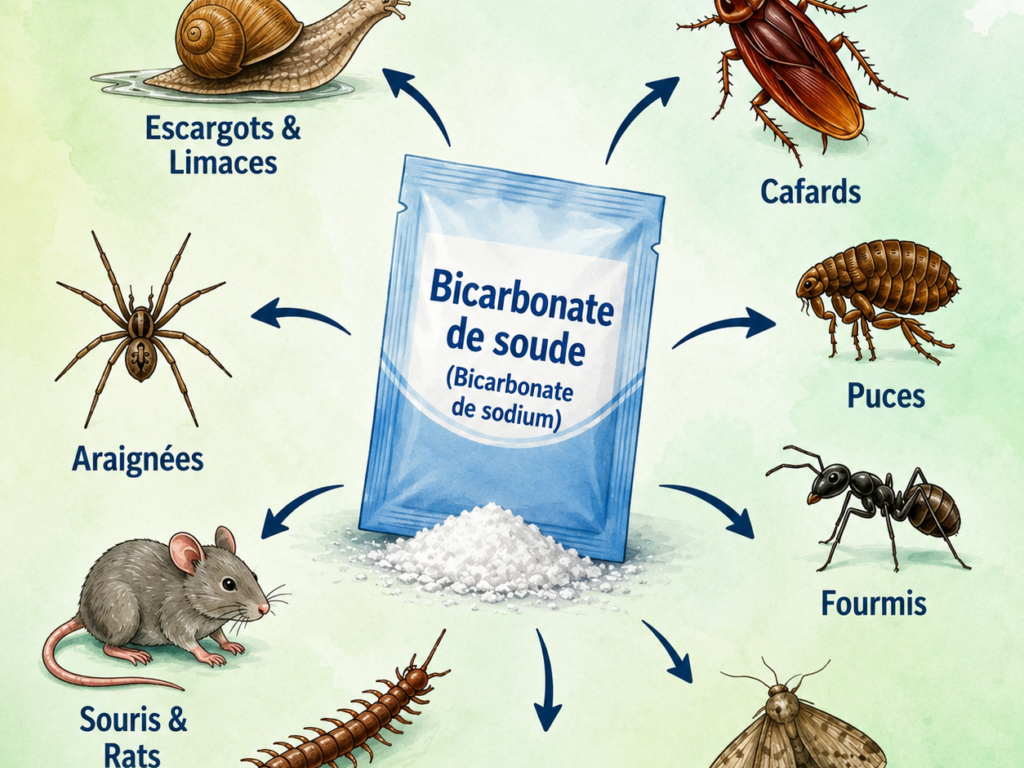
Pests, whether they invade your home or garden, can quickly become a source of stress and frustration. Faced with this challenge, many people prefer natural solutions before resorting to pesticides or other harsh chemical products. Baking soda, known for its low cost, versatility, and presence in nearly every household, is among the most popular remedies.
However, caution is advised: not all baking soda tips circulating on the internet are as effective as they are often claimed to be.
This comprehensive guide will help you explore:
️ The real effectiveness of baking soda against various pests
️ Its limitations and common mistakes to avoid
️ The most relevant natural alternative solutions depending on the situation
The objective is clear: to protect your home and garden while minimizing the use of often unnecessary chemical substances.

Why Does Baking Soda Affect Certain Pests?
Baking soda, or sodium bicarbonate, mainly acts by locally altering the pH and exerting a mild drying effect. These properties can disturb certain insects under specific conditions.
Nevertheless, several key points deserve to be emphasized:
Pests do not all respond the same way to baking soda.
For some, this substance is simply ineffective.
Used alone, its impact often remains limited.
It is therefore best to consider baking soda as a complement to other methods rather than a miracle cure.
Cockroaches: Is the Baking Soda and Sugar Duo a Reliable Weapon?
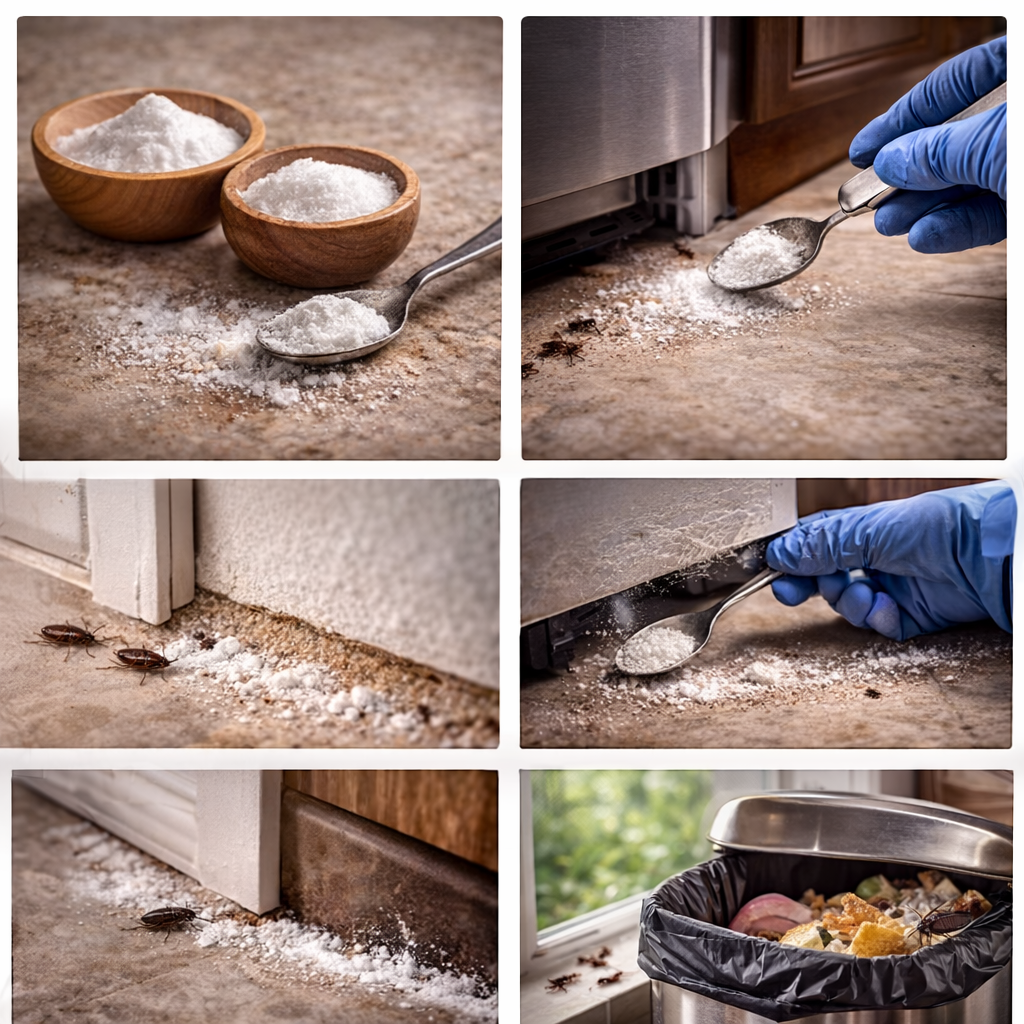
Cockroaches are among the toughest pests to eliminate. They hide in dark corners, reproduce rapidly, and exploit any source of moisture or food.
How to Prepare This Mixture?
Simply combine:
One part baking soda
One part sugar
The sugar serves to attract the cockroaches, while the baking soda is supposed to disrupt their digestive system.
Where to Apply This Mixture?
Behind the refrigerator
Behind the stove
Under the sink
Along the baseboards
In dark, hidden corners
What You Need to Know
This method may sometimes help reduce a small cockroach population, but it has significant limitations:
Not all cockroaches will be attracted to this mixture.
The effect manifests slowly, which can be discouraging.
In case of a severe infestation, this technique is largely insufficient.
What Really Makes the Difference
Cockroaches are drawn to:
Crumbs
Greasy residues
Ambient moisture
Thus, it is essential to:
️ Maintain impeccable cleanliness in the kitchen daily
️ Store food in airtight containers
️ Empty trash bins frequently
️ Repair any water leaks that could encourage their presence
A More Effective Natural Alternative: Diatomaceous Earth
Food-grade diatomaceous earth is often preferred over baking soda because it:
Acts mechanically by abrading pests
Effectively dries out insects
Remains effective even if cockroaches do not ingest it
Ants: The Key Is to Erase Their Scent Trails
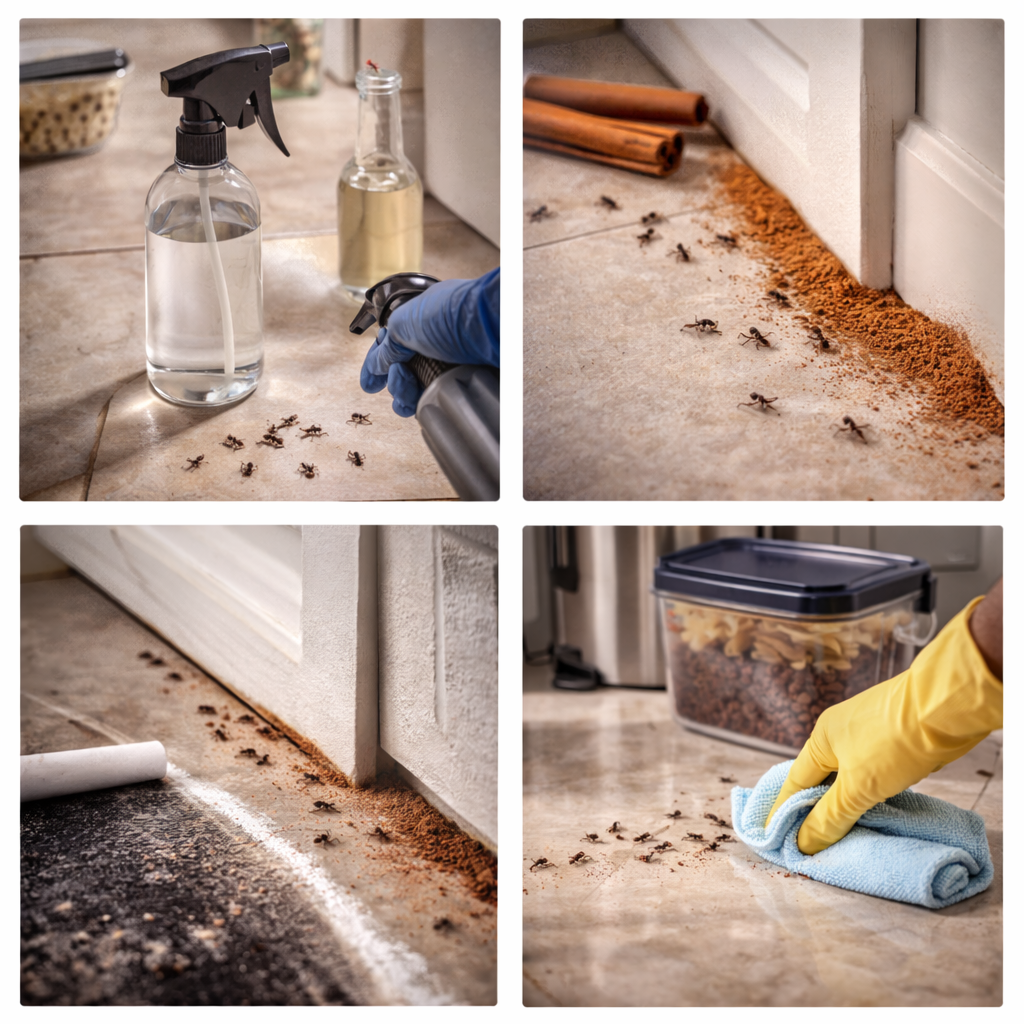
Many try to repel ants with baking soda, but the real challenge lies elsewhere.
Indeed, ants navigate using chemical trails called pheromones.
As long as these scent trails remain, they will inevitably return along their path.
A Recommended Natural Solution
Mix of White Vinegar and Water
Prepare a spray consisting of:
50% white vinegar
50% water
Spray this solution on:
Frequently traveled ant paths
Door frames
Window sills
Countertops
A Cinnamon Barrier
Cinnamon emits a scent that ants naturally avoid.
Apply it:
In cracks
Along entrances
On their usual routes
Use of Chalk
Drawing a simple chalk line can sometimes disrupt their path and encourage them to change direction.
Spiders: Why Baking Soda Is of Little Use
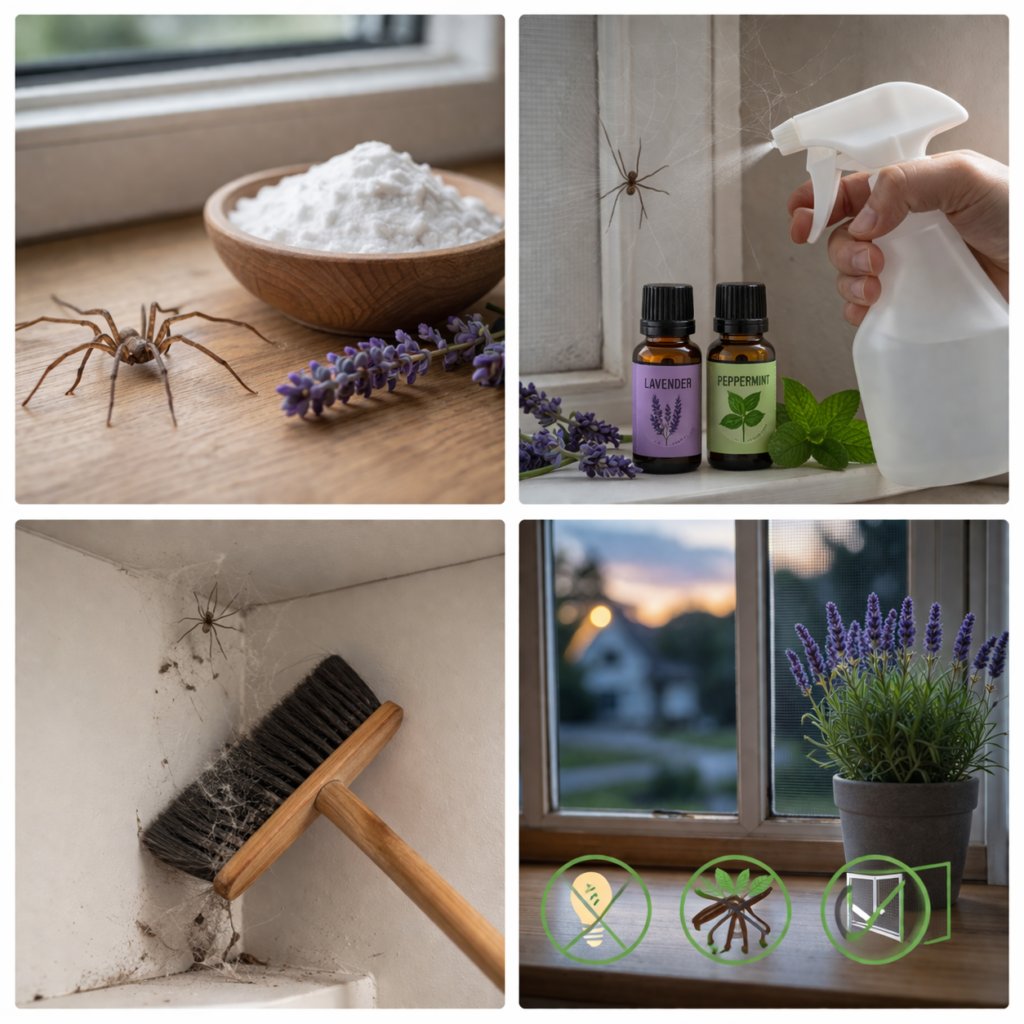
Contrary to widespread belief, baking soda has little effect on spiders.
The most effective natural methods rely more on using repellent scents.
Homemade Natural Repellent Spray
Prepare a simple mixture:
200 ml water
10 to 15 drops of lavender or peppermint essential oil
Spray this on:
Corners
Around windows
Near entrance doors
Important Advice
Repeat the application every two to three days for lasting effectiveness.
In addition:
️ Regularly remove spider webs.
️ Reduce the presence of insects attracted to light.
️ Install screens on windows.
Slugs: Caution Needed with Baking Soda
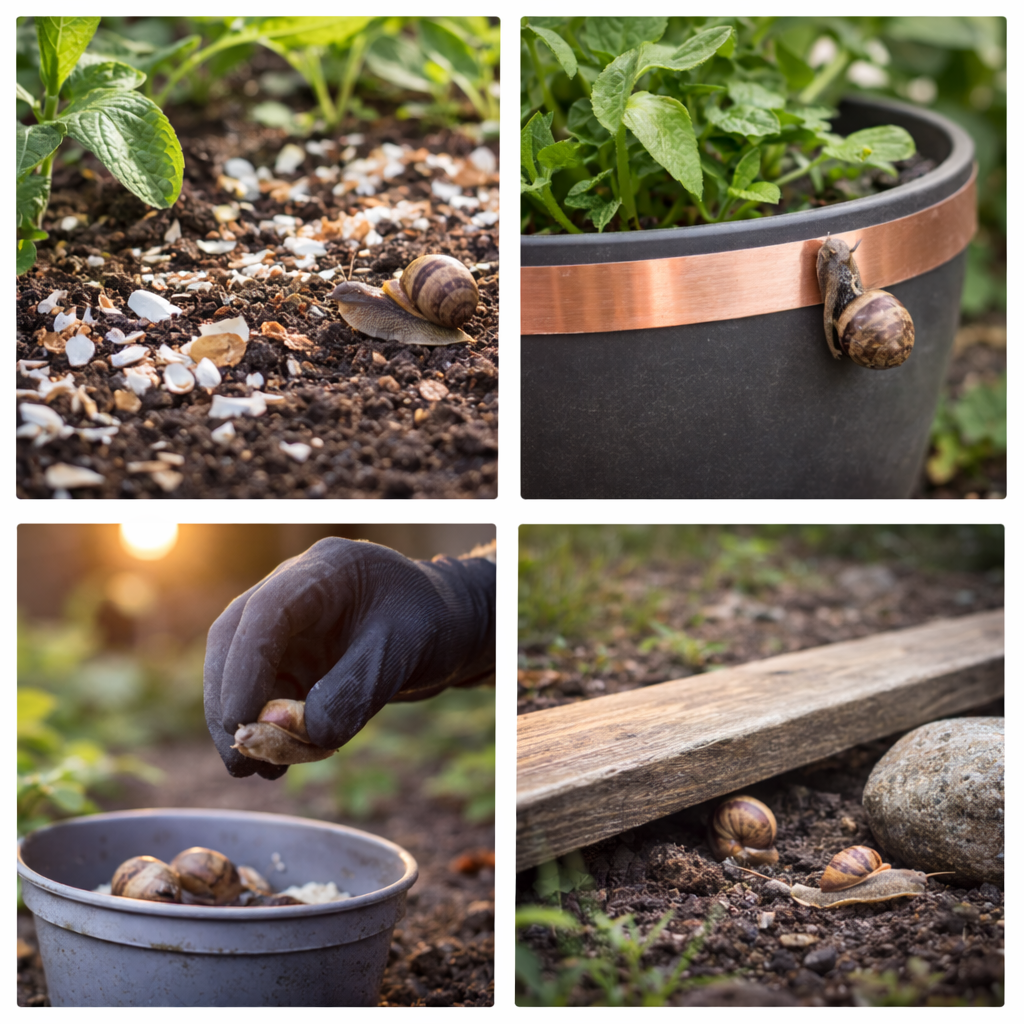
Baking soda is sometimes applied to dry out slugs, but this practice has several major drawbacks:
It can alter the natural pH of the soil.
Baking soda can harm essential soil microorganisms.
Its effectiveness is limited over time.
Better Natural Alternatives
Crushed Eggshells
Eggshell fragments create a rough barrier that is uncomfortable for slugs to cross.
Coffee Grounds
This residue can also hinder the movement of slugs around plants.
Copper Strips
This solution is particularly effective for protecting:
Flower pots
Planters
Vegetable garden beds
Manual Collection
Picking up slugs yourself after rain or early in the morning remains one of the most reliable methods.
Fleas: Is the Baking Soda and Salt Mixture Useful?
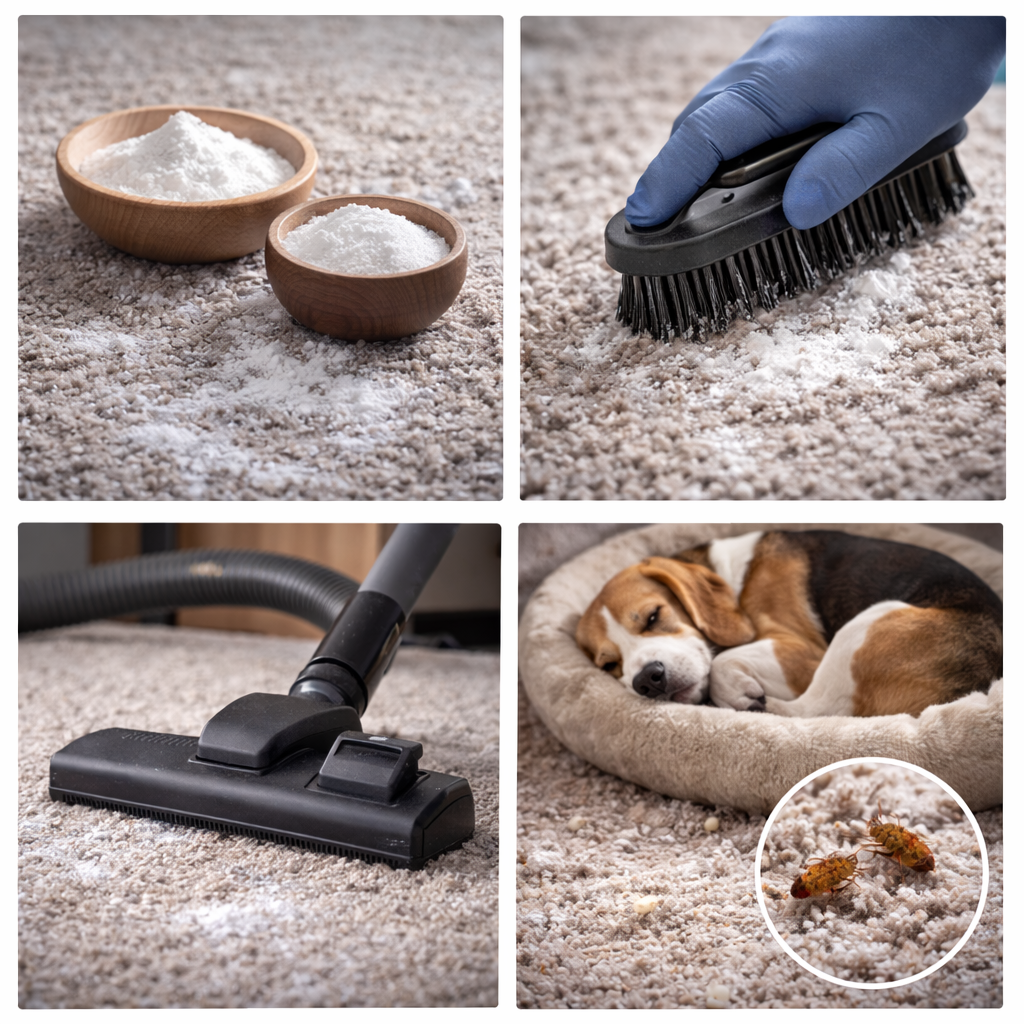
Combined with fine salt, baking soda can help reduce larvae presence in certain contexts.
How to Use
Prepare a mixture of:
One part baking soda
One part fine salt
Spread it on:
Carpets
Rugs
Pet beds
Leave it to act for several hours before thoroughly vacuuming.
Precautions
This technique never replaces:
️ Appropriate treatment of animals.
️ Frequent washing of bedding at high temperatures.
️ Rigorous cleaning of the home.
Moths: Why Baking Soda Is Not Enough

Baking soda can neutralize some odors but remains poorly effective against moths.
More Effective Natural Solutions
Lavender
Sachets filled with dried lavender flowers remain a proven and highly appreciated method for repelling moths.
Cedar Wood
This material is an excellent natural repellent to place in wardrobes and drawers.
Laundry Hygiene
Always ensure that you store:
Clean clothes
Completely dry textiles
Mice and Rats: Baking Soda, a False Good Idea
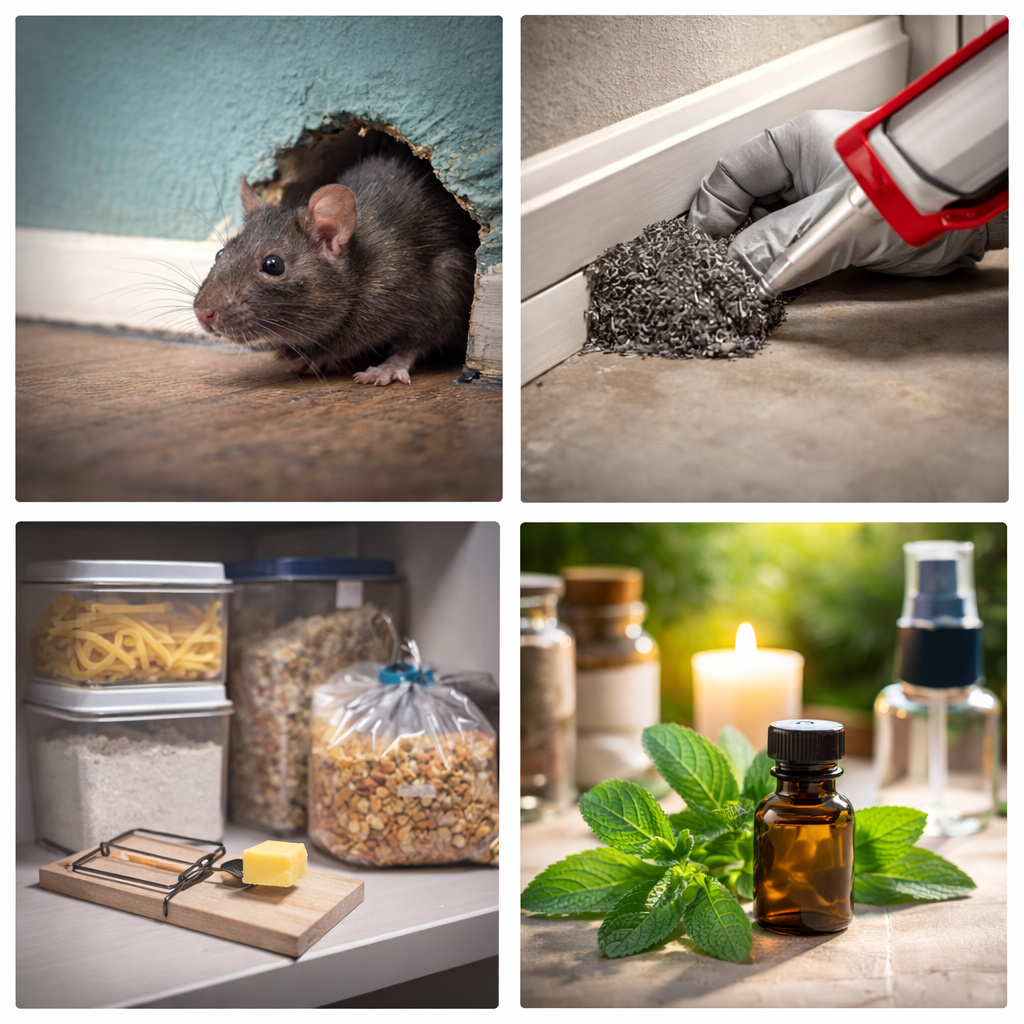
Contrary to some common misconceptions, baking soda is not a reliable solution for getting rid of rodents.
Truly Effective Methods
Block Entry Points into the House
Carefully seal:
Holes
Cracks
Openings around pipes
Remove Food Sources
Use airtight containers
Thoroughly eliminate crumbs
Strictly manage waste
Mechanical Traps
These devices often remain the most suitable when rodents have already settled in.
Centipedes: Controlling Humidity Is Key
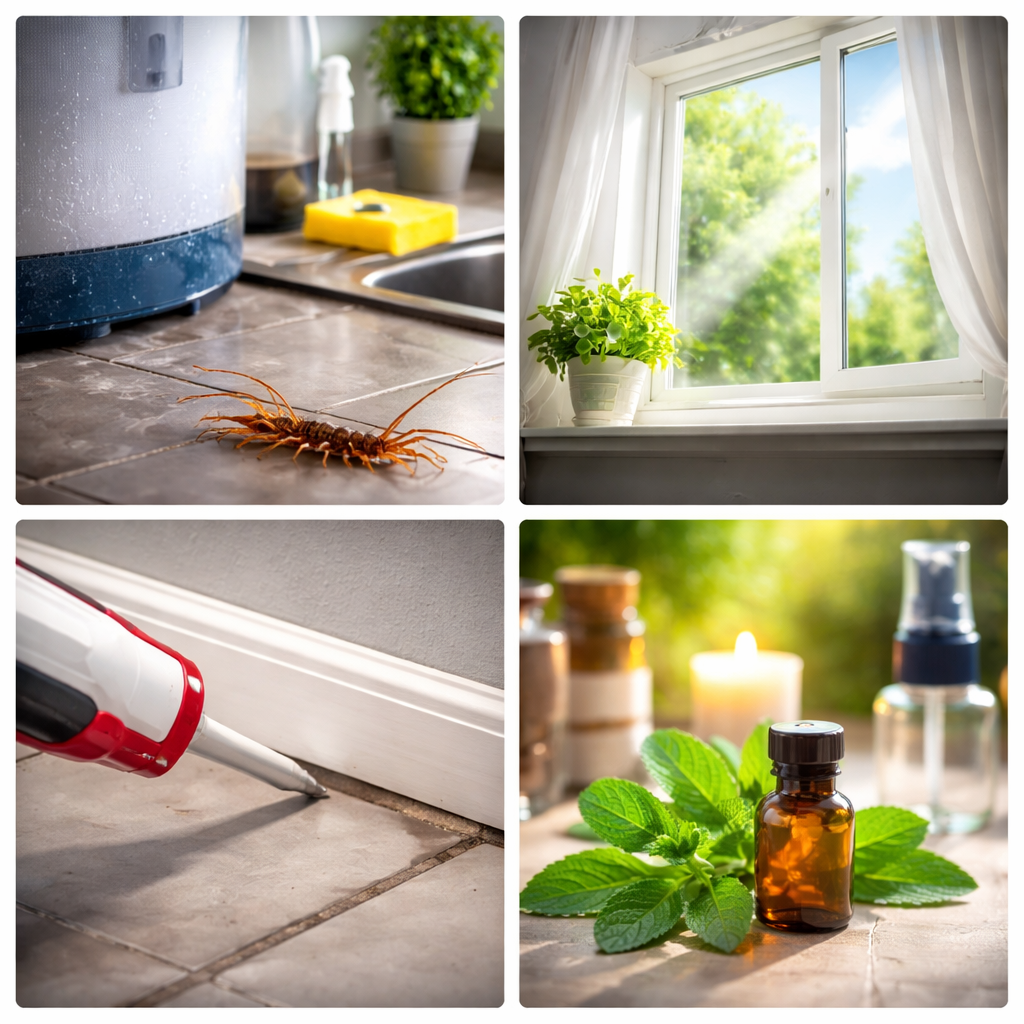
Centipedes favor:
Humid areas
Darkness
Calm, sheltered hiding places
Baking soda proves irrelevant for combating them.
Good Habits to Adopt
️ Frequently ventilate rooms
️ Repair water leaks
️ Install a dehumidifier if necessary
️ Seal cracks and potential entry points
Common Mistakes with Baking Soda
Many failures arise from frequent misunderstandings:
Overdosing baking soda
Neglecting cleanliness and hygiene
Relying solely on baking soda as the only remedy
Ignoring the importance of humidity
Omitting essential preventive measures
The Most Effective Natural Alternatives to Baking Soda
Diatomaceous Earth
This natural powder is very effective against:
Cockroaches
Ants
Fleas
Neem Oil
Ideal in the garden to fight against:
Aphids
Mites
Various harmful insects
White Vinegar
An excellent solution for:
Erasing ant trails
Cleaning ecologically
Garlic Spray
Traditionally used to repel several pests in the garden.
Conclusion
Baking soda can be a valuable ally in certain situations, but it is by no means a universal solution against pests. Often, the most convincing results are obtained through a combination of good practices:
️ Maintaining constant cleanliness
️ Reducing ambient humidity
️ Storing food properly
️ Preventing insect and rodent access
️ Using targeted natural alternatives appropriately
It is not necessarily the most powerful chemical products that guarantee success, but intelligent and consistent strategies. With method, it is entirely possible to sustainably control pests without systematically resorting to aggressive chemical treatments.
