
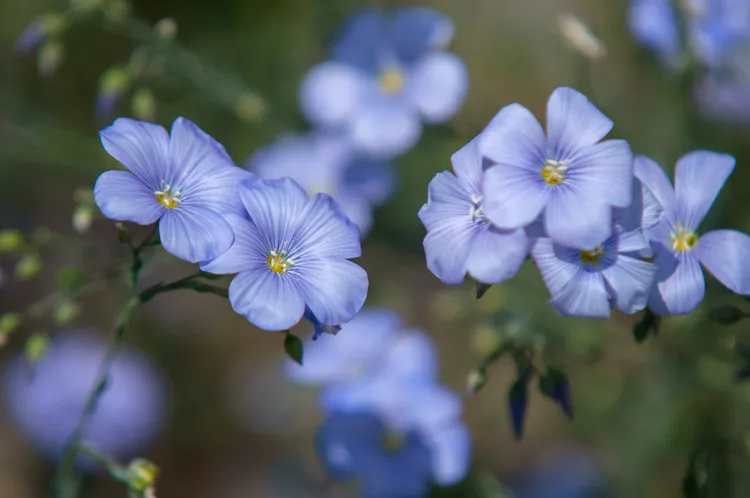
Flax (Linum usitatissimum) is a hardy plant that brings a refreshing touch to any wildflower garden, while remaining easy to grow. This upright annual plant can reach up to one meter in height and features numerous flat, gray-green leaves. Flax requires full sun exposure and slightly acidic soil. Discover how to sow its seeds and care for the plant throughout the season to enjoy the harvest from early summer through autumn.
Common names: Flax, cultivated flax, common flax, flaxseed
Botanical name: Linum usitatissimum
Family: Linaceae
Plant type: Annual herbaceous plant
Adult size: 30 to 90 cm tall, 23 to 45 cm wide
Sun exposure: Full sun
Soil type: Sandy, loamy, well-drained
Soil pH: Acidic to neutral
Flowering period: Spring, summer
Flower color: Blue, white, pink
Hardiness zones (USDA): 2 to 11
Origin: Asia, Mediterranean basin
Flax Care
Here are the essential tips for growing and maintaining flax in your garden:
Flax requires full sun exposure.
It prefers slightly acidic soil.
The soil should stay moist but not waterlogged.
Flax thrives best in a sunny spot without any shade, as it does not tolerate shaded areas.
Soil
This plant ideally adapts to fertile, well-drained soil that is slightly acidic to neutral, preferably sandy or loamy. For poorer soil, enrich it generously with compost or manure to provide your plants with optimal growing conditions.
The plants prefer to grow closely together. Sow about one tablespoon of seeds per 10 square feet (roughly 1 m²), which yields about 40 plants per square meter. Since the seeds are very small, it is recommended to mix them with a little flour to distribute them evenly when sowing.
Watering
After lightly raking the surface to cover the seeds with about 1.3 cm of soil, gently press down to ensure good contact with the ground. Spritz water evenly to moisten without drowning the seeds. Maintain regular watering thereafter; seeds will germinate within about ten days.
As the plant grows, a lack of water can cause stunted development and woody stems. Provide generous watering but avoid excess to prevent waterlogging. Applying a thin mulch helps retain moisture and reduce weeds. It is best to avoid planting in regions prone to strong storms or winds, and stay away from salty sea spray.
Temperature and Humidity
Flax grows ideally between 18 and 21 °C, with a relative humidity around 75%. It is relatively frost tolerant.
Fertilization
Flax is sensitive to fertilizers, and the seedlings can be damaged by their use. Generally, adding fertilizer is unnecessary if the soil is healthy.
Flax Varieties
Golden flax: A low-growing plant reaching about 28 cm, with yellow flowers.
Red flax: A 60 to 90 cm tall plant with dark reddish leaves.
Blue flax from Spain: An old variety producing blue flowers.
Common flax: Mainly cultivated for its edible seeds and oil.
Flax Propagation
Although flax can be propagated by cuttings, it is an annual that most gardeners prefer to grow directly from seeds.
Sowing Flax from Seeds
You can start seeds indoors six to eight weeks before the last frost. Since flax roots are sensitive, it is advisable to transplant young seedlings into larger containers to prevent root binding. For seed harvesting, choose seeds that appear full and healthy, without any signs of wilting or disease. Here is how to grow flax from seeds:
Choose a sunny location, as flax does not grow well in shade.
If you harvest seeds from a plant, wait until 90% of the seed capsules turn brown, indicating full maturity.
Carefully remove each seed from the capsules to avoid damage. Store seeds in a cool, dry place with stable humidity between 8 and 10% until sowing.
Amend the soil with compost if needed.
After leveling the ground, sow about one tablespoon of seeds per 1 m².
Cover the seeds with around 1.3 cm of soil.
Keep the soil moist but not soggy, and wait for germination within about ten days.
Container Growing and Repotting
Flax can also be grown in pots, where it enjoys growing densely. Choose a container with many drainage holes and fill it one-third full with quality potting mix, without added fertilizer. For container growing, opt for more compact varieties ranging from 30 to 90 cm in height.
Overwintering
Flax tolerates frost well and, as a cool-season annual, does not require special winter protection in appropriate hardiness zones.
Common Pests and Diseases
This plant is susceptible to several pests such as the flax bollworm caterpillar, grasshoppers, sawfly larvae, and potato aphids. Among these, only the flax bollworm is specific to flax. Regularly inspect your plants for signs of infestation, as untreated pests can cause significant damage. Spraying treatment is often recommended when infestation occurs.
Encouraging Flax Flowering
Flowering Period
Flax blooms from late spring through mid-summer.
Flowering Duration
The flowering period typically lasts between 8 and 12 weeks. Individual flowers last only a day, but the plant produces an abundance of flowers throughout this time.
Appearance and Fragrance of Flowers
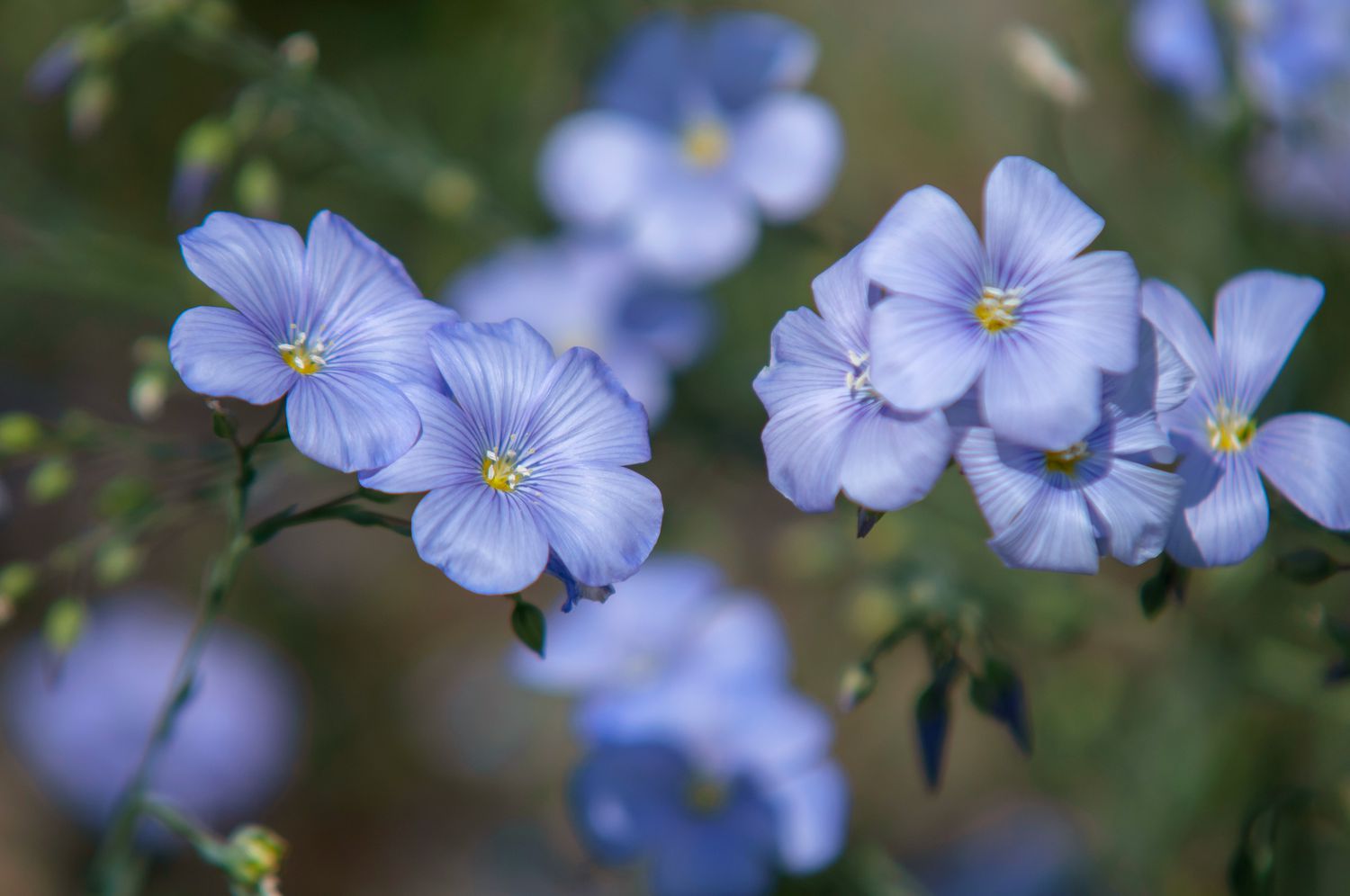
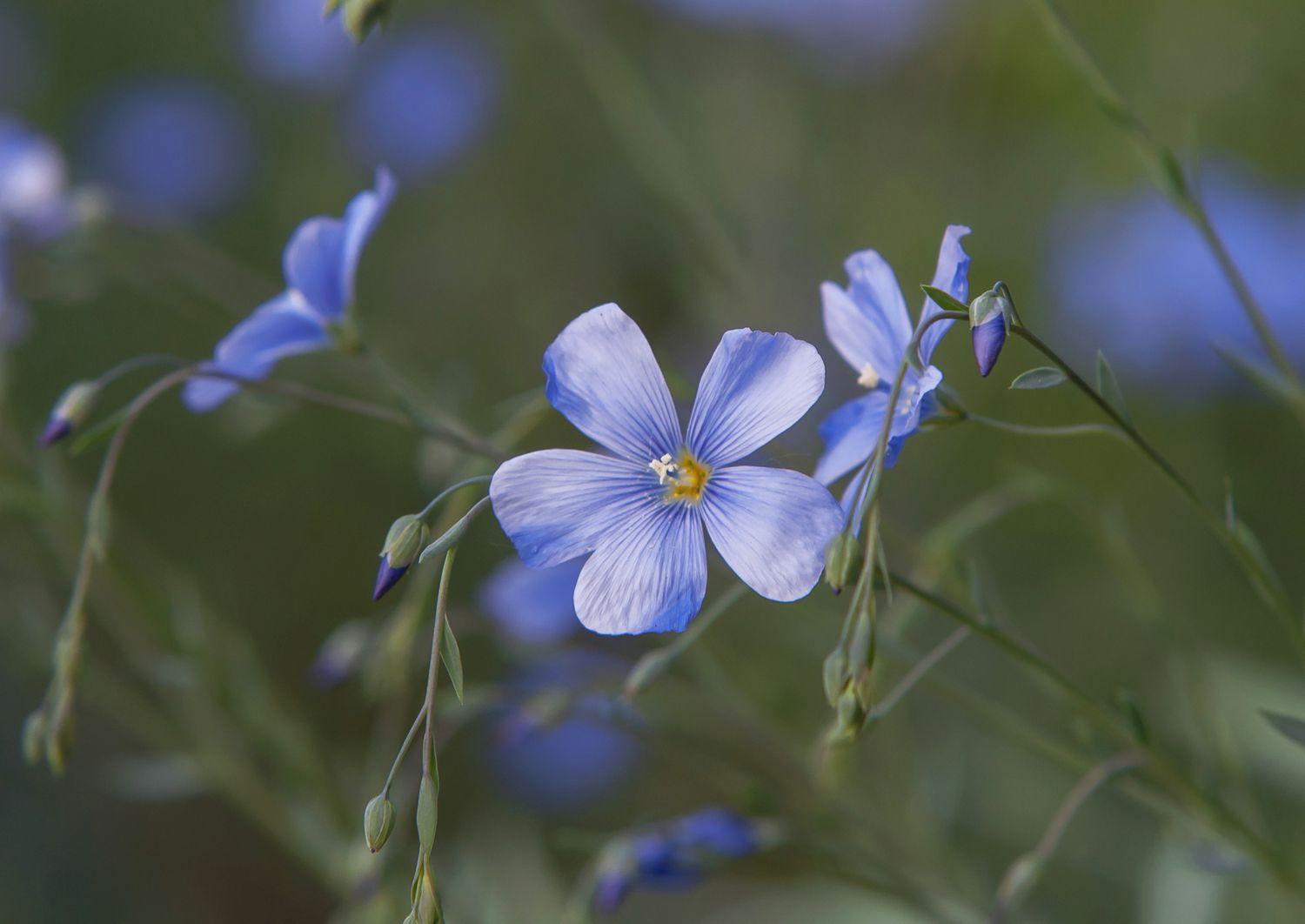
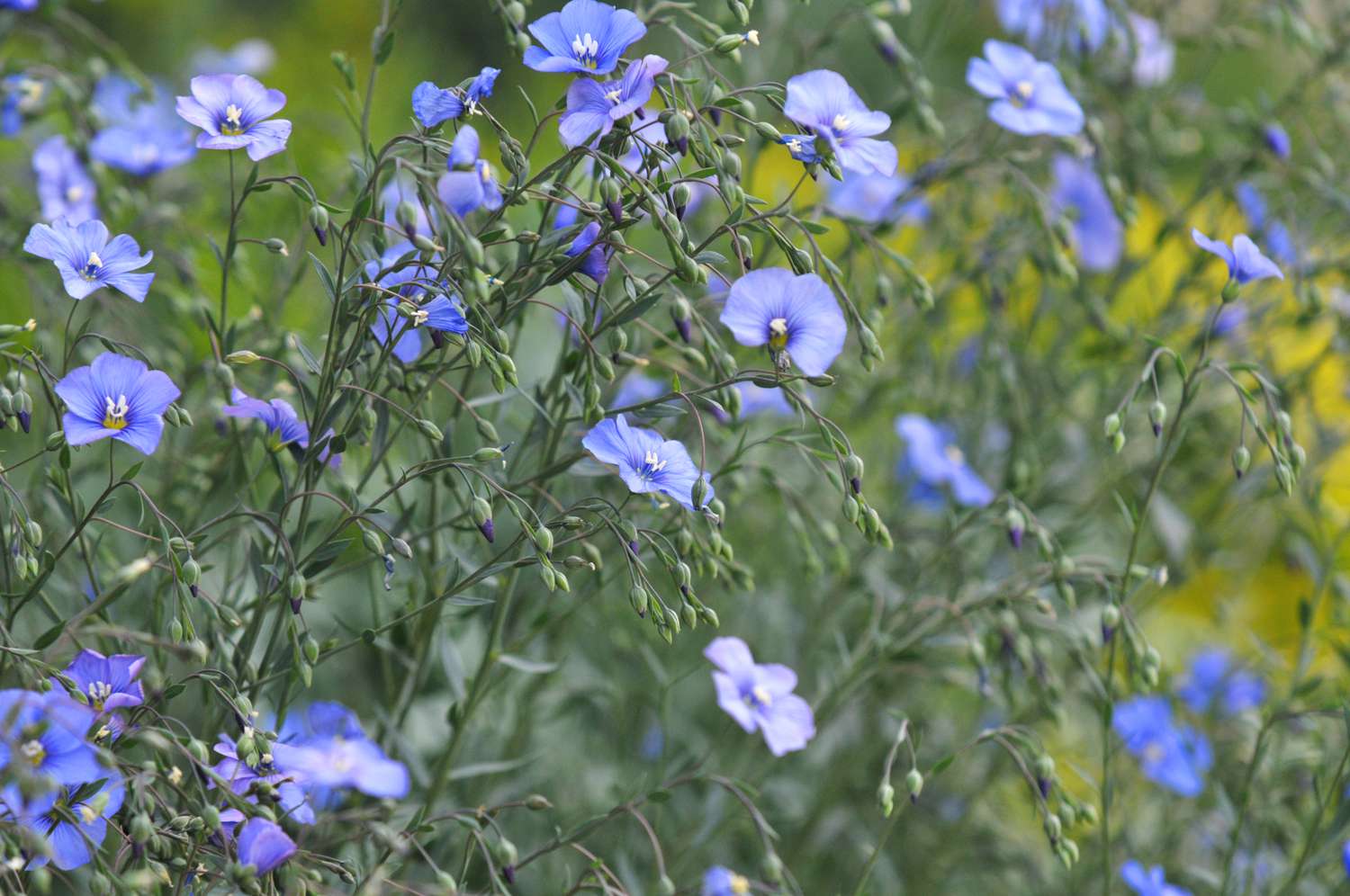
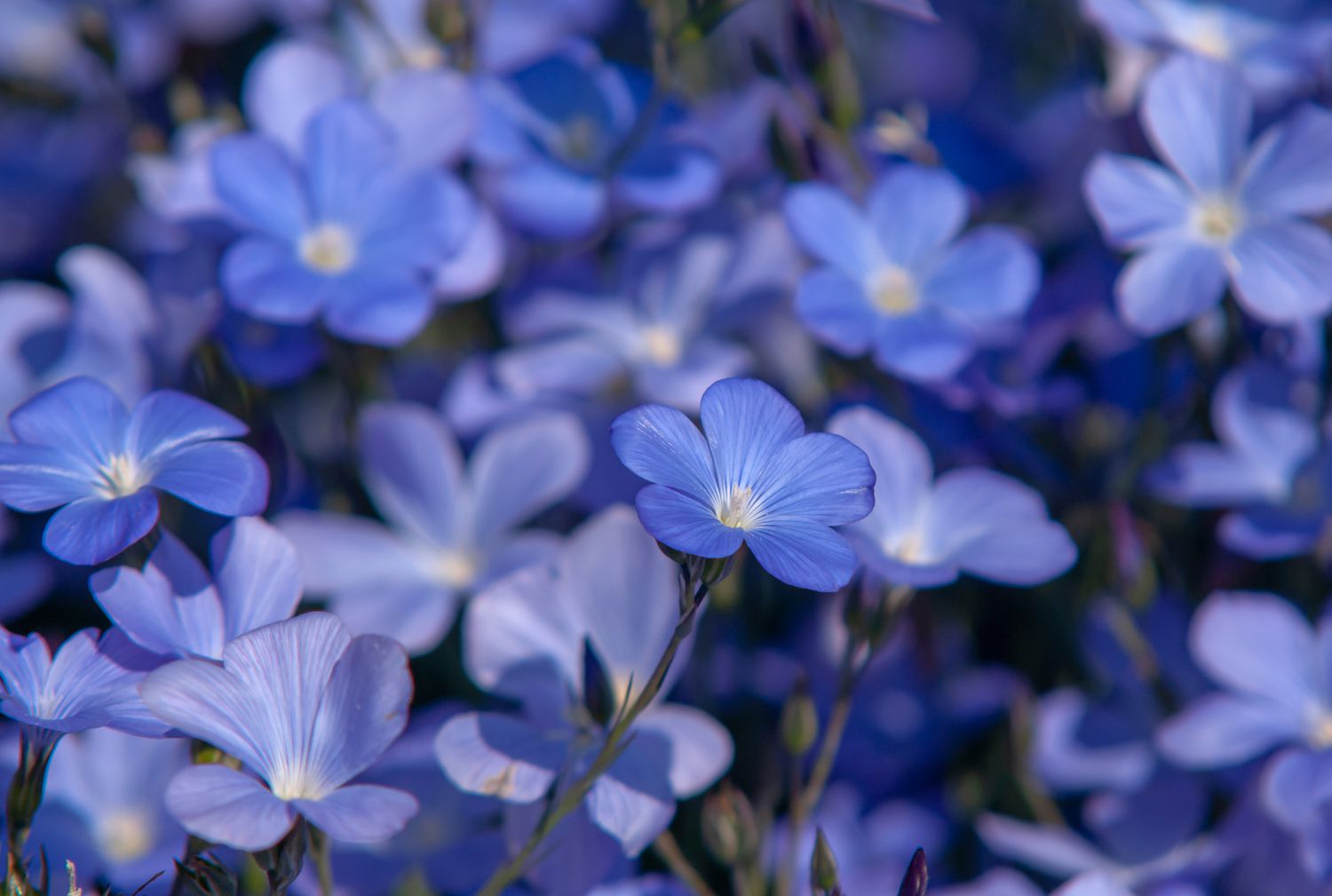
Flax offers delicate five-petal pale blue flowers that emit a light, earthy scent.
Stimulating New Blooms
To encourage extended flowering, prune the plant back by half after the first bloom. In regions with warm climates, however, this practice may weaken the plant. Indeed, when temperatures are too high, flax will not rebloom whether pruned or not.
