
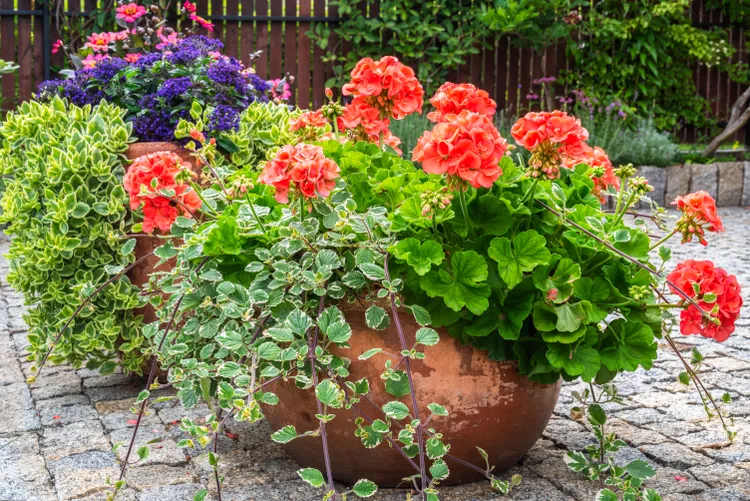
Whether it is a hanging plant or a classic terracotta pot, it is common for your potted plant to reach its peak beauty between mid-spring and late spring. However, at the beginning of summer, you will likely notice that all the flowers on your petunias and geraniums begin to drop, while the accompanying foliage becomes sparse and stretched out.
This often happens if you tend to do only the bare minimum to care for your container gardens. Yet, with a little more attention, it is entirely possible to maintain their lush appearance throughout the summer. Here are some professional gardening tips to help you achieve that.
Setting Up a Self-Watering System
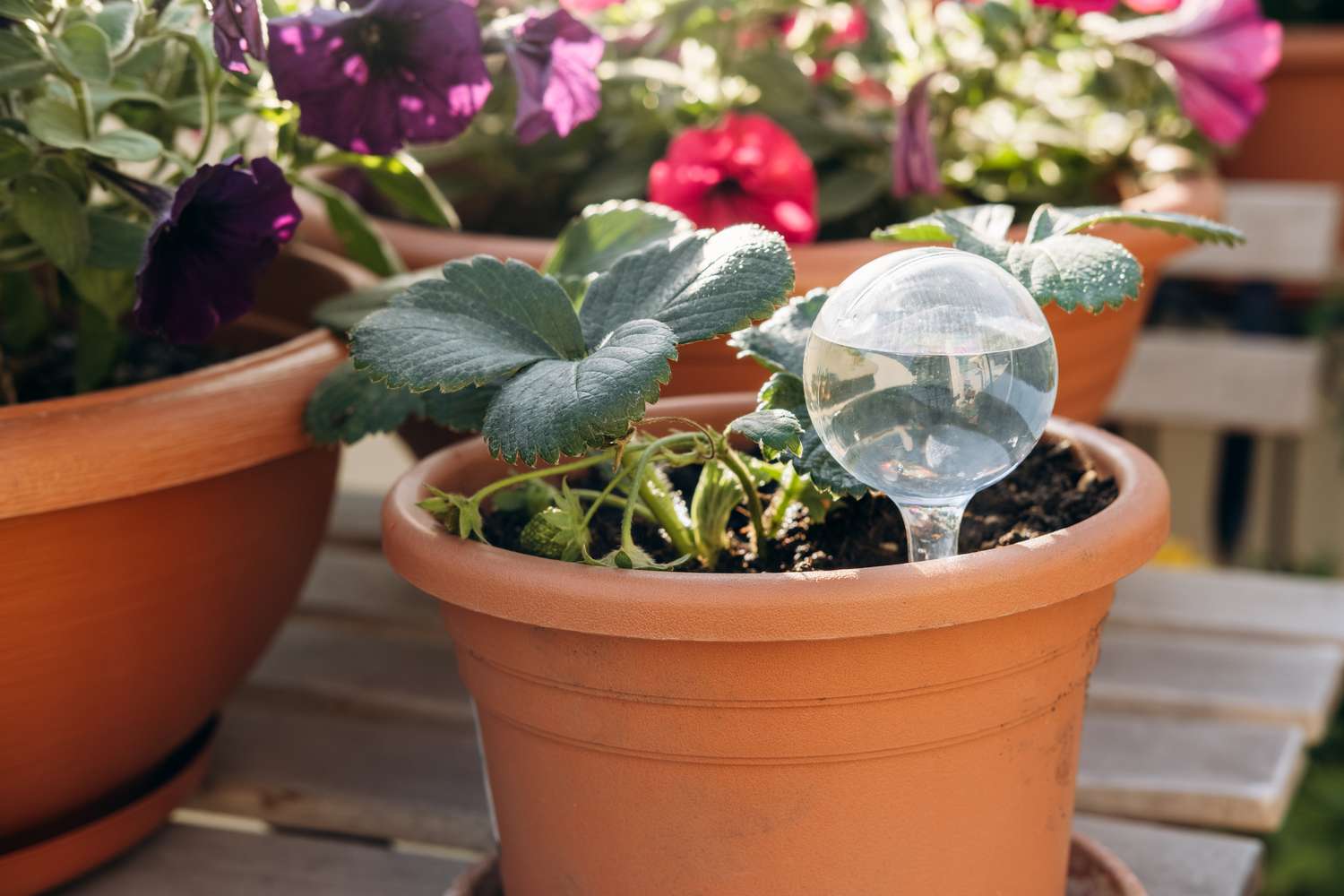
Unfortunately, container gardens tend to dry out very quickly and are poorly tolerant of missed watering sessions. Even a single drought period can result in the loss of some plants. Those that survive often lose multiple leaves to reduce their water expenditure.
This is why Anastasia Borisevich strongly recommends installing a drip irrigation system or using self-watering containers. However, it is essential to monitor for signs of excessive moisture, such as yellowing leaves or mold growth.
“Always make sure to choose pots with drainage holes to avoid waterlogging,” she emphasizes.
Regular Pruning to Promote Dense, Flowering Growth
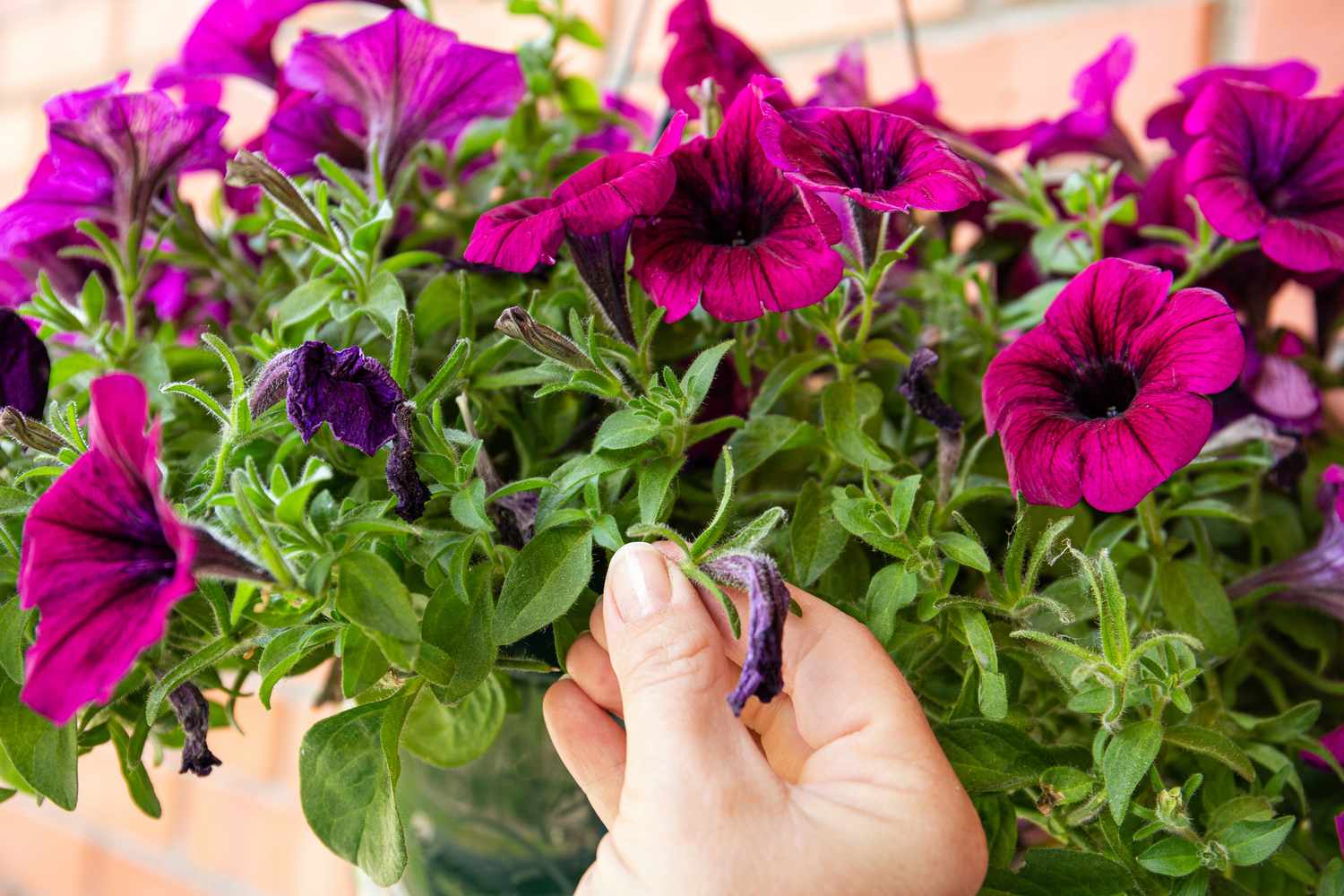
To keep a container garden as attractive as possible, Kate Schneider stresses the importance of regular and appropriate pruning. Even though it might seem counterintuitive at first, pruning your plants does them a great service.
“Prune your potted plants every few weeks to encourage compact growth and continuous blooming,” she advises. “If you leave too much time between prunings, plants often become spindly, untidy, and eventually stop flowering. Those who practice regular pruning enjoy a healthier, denser, and longer-lasting display throughout the season.”
Refreshing the Arrangement Twice per Season
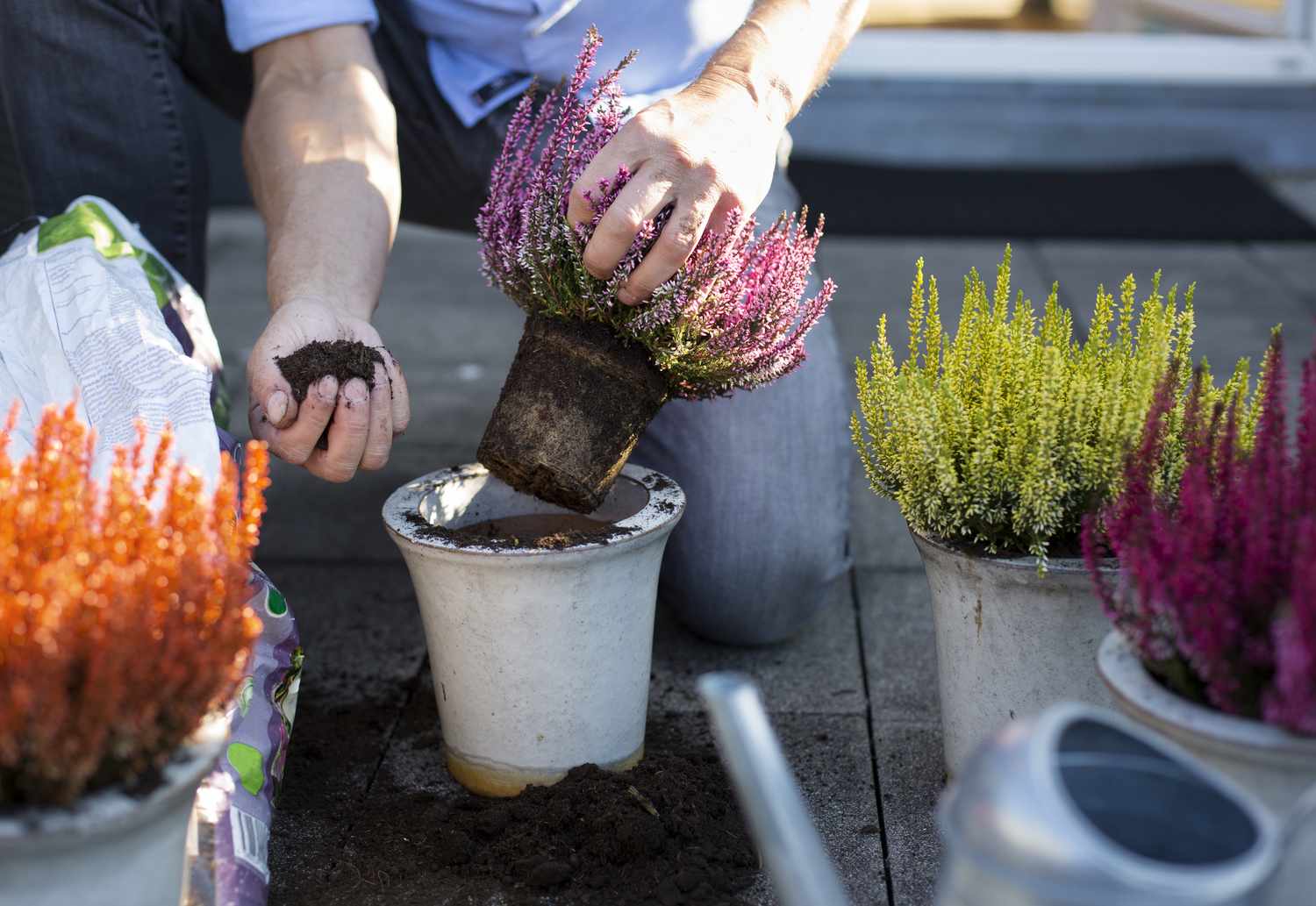
When it comes to decorative compositions with container plants, Kate Schneider recommends knowing when it’s time to clear everything out and start fresh. She completely renews her container gardens twice per season, considering them more as seasonal rotating displays than permanent installations.
“Sometimes, the best solution to rejuvenate a tired pot is simply to reset it—either entirely or by replacing only the plants that have passed their peak,” she explains. “Sweet potato vine and pentas, for example, can be pinched early to stimulate branching, but once they get too long and invasive, it becomes difficult to reshape them. If you miss that window, it’s generally better to replace them rather than trying to revive already overgrown growth.”
Ensuring Quality and Health of the Growing Medium
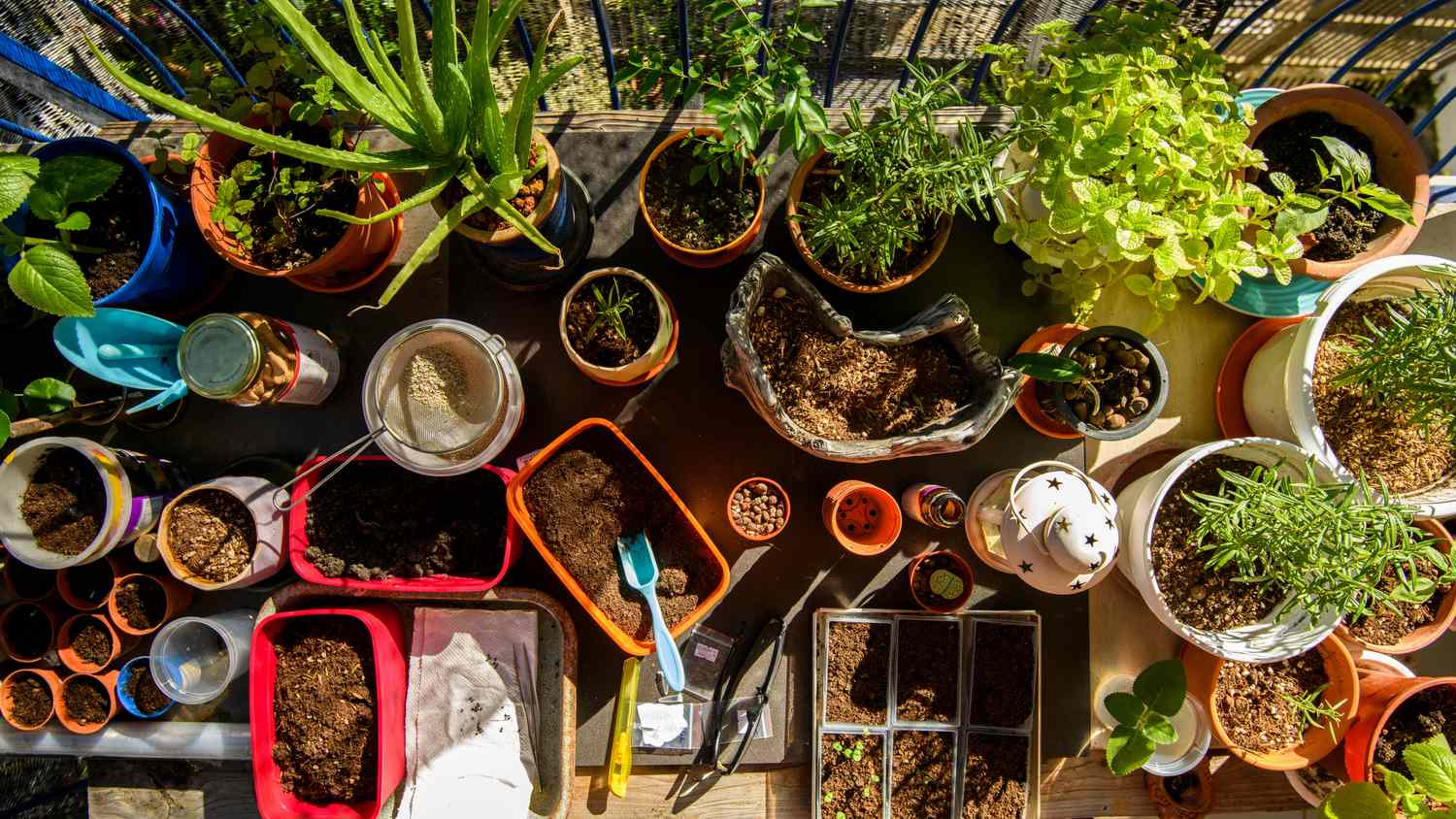
One of the great advantages of container gardening is the ability to provide your plants with a quality growing medium effortlessly. Instead of having to till and amend soil, you can simply use high-quality potting mix in your containers. However, not all potting mixes are created equal.
“Favor a light, well-draining, and nutrient-rich substrate,” recommends Anastasia Borisevich. “If you add natural elements, it is crucial to sterilize them either by heat or with a potassium permanganate solution to eliminate harmful bacteria and pests.”
She also stresses the importance of placing your container gardens in a well-ventilated area to prevent fungal diseases that weaken plant growth.
