
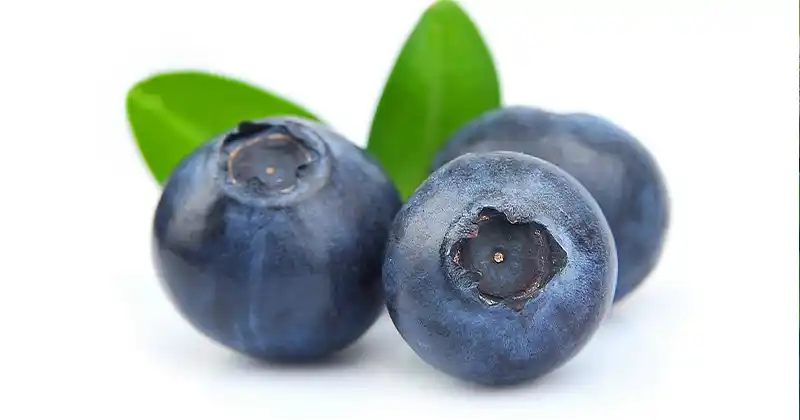
Blueberries rank among the fruits richest in antioxidants, and storing them properly allows you to enjoy their flavor and health benefits long after the harvesting season ends. Whether you picked them yourself or bought them at a local market, learning how to store blueberries naturally will save you money and help reduce waste.
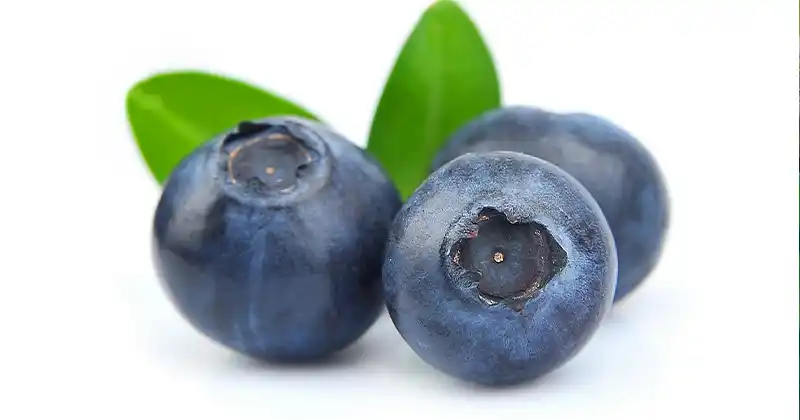
Here is a simple, effective, and natural method to preserve fresh blueberries in jars using only water and lemon juice—without sugar, chemicals, or a freezer.
Why choose to preserve blueberries in jars?
Most people freeze blueberries to keep them fresh, but storing them in jars has several advantages:
- No need for freezer space
- A more natural and fresh taste preserved
- Extended shelf life (several months)
- Easy storage and transport
- No added preservatives or sugar
This method relies on pasteurization, a gentle heat process that destroys harmful microorganisms while maintaining the fruit’s integrity.

Necessary materials and ingredients
To get started, you only need a few simple ingredients and basic tools:
Ingredients:
- Fresh, ripe blueberries
- Lemon juice (freshly squeezed or bottled)
- Clean, filtered water
Equipment:
- Clean glass jars (750 ml jars are recommended)
- New jar lids
- A large, deep pot
- A clean cloth or kitchen towel
- A heat source (stove)
Detailed step-by-step guide to preserving your blueberries
1. Wash the blueberries carefully
Rinse the blueberries under cool running water to remove dirt, residues, and pesticides. Drain them in a colander and then gently dry with a clean towel without crushing the berries.
2. Prepare the jars and lids
Use sterilized glass jars fitted with new airtight lids. Sterilize the jars by submerging them in boiling water for 10 minutes or running them through a high-temperature dishwasher cycle. Make sure they are completely dry before use.
3. Fill the jars with blueberries
Gently place the clean blueberries into the jars, filling them until about 2-3 cm from the top. Avoid crushing the berries; they should remain whole.
4. Add lemon juice to each jar
Pour 1 tablespoon of lemon juice per 750 ml jar. This essential step increases the acidity of the environment, preventing the growth of dangerous bacteria like Clostridium botulinum, the cause of botulism.
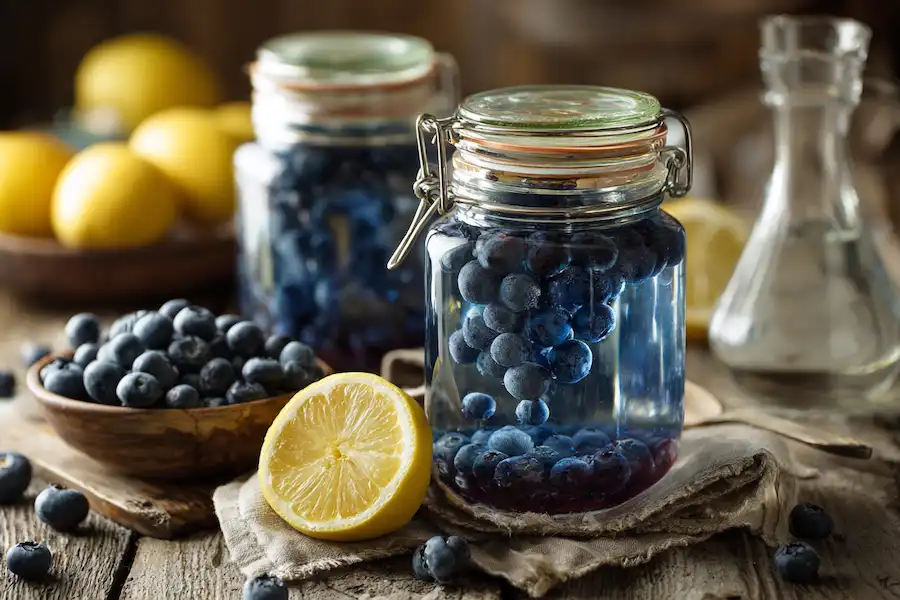
5. Fill the jars with water
Top up the jars with clean, filtered water, making sure to fully cover the blueberries. Leave about 1 cm of space below the lid to allow expansion during heating.
6. Clean the jar rims and seal
Before closing, carefully wipe the rims of the jars with a clean cloth to ensure no fruit or juice obstructs a proper seal. Screw on the new lids tightly.
7. Prepare for pasteurization
Place a clean towel or folded cloth at the bottom of a large, deep pot to prevent the jars from knocking against each other during cooking.
Then arrange the jars upright inside the pot and fill with water until it reaches just under the lids. It is important not to submerge the lids completely.
8. Perform the pasteurization
Bring the water to a gentle boil. Once boiling, lower the heat slightly and let the jars pasteurize for 30 minutes. This step eliminates any remaining bacteria while preserving the fruit’s texture.
9. Let the jars cool in the water
Turn off the heat after 30 minutes and allow the jars to cool completely in the water. This gradual cooling ensures a strong vacuum seal and prevents jars from cracking.
10. Store in a cool, dark place
To ensure optimal preservation, remove, dry, and place the jars in a cupboard or dark storage area. Properly sealed, they will keep for several months, providing a delicious supply of blueberries even out of season.
Tips for optimal preservation
- Choose fresh, undamaged blueberries to guarantee the best texture and flavor after storage.
- Label each jar with the preservation date to monitor freshness.
- Store in a cool, dry, and dark place to maintain quality and longevity.
- After opening, keep the jar refrigerated and consume within one week.
Ideas for using your preserved blueberries
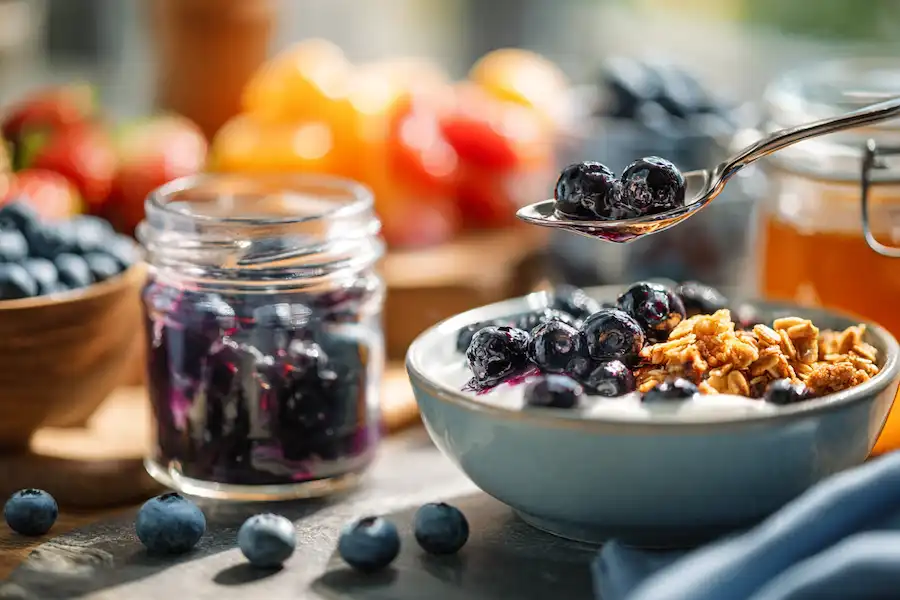
Blueberries preserved this way are very versatile! You can:
- Add them to yogurt, porridge, or smoothies
- Use as a topping for pancakes or waffles
- Incorporate into baking recipes like muffins and cakes
- Serve over ice cream or dessert creams
- Enjoy them straight by the spoonful as a healthy snack
These blueberries retain much of their original texture and color, making them ideal in both sweet and savory dishes.
Preserving blueberries in jars with lemon juice and water is a proven method that requires no sophisticated equipment or artificial preservatives. It is an excellent way to enjoy the taste and nutritional benefits of blueberries year-round while minimizing waste and preparing natural foods at home.
Warning:
Always follow safe canning and storage practices. If you notice bubbles, an unpleasant odor, discoloration, or a poorly sealed lid after storage, do not consume the contents.
Inspired by this article? Share it with your friends!
