
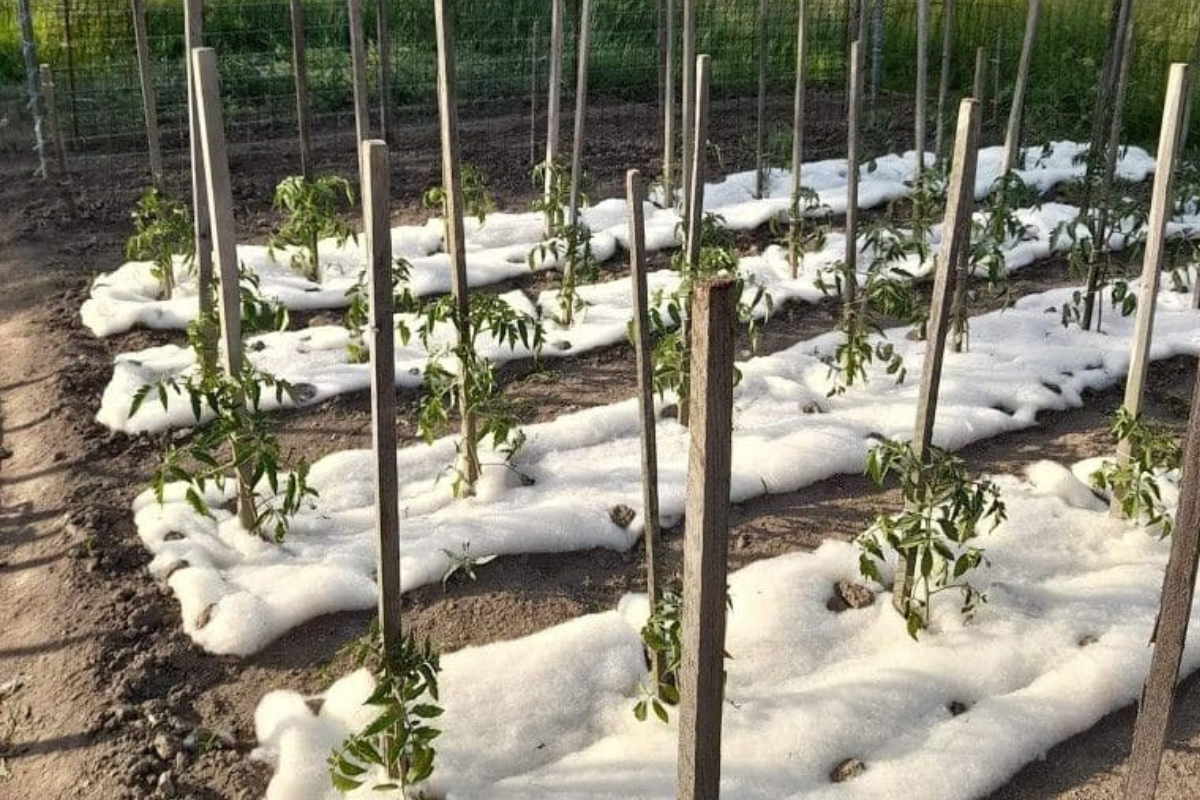
If you’re constantly battling scorching heat, rapid moisture loss, and relentless weeds in your tomato patch, there’s one powerful gardening tool that could change everything: breathable insulation fabric.
Having used this method for several seasons, I’ve seen firsthand how it can elevate tomato health, improve yield, and cut down on maintenance. Let’s dive into what makes this technique so effective—and why it might be exactly what your garden needs.
1. What Is Breathable Insulation Fabric?
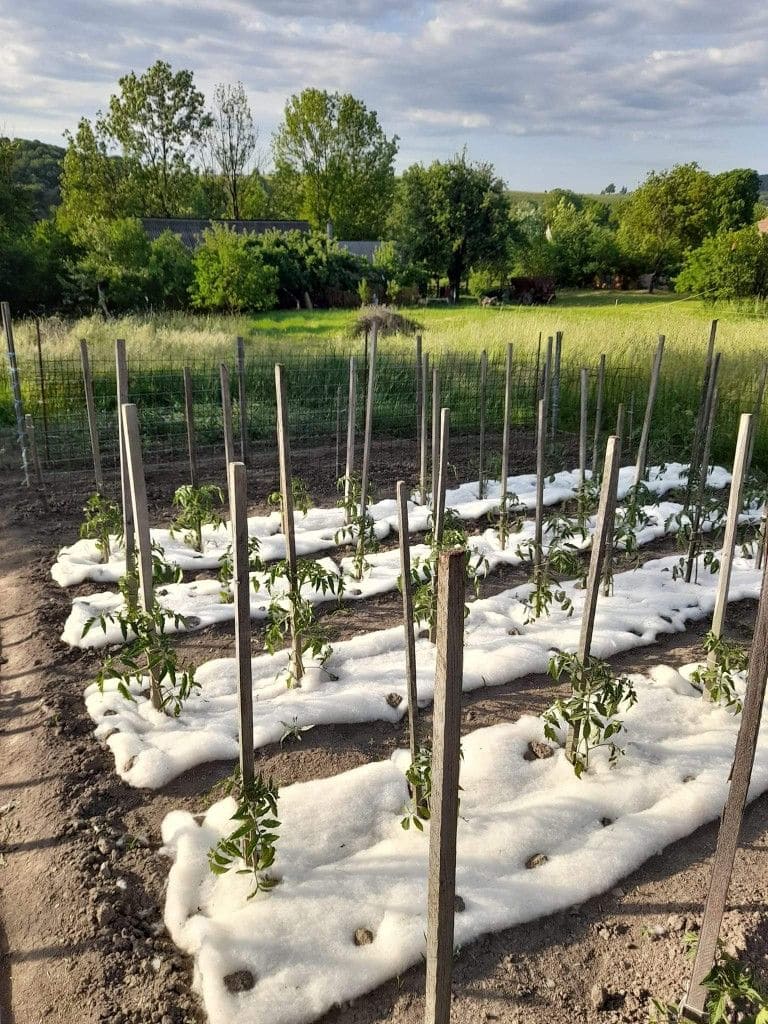
Breathable insulation fabric, also known as garden fleece or landscape fabric, is a specially designed material made from woven or non-woven polypropylene or polyester. Unlike plastic sheeting, which suffocates the soil, this fabric allows air, moisture, and nutrients to pass through while blocking weeds and retaining soil moisture.
There are various grades available—from lightweight to heavy-duty—each suited for different climates and garden sizes.
2. Why Tomatoes Love It: The Key Benefits
Moisture Retention Without Waterlogging
Tomatoes need consistent moisture, especially during fruiting. This fabric reduces water evaporation while allowing excess water to drain, preventing root rot.
Temperature Regulation
Tomatoes dislike extremes. The insulation fabric buffers against sudden shifts, keeping roots cool in high heat and warm during chilly nights—ideal for stronger growth and fewer setbacks.
Weed Suppression Without Chemicals
Blocking sunlight at the soil level, the fabric prevents weed germination, reducing competition for nutrients and eliminating the need for harmful herbicides.
Bigger, Healthier Yields
Stress-free roots = more energy for fruit production. Gardeners across the U.S. have reported up to 30% more tomatoes when using breathable insulation fabric.
Natural Pest Deterrent
By reducing contact between the soil and plant stems, the fabric can also limit pests like cutworms and soil-borne fungi.
3. Materials You’ll Need
Breathable insulation fabric (UV-resistant if possible)
Garden shears or utility knife
Garden rake (for leveling soil)
Fabric pins or landscape staples
Compost or organic fertilizer (optional, for added nutrition before laying the fabric)
4. Step-by-Step Guide to Installing the Fabric
Step 1: Prepare the Soil
Remove old weeds and debris. Loosen and level the soil with a rake. You may also mix in compost or organic fertilizer to enrich the planting area before covering it.
Step 2: Lay Down the Fabric
Unroll the fabric across your garden bed. Ensure the edges extend beyond the planting area to block neighboring weeds.
Step 3: Secure the Fabric
Use staples or heavy stones to keep the fabric in place, especially around the edges. This prevents shifting due to wind or watering.
Step 4: Cut Planting Holes
Use sharp garden shears to cut X-shaped slits or round holes for each tomato seedling. Keep openings snug to reduce weed intrusion.
Step 5: Plant and Water
Dig holes in the exposed soil, place your tomato seedlings, and water deeply. The fabric will retain moisture effectively between waterings.
5. Tips for Long-Term Success
Rotate the Fabric: If reusing the fabric next season, clean it and rotate your crops to prevent disease buildup.
Mulch on Top (Optional): Add a light layer of straw or bark mulch to further enhance temperature stability.
Choose the Right Fabric Color: Black is best for weed control and warmth; white or reflective fabric can be used in very hot regions to prevent overheating.
6. Potential Drawbacks to Consider
Cost: Breathable insulation fabric is pricier than traditional mulch. However, it lasts for multiple seasons, making it a cost-effective long-term investment.
Chemical Concerns: Some fabrics may contain chemical treatments. Look for “garden-safe” or untreated options, especially if growing organically.
Disposal: While many are reusable, disposal can be an issue. Choose recyclable or biodegradable options if possible.
Final Thoughts: Is It Worth It?
For anyone serious about tomato gardening, breathable insulation fabric offers a smart, efficient, and environmentally conscious solution. It addresses nearly every major challenge tomato growers face—heat stress, weeds, pests, and inconsistent watering.
After testing it through droughts and heatwaves, I can confidently say it’s one of the best investments you can make in your garden. Give it a try this season—you might be amazed at the difference it makes.
