
Insects buzzing indoors can quickly disturb the peace, and few are more annoying—or potentially dangerous—than flies. House flies, fruit flies, drain flies, and cluster flies aren’t just a nuisance; they can carry over 100 harmful diseases, including salmonella, tuberculosis, and E. coli, according to the National Library of Medicine.
To protect your home and family without relying on toxic chemicals, it’s essential to understand why flies invade and how to eliminate them using safe, effective methods.
1. Where Do Flies Come From?
Flies (order Diptera) are among the most widespread insects, with over 120,000 known species worldwide. House flies, the most common indoor invaders, are about 1/8 to 1/4 inch long, gray with four black thoracic stripes, red compound eyes, and a hairy body that helps them collect and transfer germs.
According to entomologist Dr. Roberto M. Pereira, flies gain access through open doors, torn screens, or gaps around windows. They thrive in warm, moist environments and often breed in compost bins, trash piles, or animal waste.
Each female fly can lay up to 150 eggs at a time and may produce 500 eggs in her short lifespan. These eggs hatch quickly, meaning infestations can escalate in just days.

2. Why Flies Are Attracted Indoors
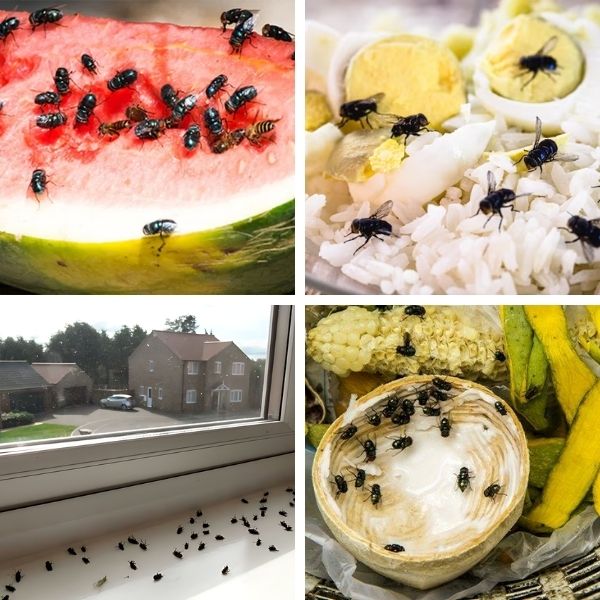
Peter Irenicus, founder of The Holy Habibee, explains that flies are primarily drawn by:
Food Sources: Decaying organic matter, exposed fruit, pet food, and dirty dishes.
Moisture & Breeding Sites: Damp areas like drains, garbage bins, or compost heaps.
Openings in the Home: Unscreened doors, windows, and ventilation systems.
Additional attractants include sugary spills, fermenting liquids, unwashed recyclables, and even the carbon dioxide we exhale.

3. Natural Ways to Eliminate Indoor Flies
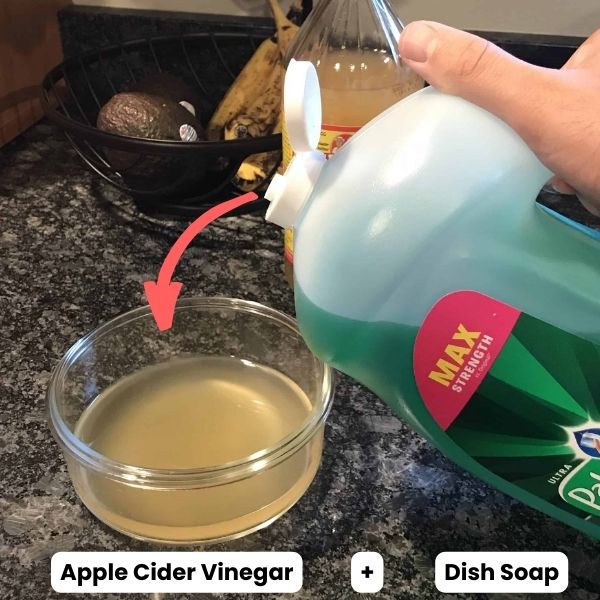
1. Apple Cider Vinegar and Dish Soap Trap
Mix apple cider vinegar with a few drops of dish soap in a shallow bowl. The vinegar’s scent lures flies, while the soap reduces surface tension—trapping them.
Tip: Cover the bowl with plastic wrap and poke small holes for an even more effective trap.
2. DIY Fly Paper and UV Traps
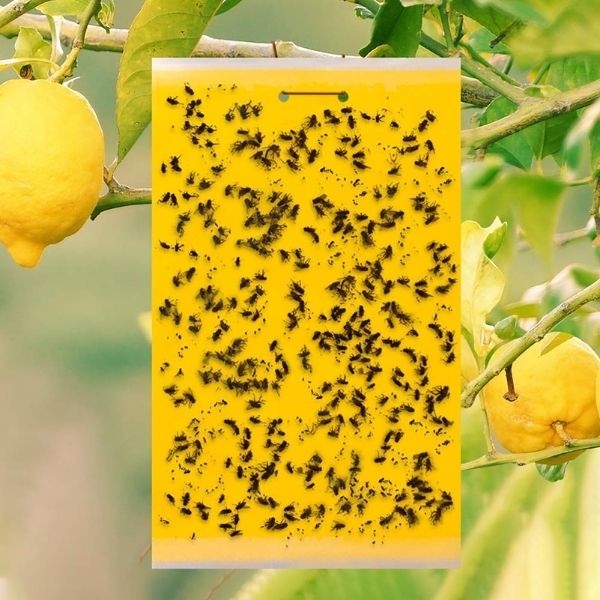
Hang sticky fly paper strips near windows, garbage bins, and fruit bowls. UV light traps are particularly useful in kitchens and food storage areas, luring flies with light before zapping or trapping them.
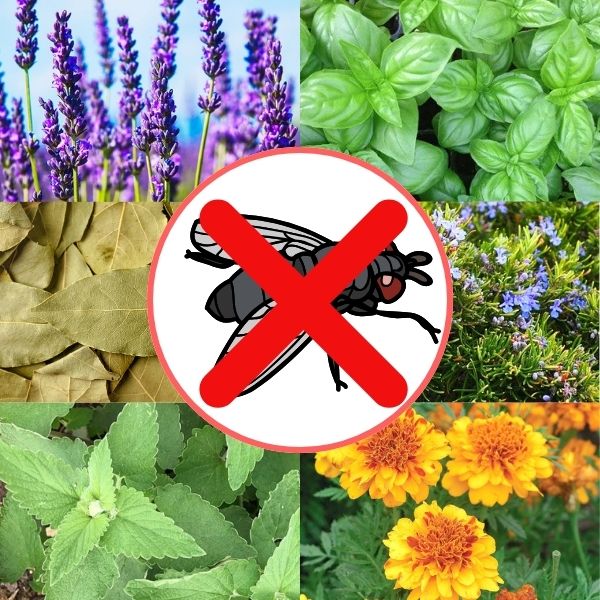
3. Use Natural Repellent Plants
Plant fly-repelling herbs near windows and doors:
Basil
Lavender
Marigold
Bay leaf
Mint
Rosemary
These plants release strong scents flies dislike. You can also place dried bundles indoors.
4. Cayenne Pepper Spray
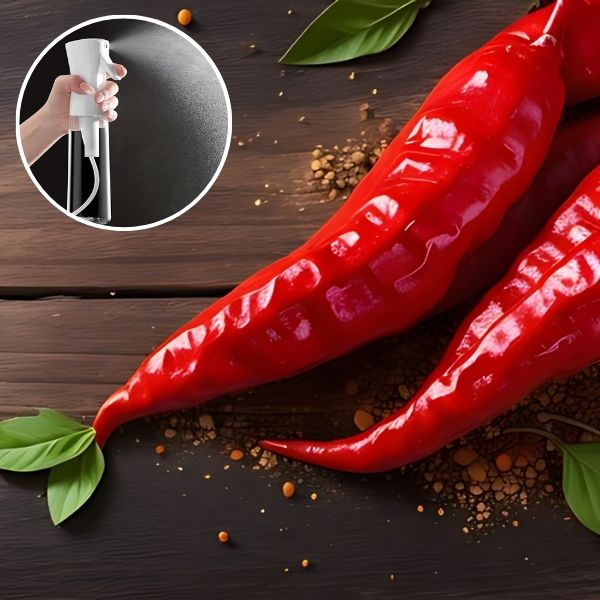
Boil 1 tablespoon of cayenne pepper in 1 cup of water, allow it to cool, and pour it into a spray bottle. Spritz around door frames, windowsills, and entry points.
Caution: Avoid spraying on light fabrics or surfaces that may stain.
5. Essential Oil Fly Repellents
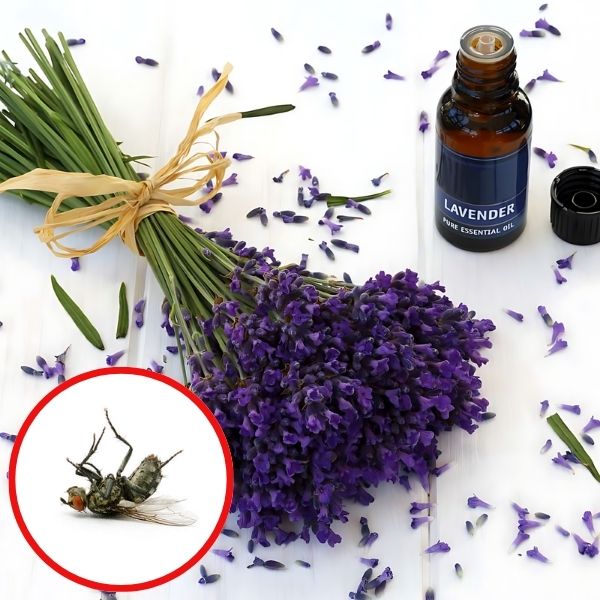
Mix 10 drops of peppermint, lemongrass, lavender, or eucalyptus oil with 1 cup of water and 1 teaspoon of witch hazel or alcohol. Spray throughout your home, especially around windows and trash bins.
Bonus Tip: Soak cotton balls in oil and place them in jars with mesh lids near fly-prone zones.
4. How to Prevent Flies from Entering
1. Block Entry Points
Repair torn screens and close gaps around windows and doors.
Install door sweeps and weather stripping.
2. Maintain Sanitation
Take out trash daily.
Clean recycling bins and food containers.
Don’t leave dirty dishes or pet food overnight.
3. Eliminate Moisture & Standing Water
Fix leaking pipes and faucets.
Clean drains with a mix of baking soda and vinegar followed by hot water.
Empty plant saucers and birdbaths regularly.
4. Adjust Outdoor Lighting
Replace white bulbs with yellow “bug lights” that are less attractive to flies.
Keep lights away from entry points.
5. Deep Clean Regularly
Clean behind appliances where crumbs accumulate.
Sanitize countertops, cutting boards, and sink drains weekly.
6. Monitor Pet Areas
Scoop pet waste immediately.
Clean litter boxes and pet dishes daily.
5. Bonus Prevention Tips
Use Clove-Studded Lemons: Stick whole cloves into lemon halves and place them near windows.
Keep a Fan Running: Flies are weak fliers. A fan near your fruit bowl or trash can deter them.
Store Food Properly: Use airtight containers and refrigerate fruits when possible.

Final Thoughts
While a single fly may seem harmless, it can quickly turn into a full-blown infestation. By combining cleanliness with these natural methods, you can create an environment that’s both fly-free and chemical-free.
Say goodbye to buzzing guests—and hello to peace, health, and freshness in your home.
