
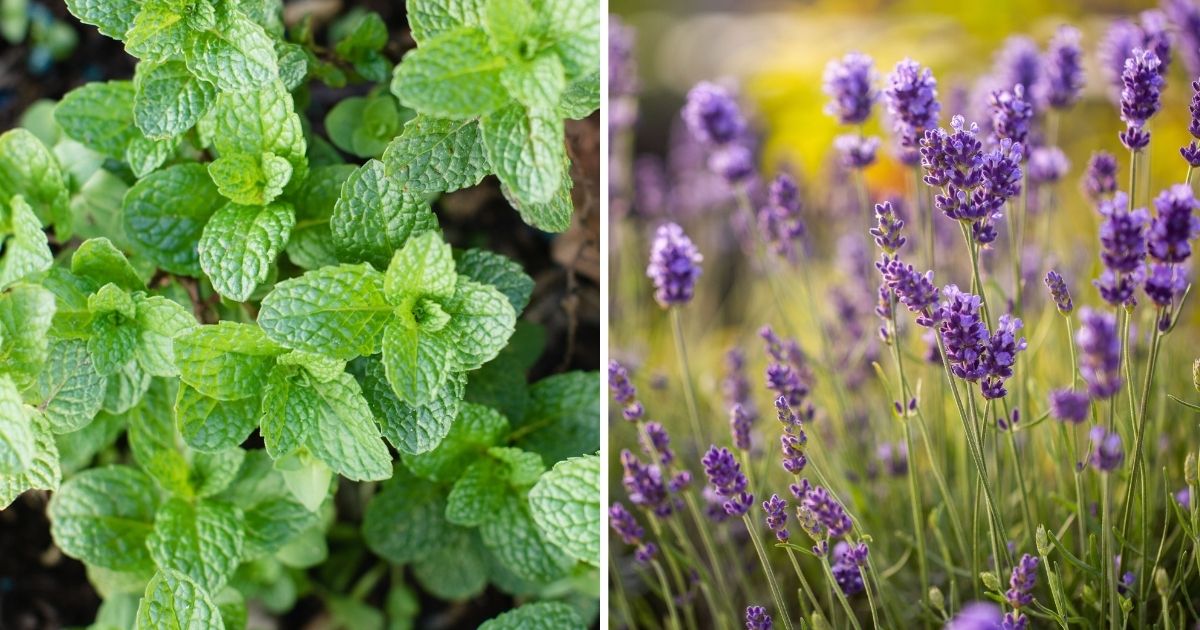
Creating an aromatic garden isn’t just about adding beauty—it’s about enriching your daily life with scents that calm the mind, boost well-being, and invite pollinators. Fragrant herbs and flowers can turn even a small patch of green into a soothing sanctuary for all the senses.
Below is an enhanced guide to 19 fragrant herbs and flowers to grow, along with added benefits, ideal growing conditions, and bonus uses.
1. Lemon Balm (Melissa officinalis)
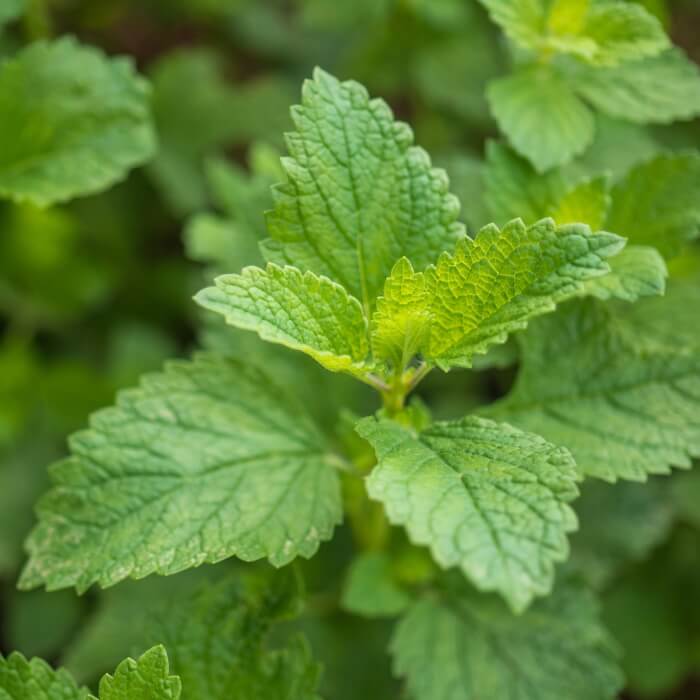
Scent: Bright, citrusy, and refreshing.
Benefits: Known for its calming effect; often used in teas to reduce anxiety and promote sleep.
Tip: Plant in a container to control spreading.
2. Thyme (Thymus vulgaris)
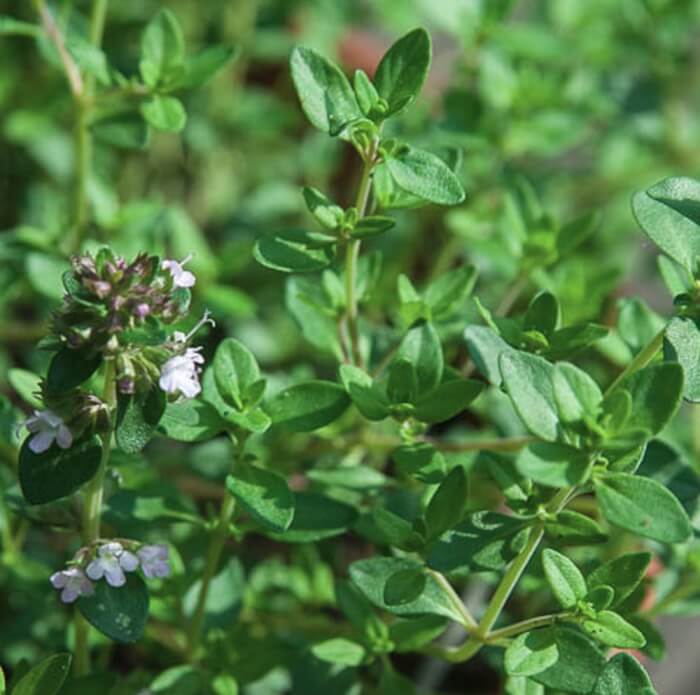
Scent: Pungent, earthy, and slightly minty.
Benefits: Great for culinary dishes and helps repel cabbage worms.
Growing Tip: Loves full sun and well-drained soil.
3. Mint (Mentha spp.)
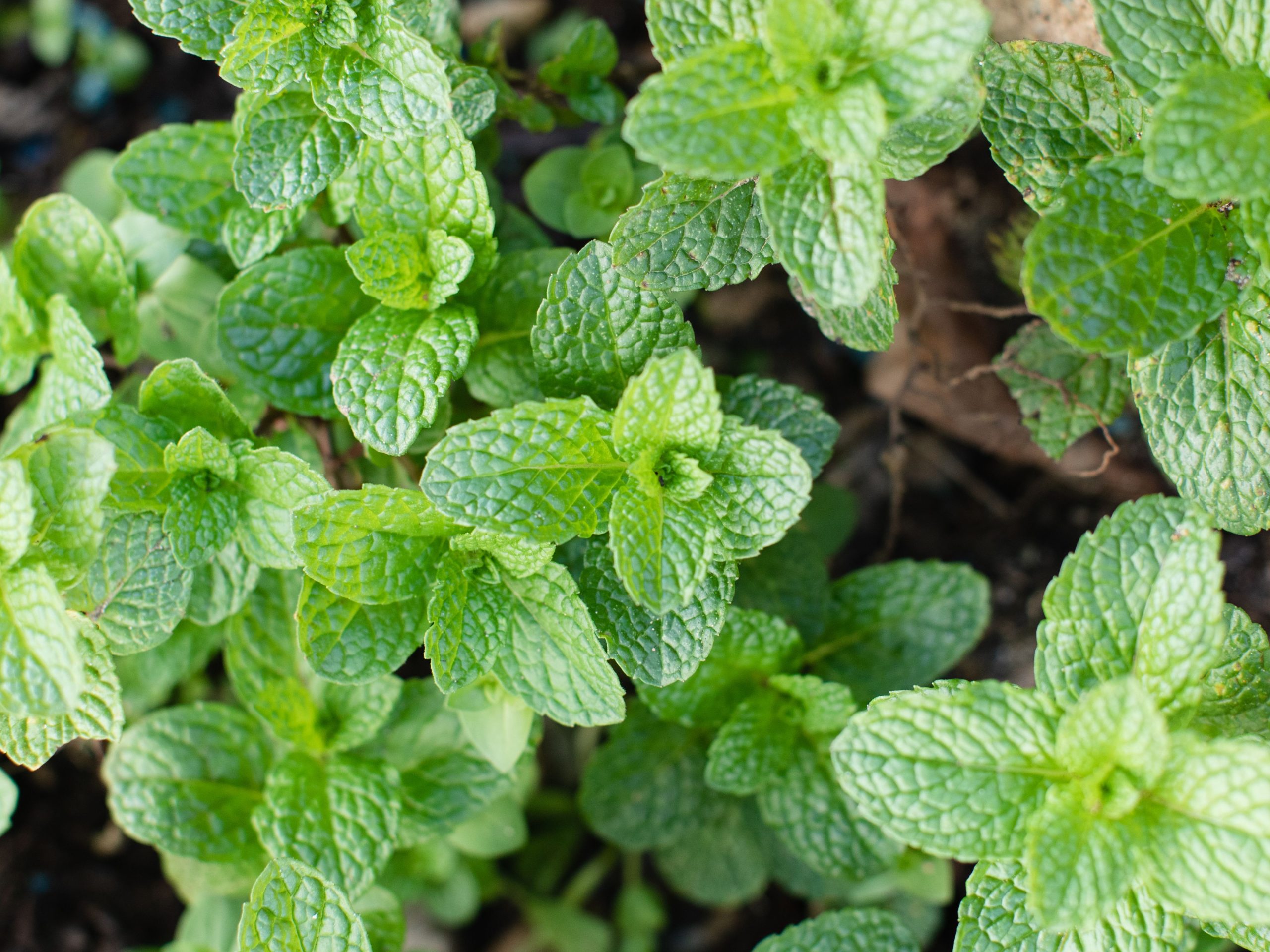

Scent: Cool, crisp, and unmistakable.
Benefits: Excellent in teas, cocktails, and for soothing digestive issues.
Warning: Keep it in a pot—mint spreads aggressively.
4. Basil (Ocimum basilicum)
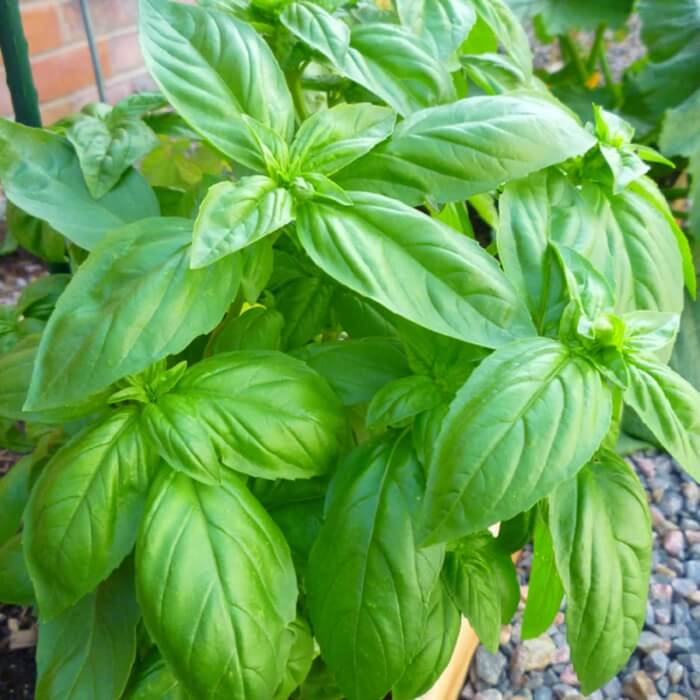
Scent: Spicy-sweet and slightly peppery.
Benefits: Improves concentration, fights free radicals, and is a pollinator magnet.
Varieties: Try lemon or cinnamon basil for a scent twist.
5. Rosemary (Rosmarinus officinalis)
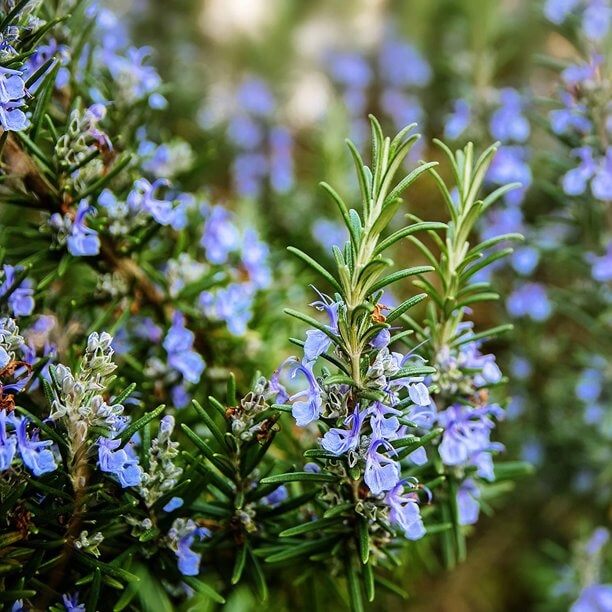
Scent: Piney and woody with a clean, invigorating edge.
Bonus: Repels mosquitoes and enhances memory.
Tip: Thrives in dry, sunny spots.
6. Marjoram (Origanum majorana)
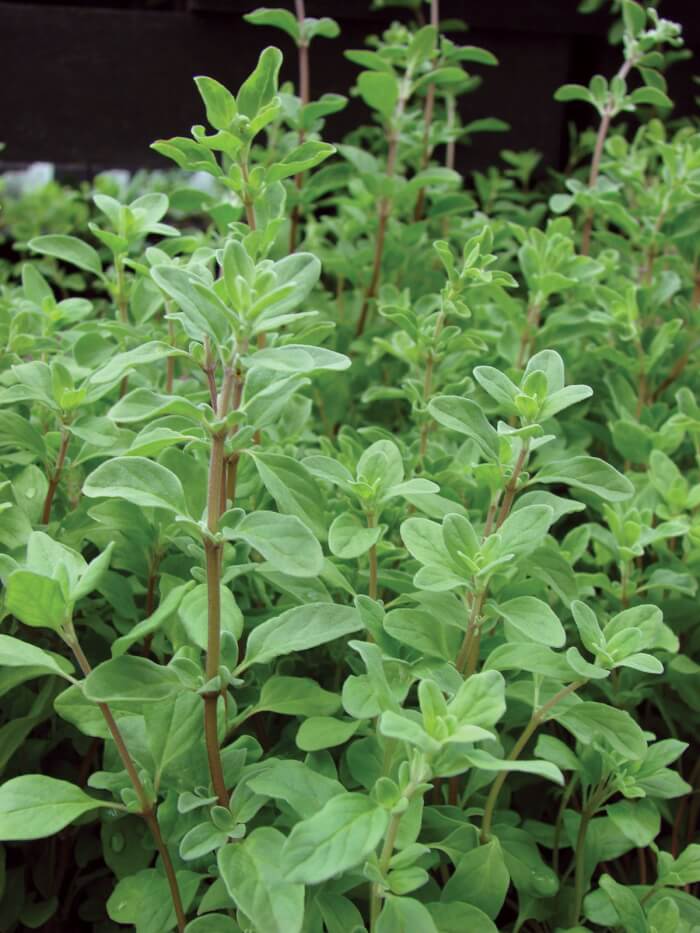
Scent: Sweet, floral, and slightly spicy.
Benefits: Used in aromatherapy for relaxation and tension relief.
Note: Prefers warmth and light watering.
7. Gardenia
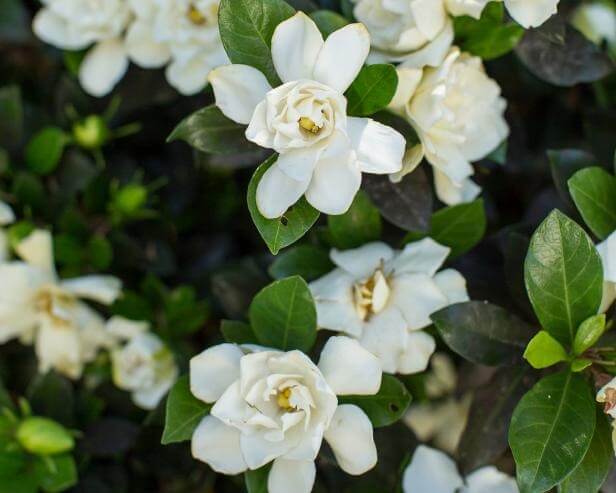
Scent: Rich, sweet, and creamy.
Ideal For: Borders or containers near entrances for a fragrant welcome.
Care Tip: Needs acidic soil and humidity.
8. Chamomile (Matricaria chamomilla)
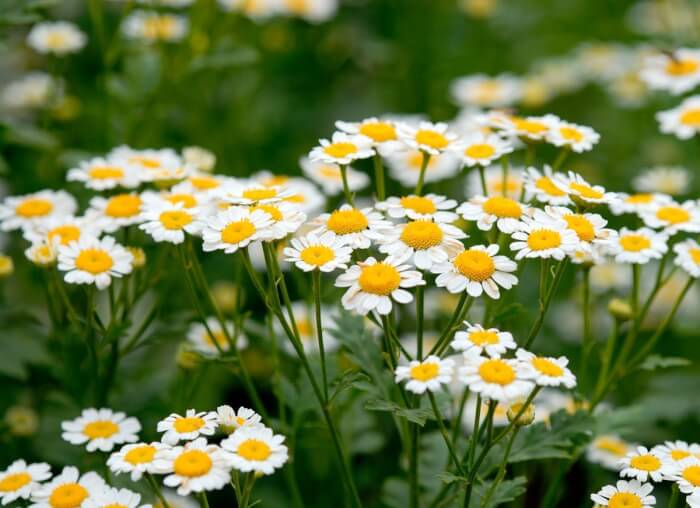
Scent: Light, apple-like fragrance.
Benefits: Calming in teas; also attracts beneficial insects.
Best Use: Let it self-seed in herb beds.
9. Bay Laurel (Laurus nobilis)
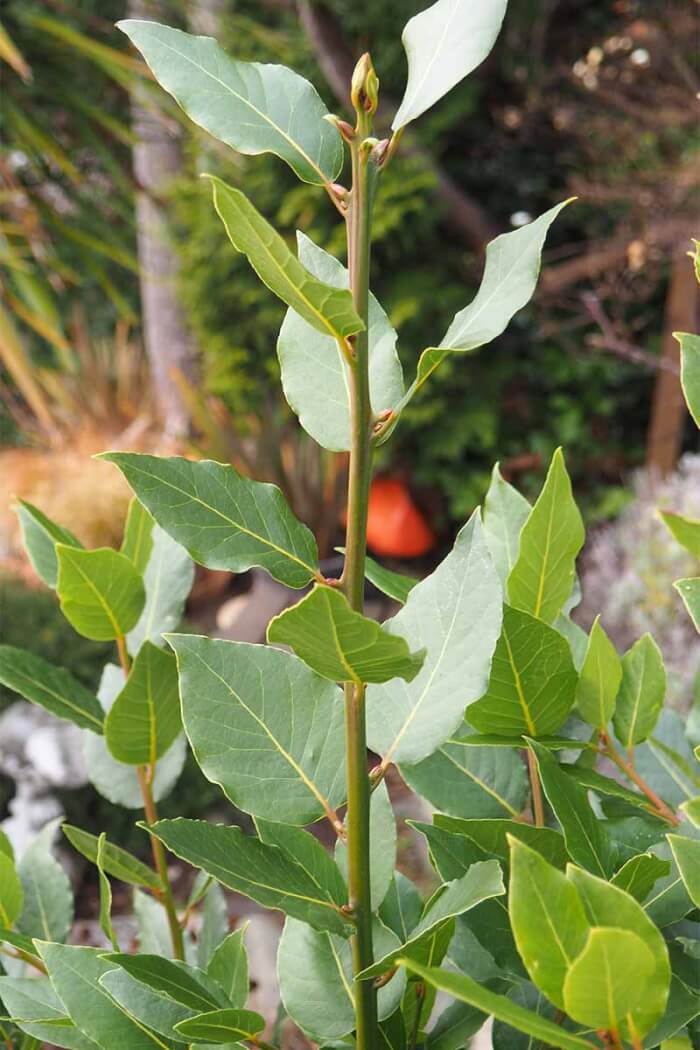
Scent: Warm, spicy, and herbal.
Extra Use: Bay leaves are essential in soups and stews.
Grow Tip: Keep pruned to maintain shape in pots.
10. Roses (Rosa spp.)
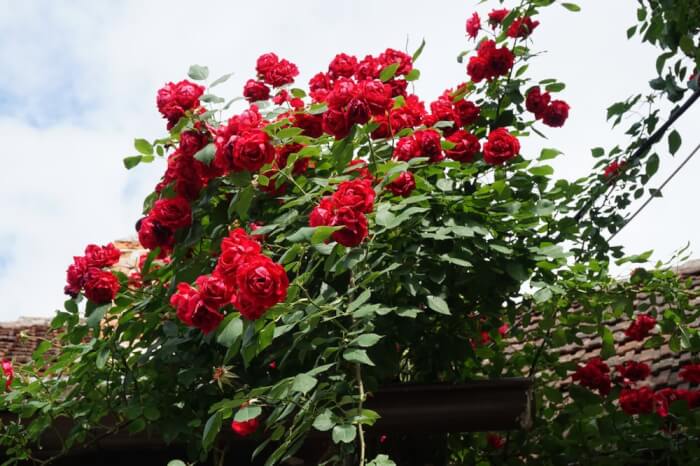
Scent: From fruity to musky, depending on variety.
Benefits: Mood-lifting, skin-soothing rosewater can be made at home.
Varieties: Look for fragrant types like ‘Mister Lincoln’ or ‘Gertrude Jekyll.’
11. Lavender (Lavandula spp.)
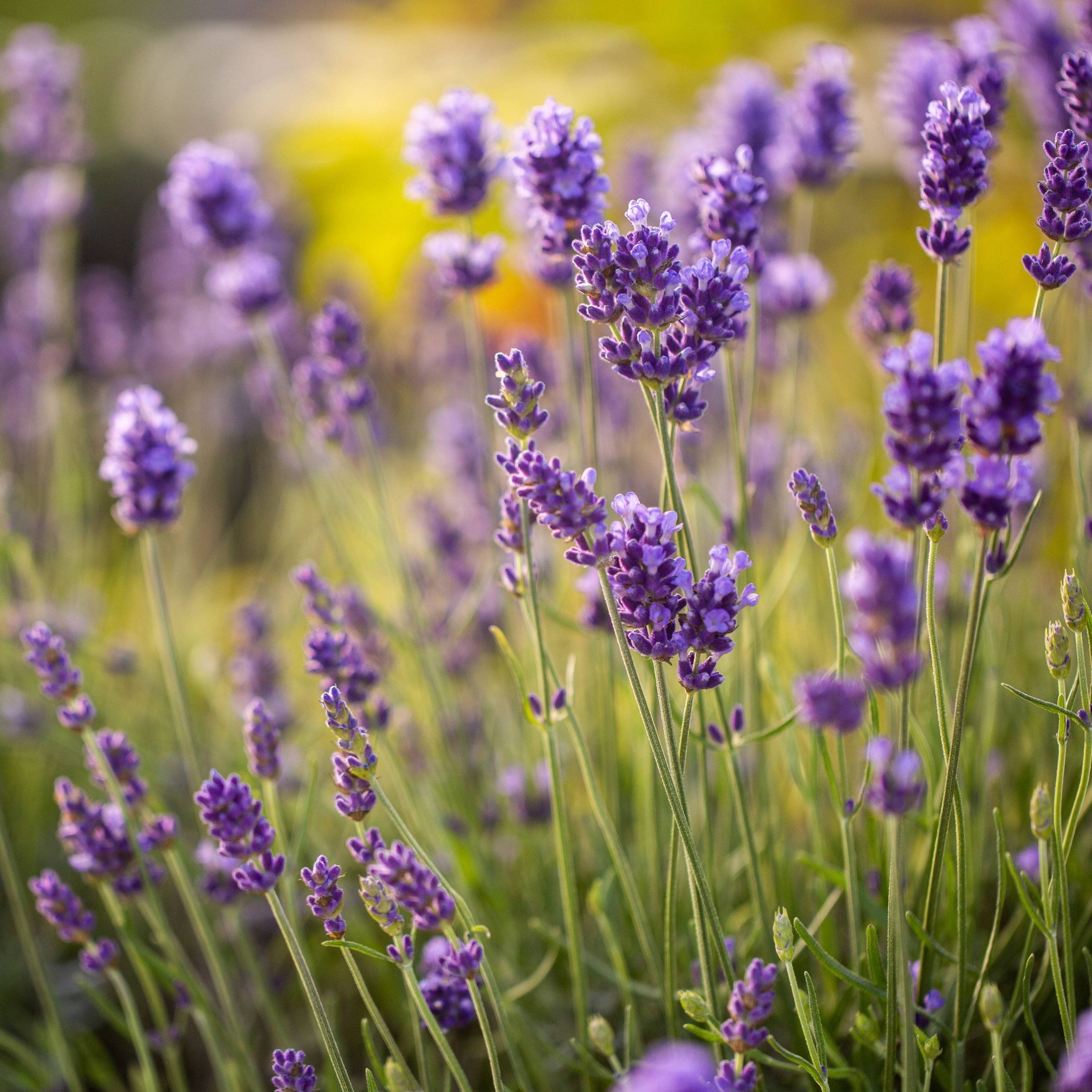
Scent: Floral, herbal, and calming.
Best Uses: Great in sachets, oils, and as a sleep aid.
Growing Tip: Needs full sun and dry soil.
12. Scented Geraniums (Pelargonium spp.)
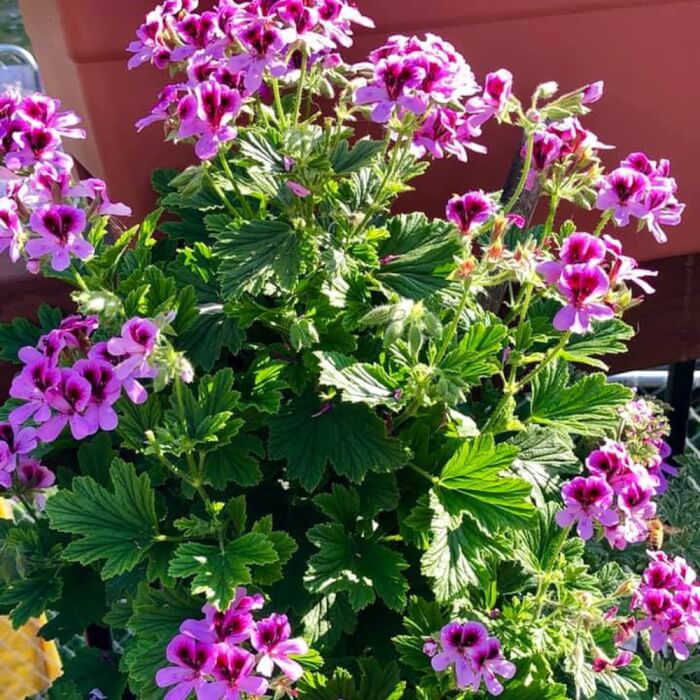
Scent: Varies—rose, lemon, chocolate, mint.
Bonus: Used in potpourri, teas, and desserts.
Container Tip: Ideal for patio pots.
13. Sweet Autumn Clematis (Clematis terniflora)
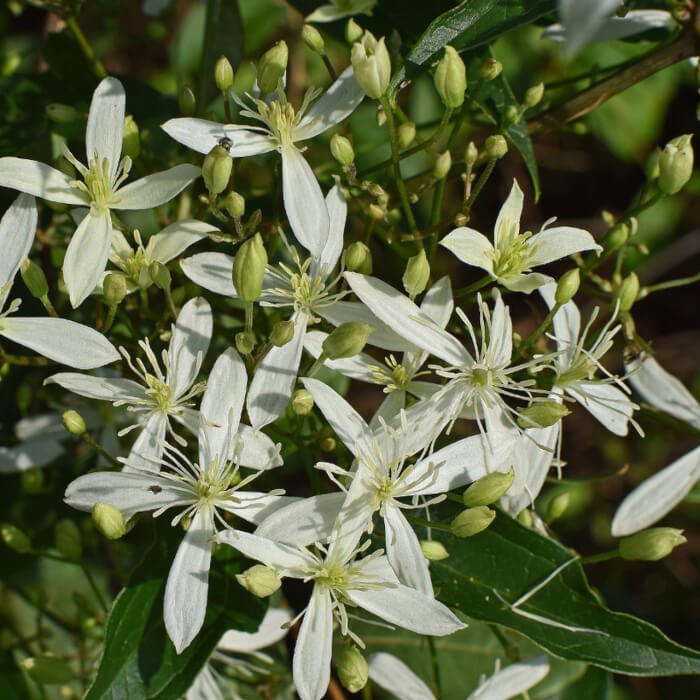
Scent: Intensely sweet and clove-like.
Perk: Blooms in late summer when many other flowers fade.
Caution: Can be invasive—trim regularly.
14. Jasmine (Jasminum spp.)
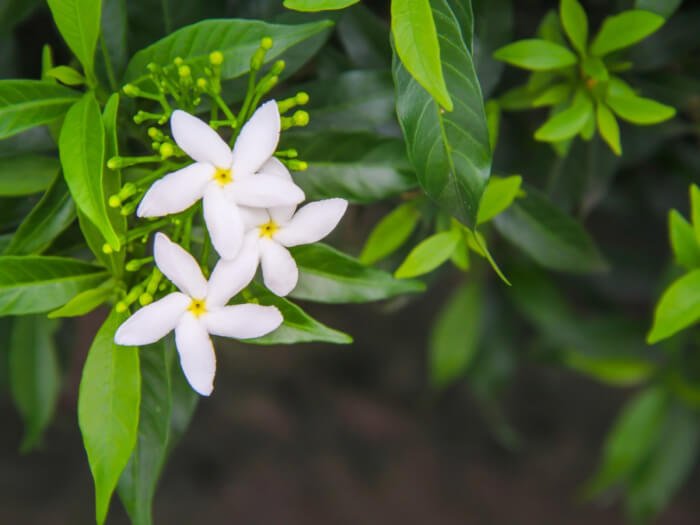
Scent: Intensely sweet and exotic.
Uses: Relieves stress and lifts mood—great for evening gardens.
Best Type: Choose night-blooming jasmine for late fragrance.
15. Dianthus
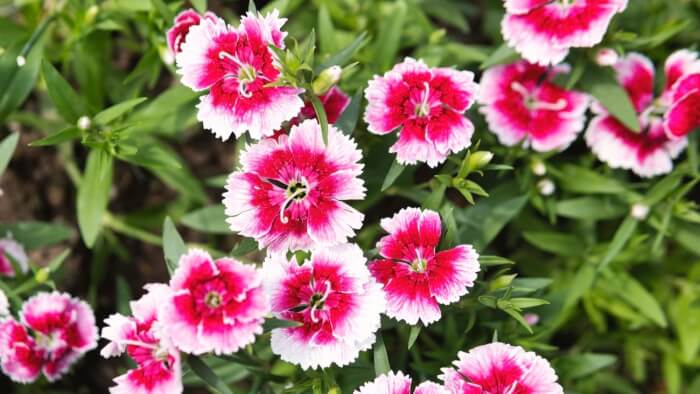
Scent: Spicy clove or cinnamon.
Look: Frilled pink, red, or white flowers.
Planting Tip: Needs well-drained soil and plenty of sun.
16. Oriental Lily
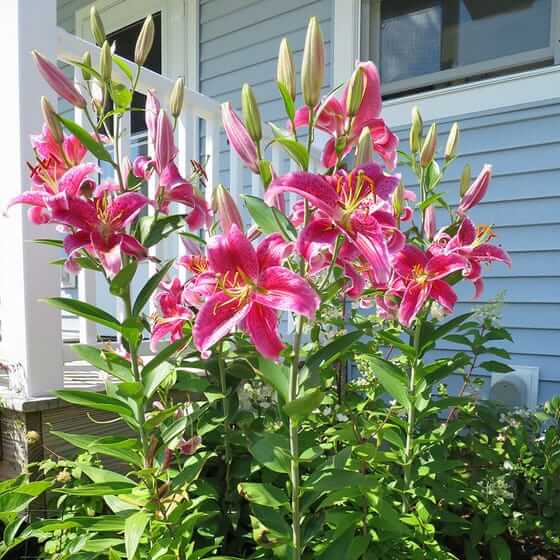
Scent: Strong and heady, especially at dusk.
Flower Tip: Stunning in cut flower arrangements.
Warning: Toxic to cats—avoid planting near pets.
17. Nicotiana (Flowering Tobacco)
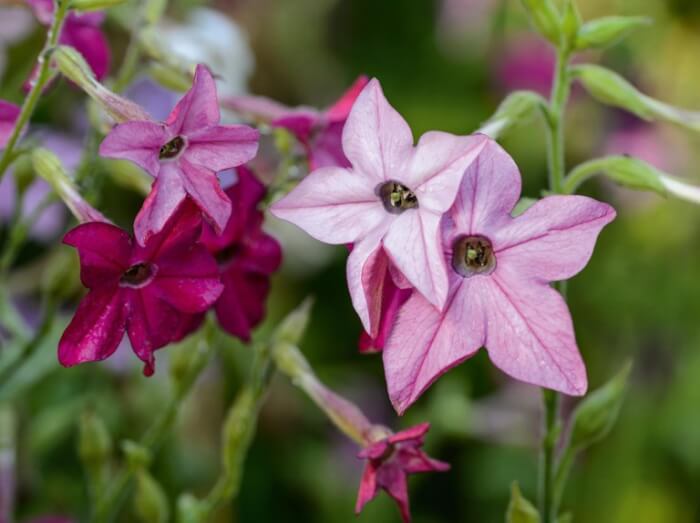
Scent: Heavy, sweet, especially in the evening.
Colors: Whites, pinks, purples.
Night Tip: Best planted near patios for night enjoyment.
18. Calendula (Calendula officinalis)
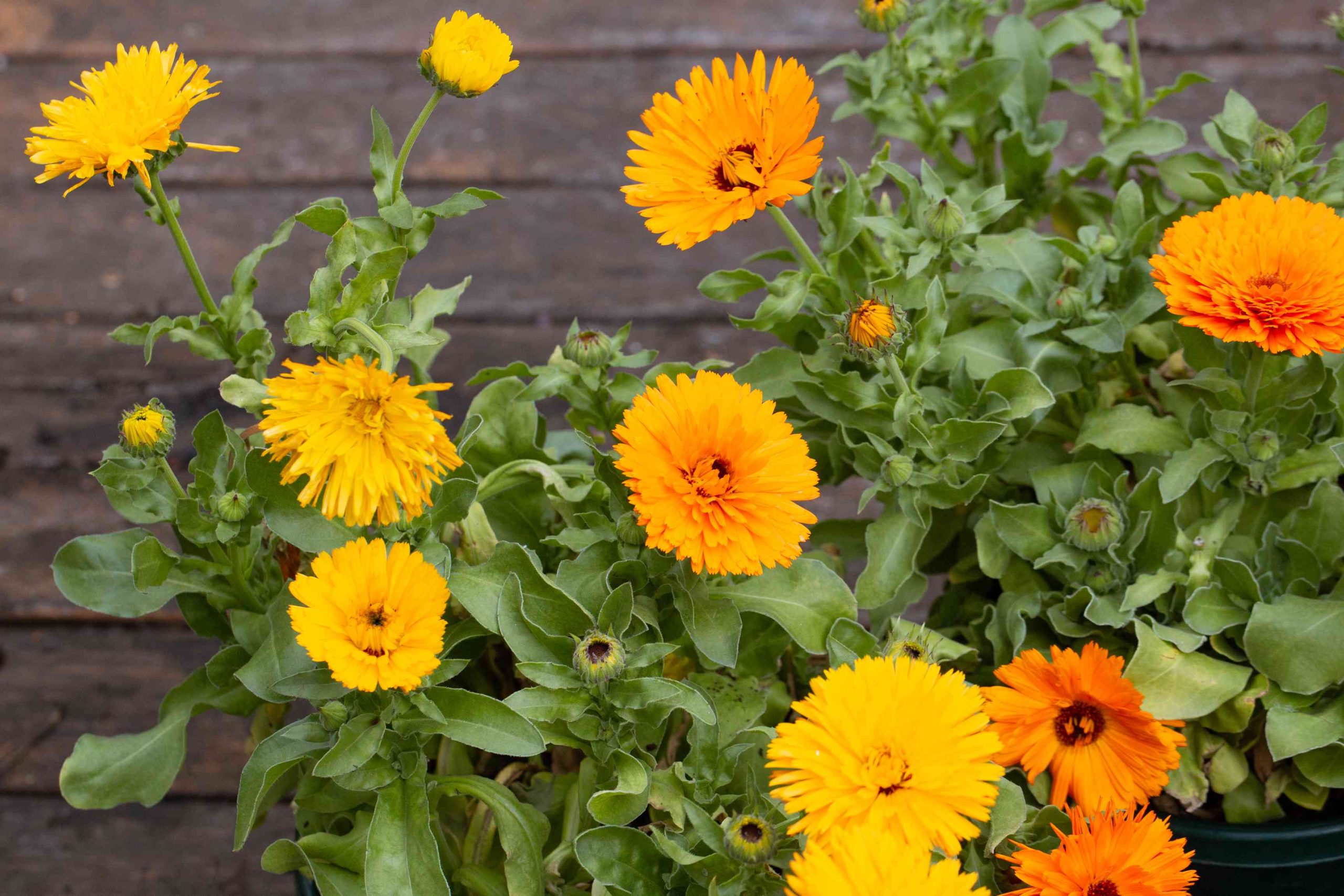
Scent: Slightly musky, resinous.
Bonus: Great for skin care—used in salves and creams.
Planting Tip: Reseeds easily; loves sun.
19. Juniper (Juniperus spp.)
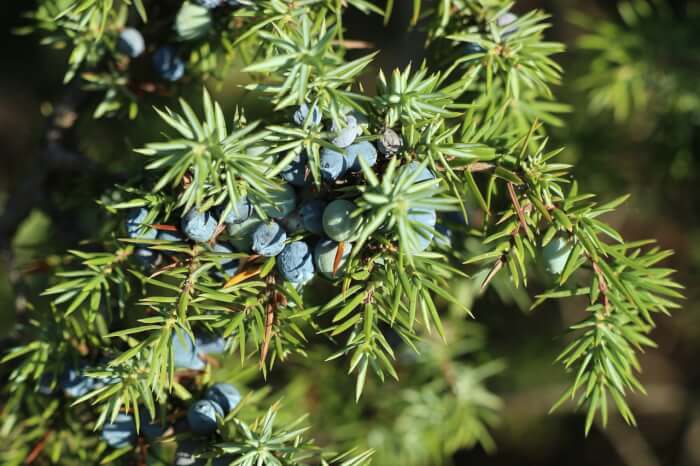
Scent: Sharp, spicy, resinous.
Use: Great for hedging and windbreaks.
Extra Tip: The berries are used to flavor gin!
Final Notes for a Fragrant Garden
Combine herbs and flowers strategically so something is always blooming.
Choose spots near windows, patios, and paths for maximum sensory enjoyment.
Regular deadheading and pruning will help keep your garden vibrant and aromatic.
Whether you want relaxation, beauty, culinary uses, or pest control—fragrant plants can offer it all. Just plant, enjoy, and let nature do the rest.
