
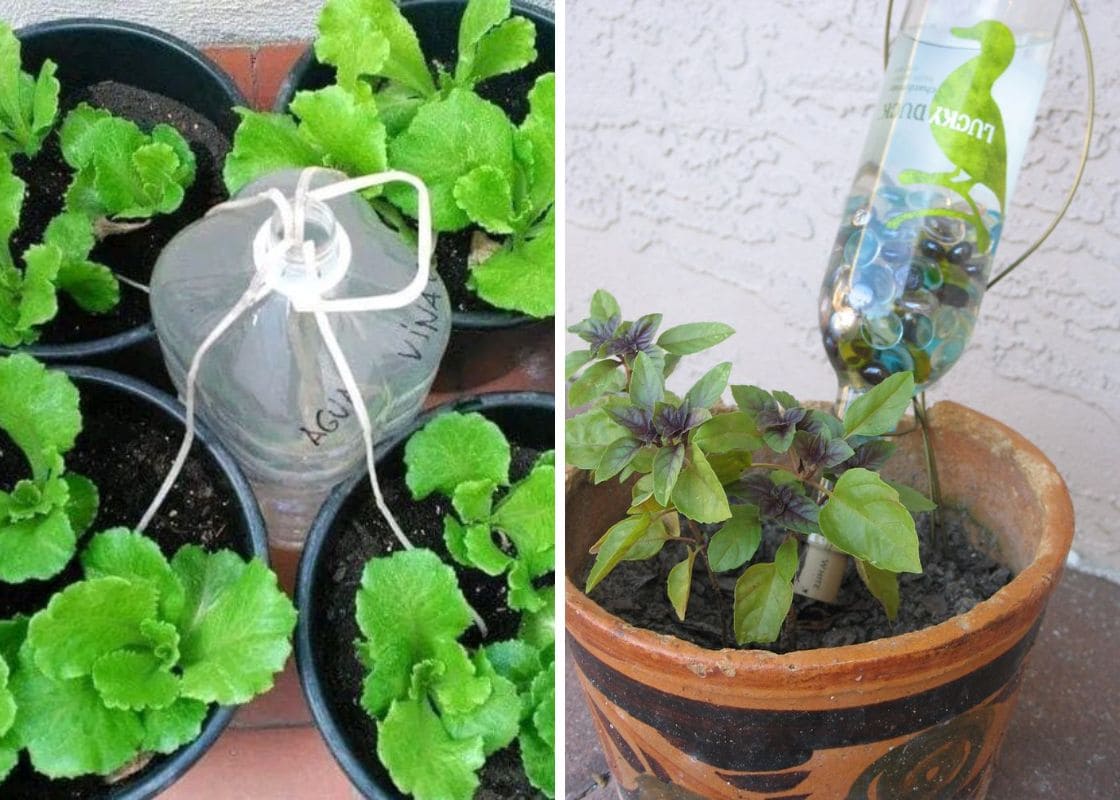
Ever had to leave town for a couple of weeks and returned to a garden full of wilted, thirsty plants? You’re not alone—and the good news is, it’s avoidable.
Whether you’re taking a vacation, handling a packed schedule, or just trying to reduce your water usage, you can still keep your plants hydrated. The secret lies in creating slow-release watering systems using everyday items you probably already have at home.
Here are five clever and effective methods to keep your garden lush for up to a month—even in hot weather.
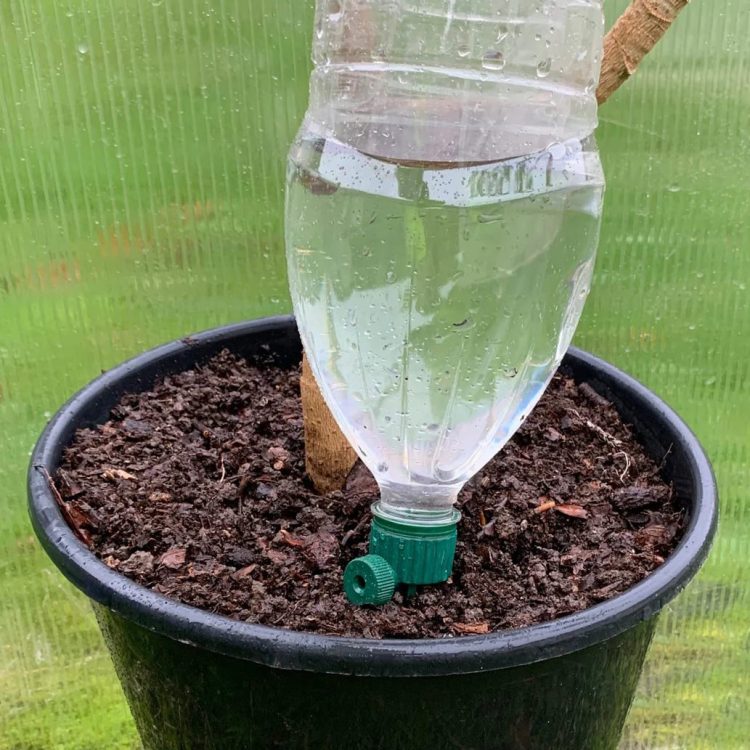
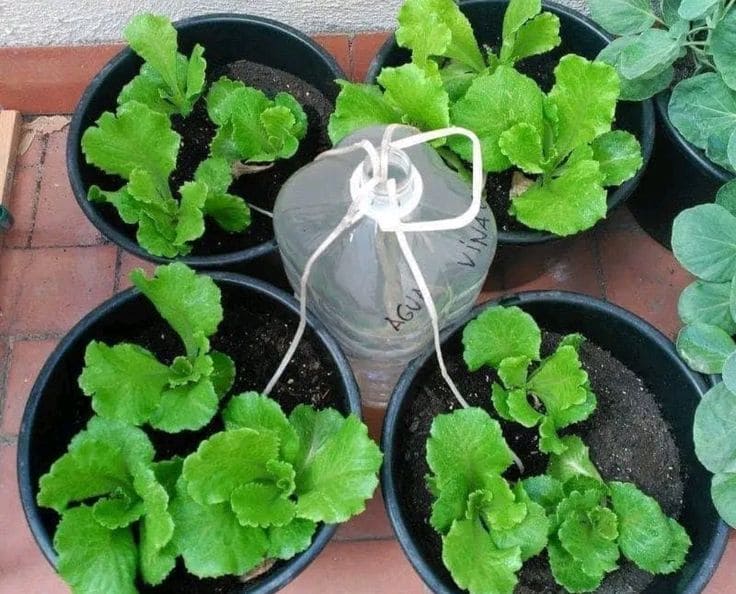
1. Plastic Bottle Drip System – The DIY Drip Irrigation
Why It Works: This simple method delivers water directly to the root zone at a steady rate, helping prevent both over- and under-watering. Great for veggies, container gardens, and even indoor plants.
Materials Needed:
1-2 liter plastic bottles (1 per plant)
Sharp nail or knife
Water
Instructions:
Poke 2–3 small holes near the bottom of the bottle.
Fill it with water and loosely screw on the cap to moderate airflow.
Bury it upside-down next to your plant’s root zone, leaving the cap above the soil.
Extra Tip: Add a pinch of slow-release fertilizer to the bottle for dual watering and feeding. Also, partially freeze the water inside the bottle before use to extend the release time even more.
2. Wicking System – Continuous Hydration on Autopilot
Why It Works: Wicking mimics how roots draw moisture naturally from deeper soil layers. Perfect for small spaces or raised beds.
Materials Needed:
Bucket or large bowl
Cotton rope, old T-shirt strips, or mop strings
Scissors
Instructions:
Place the water container near your plants and fill it.
Cut your wicks long enough to reach from the water source to the plant’s base.
Push one end deep into the soil, and place the other into the bottom of the water container.
Bonus Tip: Elevating the water container slightly improves the wicking effect due to gravity. For larger containers, use multiple wicks for consistent hydration.
3. Mulch – Nature’s Moisture Blanket
Why It Works: Mulch reduces evaporation, keeps soil cool, and nourishes the ground as it breaks down.
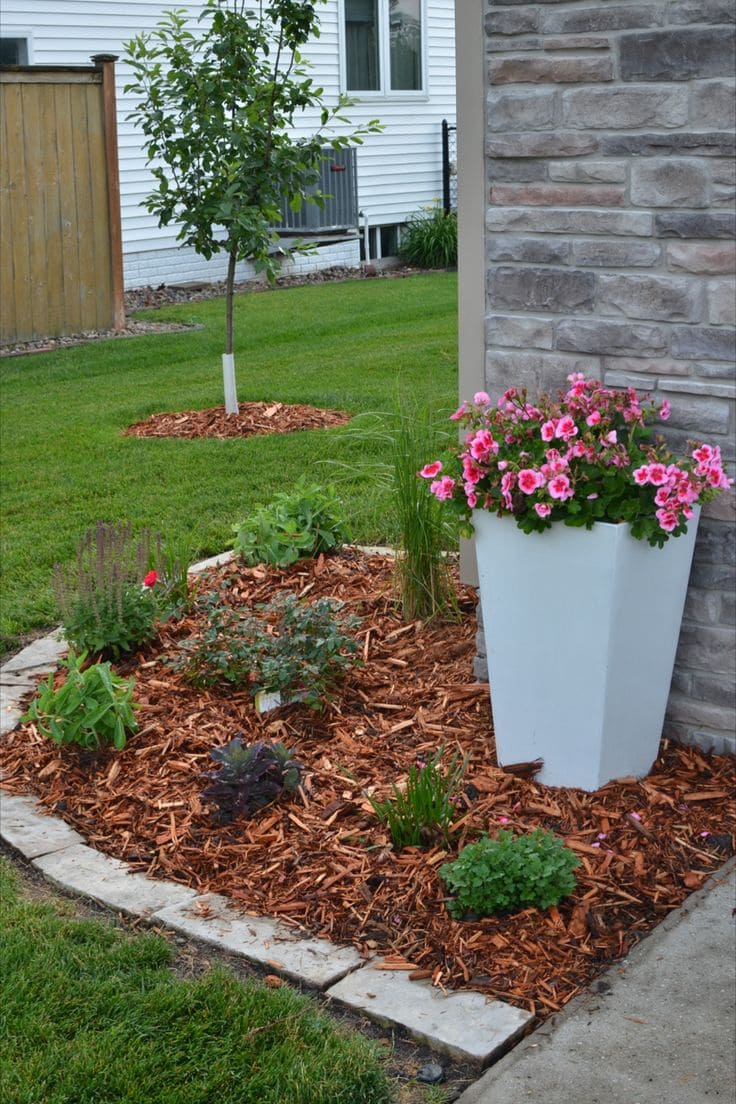
Best Mulch Options:
Straw or hay
Shredded bark
Dry leaves or grass clippings
Cardboard or newspaper (avoid glossy print)
Instructions:
Thoroughly soak the soil before applying mulch.
Spread a 2–4 inch layer around the plant base (without touching the stem).
Gently water the mulch layer to help it settle and lock in moisture.
Pro Tip: Add a layer of compost beneath the mulch for added nutrients and microbial health while you’re away.
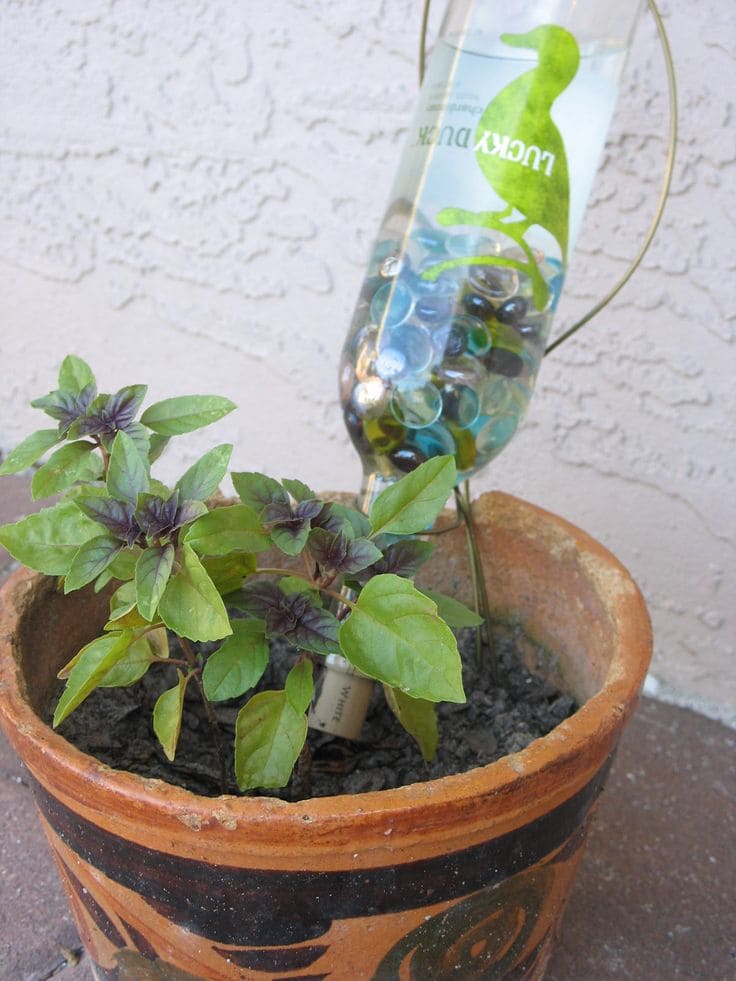
4. Wine Bottle Watering – Elegant and Eco-Friendly
Why It Works: Thicker glass bottles release water more slowly than plastic, making them ideal for houseplants and delicate flowers.
Materials Needed:
Cleaned wine bottle
Optional: drill or nail + hammer for a slow-drip cap
Instructions:
Fill the bottle fully with water.
(Optional) Create a tiny hole in the cap for slower release.
Insert the bottle neck-down into the soil, ensuring it’s stable.
Extra Tip: Use colored bottles to reduce algae buildup from sun exposure. This method is great for succulents and herbs on balconies too.
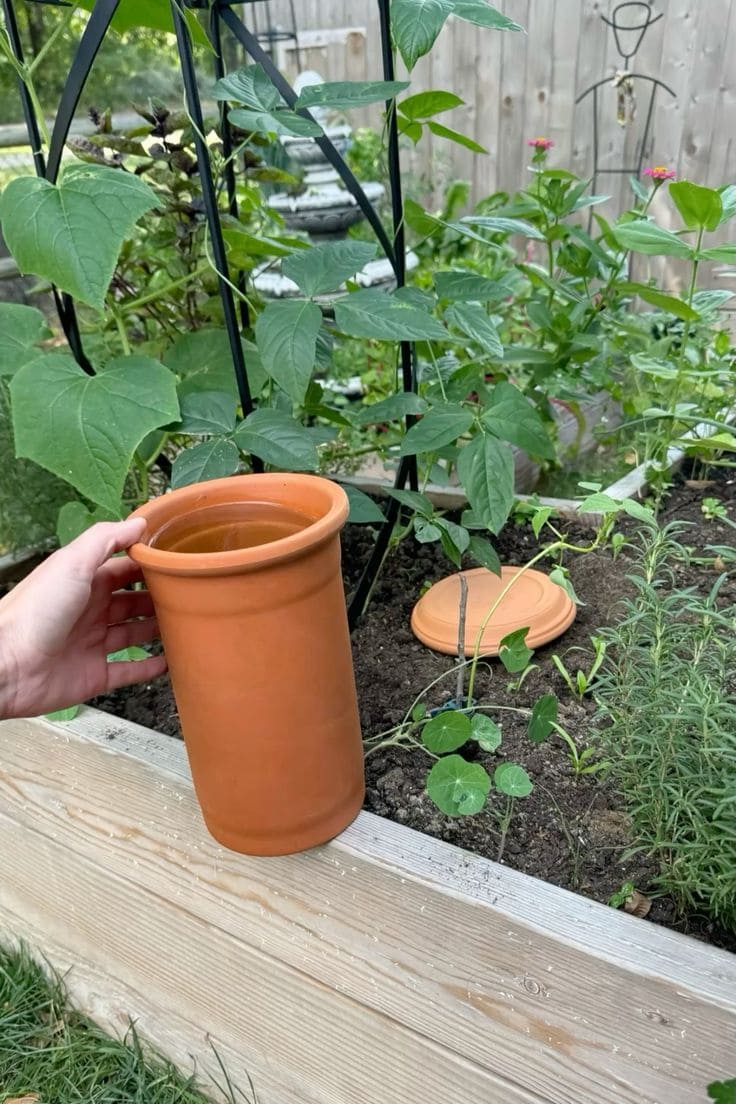
5. Olla System – Ancient Technique, Modern Benefits
Why It Works: This centuries-old technique delivers water only when the surrounding soil is dry, minimizing waste and root rot risk.
Materials Needed:
Unglazed terracotta pot (with a drainage hole)
Lid or small saucer
Water
Instructions:
Dig a hole and bury the pot with the top just above soil level.
Fill it with water and cover the opening.
Water will gradually seep out and hydrate surrounding roots.
Upgrade Option: If you don’t have a clay pot, bury two smaller pots base-to-base with the bottom sealed and the top open to mimic an olla.
Bonus: Combine Methods for Extended Coverage
To extend moisture even further:
Pair mulch with any other method.
Use ollas in large garden beds and bottle systems in pots.
Add moisture-retaining crystals or hydrogel to potting mix before leaving.
Final Words
You don’t need expensive irrigation timers or elaborate setups to keep your plants happy while you’re away. With a little creativity and preparation, your garden can survive—and even thrive—without daily attention.
Try combining one or more of these techniques depending on your plant types and garden size. Your future self (and your flourishing plants) will thank you!
