
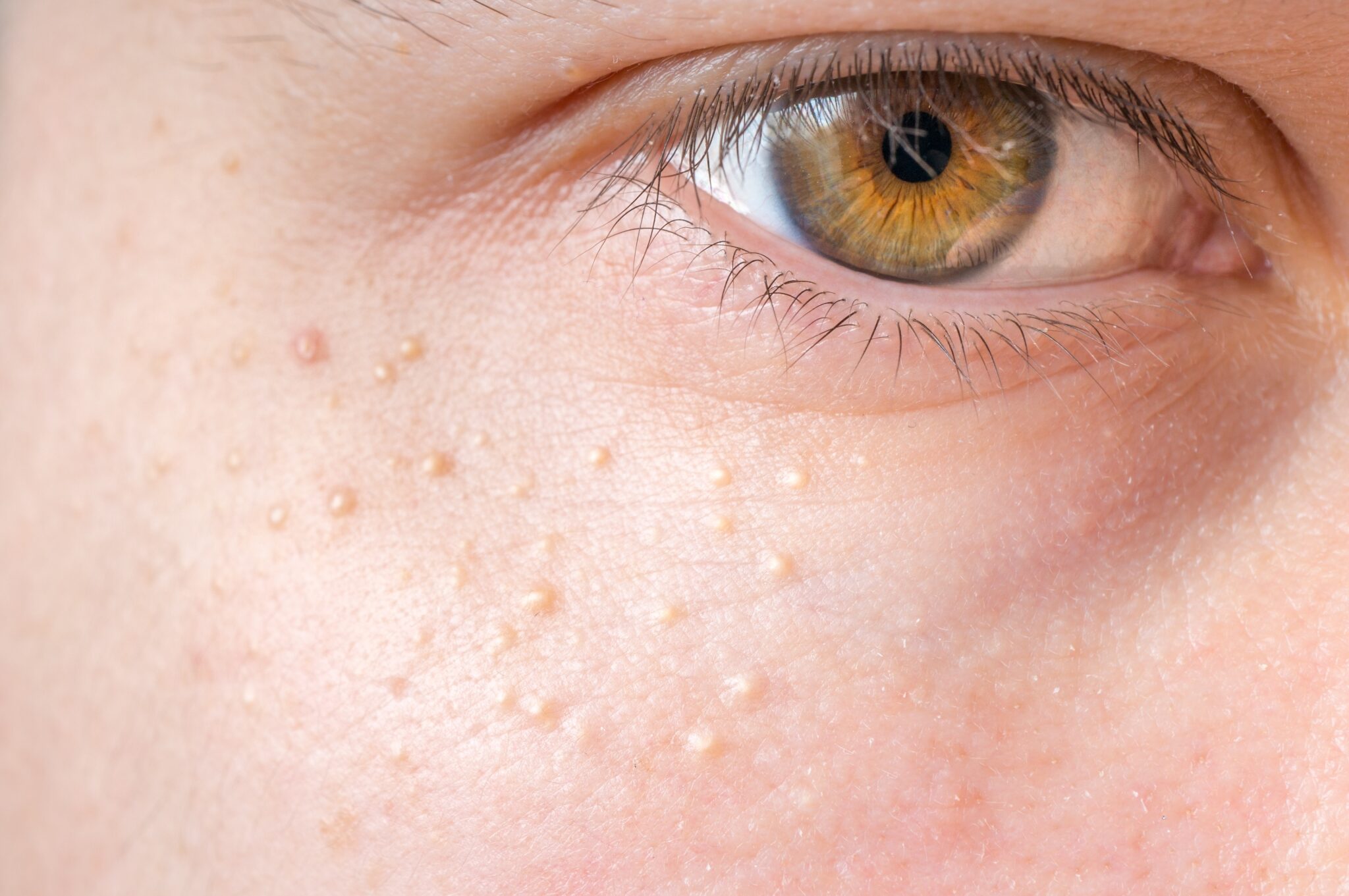
Small white cysts under the skin—often referred to as milia—are a common skin concern that can appear on the face, especially around the eyes, cheeks, or forehead. Though harmless, they can be frustrating due to their appearance and persistence. Unlike pimples, these cysts are not caused by bacteria or clogged pores but rather by trapped keratin beneath the skin’s surface. Here’s a comprehensive guide on what they are, why they form, and how to safely remove them.
What Are These White Cysts?
Milia are tiny, hard, white bumps that look like whiteheads. However, they are fundamentally different. They’re made of keratin, a protein found in skin tissue, hair, and nail cells. These cysts form when keratin gets trapped under the skin due to poor exfoliation, skin damage, or even heavy skin-care products.
They’re most commonly found in:
Newborns (often disappear naturally)
Adults with sun damage or thick skincare products
People recovering from skin trauma (burns, rashes, or certain procedures)
Why You Shouldn’t Pop Them
Many people try to pop or squeeze milia, but this often makes the problem worse. Milia don’t have an opening to the surface of the skin like pimples do. Picking at them can lead to:
Skin irritation
Scarring
Infection
Instead, opt for gentle and effective treatment options that actually address the root cause.

How to Remove Milia Safely
1. Gentle Exfoliation
Use a chemical exfoliant that contains alpha-hydroxy acids (AHAs) like glycolic acid or beta-hydroxy acids (BHAs) such as salicylic acid. These help slough off dead skin cells and prevent new cysts from forming.
2. Retinoid Creams
Topical retinoids (such as tretinoin or adapalene) help accelerate skin cell turnover, making it easier for the cysts to dissolve naturally over time. Start slowly to avoid irritation, especially around sensitive areas like the eyes.
3. Avoid Heavy Skincare Products
Rich creams, oil-based products, or makeup that clogs pores can contribute to the formation of milia. Switch to non-comedogenic, lightweight moisturizers and sunscreens.
4. Professional Extraction
If the milia don’t go away or you want faster results, consult a dermatologist. Professionals use sterile tools to safely lance and extract the cysts without causing damage or scarring.
5. Home Remedies (with Caution)
Some natural options like honey masks or steam treatments can soften the skin and help milia surface more easily. However, these methods are slow and not always effective on deeper cysts.
Preventing Milia in the Future
Cleanse your face daily with a gentle, pH-balanced cleanser
Exfoliate 1–2 times a week using chemical exfoliants
Wear sunscreen daily to prevent sun-related skin thickening
Keep your skincare routine minimal and suited for your skin type
Final Thoughts
While milia are harmless, they can be stubborn. The key to removing them lies in patience, consistency, and choosing the right treatment. Avoid squeezing or scratching the skin, and when in doubt, seek help from a skin care professional. With the right approach, you can restore a smoother, clearer complexion without damaging your skin.
