
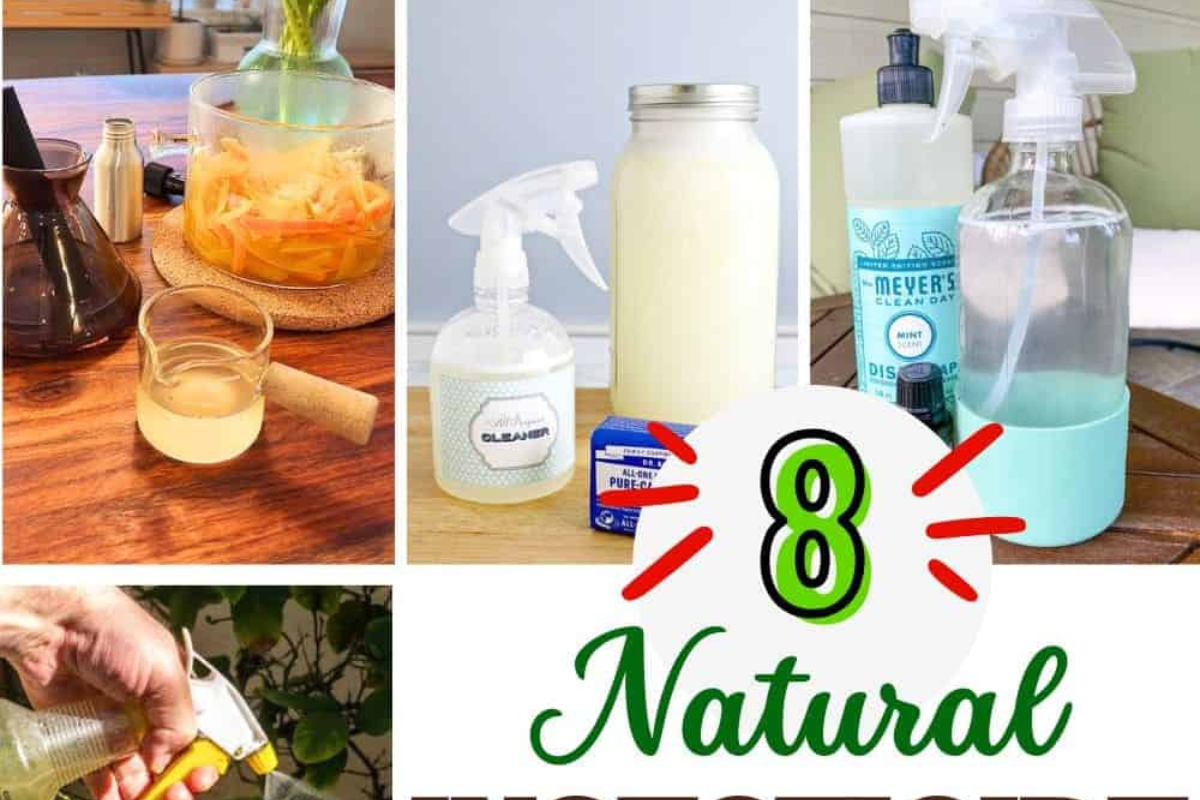
Have you ever found your beloved garden under siege by aphids, mites, or mealybugs? I know the frustration — after years of trial and error, I discovered that the most effective pest control isn’t found on store shelves, but in our kitchens and gardens.
These natural homemade insecticides are not only safe for pollinators and pets but also eco-friendly and budget-conscious. Here are my most trusted, time-tested recipes — enhanced with deeper insights and extra tips to maximize their impact.
1. Garlic Spray — Nature’s Defense Shield
Why it works: Garlic contains allicin, a natural sulfur compound that confuses insects’ sensory receptors and repels them without killing beneficial insects.
Ingredients:
3 cloves of garlic
1 liter of water
1 tsp neutral soap (like Castile)
How to Use:
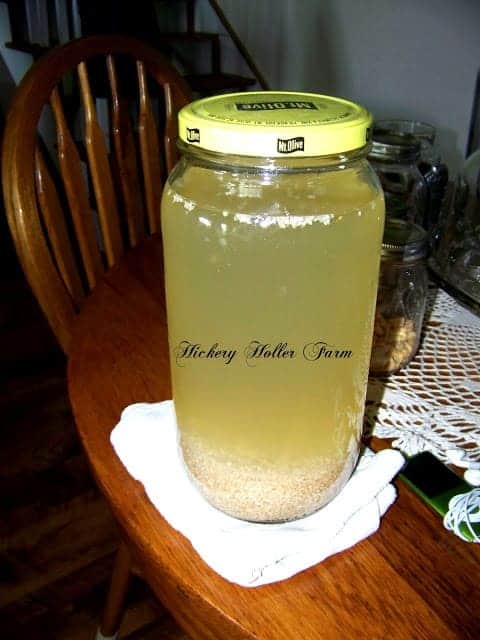
Crush the garlic, mix with water, and let sit overnight. Strain, add soap, then spray under leaves.

Safety Tip: Avoid applying under direct sun to prevent leaf burn.
Bonus Tip: Plant garlic near roses and tomatoes for continuous protection.
2. Castile Soap Spray — Gentle Yet Lethal for Pests
Why it works: Soap dissolves the protective outer shell of soft-bodied pests like aphids, leading to dehydration.
Ingredients:
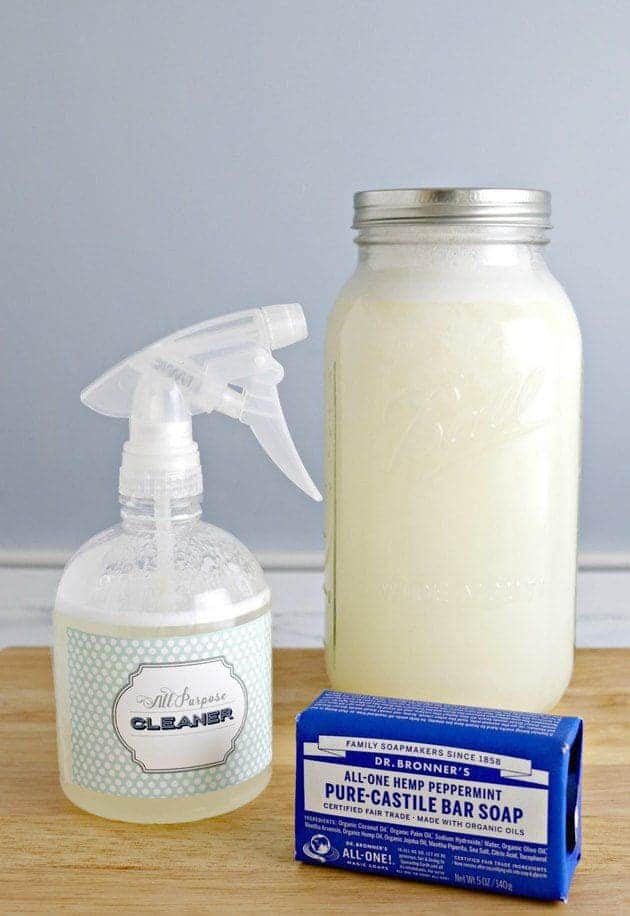
1 tbsp liquid Castile or potassium soap
1 liter of water
How to Use: Mix and spray on leaves, stems, and pests directly.
Safety Tip: Always rinse plants with water after 24 hours to prevent soap buildup.
Bonus Pairing: Use on herbs like basil or mint — it’s mild enough to avoid leaf damage.
3. Chili & Pepper Spray — Fiery Repellent for Chewing Insects
Why it works: Capsaicin creates an unbearable sensation on insects’ skin and mouthparts, driving them away.
Ingredients:
1 tbsp chili powder
1 liter hot water
1 tsp neutral soap
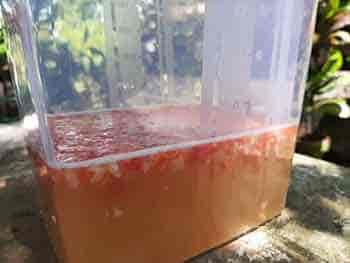
How to Use: Steep chili in hot water for 2–4 hours. Strain and add soap.
Safety Tip: Wear gloves and eye protection. Don’t use on windy days!
Best Against: Caterpillars, beetles, slugs, and grasshoppers.
4. Neem Oil Spray — The Organic All-Rounder
Why it works: Neem contains azadirachtin, which acts as a hormone disruptor and antifeedant for over 200 pests.
Ingredients:
2 tsp neem oil (cold-pressed preferred)
1 liter water
1 tsp mild soap
How to Use: Mix and spray every 7–14 days.
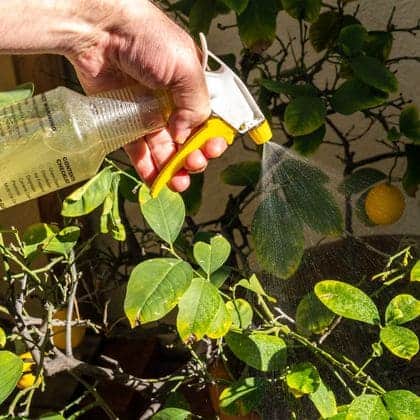
Safety Tip: Avoid flowering periods to protect pollinators.
Bonus Pairing: Use alongside basil or calendula to enhance pest resistance.
5. Isopropyl Alcohol Spray — Quick Knockout for Stubborn Pests
Why it works: Alcohol penetrates and dehydrates the insect’s body, killing it within minutes.
Ingredients:
1 part isopropyl alcohol (70%)
1 part water
How to Use: Spray directly on pests. Test on one leaf first!
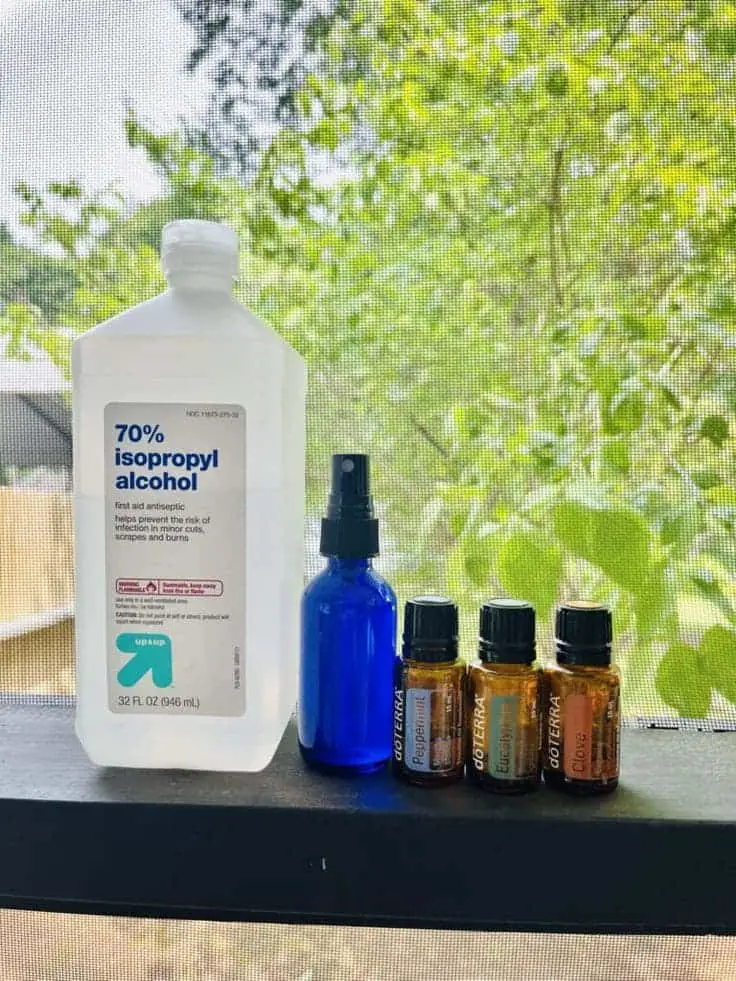
Caution: Never use on hairy or delicate plants like ferns or African violets.
Best For: Scale insects, mealybugs, mites.
6. Citrus Peel Spray — A Fragrant and Safe Repellent
Why it works: Citrus peels contain limonene, which deters pests and disrupts their respiratory system.
Ingredients:
Peels from 4–5 lemons/oranges
1 liter hot water
How to Use: Soak for 24 hours, strain, and spray generously.

Bonus Use: Also keeps cats away from your seedlings!
Best For: Whiteflies, aphids, gnats.
7. Mint & Rosemary Spray — Herbal Protection
Why it works: These herbs contain menthol and camphor, which repel flying insects and mites.
Ingredients:
A handful of mint leaves
A handful of rosemary
1 liter of water
How to Use: Boil herbs for 10–15 min, cool, strain, and spray.
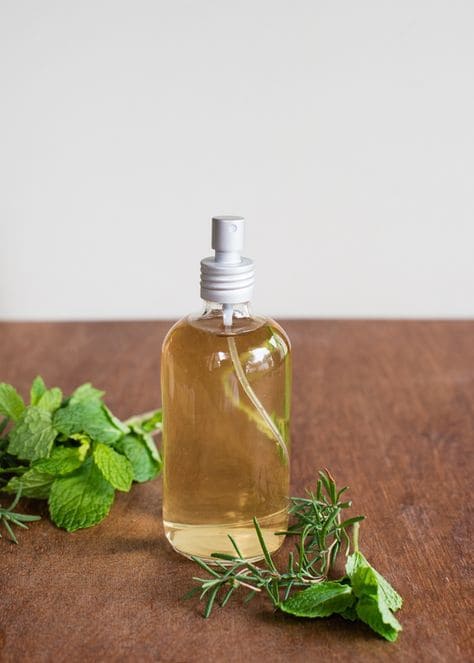
Extra Tip: Can be sprayed indoors — it leaves a refreshing scent!
Best For: Mosquitoes, spider mites, aphids.
8. Vinegar Solution — The Fast-Acting Ant and Aphid Killer
Why it works: The acidity of vinegar damages the protective exoskeleton of insects.
Ingredients:
1 part white vinegar
3 parts water
How to Use: Spray directly onto pests or problem areas.
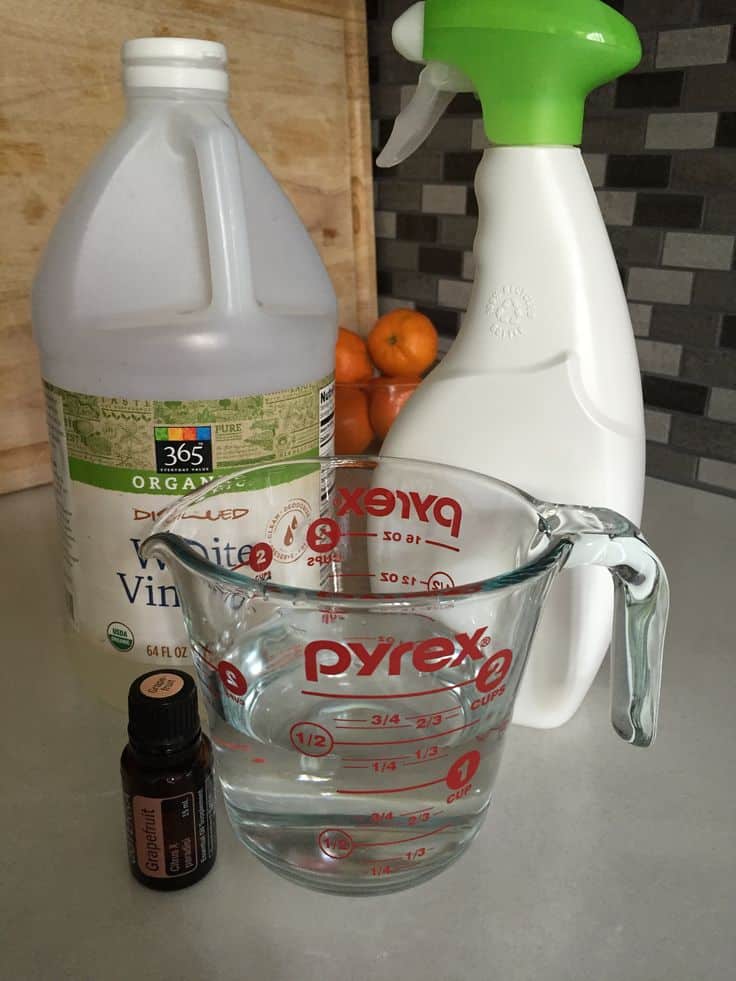
Warning: Don’t use on tender plants or newly planted seedlings.
Best Use: Around pots and patio edges — not on garden beds.
Final Tips for Success
Rotate recipes: Don’t use the same solution every week — it reduces pest resistance.
Test first: Always test a small leaf before spraying the whole plant.
Use early or late: Spray in the early morning or evening to avoid harming pollinators or scorching leaves.
By incorporating these natural sprays into your routine, you’ll reduce chemical use, encourage beneficial insects, and promote a vibrant, healthy garden.
