
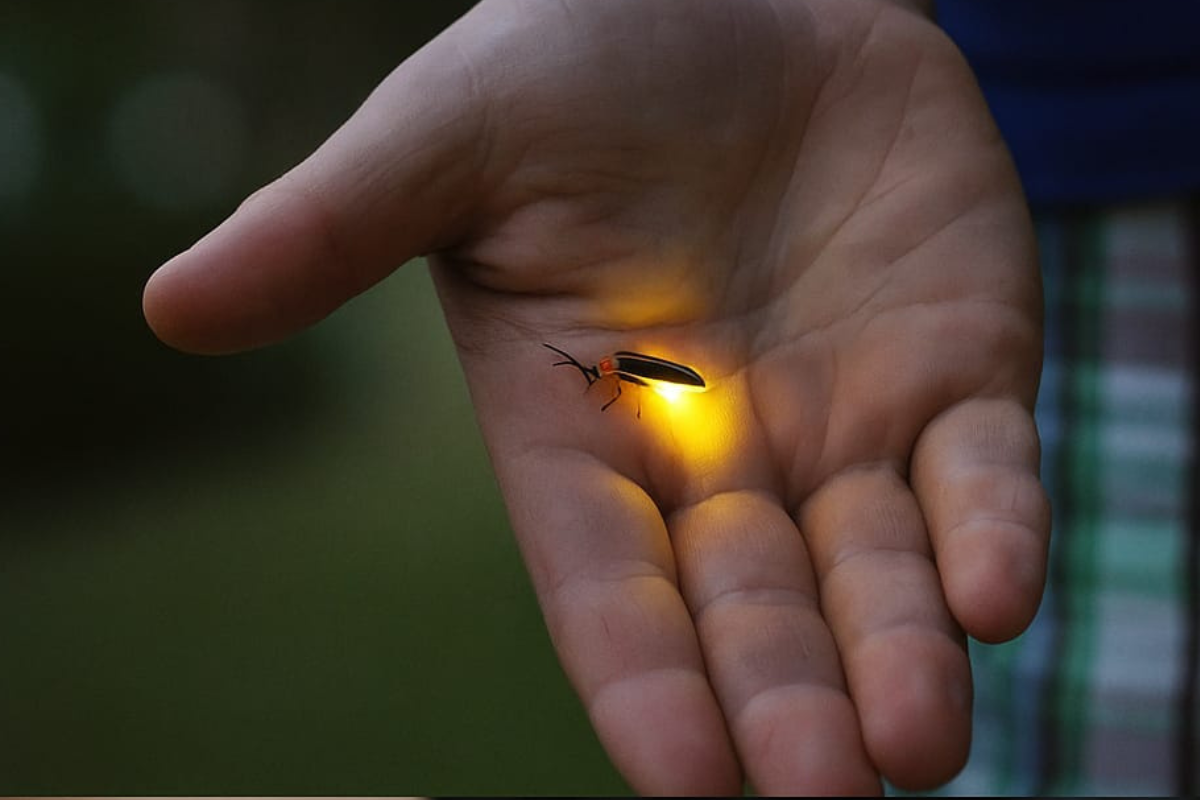
If you’ve ever sighed at the sight of chewed-up leaves or wilted flowers and wished for a helping hand in your garden—you’re in luck. Help has been there all along, crawling, flying, and hovering quietly, making sure your plants thrive and your pests don’t.
These unsung six-legged allies are beneficial insects, nature’s pest control, pollinators, and ecosystem balancers. Once you understand who they are, how they work, and how to attract them, your garden becomes less of a battleground and more of a living, thriving system.
1. Ladybugs (Coccinellidae)
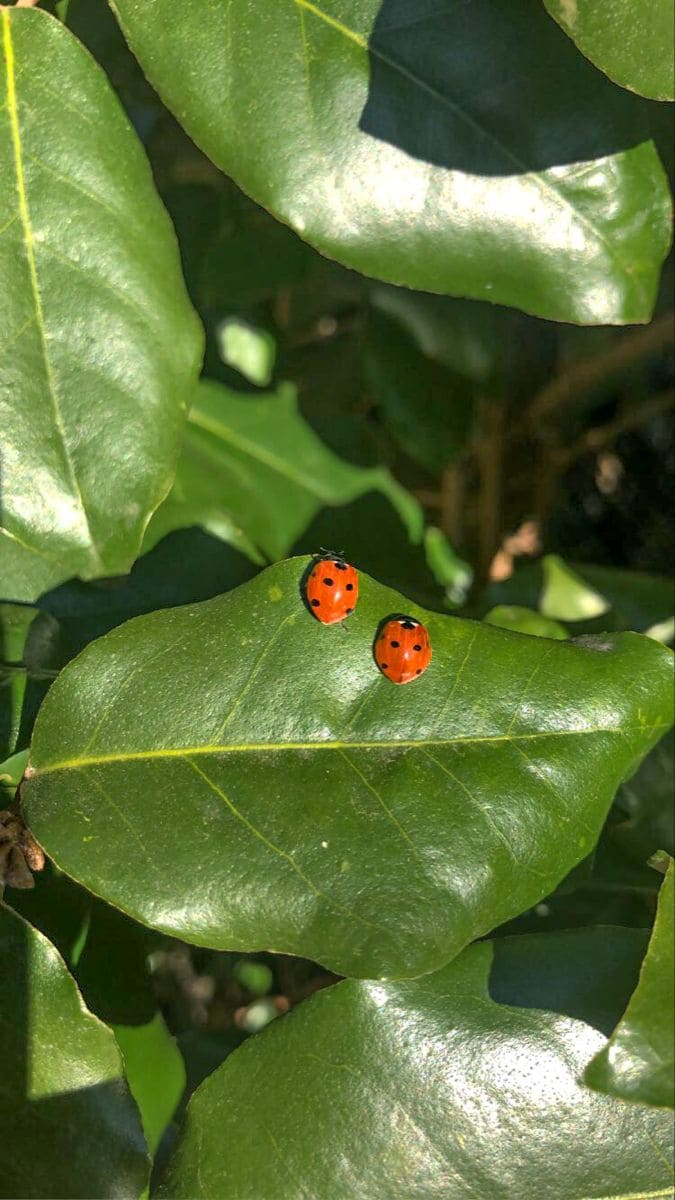
Targets: Aphids, whiteflies, spider mites, scale insects
Most Effective Stage: Larvae and adults
How to Attract: Dill, fennel, cilantro, marigolds; minimize pesticide use
Ladybugs aren’t just cute—they’re lethal (to pests). A single ladybug larva can devour hundreds of aphids in its short life. Adults continue the carnage, patrolling for soft-bodied invaders.

Extra Tip: Provide overwintering shelters like hollow stems or leaf piles. Ladybugs hibernate in clusters and will return each year if the environment feels safe.
2. Green Lacewings (Chrysopidae)
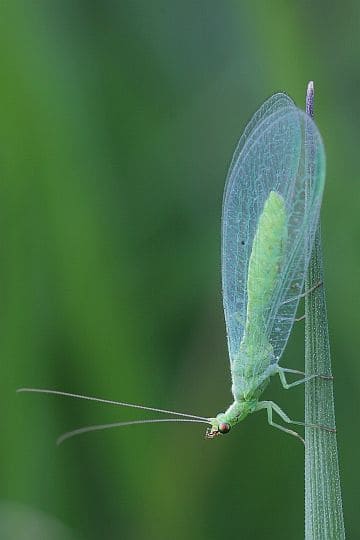
Targets: Aphids, mealybugs, thrips, whiteflies, scale
Most Effective Stage: Larvae
How to Attract: Cosmos, dill, yarrow, angelica
Lacewing larvae, aka “aphid lions,” clamp onto their prey and suck them dry. Adults feed on pollen and nectar.
Extra Tip: Purchase lacewing eggs online and release them in early spring. They’re excellent for controlled aphid infestations in greenhouses too.
3. Hoverflies (Syrphidae)
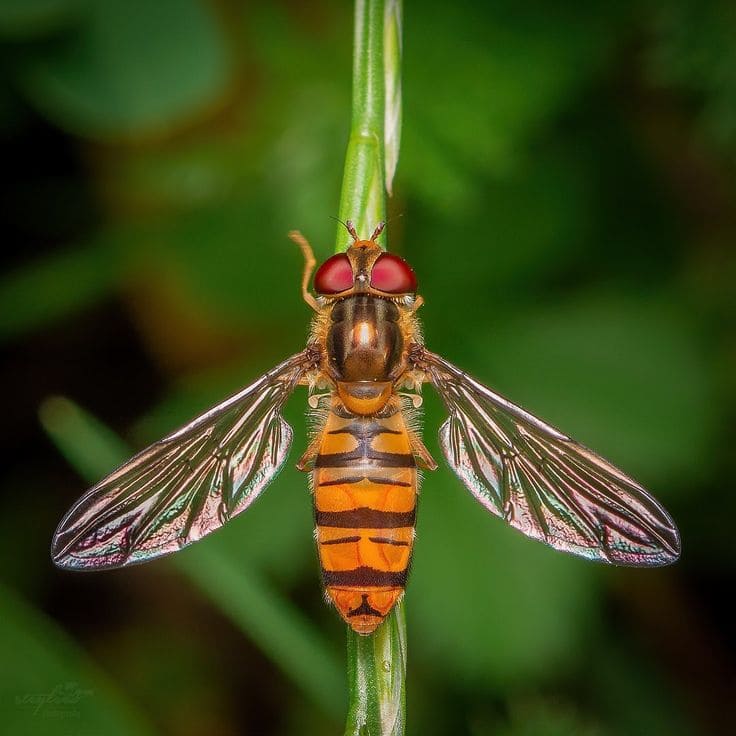
Targets: Aphids, mealybugs, scale
Most Effective Stage: Larvae
How to Attract: Alyssum, calendula, yarrow, dill
Hoverflies look like bees but don’t sting. Adults are fantastic pollinators; larvae are small but fierce aphid hunters.
Extra Tip: Leave some flowering weeds (like chickweed or dandelions) early in the season. They provide the first nectar sources before annuals bloom.
4. Parasitic Wasps (e.g., Trichogramma, Aphidius)
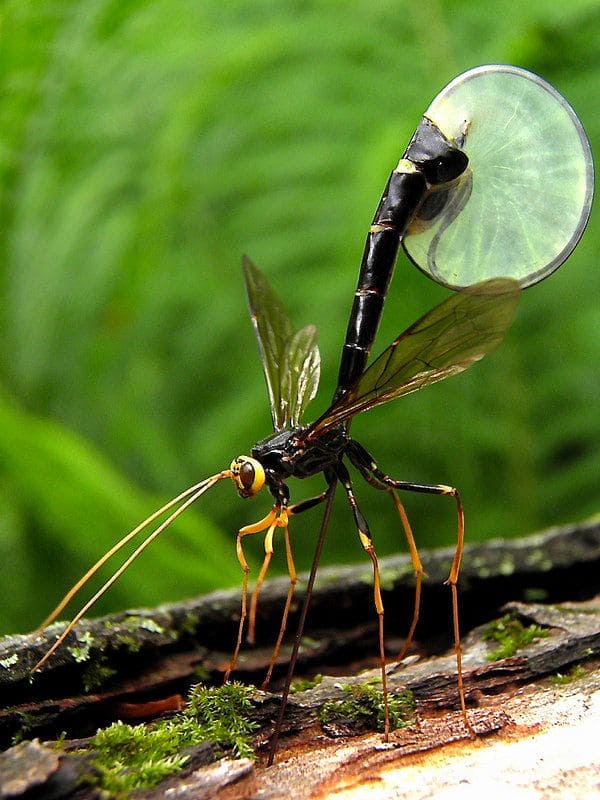
Targets: Caterpillars, aphids, whiteflies, leafminers
Most Effective Stage: Adult (lays eggs in/near pests)
How to Attract: Fennel, Queen Anne’s lace, dill, coriander
Tiny and often unseen, parasitic wasps target pests from the inside out. Many are species-specific, ideal for integrated pest management.
Extra Tip: Avoid tilling the soil heavily—many wasps pupate in soil and won’t survive if disturbed.
5. Ground Beetles (Carabidae)
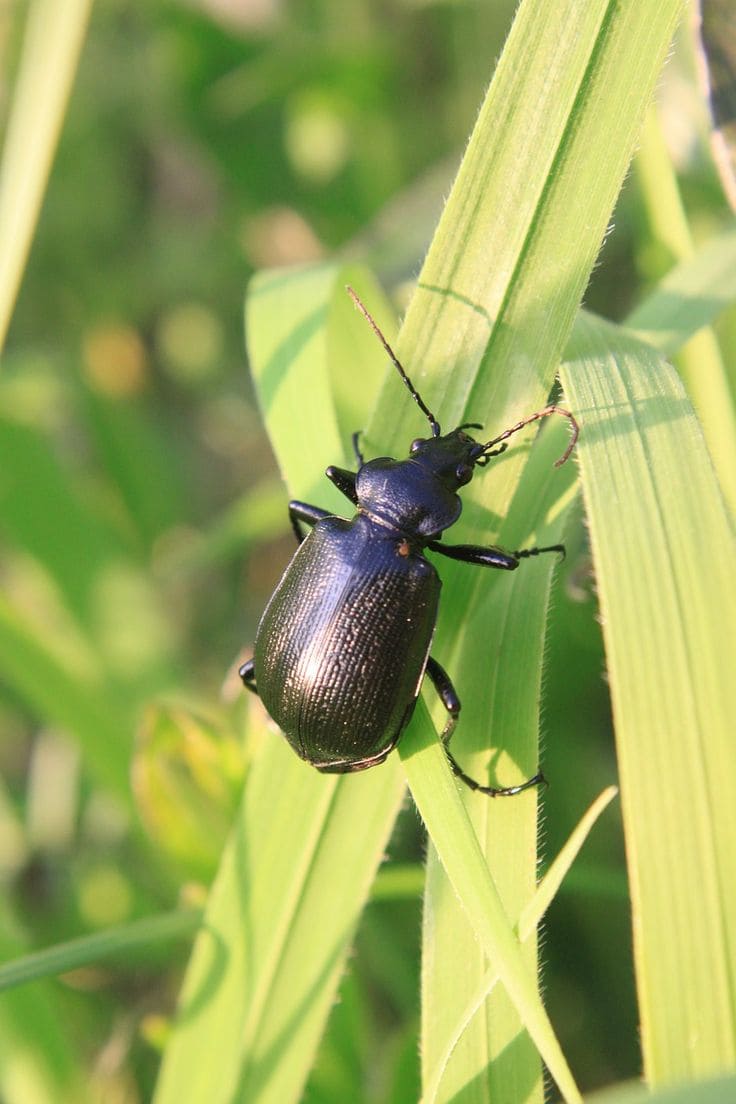
Targets: Slugs, cutworms, caterpillars, maggots
Most Effective Stage: Both
How to Attract: Mulch, logs, stones, ground cover
These night-stalking predators are powerful allies in pest-heavy beds and vegetable gardens.
Extra Tip: Install a beetle bank—a strip of undisturbed grassy area—at the edge of your garden. It serves as a habitat for breeding.
6. Praying Mantises (Mantodea)

Targets: Grasshoppers, flies, beetles, moths
Most Effective Stage: Adults
How to Attract: Tall grasses, shrubs, mixed-height vegetation
Praying mantises are generalist predators with voracious appetites. However, they’re indiscriminate and might eat butterflies and bees too.
Extra Tip: Avoid buying commercial mantis eggs unless native. Invasive species (like Tenodera sinensis) can disrupt local ecosystems.
7. Spiders (Araneidae, Salticidae, etc.)
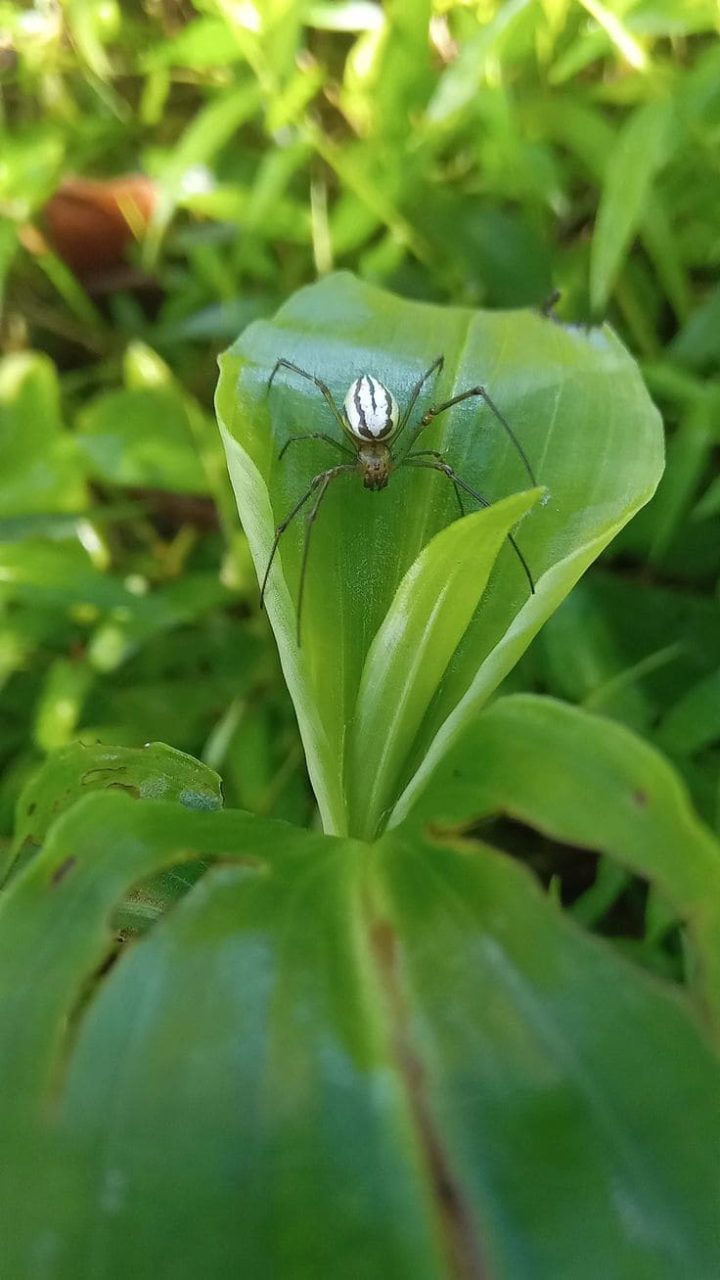
Targets: Mosquitoes, flies, gnats, moths
Most Effective Stage: All
How to Attract: Mixed vegetation, undisturbed corners
Spiders are patient and persistent. Some spin webs, others stalk and pounce. All reduce flying pests.
Extra Tip: Let them be. Destroying webs removes their effort and discourages them from returning.
8. Tachinid Flies (Tachinidae)
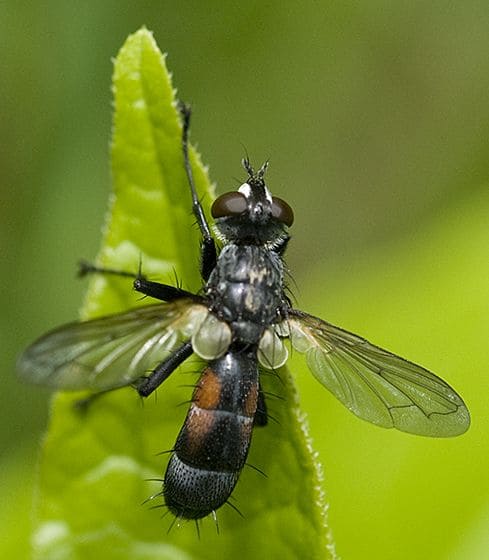
Targets: Caterpillars, squash bugs, beetles
Most Effective Stage: Larvae
How to Attract: Buckwheat, mint, wild carrot, yarrow
They may look like houseflies, but their larvae feed inside pests, killing them from within.
Extra Tip: Don’t kill all flies indiscriminately. Tachinids often resemble hairy houseflies, but they’re your friends.
9. Minute Pirate Bugs (Orius spp.)
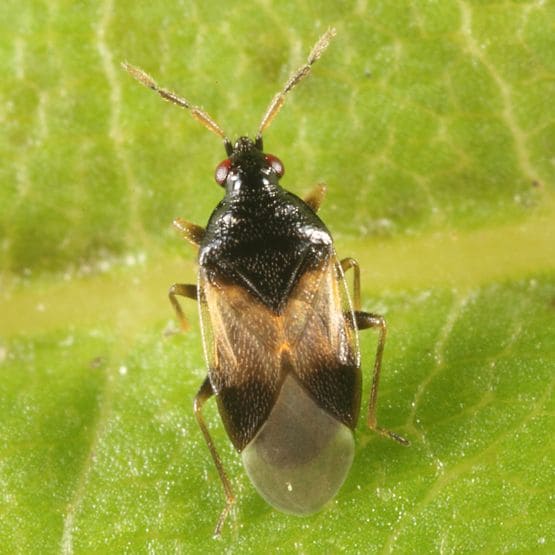
Targets: Thrips, insect eggs, mites
Most Effective Stage: All
How to Attract: Caraway, alfalfa, cosmos
Despite their tiny size, pirate bugs are effective in tight indoor spaces like greenhouses and poly tunnels.
Extra Tip: These bugs also help in early-season pest suppression, especially against spider mites and thrips.
10. Native Bees (e.g., Bombus, Osmia)
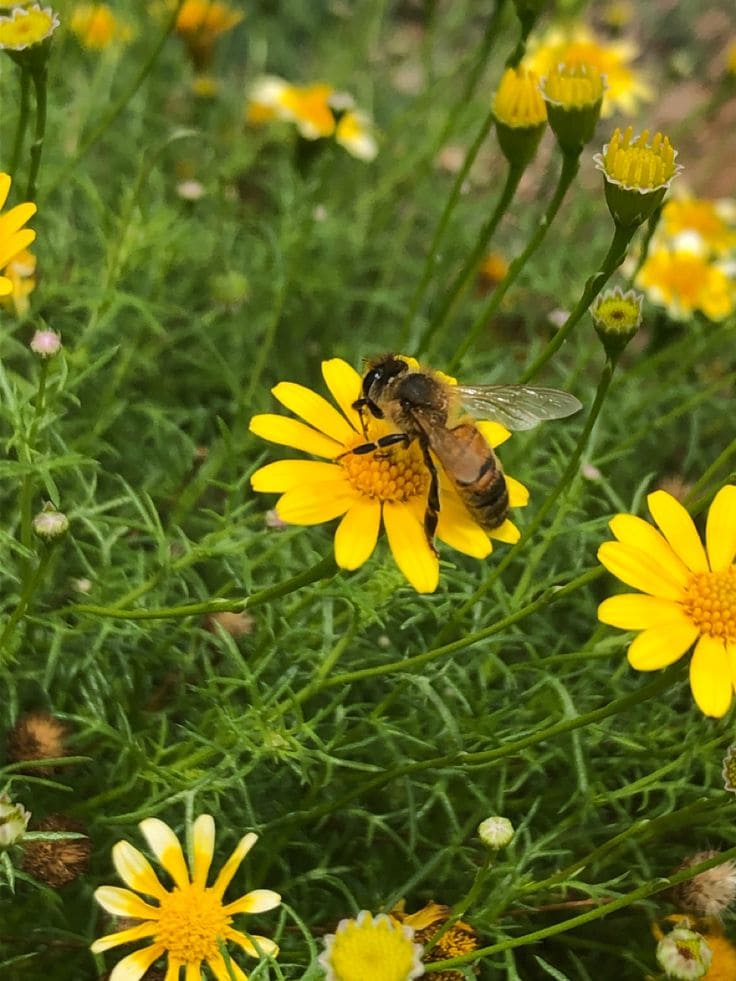
Targets: Not pests, but essential pollinators
Most Effective Stage: All
How to Attract: Native wildflowers, bee hotels, undisturbed ground
Solitary bees often outperform honeybees in pollinating tomatoes, squash, and berries.
Extra Tip: Avoid bark mulch in some areas—ground-nesting bees need direct soil access to dig tunnels.
11. Assassin Bugs (Reduviidae)
Targets: Aphids, beetles, caterpillars, flies
Most Effective Stage: All
How to Attract: Goldenrod, Queen Anne’s lace, sunflowers
Armed with piercing-sucking mouthparts, assassin bugs are fast and efficient. Some even camouflage to ambush their prey.
Extra Tip: Be cautious—some species may bite if handled. Still, they are harmless when left alone.
12. Damsel Bugs (Nabidae)
Targets: Aphids, caterpillars, leafhoppers, spider mites
Most Effective Stage: All
How to Attract: Alfalfa, legumes, fennel, mint
These fast-moving predators are especially helpful in late summer when many pests peak.
Extra Tip: Include legume cover crops in rotations—they help attract and sustain damsel bugs throughout the season.
Final Advice: How to Keep Beneficials Around
Avoid broad-spectrum pesticides: These kill beneficials as quickly as pests.
Create diverse habitats: Layered vegetation, pollinator-friendly plants, and undisturbed corners give insects a reason to stay.
Provide water: A shallow dish with pebbles gives small insects a safe drinking source.
Be patient: Beneficials may take time to establish themselves, but when they do, they offer long-term balance.
Your garden isn’t just soil and seeds—it’s a thriving ecosystem. By welcoming these beneficial insects, you turn your space into a naturally resilient, self-sustaining sanctuary. Let the bugs do some of the work—and enjoy watching your garden bloom with less effort and fewer chemicals.
