
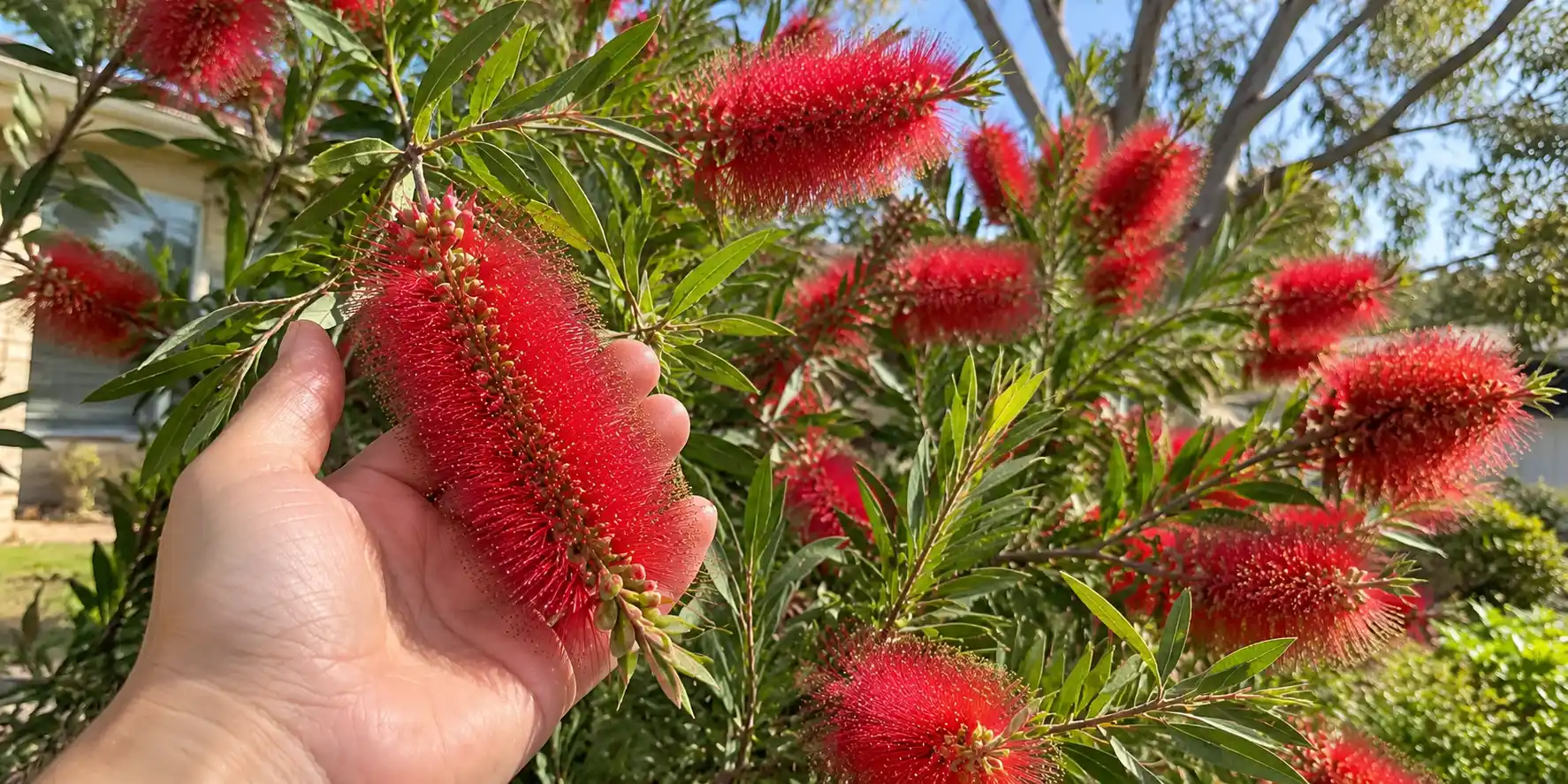
The callistemon, also known as the lemon bottlebrush, is one of the most recognizable garden shrubs worldwide, famed for its bright red, brush-shaped flowers. Scientifically named Melaleuca citrina in modern taxonomy—though traditionally known for generations as Callistemon citrinus—this hardy evergreen plant is much more than just an ornamental feature in our gardens.
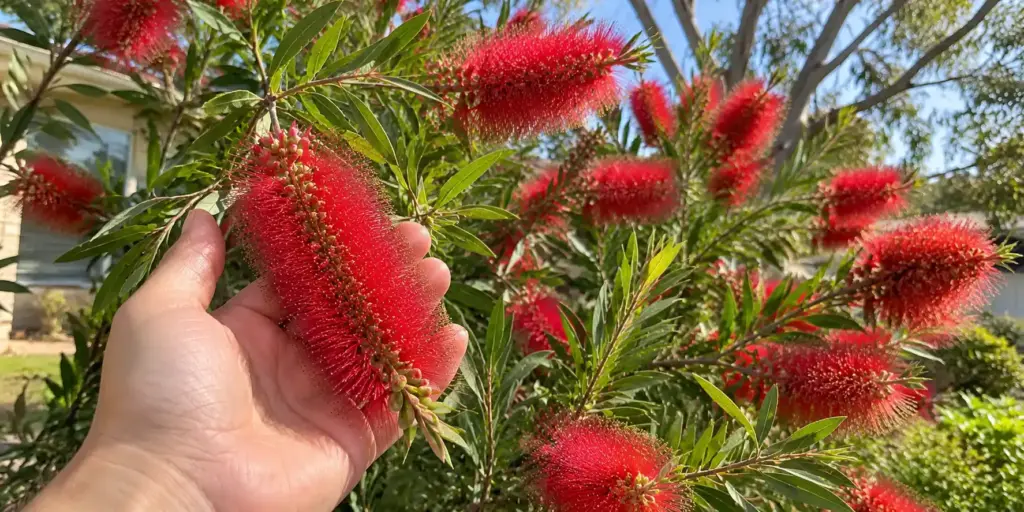
Belonging to the myrtle family (Myrtaceae), the lemon bottlebrush is closely related to eucalyptus and the renowned medicinal tea tree. When you crush one of its long, narrow leaves between your fingers, you are immediately greeted by a sharp fragrance blending the freshness of lemon with the soothing sweetness of eucalyptus. For centuries, traditional healers and everyday households alike have used the leaves and flowers of this plant to clear lung congestion, fight germs, soothe irritated skin, relieve joint pain, and prepare refreshing natural beverages.
Understanding the Plant: Why Two Scientific Names?
When researching this plant, you will encounter two different scientific names referring to the same tree:
- Callistemon citrinus (traditional name): This name was assigned in the early 19th century by Scottish botanist Robert Brown. The term Callistemon comes from the Greek meaning “beautiful stamen,” referring to the long red filaments that make up the brush-shaped inflorescence. The species name citrinus highlights the characteristic lemon fragrance of the leaves.
- Melaleuca citrina (modern name): Recent research has demonstrated that callistemons are so closely related to tea trees (Melaleuca) that they ought to be grouped in the same genus.
- Common names: In everyday language, this plant is often called “red callistemon,” “red bottlebrush,” or simply “lemon bottlebrush.”
How to Identify a Lemon Bottlebrush
Before using this plant, it is crucial to ensure you have the correct species. Here are some simple criteria to recognize Melaleuca citrina:
- Size and shape: This evergreen shrub or small tree grows between 2 and 6 meters in gardens and can reach up to 15 meters in the wild.
- Leaves: They are stiff, narrow, medium green, ending in a sharp point. Young leaves may appear slightly pinkish or satiny before turning to deep green.
- Smell test: When a mature leaf is crushed, a strong, clear scent combining lemon and eucalyptus emerges. No other callistemon has such a distinct lemony aroma.
- Flowers: From spring to autumn, branches produce scarlet-red cylindrical flower spikes shaped like brushes similar to those used to clean glass bottles.
- Capsules: After flowers fall, small woody greyish capsules remain attached to branches, resembling tiny wooden beads.
What Gives Melaleuca citrina Its Healing Properties?
The healing properties of the lemon bottlebrush are not due to some magic but stem from a richness in active natural compounds found in its leaves and flowers. Scientific analyses confirm that this plant is a genuine treasure trove of effective and protective ingredients:
- Eucalyptol (1,8-cineole): The main component of the leaf essential oil, it accounts for between 40% and 73% of extracted oils. This compound is known to loosen thick mucus in the lungs and sinuses, dilate airways, calm cough spasms, and eliminate airborne germs.
- Linalool: A mild aromatic compound making up about 27% of the plant’s oils, it is reputed to soothe irritations, calm the skin, and induce bodily relaxation.
- Alpha-pinene and beta-pinene: These terpenes provide the plant with a fresh woody note and help reduce inflammation of the respiratory tract while fighting harmful bacteria.
- Polyphenols and phloroglucinols: Found in high concentrations in the leaves and bright red flowers, these plant antioxidants help block pain signals and reduce swelling and inflammation in body tissues.
Traditional Benefits of the Lemon Bottlebrush Confirmed
In many regions of Australia, Asia, Africa, and the Caribbean, various popular medicinal uses exploit parts of the lemon bottlebrush to treat everyday ailments. Here are the primary beneficial applications of this plant:
1. Clearing Congested Respiratory Airways
- Dissolves stubborn mucus in the lungs and nasal cavities to ease coughing or expectoration.
- Calms persistent cough, bronchitis, and feelings of chest tightness during seasonal colds.
- Soothes dry, irritated sore throats, especially through inhalations or warm gargles.
2. Fighting Bacteria and Fungal Infections
- Exerts a powerful natural antiseptic effect on the skin.
- Laboratory studies show leaf extracts inhibit growth of common bacteria responsible for skin and throat infections as well as resistant yeasts and fungi.
- Helps keep minor wounds, scrapes, and insect bites clean, promoting better healing.
3. Relief for Joint and Muscle Pain
- Contains natural anti-inflammatory compounds with effects comparable to some mild analgesics available in pharmacies.
- Traditionally used as a friction or warm poultice for arthritis, stiffness, and post-exercise soreness.
4. Digestive Support and Stomach Soothing
- In Jamaican and Asian folk medicine, a mild infusion of leaves alleviates stomach aches, cramps, and diarrhea.
- Acts as a gentle astringent, tightening and calming irritated digestive tissues.
5. Natural Hydration and Energy Boost
- The scarlet-red flowers are edible and produce sweet nectar drops.
- Australian Aboriginal peoples traditionally dipped flower spikes into water to make an instant sweet beverage, perfect for regaining strength during hot days.
6. Insect Repellent and Household Cleaner
- The powerful scent combining lemon and eucalyptus naturally repels mosquitoes, flies, ants, and moths.
- Infusions of leaves can be used to clean countertops, refresh forgotten laundry, and eliminate indoor odors.
Harvesting and Preparing Bottlebrush at Home
Before making a homemade remedy, follow these simple guidelines to gather clean, potent plant material:
- Choose healthy locations: Collect only from trees not treated with pesticides, herbicides, or chemical fertilizers. Avoid plants near busy roads where toxic deposits may accumulate on the leaves.
- Harvesting flowers: Pick fresh red spikes early in the morning right after full bloom, when they contain the most sweet nectar.
- Harvesting leaves: Favor mature leaves that are medium green and well-formed rather than young shoots. Crush a leaf: the stronger the lemon scent, the more concentrated the essential oil.
- Cleaning: Rinse leaves with clean water to remove dust and droppings. For flowers, gently shake or blow on them to remove insects rather than washing under running water which would wash away precious nectar.
- Drying for storage: Spread leaves in a thin layer on clean cloth or paper towel in a warm, shaded, well-ventilated room. Avoid direct light and intense heat, which destroy oils. Once dry and brittle, crush and store in an airtight glass jar, protected from light, up to one year.
Six Simple Homemade Recipes Using Melaleuca citrina
No sophisticated equipment is needed to enjoy lemon bottlebrush at home. Here are six traditional recipes anyone can prepare in the kitchen.
1. Sweet Drink from Fresh Flowers (Cold Infusion)
An easy and safe way to enjoy the plant. This light beverage has a floral and lemony flavor that provides a refreshing boost without heating.
Ingredients:
- 3 to 4 clusters of fresh red flowers
- 1 liter of fresh or room temperature water
- A clean glass pitcher or jar
Preparation:
Gently shake the freshly picked flowers to remove any insects.
Place them in the pitcher and pour the water over.
Stir gently and let sit for 30 to 60 minutes (or refrigerate for 2 to 3 hours for a stronger flavor).
Remove the flowers, strain the liquid to catch stray red stamens, and drink chilled for a natural, revitalizing refreshment.
2. Soothing Hot Leaf Infusion
The leaves make a caffeine-free herbal tea with a refreshing lemon and herbal taste. This hot drink is traditionally used to calm coughs, warm the body during colds, and relieve mild stomach discomfort.
Ingredients:
- 4 to 5 fresh leaves or 1 teaspoon of crushed dried leaves
- 250 ml boiling water
- Optional: 1 teaspoon raw honey
Preparation:
Tear or crush the leaves to release essential oils.
Put them in a cup and pour the hot water over.
Cover the cup with a saucer for about ten minutes to preserve the vapors rich in active compounds.
Strain, add honey if desired, and sip slowly while warm. Limit consumption to one or two cups daily for a short period.
3. Steam Inhalation to Clear Nose and Chest
For a blocked nose, sinusitis, or lung congestion, inhaling hot steam from crushed leaves delivers eucalyptol directly to the respiratory tract without ingestion.
Equipment:
- A large handful (15-20) of torn fresh leaves
- 1 to 1.5 liters boiling water
- A large heatproof bowl
- A large bath towel
Preparation and use:
Place leaves in the bowl, pour boiling water over, and let steep for one minute.
Settle comfortably, close your eyes, and lean over the bowl at least 25-30 cm away to avoid burns.
Cover your head and the bowl with the towel to create a tent that concentrates the fragrant steam.
Breathe deeply through your nose and mouth for 5 to 10 minutes. If it becomes too hot, lift a corner of the towel to let in fresh air.
Repeat once or twice daily until respiratory comfort improves.
4. Antiseptic Lotion and Warm Compress for Joints
Thanks to its richness in antibacterial, antifungal, and anti-inflammatory compounds, a strong leaf decoction can be used externally as an antiseptic lotion on minor wounds or insect bites, and as a warm compress for aching joints.
Ingredients:
- A firmly packed cup of fresh leaves (or 3 tablespoons of dried leaves)
- 750 ml water
- Clean cloths or cotton pads
Preparation and use:
Bring leaves and water to a boil in a saucepan, then reduce heat.
Cover and let simmer gently for 15 minutes until the liquid turns dark brown-green.
Remove from heat, let cool, then strain.
To cleanse skin: Dip a compress in the liquid and gently dab wounds, bites, or irritated areas.
To relieve joints: Soak a clean cloth, wring lightly, and apply warm on knees, wrists, or sore muscles for 15 minutes.
For gargles: Take a small sip of the lukewarm liquid, gargle for 20 seconds, then spit out completely.
5. Homemade Massage Oil Infusion for Muscles and Joints
This homemade massage oil preserves the soothing virtues of lemon bottlebrush to rub on tired muscles and stiff joints for several months.
Ingredients:
- One cup of dried and crushed leaves (avoid fresh leaves which ferment in oil)
- 375 ml mild vegetable oil (olive, sweet almond, or sunflower)
- A clean, dry glass jar with an airtight lid
Method:
Place the leaves in the jar and pour the oil over to cover leaves by at least 2 cm.
Mix to remove air bubbles, close tightly, and put the jar in a warm, shaded place away from direct sunlight for 3 to 4 weeks. Gently shake every 48 hours.
After infusion, strain the oil through a fine cloth or sieve, pressing the leaves well.
Apply a small amount onto shoulders, knees, or lower back as needed.
6. Homemade Natural Cleaning and Repellent Spray
Use the potent antibacterial and insect-repelling properties of the leaves to make an inexpensive ecological cleaner and spray repellent.
Ingredients:
- One cup of torn lemon bottlebrush leaves
- 375 ml white household vinegar
- 375 ml water
- A clean spray bottle
Preparation and use:
Place leaves in a glass jar and cover with white vinegar.
Seal with a plastic lid (vinegar can corrode metal lids) and let macerate away from light for 1 to 2 weeks.
Strain leaves and pour the scented vinegar into the spray bottle, then add water and shake.
Use to clean countertops, sinks, trash bins, or spray around windows and doors to repel ants, flies, and mosquitoes.
Important Precautions to Know
Though natural, Melaleuca citrina contains powerful substances that must be used carefully:
- Skin test first: Before applying a homemade lotion or oil broadly, test one drop inside your arm and wait 24 hours. If redness, itching, or bumps appear, rinse and do not repeat use.
- Never ingest pure essential oil: Callistemon essential oils are highly concentrated in eucalyptol. Swallowing these oils can cause severe poisoning, stomach burns, dizziness, or seizures. Only light teas made from leaves or flowers are suitable for internal consumption.
- Avoid use with babies and young children: Never give callistemon tea to infants or use strong inhalations on them. High levels of 1,8-cineole near their noses may disrupt breathing.
- Pregnancy and breastfeeding: Due to insufficient studies, pregnant or breastfeeding women should abstain from consuming the plant internally.
- Medication interactions: Studies suggest extracts may have anticoagulant effects. If taking blood thinners, aspirin, painkillers, or before surgery, avoid callistemon tea.
- Pollen allergies: Pollens in nectar may trigger allergic reactions in those sensitive to hay fever or flowering trees. Handle flowers carefully.
- Keep concentrated oils away from pets: Like tea tree or eucalyptus oils, these oils are poorly metabolized by cats or dogs and should never be applied to their fur.
Legal Disclaimer
The information presented in this article is provided solely for educational and informational purposes. It does not replace professional medical advice, diagnosis, or treatment. Always consult a doctor, pharmacist, or qualified healthcare professional before using new herbal remedies, homemade preparations, or altering your diet, especially during pregnancy, breastfeeding, medication use, or medical conditions. Never ignore professional medical advice nor delay seeking it due to something read here. The use of wild or garden plants carries inherent risks including misidentification and allergic reactions. Authors and editors disclaim responsibility for any side effects, injuries, losses, or damages resulting from the use of the methods or information provided.
