
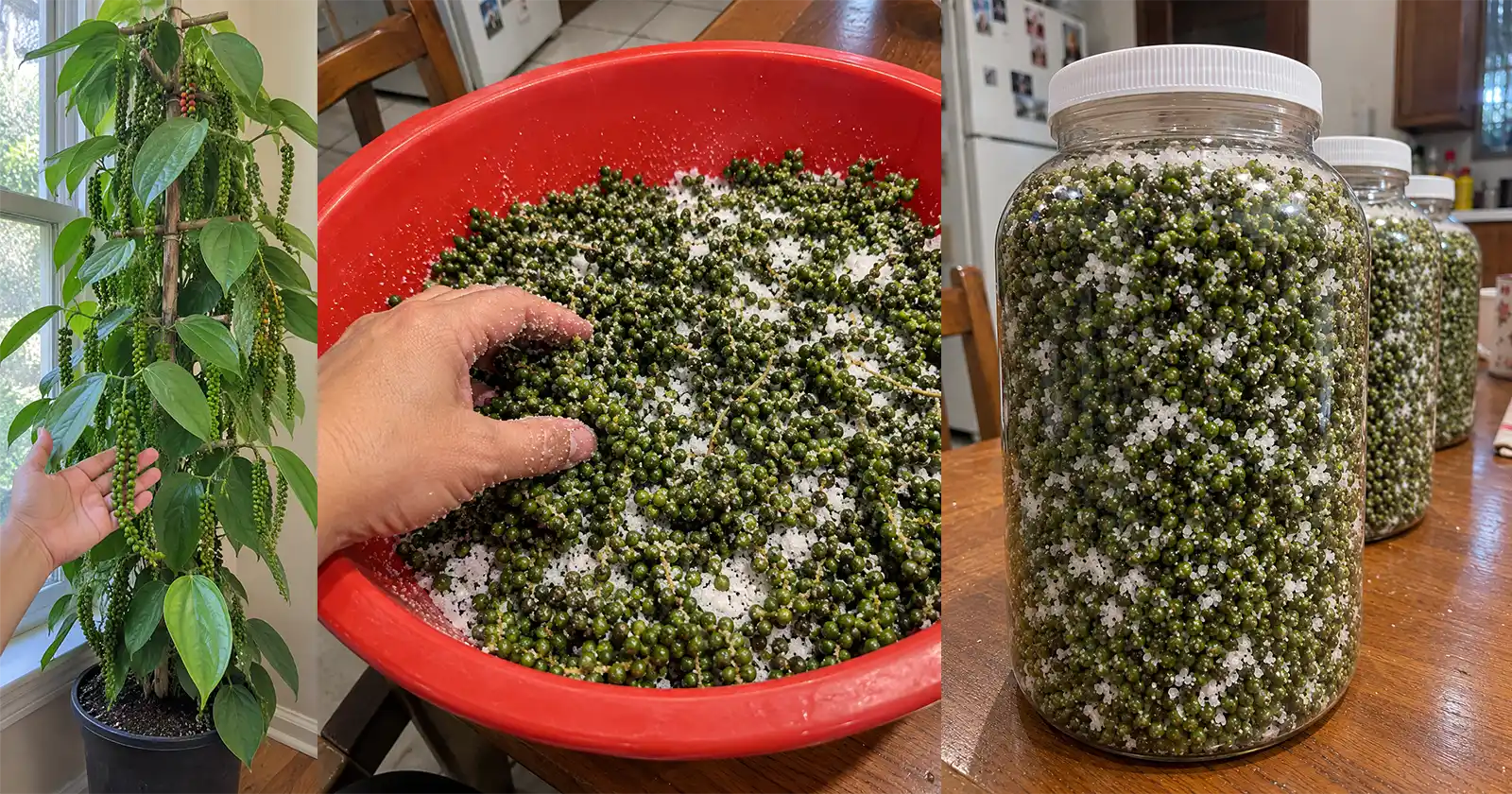
Warning: The information presented in this article is solely for educational and informational purposes. We disclaim any responsibility regarding results related to home fermentation, food safety, or health claims. Always consult a healthcare professional or food safety expert before making or consuming homemade fermented products.
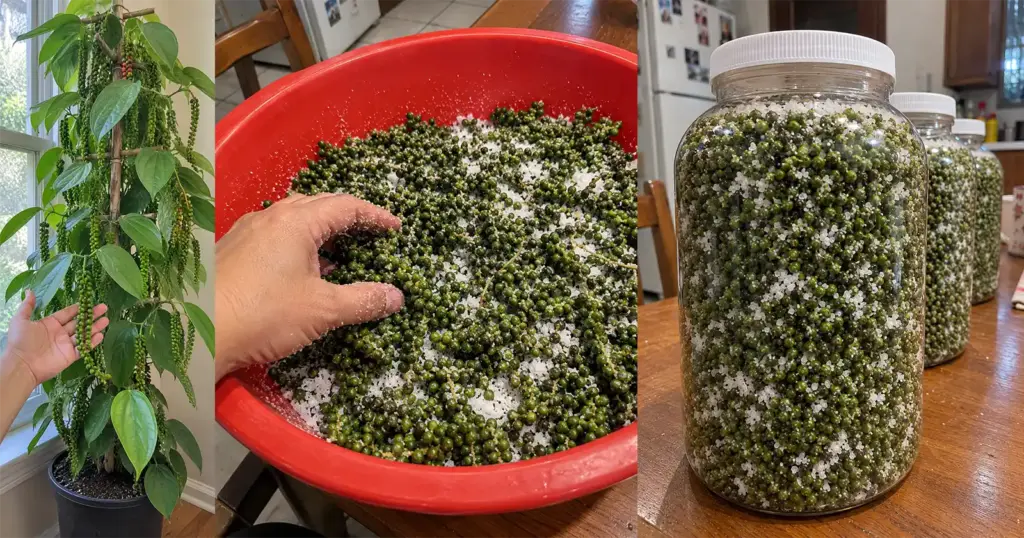
When most people think of black pepper, they picture those small, black, wrinkled, hard peppercorns, often held captive inside a glass grinder on the kitchen table. It is the most widely used spice globally, typically purchased in bulk and stored in a cupboard for months or even years. However, there is a completely different way to enjoy this famous spice: fermented black pepper.
To be precise, fermented pepper is actually made from green peppercorns, fresh and unripe, harvested from the same plant, Piper nigrum. When these green berries are not simply sun-dried but instead undergo a curing and fermentation process, they transform into a soft, explosive, and highly aromatic culinary ingredient cherished by chefs worldwide.
If you have ever sought authentic fermented pepper, you probably noticed a significant price difference. A small jar of fermented pepper often costs several times more than a large bag of regular dried black pepper. We will explain in detail why this fermented version justifies such a price, what its health benefits are, and how to prepare it safely at home.
Why is fermented pepper so much more expensive?
The high price of fermented pepper is not simply a marketing tactic. It primarily results from agricultural constraints, extreme sensitivity to timing, and labor-intensive work.
- It requires fresh, young green peppercorns: Regular black pepper is dried and can be stored for months without deteriorating. In contrast, producing fermented pepper demands fresh, plump, juicy green peppercorns. If you do not live in a tropical climate where pepper grows, sourcing fresh green peppercorns is costly and difficult.
- A race against time: Fresh green peppercorns have very short shelf lives. Once harvested, they brown, lose freshness, and begin to spoil within days. Therefore, they must be cleaned, processed, and salted almost immediately after picking. This means the farm and fermentation facility need to be located near each other.
- Intensive manual labor: Harvesting green peppercorns for fermentation is a delicate task. Each peppercorn must be handpicked at the precise stage of youthful ripeness. If too mature, the outer skin hardens and becomes unpleasant. Workers often have to manually separate the peppercorns from their stems and remove damaged ones to prevent fermentation defects.
- High weight loss during production: A large portion of the fresh green peppercorns’ weight is water. During curing and fermentation, salt extracts much of this moisture. The berries shrink dramatically, meaning a vast quantity of fresh pepper is required to produce a small jar of finished product.
- Storage and transportation costs: Unlike dry pepper, which can be shipped in lightweight paper sacks, fermented pepper retains its moisture and must be carefully packaged in glass jars or vacuum-sealed to preserve the brine. This heavier packaging considerably increases transport costs worldwide.
The health benefits of fermented pepper: why it is good for you
Beyond its intense flavor and soft texture, fermented black pepper offers several remarkable health benefits. The combination of the pepper’s natural compounds and an ancient fermentation process creates a unique ingredient that promotes well-being.
- Improved and gentler digestion: Dry, hard, and spicy black pepper can sometimes irritate a sensitive stomach or digestive system. Fermentation naturally breaks down the tough outer layer of the peppercorns, a pre-digestion that makes the pepper much gentler on the stomach and easier to assimilate.
- Support for the gut flora: Thanks to natural lactic fermentation, fermented pepper contains beneficial probiotics. These good bacteria help maintain a healthy gut microbiome, essential for a robust immune system and smooth digestion.
- Better utilization of piperine for nutrient absorption: Pepper is famous for piperine, a powerful antioxidant with anti-inflammatory properties that enhances the absorption of other nutrients. Fermentation increases the bioavailability of piperine, allowing your body to absorb it more effectively than from dry pepper.
- Superior preservation of fresh antioxidants: Traditional black pepper undergoes long sun-drying that degrades its vitamins and antioxidants. In contrast, fermented pepper, made from fresh berries treated immediately, retains a higher amount of these beneficial compounds.
- Reduced sodium consumption: Even though it is preserved in salt, fermented pepper is so aromatic and concentrated that you often use much less in cooking, thereby reducing the overall amount of salt needed for seasoning.
How to prepare fermented pepper at home
If you manage to obtain fresh green peppercorns, you can attempt to ferment them by salting yourself. To do this safely, it is essential to follow the preparation steps carefully to prevent spoilage.
- Choose the right raw material: The starting point is fresh green Piper nigrum peppercorns. Already dried green peppercorns are not suitable because their cells are dead and dehydrated.
- Decide whether to keep the stems: Green peppercorns often come still attached to the stems. You have two options: leave them on for a rustic appearance, which wastes space in the jar and complicates even salt distribution, or remove the stems for better packing. Carefully detach each peppercorn without tearing or damaging the delicate skin, as this would result in a mushy final texture. Removing stems allows for compact packing and a product ready to eat.
- Clean and prepare: After removing the stems, thoroughly wash the peppercorns with clean cold water to remove dust and residues. Dry them completely with a clean cloth.
- Salt ratio: Salt is the key ingredient. Generally, you need 20–30% coarse sea salt by weight compared to the peppercorns. This salt eliminates unwanted bacteria while promoting those necessary for fermentation.
- The “toss and mix” method: You shouldn’t just layer salt and peppercorns in the jar, as that creates an imbalance that leads to rot. Instead, proceed as follows:
Mixing in a bowl: Pour the fresh peppercorns and salt into a large clean bowl, then stir vigorously until each peppercorn is evenly coated with salt.
Filling and pressing: Transfer the mixture into a sterilized glass jar. Pack it firmly with the back of a clean spoon to eliminate air pockets where harmful bacteria might thrive.
Covering with a salt layer: Add a thin layer of pure salt on top to form a protective seal against air and preserve continuous fermentation.
- Patience and fermentation: Cover the jar loosely to allow natural gases to escape. The moisture from the peppercorns will form a natural brine. Let it ferment untouched for about three to four weeks.
- Fermentation progress and storage: Over time, the peppercorns will change from bright green to dark olive black. The pungency softens to reveal deep earthy flavors. Seal the jar tightly once fermentation ends and store it in the refrigerator. Cold halts active fermentation and preserves the tender, juicy texture for several months.
Using fermented pepper: its culinary advantages
Dry black pepper gives a sharp heat to your dishes, whereas fermented pepper is a powerful ingredient in its own right.
- A soft, moist texture, not hard: Because it retains its moisture and is never sun-dried, fermented pepper remains tender. When bitten, it bursts in the mouth, releasing an intense, fragrant juice.
- A unique flavor palette: Fermentation develops a rich umami depth, salty and slightly tangy, with remarkable complexity. The sharp burn of dry pepper is replaced by a gentle, lingering warmth that doesn’t irritate the tongue.
- No grinder needed: Fermented pepper is too wet and pliable for typical grinders, which would clog immediately. Use it whole or crush it gently with the flat blade of a heavy knife.
- Ideal for rich meats: Pierce whole peppercorns into a steak before cooking or add them to a creamy sauce at the end of cooking. The salt and aromas melt into the meat juices, perfectly balancing the fats.
- Enhance everyday dishes: Sprinkle a few peppercorns on scrambled eggs, mix them into a potato salad, or serve them on a charcuterie platter alongside strong cheeses, where they act like small spicy capers.
- Use the infused salt: The sea salt at the bottom of the jar absorbs all the moisture and aromatic oils from the peppercorns. This pepper-saturated salt is a potent condiment, excellent for seasoning homemade soups, roasted vegetables, or fresh bread.
