
Important Safety Warning Before anything else, it is essential to know that alder buckthorn berries must never be consumed raw. The fresh, uncooked fruits of Sorbus aucuparia, commonly known as rowan or bird cherry, contain parasorbic acid, a naturally harsh substance that can cause severe stomach pain, digestive issues, and kidney irritation. The seeds also contain a small amount of a compound that releases cyanide. However, there is no need to fear this magnificent tree: after exposure to frost and thorough cooking, the parasorbic acid transforms into sorbic acid, which is harmless and beneficial. Cooking also ensures the safety of the seeds. Therefore, it is absolutely necessary to always cook the berries before eating them and never consume them directly from the tree.
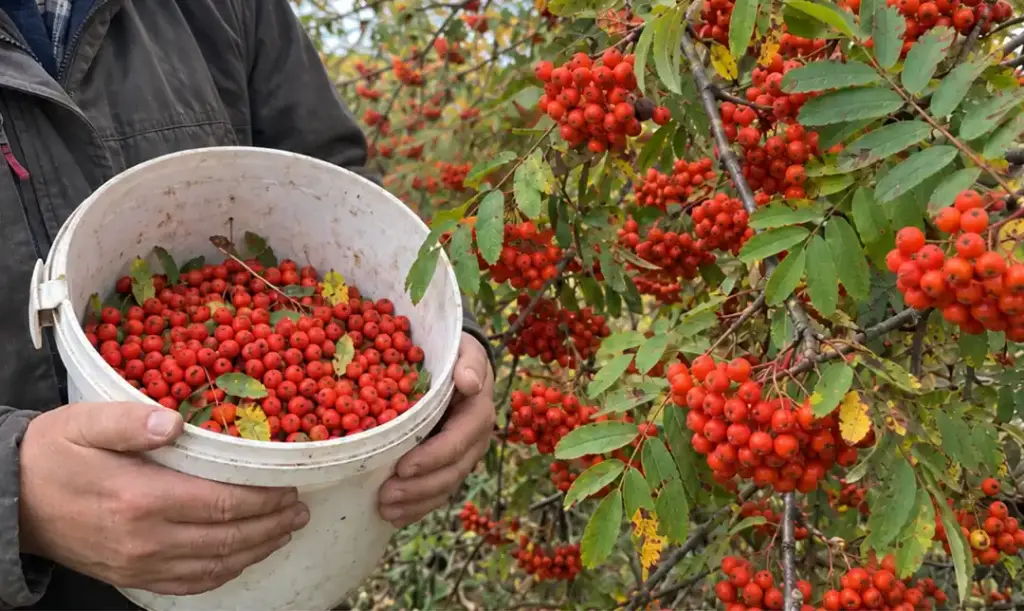
Discovering the Rowan Tree When autumn paints the landscape in its faded hues, the European rowan reaches its full glory. Known scientifically as Sorbus aucuparia, this small tree, often simply called rowan, amazes with its clusters of fiery orange-red berries. For centuries, it has been surrounded by mysteries and folk tales. In the past, these trees were commonly planted near homes to ward off evil spirits and protect households.
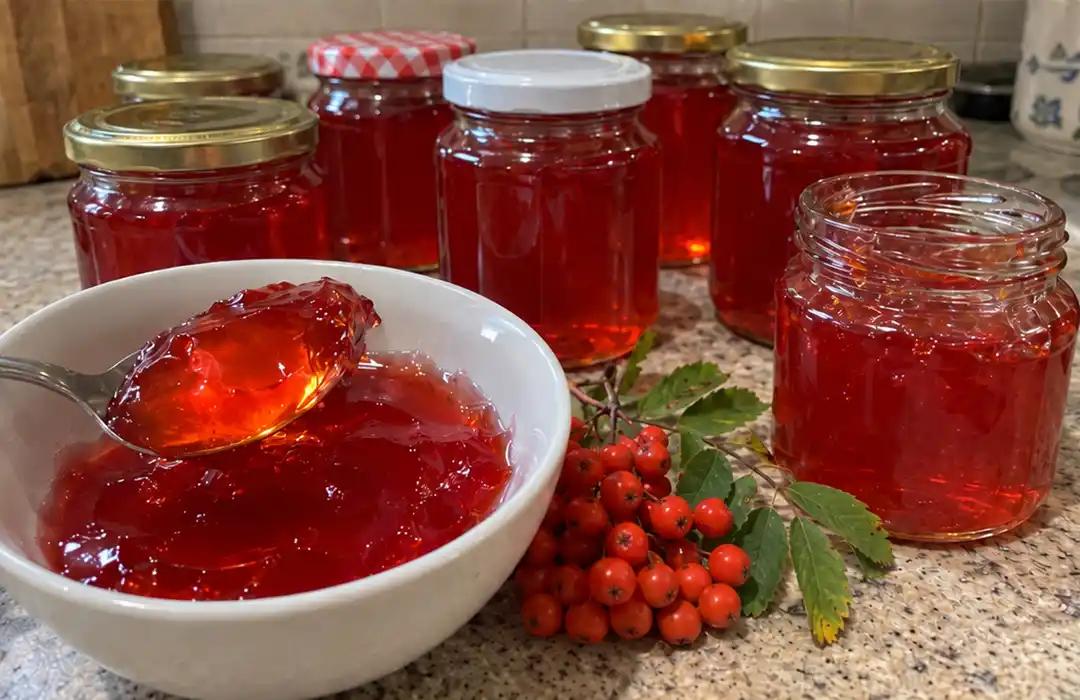
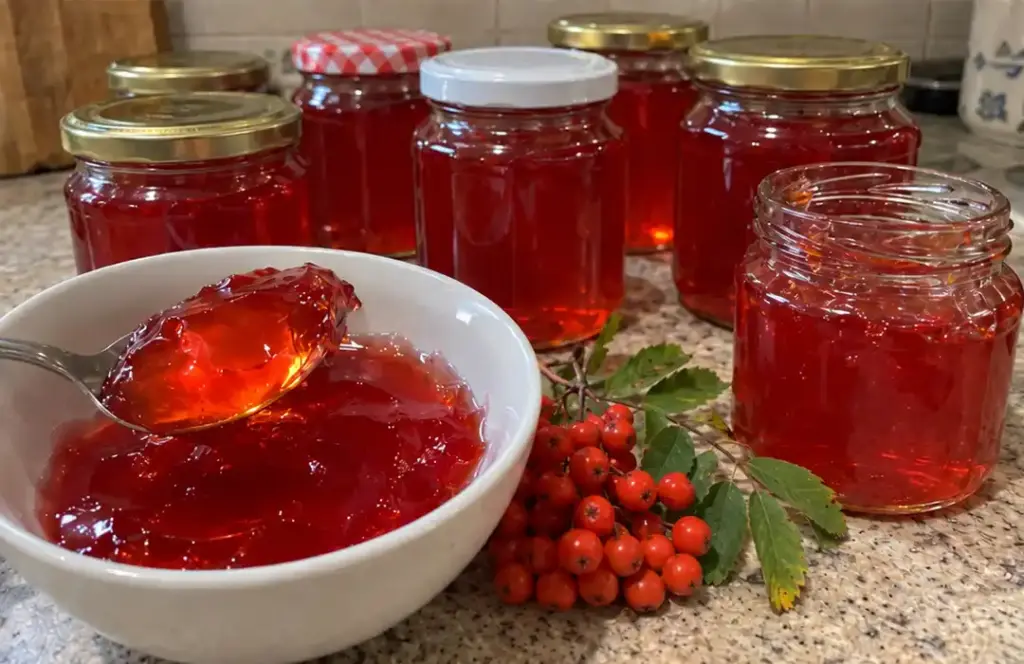
Today, the legends have faded, but the true magic lies in its wild fruits. Raw, these berries are very bitter, harsh, and astringent. However, given some time, sugar, and heat, these berries transform into a delicious and powerful homemade preserve: rowan jelly.
The Natural Benefits of Rowan Berries One might wonder: why go to such lengths to prepare jelly from a fruit that is so bitter in its natural state? The answer is simple: this small fruit contains remarkable nutritional virtues, and once properly prepared, it becomes an excellent source for boosting health.
Here are the main advantages of consuming well-cooked rowan berries:
- An Exceptional Vitamin C Source: Rowan berries surpass some citrus fruits in vitamin C concentration, making this jelly a natural remedy especially effective in supporting the immune system during the long winter months when fresh fruit is scarce.
- Rich in Powerful Antioxidants: The bright red color of the berries comes from natural plant compounds with antioxidant properties. These protect cells from damage caused by free radicals, thereby helping to reduce internal inflammation and maintain overall good health.
- A Digestive Ally: Naturally very rich in pectin, a type of soluble fiber, these berries help maintain the jelly’s firmness in jars while supporting gut flora and facilitating healthy digestion.
- Natural Preservative Qualities: Sorbic acid, first discovered in rowan berries, is an excellent natural preservative. Thanks to it, your homemade jelly will keep for a long time in your pantry without spoiling.
- Support for Respiratory Health: In traditional medicine, preparations made from rowan berries were often used as home remedies for sore throats and mild respiratory ailments. A warm spoonful of this jelly offers comforting relief during a cold.
When and How to Harvest the Berries? The key to a successful harvest lies in patience. Picked too early, the berries are hard, extremely bitter, and unpleasant. Here are the golden rules to follow:
- Wait for the First Frosts: Frost breaks down complex starches and sugars, making the fruit softer, juicier, and noticeably less astringent.
- Freezer Tip: If wild birds have already eaten all the berries before the frost arrives, you can harvest slightly earlier. Simply wash and dry them, then store them in the freezer for two to three days; this process perfectly replicates natural cold exposure and softens the fruit.
- Prefer Cutting Whole Clusters: Use scissors or pruning shears to cut entire berry clusters rather than picking the fruits one by one. This prevents crushing the berries and losing some juice before getting home.
Making Homemade Rowan Jelly Preparing this jelly is straightforward and very rewarding. Due to their strong and tangy flavor, rowan berries are traditionally combined with apples to mellow the bitterness, add natural sweetness, and boost pectin levels necessary for a firm, sliceable jelly texture.
Necessary Ingredients:
- Equal weights of frozen rowan berries and tart cooking apples (for example, 1.5 kg each).
- Granulated white sugar (measured after juice extraction).
- Water.
- A jelly bag or clean cloth (muslin) to strain the fruits.
Preparation Steps:
Prepare the Fruits: Remove the berries from the clusters, discarding any browned or shriveled fruits, and wash them thoroughly. Also wash the apples and coarsely chop them without peeling or coring, as the skin and seeds contain abundant natural pectin.
First Cooking: Place the berries and apples into a large, thick-bottomed pot. Add just enough water to barely cover the fruits.
Simmering: Bring to a gentle boil, then reduce the heat. Simmer covered for about 40 to 50 minutes, stirring occasionally. Mash the fruits with a wooden spoon to release all their juice.
Straining the Juice: Pour the mixture into the jelly bag suspended over a large, clean container. The most delicate step is to be patient: let the juice drain naturally overnight without squeezing the bag, which would cause the jelly to become cloudy instead of clear and shiny.
Measuring and Sweetening: The next day, discard the dried pulp or add it to compost. Measure the clear juice collected. For every cup of juice, prepare an equal amount of white sugar.
Cook Again Until Set: Return the juice and sugar to the pot. Heat gently while stirring until the sugar fully dissolves. Then increase the heat to bring the mixture to a vigorous boil for 10 to 15 minutes.
Testing the Jelly: Place a small plate in the freezer a few minutes before cooking. Spoon some boiling liquid onto the plate, wait about ten seconds, then gently push with your finger. If the surface wrinkles like a thin film, the jelly is ready; if not, continue cooking for another five minutes and test again.
Jarring: Pour the hot jelly into clean, sterilized glass jars. Seal tightly. As it cools, you will hear the lids “pop”—this signals air vacuum formation guaranteeing preservation.
Enjoying Your Homemade Jelly Unlike classic fruit jams like strawberry or grape, rowan jelly is rarely eaten simply spread on toast with peanut butter. Its sharp, tangy, sweet taste with an earthy undertone makes it a more “savory” preserve.
Here are some ways to savor it:
- With Roasted Meats: This is the traditional and irresistible pairing with rich meats like roasted lamb, pork, venison, or duck. The bright acidity cuts through the fat of these hearty dishes perfectly.
- On a Cheese Platter: Serve a small ramekin beside aged, robust cheeses such as sharp cheddar, creamy brie, or pungent blue cheese. The sweet-savory contrast enlivens the palate.
- In Rich Sauces: Stir a generous spoonful of jelly into meat juices or cooking sauces just before serving. This adds a lovely shine and a depth of flavor that will surprise your guests.
- Decadent Toasts: For lovers of intense flavors, spread the jelly over a thick slice of dark rye bread generously buttered.
Taking the time to gather and prepare the rowan fruits is a wonderful way to reconnect with nature. You transform a wild, tart fruit into a ruby treasure rich in vitamins and traditions. With a little patience, this ancestral jelly will become a precious centerpiece of your pantry.
