
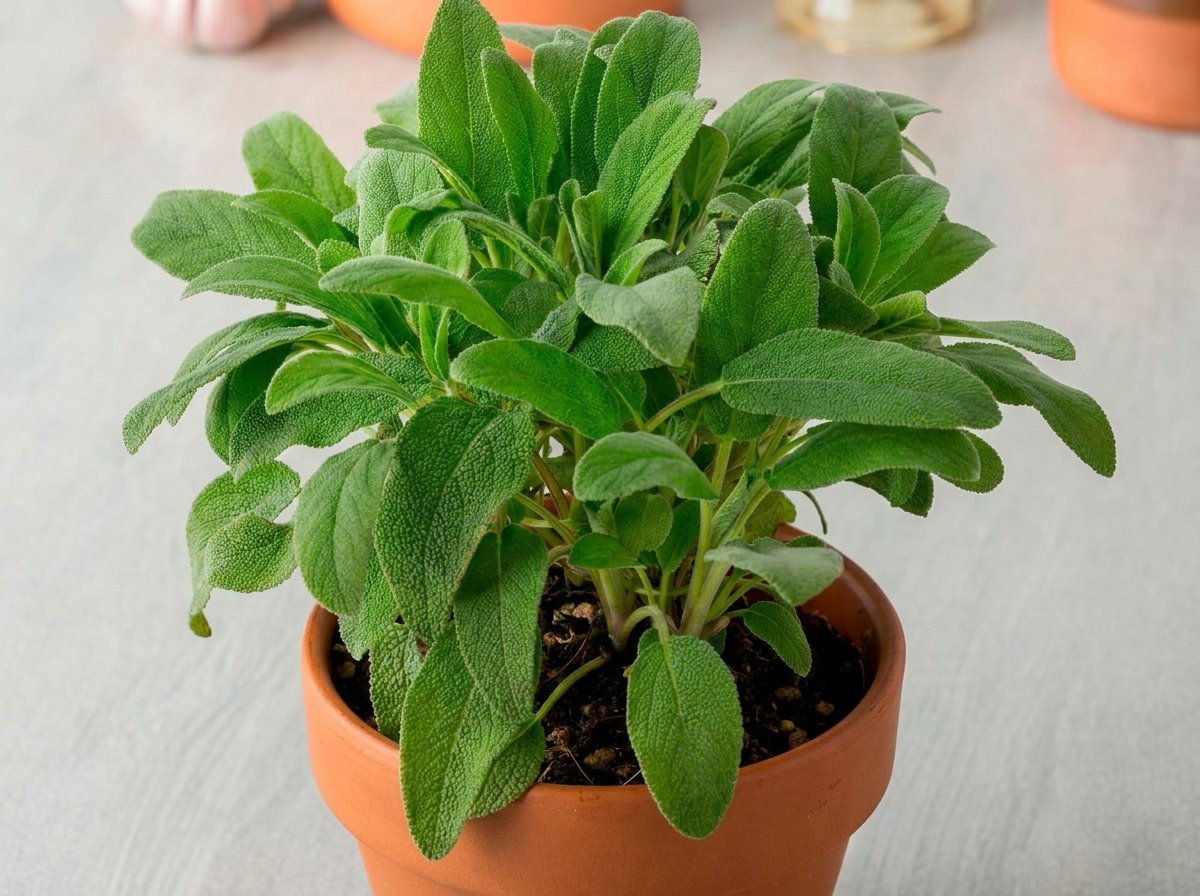
Sage in Cooking: An Essential Aroma
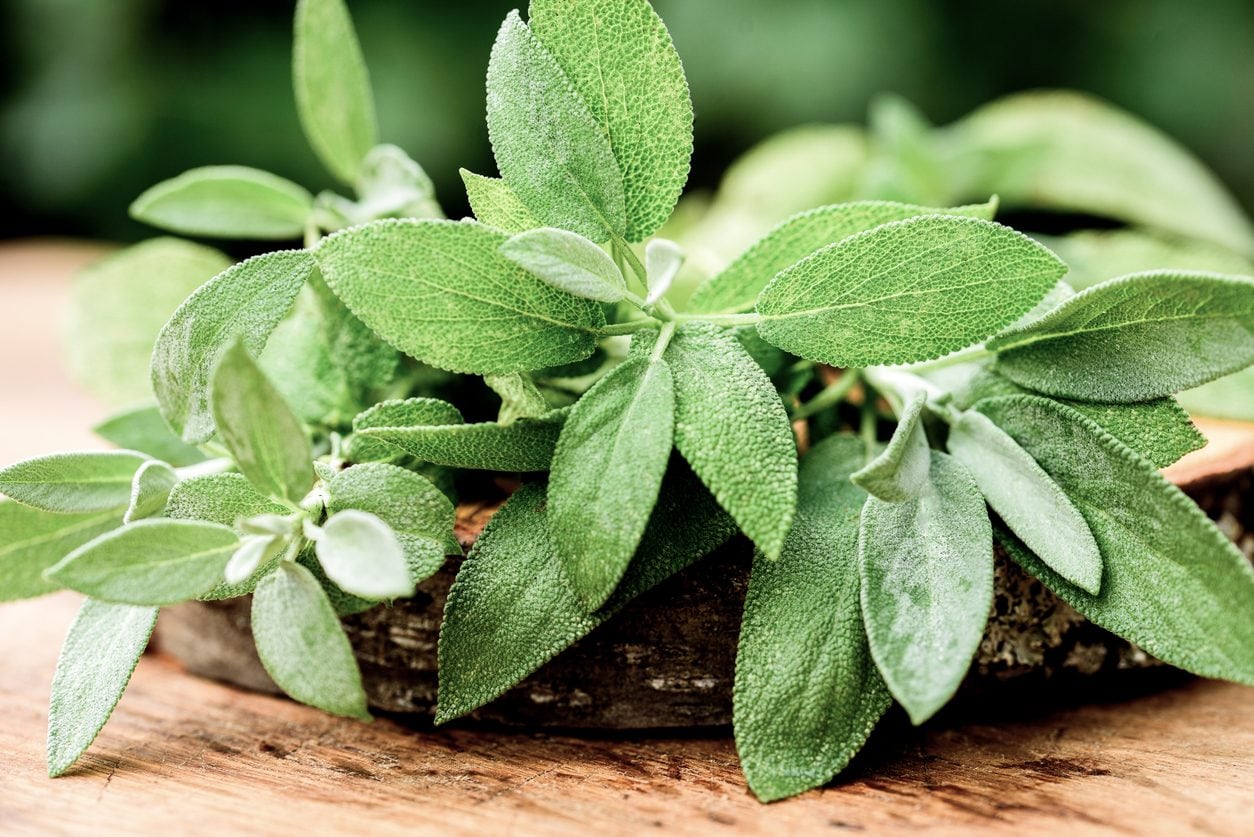
You have most likely savored gnocchi lightly browned in butter and sage or a roast chicken subtly infused with its leaves. Common sage, the most frequently used variety in cooking, emits a warm, slightly woody aroma that instantly elevates even the simplest dishes.
Whether fresh or dried, sage is always used sparingly: just a touch can transform a marinade, enhance vegetables, flavor a sauce, or add a delightful surprise to a Sunday omelet. This true aromatic treasure deserves to be rediscovered with attentive care.
An Ancient Plant Tied to Digestive Comfort
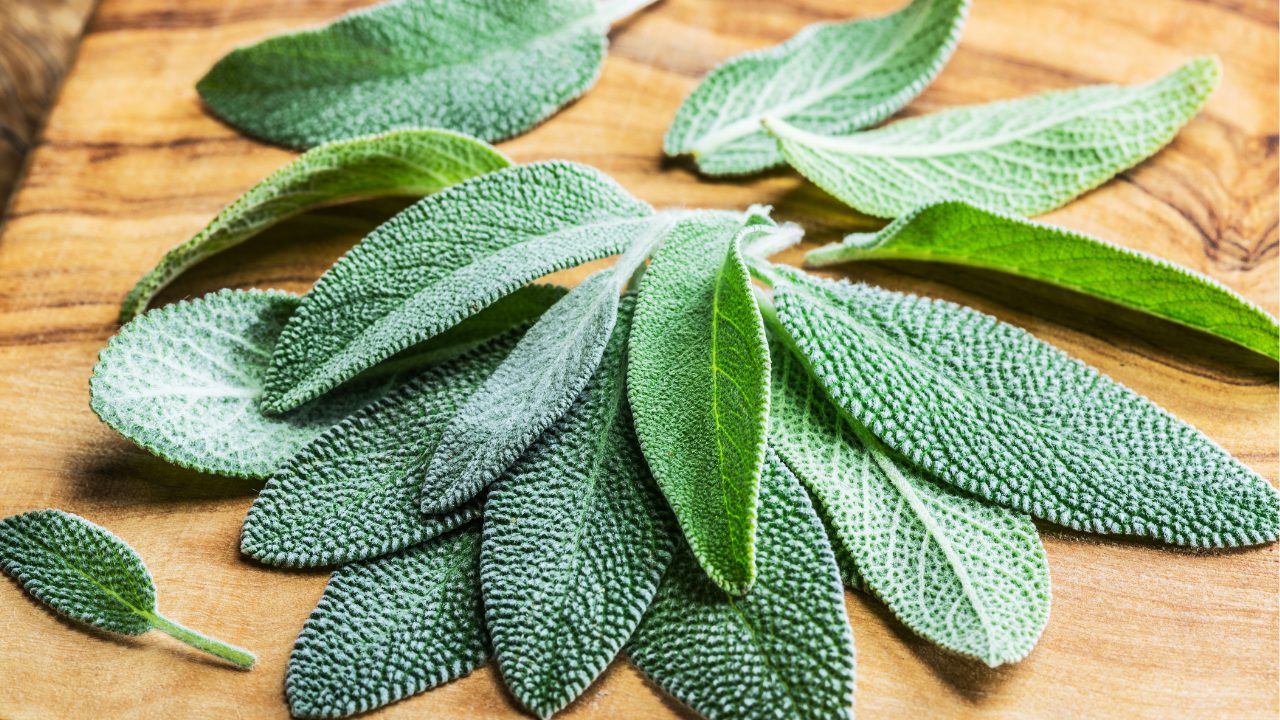
Since ancient times, sage has symbolized well-being, calm, and inner balance. It has traditionally accompanied evening herbal teas, aiding digestion after a hearty meal.
It is also credited with having beneficial effects for promoting a more regular intestinal transit, especially when consumed as a mild infusion. Its slightly camphoraceous scent brings a comforting warmth, ideal for regaining a feeling of lightness. Many incorporate it into homemade teas, sometimes enhanced with a lemon zest or a spoonful of honey for a cozy, soothing moment.

A Gentle Ally for Women’s Cycles
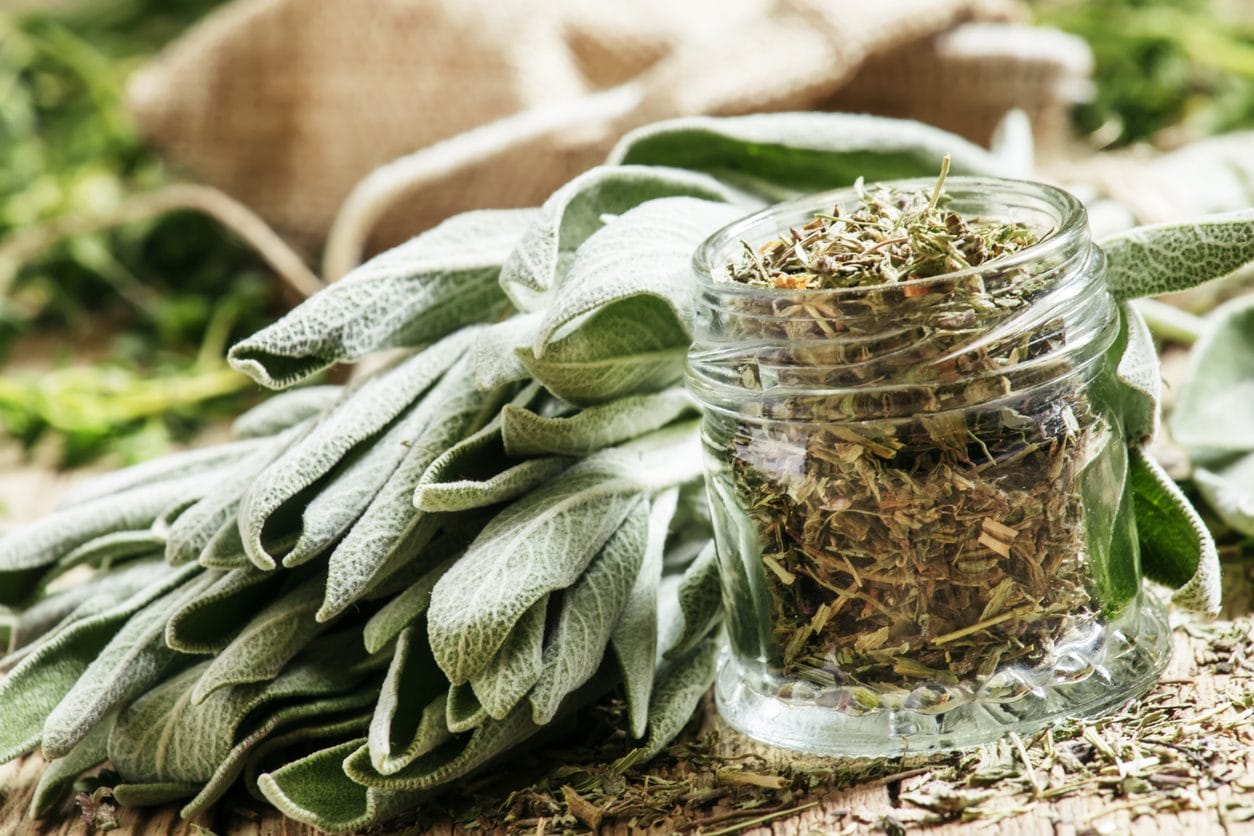
Sage is often recognized for its calming effect on women, particularly during certain phases of the menstrual cycle or hormonal fluctuations. In traditional practices, it is linked to serenity and emotional balance.
It is also known to support a sense of stability after meals, occasionally aiding in the regulation of blood sugar levels, within the context of a balanced diet.
However, sage remains primarily an aromatic herb to be consumed in moderation; it cannot replace medical treatment. In case of persistent issues, consulting a healthcare professional is essential. Sage fits perfectly as a wellness complement—a hot tea, a warm compress, and a peaceful evening can make all the difference.
An Herb That Invites Breathing and Relaxation
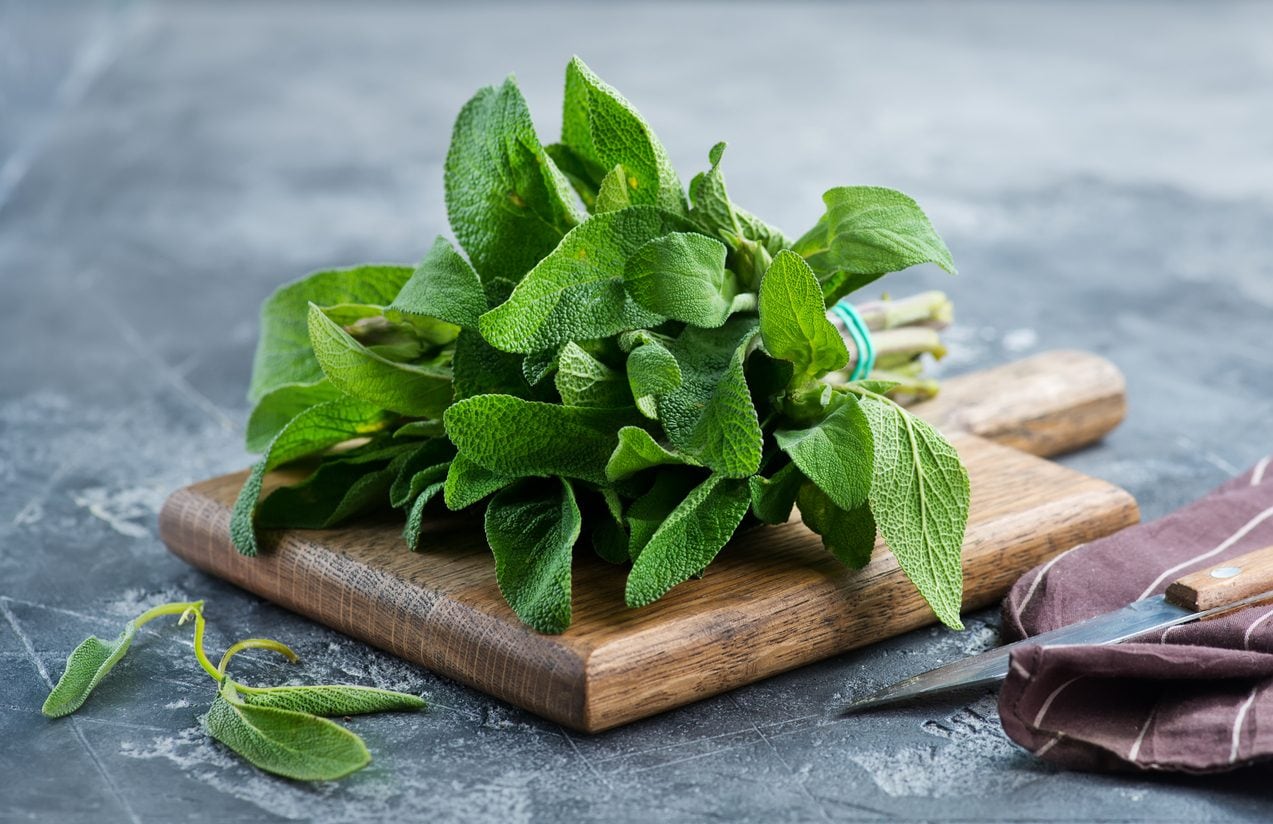
Its almost meditative fragrance earns it a special place in atmospheric diffusion or in blends of dried herbs, creating a calming ambiance at home.
Some also appreciate sage through gentle inhalation or as an infusion to regain clarity, especially during colder seasons. To prepare a simple tea, just heat 250 ml of water, add 3 to 4 fresh sage leaves, steep for 7 minutes before straining. You may add a bit of honey or a lemon zest to soften the taste of this beverage.
This evening infusion is often chosen to create a restful atmosphere. Certain traditions recommend it as a natural support against sleep difficulties, although it does not replace treatments for insomnia. Rather, it serves as an enjoyable sensory ritual, similar to clearing your mind after a long day by simply opening a window.
Practical Advice for Safe Use
Like all highly concentrated aromatic plants, sage reveals its full potential when used with discernment. Essential oils derived from sage require heightened caution and should be used only under the guidance of a healthcare professional.
If you are pregnant, breastfeeding, sensitive to certain plants, or under medical treatment, it is best to seek personalized advice before regularly consuming sage. For most people, culinary use or preparation as tea remains the gentlest, simplest, and safest way to enjoy sage’s virtues—a genuine gesture of natural well-being.
Ultimately, sage is that modest little plant which, with elegance and simplicity, refreshes your recipes and graciously perfumes your moments of relaxation.
