
Why Does Frost Complicate Freezer Use?
Frost is more than just an aesthetic issue. When it builds up on the walls, it significantly reduces the available space for your food, prevents drawers from sliding smoothly, and creates a sense of clutter, even if everything is perfectly organized. Over time, this layer of ice can also interfere with the airtight closure of the door, forcing the freezer to work harder to maintain a stable temperature.
The consequence is increased noise and higher electricity consumption, which can be difficult to control, along with the frustration of never managing to keep the freezer clean and tidy. This situation can be demotivating, especially when you already have other priorities in daily life.
The Traditional Defrosting Method: Effective but Tedious
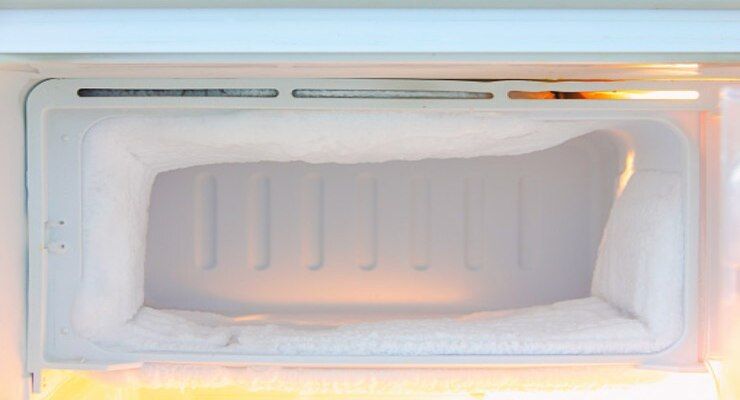
In theory, defrosting a freezer is a straightforward task: you turn it off, remove all the food, wait for the ice to melt, then wipe and dry the interior before putting everything back. In practice, these steps require careful preparation. You need to plan where to keep the food cold, figure out how to manage the water from the melting ice, and most importantly, wait until all surfaces are completely dry before turning the appliance back on. It’s no surprise that many people end up postponing this task until the frost layer becomes truly overwhelming.
Fortunately, there’s a simple trick that can significantly ease this unpleasant routine.

The Practical Aluminum Foil Solution
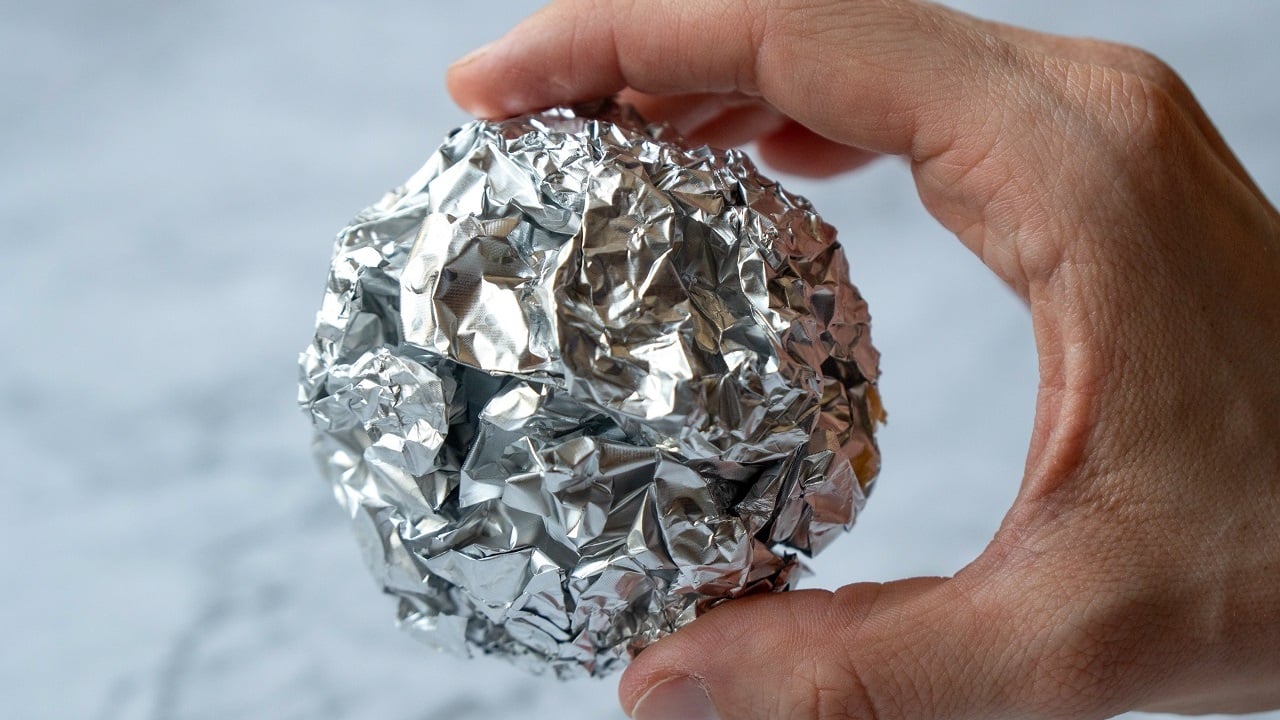
Aluminum foil, a common item found in almost every kitchen drawer, can be a true ally in maintaining your freezer. The idea is simple yet clever: cover some surfaces with aluminum foil sheets to help manage frost buildup and facilitate the regular upkeep of your appliance.
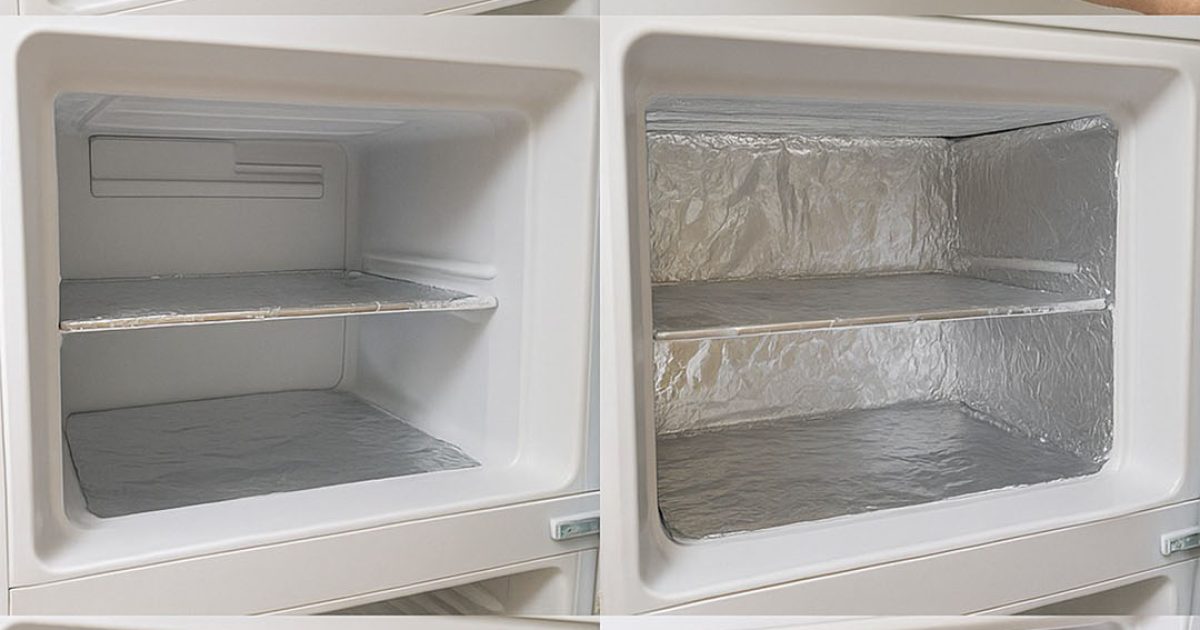
Practically speaking, if the frost in your freezer is still light, start by removing the food. Then cover the bottom, the side walls, and the ceiling of the freezer with well-fitted sheets of aluminum foil before putting the food back in. On the other hand, if a thick frost layer is already present, it’s best to first perform a light defrost, thoroughly dry the surfaces, and then apply the aluminum foil on clean, completely dry walls.
Maintenance Made Easier with This Method
This technique encourages the frost to form more on the aluminum foil rather than directly on the freezer walls. When it’s time to clean, you simply remove the foil, discard the accumulated ice from it, and replace it if necessary. This process is quick and prevents the difficult scraping and long waiting periods associated with classic defrosting, making freezer maintenance much simpler.
This method is similar to the use of parchment paper in baking pans: it prevents surfaces from sticking, significantly easing cleaning efforts.
How to Use This Technique with Drawers?
Good news: this trick also works for freezer drawers. By carefully covering them with aluminum foil, you reduce frost adhesion and make their cleaning easier. Naturally, the foil may eventually crumple or tear due to cold and moisture, but simply replacing it every few months or so keeps things running smoothly.
A small, occasional effort that delivers lasting comfort: minimal investment for maximum convenience.
A More Pleasant Freezer Experience Every Day
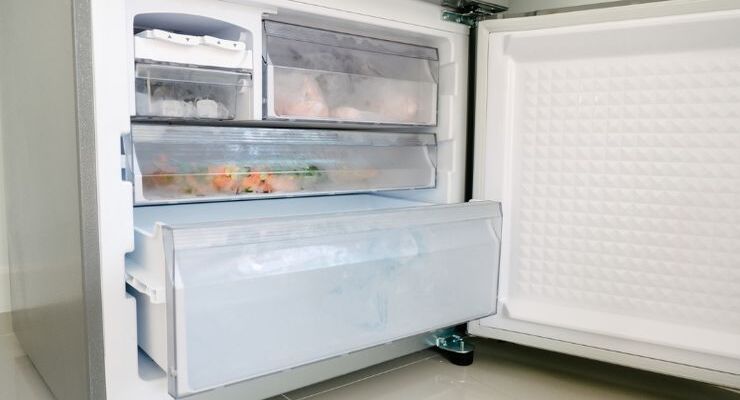
By limiting frost buildup, you gain improved ergonomics, better visibility, and peace of mind. Drawers slide more smoothly, doors close tightly, and maintenance stops feeling like an overwhelming chore. This is one of those simple hacks which, when added together, make everyday management easier and more enjoyable.
