
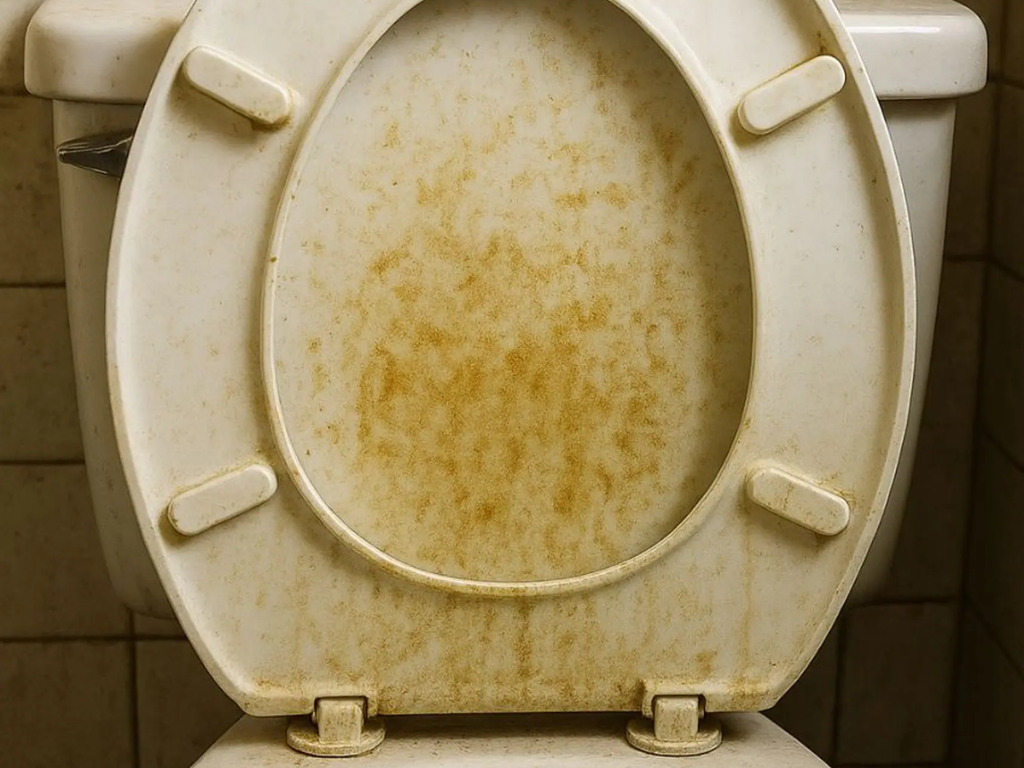
Why Do Stains Embed So Easily on Toilet Seats?
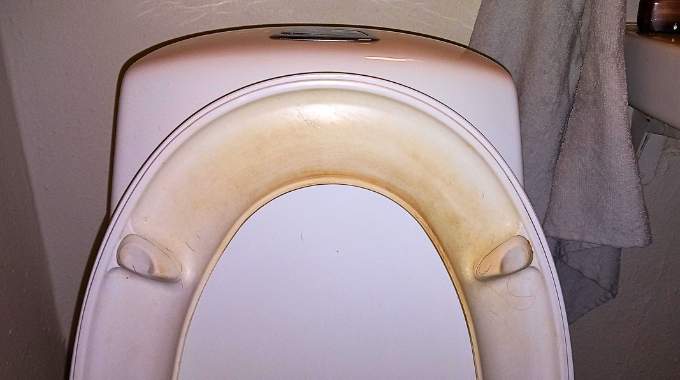
Plastic or resin toilet seats tend to develop marks over time, especially if they are not regularly maintained. Constant moisture, daily residue, and minerals present in water all contribute to dulling their surface. Even though the plastic appears smooth to the naked eye, it actually features tiny irregularities where dust and deposits gradually cling. The outcome? An unattractive discoloration that can, however, be remedied with the right approach.
Clean or Replace: How to Make the Right Decision?
Before spending money on a new toilet seat, it is important to assess its overall condition. If it is still sturdy, without visible cracks or deep scratches, a thorough cleaning is clearly the best first step. On the other hand, if the surface is damaged, worn, or remains dull despite your efforts, considering replacement may be the wiser option. In France, a standard seat typically costs under 25 €, but attempting to clean the toilet seat remains a cost-effective and environmentally friendly approach.
Start with Gentle and Effective Care
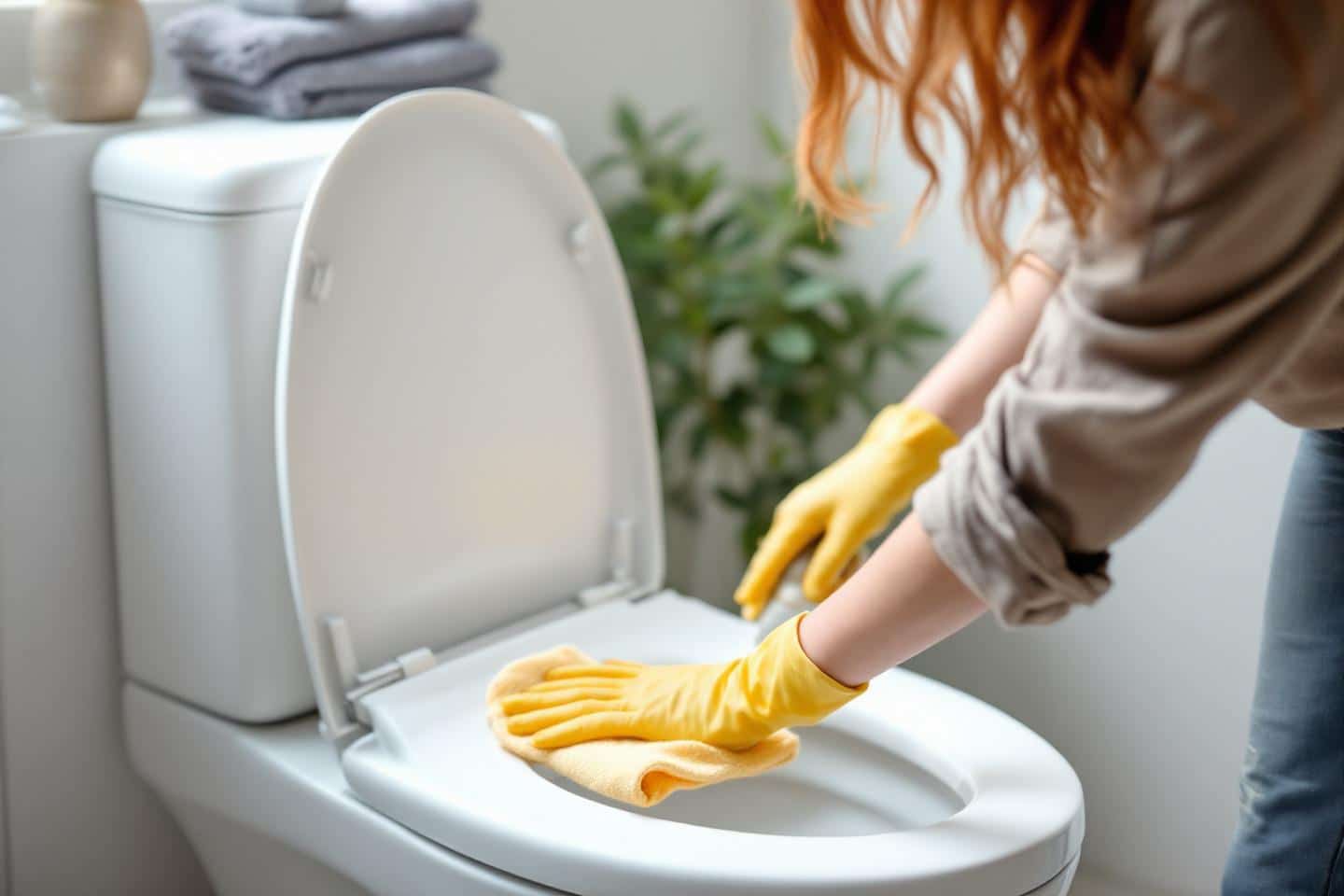
The first step could not be simpler: equip yourself with hot water, a mild dishwashing liquid, and a non-abrasive sponge. Gently scrub as you would when cleaning a frying pan after a hearty meal. This initial wash is sufficient to remove surface dirt and reveal the true condition of the plastic, allowing you to better target any further treatments.

The Natural Baking Soda and Vinegar Duo: A Powerful Solution
When stains persist, the combination of baking soda and white vinegar proves unbeatable. First sprinkle baking soda on the stained areas, then pour some vinegar over it. Let it fizz for a few minutes before gently scrubbing. This method combines effectiveness, an absence of unpleasant odors, and gentleness — a perfect match for those who favor natural household solutions.
Deeply Embedded Stains? Consider a Magic Eraser
For truly stubborn marks, the magic eraser is a precious ally. Slightly dampened, it acts like a fine eraser that lifts entrenched stains without damaging the surface. However, be cautious not to rub too long in the same spot to avoid harming the plastic’s finish. A thorough rinse followed by wiping with a microfiber cloth completes the cleaning process beautifully.
Slow Methods That Yield Results
Some techniques popularized on social media rely more on patience than elbow grease. Applying a cleaning product, covering the toilet seat with cling film, and letting it sit for several hours helps keep the product active and maximizes its effectiveness. In the most extreme cases, you can remove the seat and soak it overnight in hot water mixed with a gentle cleaner: this intensive treatment can truly make a difference.
When Cleaning Is No Longer Enough
Sometimes discoloration results from the material itself wearing down. In such cases, no matter how good the trick, the original brightness cannot be fully restored. While you can certainly improve its appearance, there are times when replacing the seat becomes necessary to regain a flawless finish.
Preventive Maintenance: The Key to Avoiding Unpleasant Surprises
Once the toilet seat is clean or replaced, adopting a simple weekly care routine is essential. A quick clean with a mild product is enough to prevent the formation of lasting stains. Additionally, glossy surfaces have the advantage of getting dirty less quickly and cleaning more easily, a factor worth bearing in mind for your next purchase.
Taking care of your bathroom—even the smallest details like the toilet seat—contributes to overall well-being and daily comfort.
