
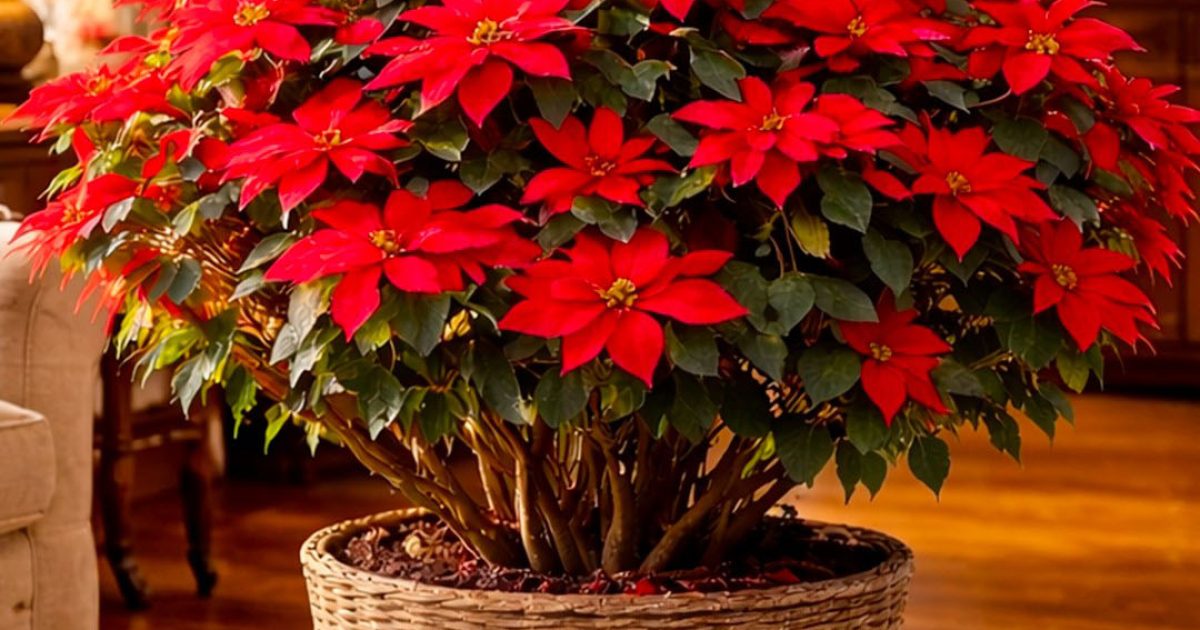
Temperature Fluctuations: The Biggest Threat to Poinsettias
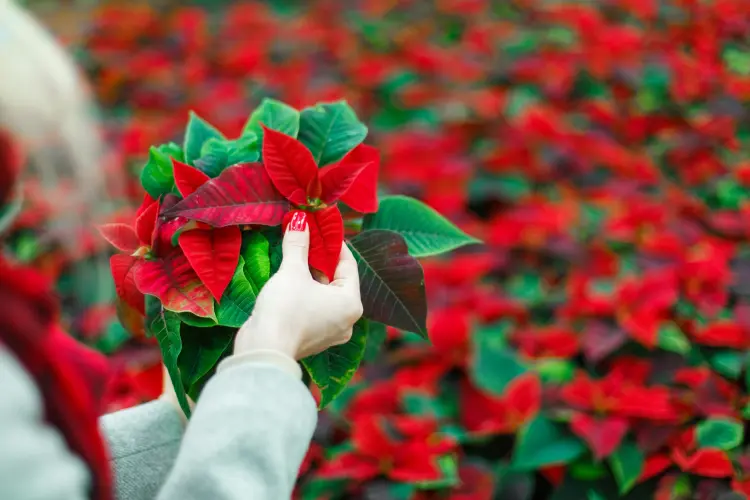
Originating from warm climates, the poinsettia thrives on consistency. Exposure to cold drafts, frequently opened doors, or pots placed too close to radiators subjects the plant to severe thermal shock. In response, the plant protects itself by shedding its leaves.
To ensure its well-being, position the poinsettia in a room where temperatures range steadily between 18 and 22 °C, away from heat sources and poorly insulated windows. A bright spot in the living room often provides an ideal environment.
Light: Finding the Perfect Balance
The poinsettia loves light but fears direct sunlight. Excessive exposure can damage its leaves, while insufficient light slows its growth and gradually causes it to wither. Therefore, striking the right balance is essential.
The best approach is to place it near a bright window, preferably filtered by a sheer curtain. During winter, when daylight diminishes, be sure to turn the pot regularly so the plant receives even light from all sides.

Watering: Maintaining a Delicate Balance
Watering is often the decisive factor for the poinsettia’s health. The plant dislikes both drought and excessive moisture, which can cause root rot. Overwatering weakens the plant, while underwatering risks drying it out.
The technique is simple: touch the soil. If the surface feels dry, you can water; if it remains moist, wait a bit longer. Always remember to empty the saucer after watering to avoid stagnant water that harms the roots. Generally, a moderate weekly watering is sufficient.
Excess Fertilizer Harms the Plant’s Health
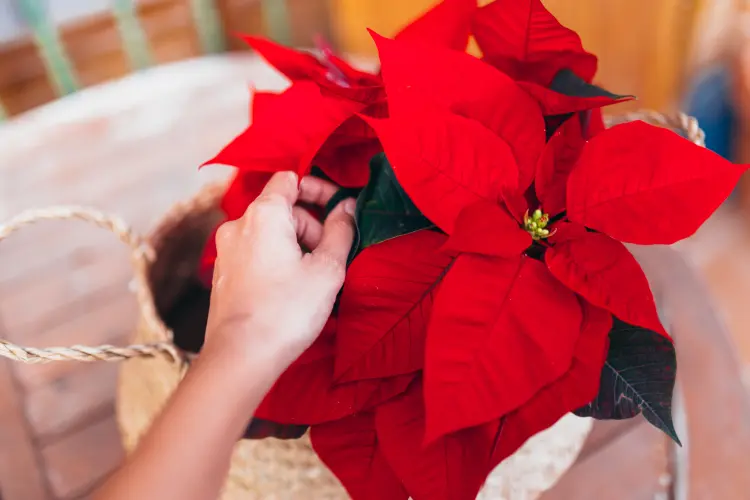
It’s tempting to constantly enrich the plant, but the poinsettia does not need fertilizer during winter. Over-fertilizing can disrupt its balance and cause leaf drop.
Fertilization should be reserved for spring and summer when the plant is actively growing, using a mild fertilizer specially designed for indoor plants, applied no more than once or twice a month.
Pests: Small but Persistent Threats
Sometimes tiny guests like scale insects or aphids weaken the plant. These pests often cause yellowing followed by leaf drop.
Regularly check the undersides of leaves and the stems. If you notice suspicious spots or sticky residues, gently clean the affected areas with a damp cloth or an appropriate natural solution, which usually suffices to quickly eliminate these unwelcome visitors.
A Natural Process to Accept
Lastly, it is important to remember that after the festive season, the poinsettia naturally sheds some of its leaves. Many plants sold at Christmas are specially stimulated to showcase their vibrant beauty during the holidays.
This resting phase is entirely normal. With proper care, your poinsettia will resume growth and even bloom again the following year.
Essential Steps to Keep Your Poinsettia Healthy
Maintaining a stable temperature environment, providing gentle but ample light, managing watering carefully, and exercising patience are the keys to keeping a poinsettia glowing with health. By observing your plant closely and adjusting your care accordingly, you can avoid most common issues.
A well-cared-for poinsettia will reward your attention by brightening your home long after the holidays, a clear testament that proper poinsettia care truly makes a difference.
