
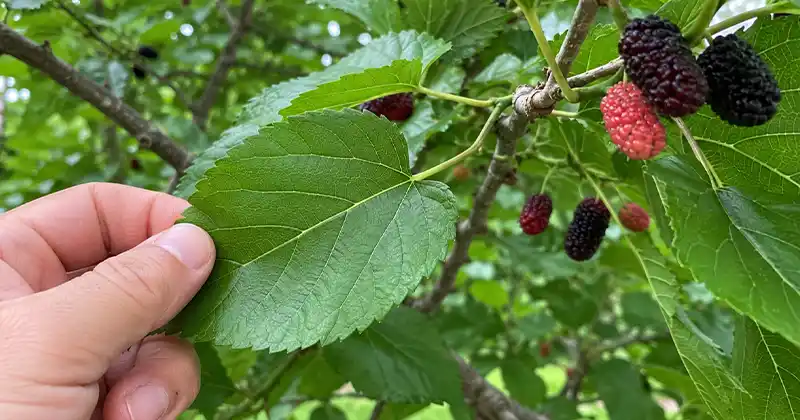
Mulberry trees are primarily known for their sweet summer berries, but their leaves hold a far greater potential for natural health benefits. Used for centuries in Asian wellness traditions, mulberry leaves are rich in unique plant compounds, essential vitamins, and minerals that help maintain everyday vitality. Modern scientific research confirms that these ordinary leaves are a true natural source of accessible health advantages for everyone.
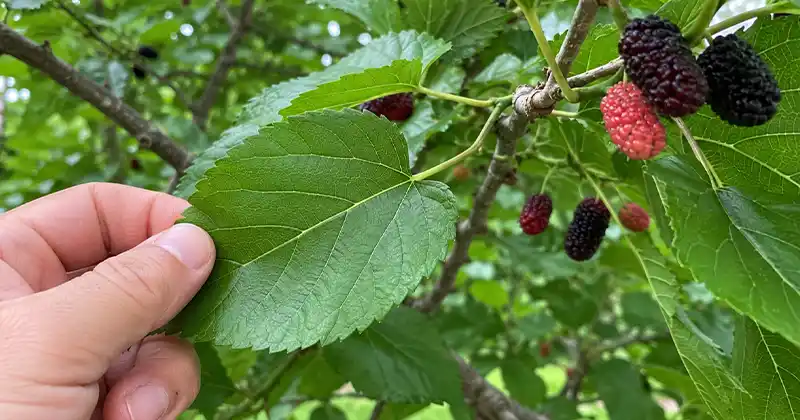
The Essential Health Benefits of Mulberry Leaves
Blood Sugar Regulation: Mulberry leaves contain a specific natural compound called 1-deoxynojirimycin (DNJ). This compound slows down the breakdown and digestion of carbohydrates in the intestine, helping to prevent sudden spikes in blood sugar and insulin after meals.
Cardiovascular and Cholesterol Support: The flavonoids and antioxidants found in mulberry leaves help reduce “bad” LDL cholesterol and triglycerides while promoting a healthy level of “good” HDL cholesterol. This supports smooth blood flow and protects cardiovascular health in the long term.
Remarkable Nutritional Value: Mulberry leaves are highly rich in essential nutrients. They provide substantial amounts of calcium, iron, zinc, magnesium, vitamin C, and essential amino acids necessary for maintaining energy and proper muscle function.
High Antioxidant Content: Thanks to natural compounds such as rutin and quercetin, mulberry leaves help neutralize free radicals within the body. This reduces systemic inflammation, protects cells from daily damage, and supports the repair of skin and tissues.
Digestive System Support: The leaves contain soluble fibers and mucilages that soothe the digestive tract, facilitate intestinal transit, and nourish the beneficial bacterial flora of the colon.
Benefits for the Skin: Whether applied topically or consumed regularly, the anti-inflammatory and antibacterial properties of mulberry leaves calm redness, alleviate acne, and gradually diminish pigmentation spots.
How to Easily Incorporate Mulberry Leaves Into Your Daily Life
Enjoying the virtues of mulberry leaves requires neither costly equipment nor complicated procedures. Here are five simple ways to prepare and consume them at home:
Infusion of Fresh or Dried Leaves
Main Benefit: Balances blood sugar and provides daily hydration.
Preparation: Place 1 to 2 teaspoons of dried leaves (or 4 to 5 well-washed fresh leaves) in a cup. Pour hot water over them and let infuse for 8 to 10 minutes. Strain and consume plain, ideally just before or during a carbohydrate-rich meal.
Homemade Leaf Powder
Main Benefit: A quick nutritional boost to add to your meals and drinks.
Preparation: Wash fresh leaves thoroughly, then dry them completely using a food dehydrator or by spreading them out in a warm, airy room for several days. Grind into a fine powder using a blender or spice grinder. Add half a teaspoon of this powder to a morning smoothie, a bowl of porridge, yogurt, or soup.
Cooked Vegetables Made From Leaves
Main Benefit: Direct nutrition, prepared like traditional vegetables.
Preparation: Harvest young leaves in late spring. Boil them for 3 to 5 minutes to soften and remove slight bitterness. Drain them, then sauté in olive oil with garlic and a pinch of salt. Serve as a simple side dish.
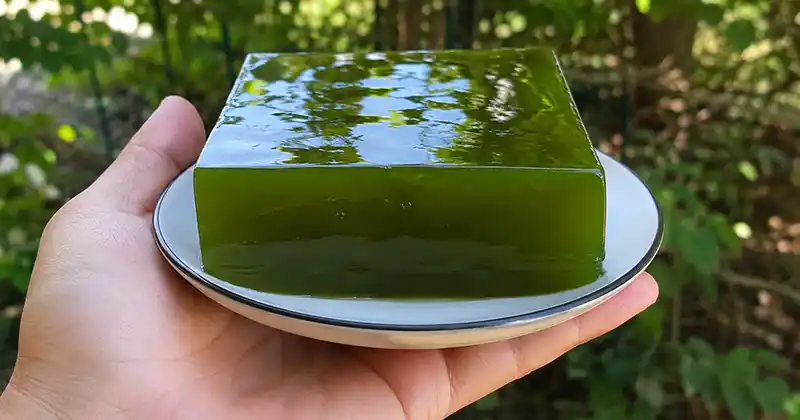
Mulberry Leaf Jelly (Plant-Based)
Main Benefit: A refreshing summer treat that preserves water-soluble nutrients.
Preparation: Blend fresh leaves with cold water, then strain the pulp to obtain a dark green infusion. Gently heat this liquid over low heat and add a plant-based gelling agent such as agar-agar or neutral gelatin. Pour into small molds and refrigerate until fully set.
Soothing Facial Wash or Compresses
Main Benefit: Soothes skin irritations, eruptions, and inflammatory redness.
Preparation: Prepare a very concentrated mulberry leaf infusion and allow it to cool to room temperature. Use this infusion to gently rinse the face or soak a clean cloth and apply it to irritated areas for 10 minutes.
Harvesting and Usage Tips
Choose Safe Sources: Only collect leaves from mulberry trees located far from busy roads, industrial areas, or fields treated with chemical pesticides and herbicides.
Harvest Period: Young, light green leaves picked in spring or early summer offer the mildest flavor and the highest concentration of beneficial active compounds.
Proper Storage: Store leaves fully dried in an airtight container, away from heat and direct light. They remain effective for up to one year.
Timing of Consumption: To maximize the effect on carbohydrate digestion, drink mulberry leaf tea or consume the powder within 15 minutes before a meal.
Practice Moderation: Mulberry leaves are safe for daily use in general, but start with small amounts to observe how your body reacts. People undergoing treatment to lower blood sugar levels should remain vigilant by regularly monitoring their rates.
Incorporating mulberry leaves into your routine is a simple, economical, and natural way to boost your physical health with a widely available plant. Whether enjoyed as a daily hot infusion, added as a nutritious powder, or transformed into a refreshing jelly, mulberry leaves provide easy access to the benefits of a natural treasure.
