

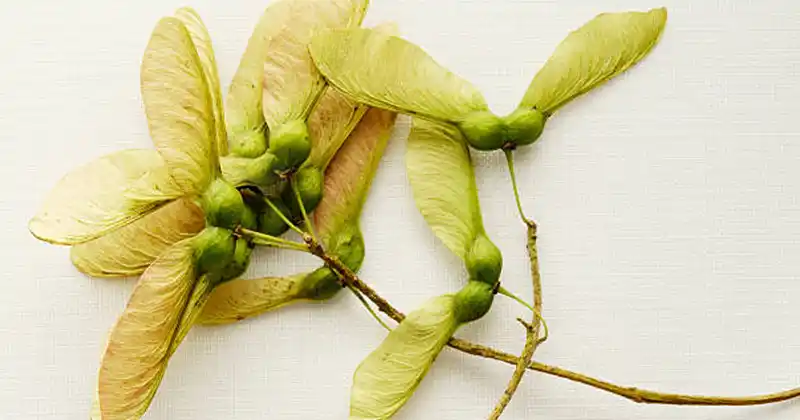
Many people are familiar with maples and the delicious syrup derived from these trees, but few realize that their seeds also represent a valuable food resource. These distinctive winged seeds, often called “helicopters” or “whirlybirds,” are not only fascinating to watch as they spin through the air when falling to the ground; they are packed with nutrients and offer numerous health benefits. This article explains how to harvest these maple seeds, their health advantages, and the various ways to incorporate them into your daily life.
How to Harvest Maple Seeds
Collecting maple seeds is straightforward and requires minimal effort. Here is a step-by-step method to do it:
Choose the Right Time – Depending on the species, maples produce their seeds in either spring or autumn. It is essential to identify mature seeds, which have turned brown and are ready to fall naturally.
Select Healthy Seeds – Pick seeds from vigorous trees that have not been treated with pesticides. Avoid seeds that show signs of mold or damage.
Detach the Wings – It is possible to separate the samara, the winged part of the seed, to ease preparation. However, leaving the wing attached is not harmful.
Consume Fresh or Dry Them – Fresh seeds can be eaten immediately, while dried seeds can be stored for later use.
The Nutritional Benefits of Maple Seeds
Although not widely known, maple seeds possess many beneficial properties:
High in Protein – These seeds provide a substantial amount of protein, making them a valuable plant-based source of essential amino acids.
Source of Healthy Fats – Certain species, such as the box elder maple (Acer negundo), have seeds rich in beneficial lipids that promote good health.
Rich in Antioxidants – They contain natural compounds that fight oxidative stress and contribute to overall well-being.
Contain Essential Minerals – Potassium, magnesium, and iron are among the minerals found in maple seeds, supporting muscle function, strong bones, and healthy blood circulation.
A Natural Energy Source – Their carbohydrate content makes them a natural energy supply comparable to other nut-like fruits.
Supports Digestion – The fiber present in the seeds aids intestinal transit and digestive health.
Potential Anti-Inflammatory Effects – Some studies suggest that compounds in maple plants may have mild anti-inflammatory properties.
Possible Aid in Blood Sugar Regulation – The fiber and other natural elements contained in the seeds could help with better blood sugar control when consumed in moderation.
A Sustainable and Free Food Resource – Unlike industrial snacks, maple seeds offer a natural, readily accessible, and environmentally friendly alternative.
Highly Versatile in the Kitchen – These seeds can be incorporated into various dishes, enriching diets in an original and nutritious way.
Different Ways to Consume Maple Seeds
There are several simple methods to include maple seeds in your diet:
As a Roasted Snack – Roast them in the oven with a pinch of salt for a crunchy snack reminiscent of nuts.
Boiled and Eaten Like Beans – Boiling removes bitterness and improves digestibility.
Ground into Flour – Once dried and ground, they can partially replace regular flour in baking.
Added to Soups and Stews – Providing an extra boost of protein and minerals.
Sprouted for Salads – Sprouting the seeds increases their nutritional value.
Mixed into Smoothies – Adding texture and nutrients.
Used as a Coffee Substitute – Roasted and ground seeds can be brewed to make a caffeine-free alternative beverage.
Important Warnings
This text is for informational purposes only. Before consuming any wild plant, it is critical to conduct thorough research and consult a professional botanist or nutritionist. Although many maple species produce edible seeds, some contain compounds that require proper preparation to be safely consumed. We disclaim any responsibility for adverse effects resulting from improper use.
Warning!
Consuming large quantities is not always safe. For example, seeds from Acer pseudoplatanus (sycamore maple) contain toxic substances that are harmful to horses and potentially dangerous to humans if taken in excess. To ensure safety, maple seeds must be boiled or roasted before consumption to reduce these substances.
By following these collection and preparation guidelines, maple seeds can become an interesting and nutritious addition to your diet. Whether you seek a natural snack, a flour alternative, or a caffeine-free beverage, these small but powerful seeds have much to offer!
If you enjoyed this article, feel free to share it with your friends and family!
