
This article is for informational purposes only. For a diagnosis or medical opinion, please consult a healthcare professional.
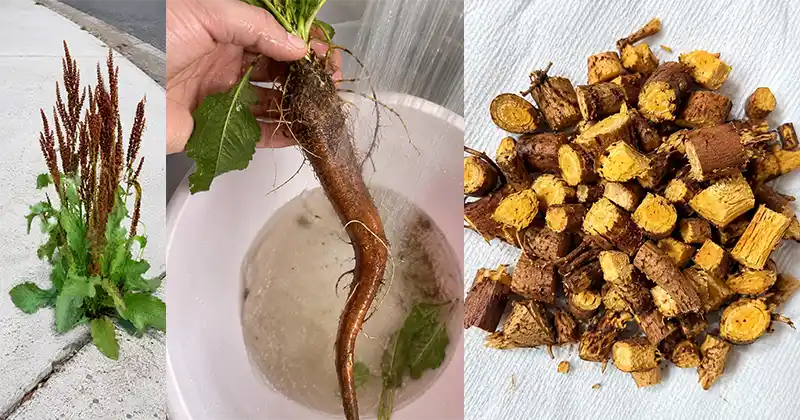
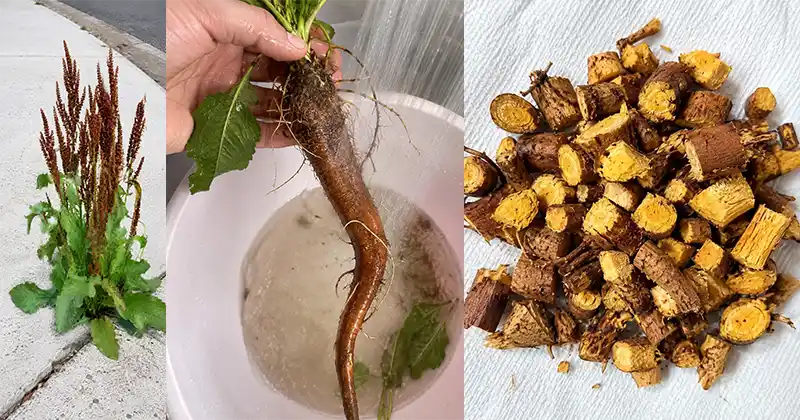
Curly dock, more commonly known as curled sorrel or yellow dock, is a wild plant often encountered without much attention. Found in fields, gardens, and along roadsides, it has long been recognized in traditional herbal medicine. Its value does not primarily lie in its curled green leaves but rather in its fleshy root with a vivid bright yellow color. For generations, this root has been harvested to create simple yet effective homemade remedies.
The Unexpected Power of the Root
If you dig up a curly dock plant and scrape its dark outer bark, you will reveal a bright yellow-orange hue—clear evidence of the presence of active compounds. This root is very bitter, a valuable trait in herbal medicine where bitterness helps to stimulate and support the body’s natural functions.
The main benefits of yellow dock root are the following:

Improved Digestion: Its bitter taste triggers the body to secrete more digestive juices, thereby facilitating the breakdown of food and promoting better nutrient absorption.
Liver Support: Traditionally, this root has been used to strengthen the liver. It stimulates the production of bile, which is essential for digesting fats and eliminating metabolic waste.
Mild Laxative Effect: Thanks to natural compounds called anthraquinones, the root gently activates intestinal muscles, making it a reliable homemade remedy for mild occasional constipation.
Skin Cleansing: By supporting liver function and improving digestion, it helps to eliminate toxins responsible for skin problems. It is often used in treatments for acne, eczema, and various irritations.
Enhanced Iron Absorption: Highly valued in traditional remedies for mild anemia, the root not only contains iron but mainly helps the body extract iron more effectively from food and mobilize liver iron stores.
Traditional Homemade Recipes
The root, being tough and very bitter, is not consumed raw. Instead, it is processed into natural medicinal preparations. Here is how it is traditionally prepared:
Root Infusion (Decoction): Unlike the leaves, the root cannot simply be steeped. It is cut into dried pieces and then gently boiled for 15 to 20 minutes to extract its benefits. This decoction is very bitter and is usually consumed in small amounts before meals to stimulate digestion.
Alcoholic Tincture: To preserve its properties over the long term, amateur herbalists soak chopped root in strong alcohol for several weeks. The alcohol extracts the active components, and a few drops of the resulting liquid are consumed.
Healing Ointment: To treat the skin topically, fresh or dried root is ground into powder and mixed with warm water to form a paste. This preparation is applied to small wounds, skin eruptions, or insect bites to reduce swelling and speed up healing.
Infused Oil and Balm: The dried root can be macerated in olive oil for several weeks. This medicinal oil is then filtered and combined with melted beeswax to make a homemade skin balm.
Harvesting and Preparing the Root
If you wish to use yellow dock root at home, harvesting and preparation follow a straightforward process:
When to Harvest: The best time to dig the root is late autumn, after the aerial parts have withered, or early spring, before the new leaves emerge. During these periods, the plant concentrates its energy in the roots.
How to Clean: The roots are often large and deeply buried. Once dug up, they should be carefully scrubbed under running water to remove all soil traces.
How to Cut: Fresh roots are easier to slice and should be cut into thin slices shortly after cleaning.
How to Dry: Spread the slices on a sieve or paper in a dry, warm place out of direct sunlight. Once completely dry and hard, they can be stored in a glass jar kept cool and dark for up to one year.
Some Precautions to Take
Although natural and traditional, yellow dock requires certain basic precautions:
The root has a laxative effect, so it is important not to consume it excessively to avoid abdominal cramps and diarrhea.
It contains oxalic acid; individuals prone to kidney stones should limit its use.
It is advisable to start with very low doses to observe how your body reacts to this potent bitterness.
Curled sorrel is not just an ordinary weed found in gardens. Its bright yellow root conceals an ancient knowledge of safe and beneficial uses. By supporting the liver, stimulating digestion, and helping the skin to purify itself, this plant perfectly illustrates the richness of natural medicines found all around us.
Inspired by this article? Feel free to share it with those around you!
