
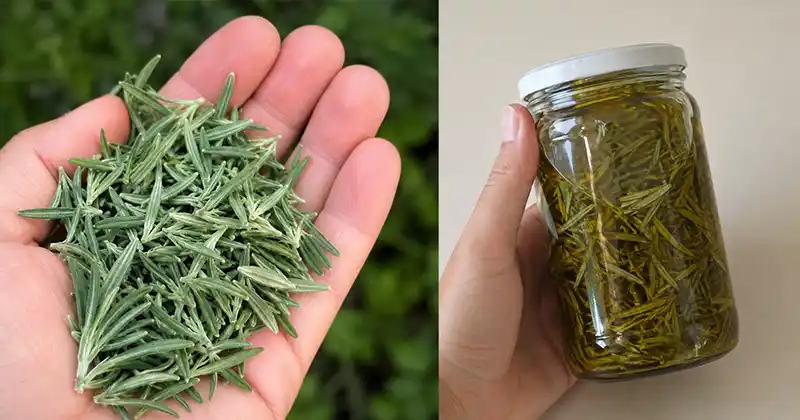
When you think of lavender, the image that immediately comes to mind is that of its vibrant purple flowers. These blossoms capture all the attention with their enchanting fragrance and calming properties. Yet, the green leaves of the lavender plant are often overlooked, despite holding valuable potential. In fact, these leaves contain unique benefits and are very easy to use at home.
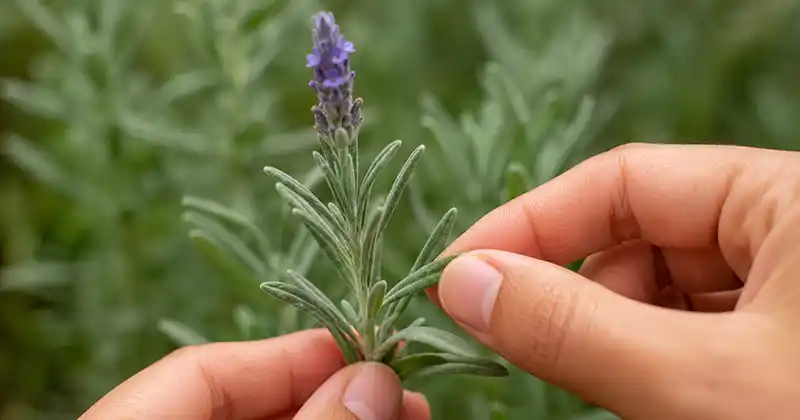
If you have a lavender plant, utilizing the leaves allows you to fully enjoy the treasures that this remarkable herb offers as a whole.
The Natural Benefits of Lavender Leaves
Lavender leaves share many of the same properties as the flowers, including essential oils and beneficial compounds, though in slightly different proportions. Their scent is distinctively more earthy and woody, sometimes reminiscent of rosemary.
Here is what makes lavender leaves so powerful:
Soothing Properties: They contain linalool, a natural compound well-known for reducing stress and promoting relaxation.
Antibacterial and Antifungal Action: The natural oils in the leaves fight certain bacteria and fungi, making them ideal for natural cleaning or skin care.
Insect Repellent: Insects, especially moths, are naturally deterred by the leaves’ strong aroma, which is useful for protecting clothing and textiles.
Digestive Support: Brewed as a tea, the leaves soothe stomach discomfort and aid digestion.
Home Uses for Well-being and Personal Care
Taking care of yourself becomes simple with lavender leaves, whether fresh or dried. Their fragrance and flavor are intense, so only a small amount is needed to enjoy their benefits.
Relaxing Herbal Tea: Prepare an infusion with fresh or dried leaves. Since the flavor can sometimes be quite strong, it’s recommended to mix them with gentler herbs like chamomile or lemon balm. Steep a few leaves in hot water and enjoy before bedtime.
Soothing Bath Salts: Chop some dried leaves and blend them with Epsom salts. In a warm bath, the heat releases essential oils, making it perfect for relaxing tired muscles after a long day.
Infused Body Oil: Fill a glass jar halfway with dried lavender leaves, then pour in a vegetable oil such as sweet almond or olive oil. Let it rest in sunlight for a few weeks, shaking regularly. Strain to obtain a naturally fragrant oil, ideal for moisturizing dry skin.
Incorporating Lavender Leaves in Cooking
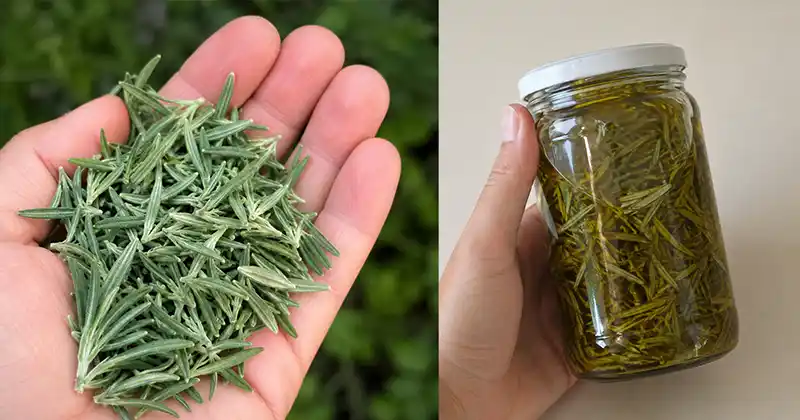
While lavender flowers are mostly used in desserts and pastries, the leaves add a perfect flavor to savory dishes. Their distinct, slightly resinous taste evokes pine and blends well in the kitchen.
Rosemary Substitute: The simplest way to use lavender leaves in cooking is to replace rosemary. Chop them fresh or dried and sprinkle over roasted vegetables, baked potatoes, or meats.
Flavored Vinegar: Place a handful of fresh leaves in a jar and fill it with cider or white wine vinegar. Let it steep for several weeks before straining. This fragrant vinegar is an excellent base for homemade vinaigrettes.
Herb Blends: Dry the leaves, grind them, and mix with other common herbs like thyme and salt. This blend makes a simple, flavorful seasoning for soups and stews.
Natural Solutions for the Home and Cleaning
Thanks to their antibacterial power and fresh scent, lavender leaves are perfect for freshening up your home and imparting a pleasant fragrance without harsh chemicals.
Drawer and Closet Sachets: Dried leaves are excellent for scenting your clothes. Slip them into small pouches and place them in drawers or hang in your wardrobe. Their aroma also repels moths and other pests.
Multipurpose Vinegar Cleaner: Fill a jar with leaves and pour in household white vinegar. Let it macerate in a dark spot for three to four weeks. Strain the liquid into a spray bottle and dilute with water to clean countertops and sinks.
Natural Indoor Spray: Steep fresh or dried leaves in boiling water for several hours. Let cool, strain, and transfer the liquid to a spray bottle. Use it at home to refresh the air without chemicals.
How to Make the Most of Your Lavender Plant
Harvesting lavender leaves is straightforward. You can prune regularly during the growing season, taking care not to cut the old woody parts of the stems that could damage the plant. For drying, spread the harvested branches in a cool, dark room until they become crisp.
Next time you trim your lavender or gather its beautiful purple flowers, don’t discard the green leaves. They contain remarkable natural potency. By taking a little time to dry or infuse them, you can create homemade, healthy, natural products that benefit your health, cooking, and home environment.
Inspired by this article? Feel free to share it with your friends!
