
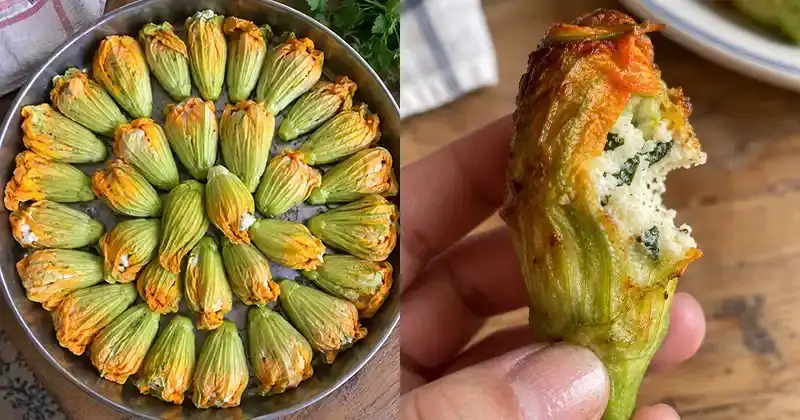
Zucchini plants produce a multitude of vibrant flowers in shades of orange and yellow throughout the growing season. While most gardeners focus solely on harvesting the green zucchinis, the flowers themselves represent a delicate and flavorful delicacy waiting to be discovered.
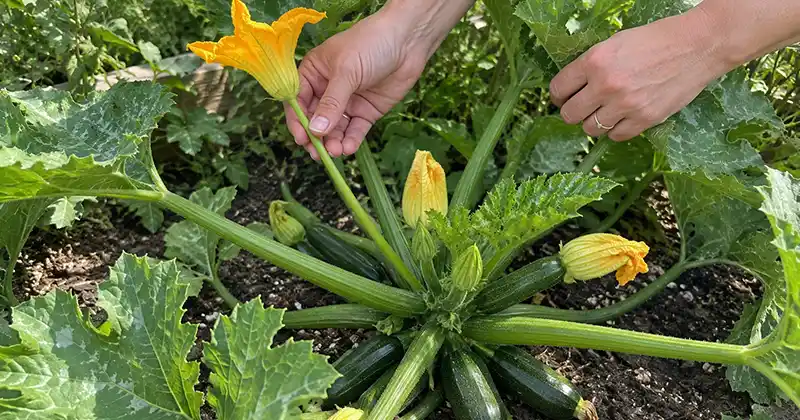
Few amateur gardeners or buyers realize that zucchini plants bloom in two distinct forms: male flowers and female flowers. Since the plants produce many more male flowers than female ones, much of these edible blooms unfortunately go to waste in the garden. Learning to identify, pick, and cook the male zucchini flowers allows you to enjoy an extra harvest without compromising fruit production.
Why Favor Male Zucchini Flowers?
To make the most of your garden, it’s beneficial to understand why male flowers are better suited for culinary use:
A Natural Abundance: Zucchini plants typically produce far more male flowers than female flowers, especially in early summer.
Preserving the Harvest: Female flowers are the ones that develop into zucchinis. By leaving these female flowers intact, you ensure full fruit production.
Ensured Pollination: A single male flower is sufficient to pollinate several female flowers. This means you can harvest most of the male flowers for cooking while leaving one or two on the plant to guarantee pollination.
Reducing Waste: Picking male flowers transforms a portion of the unused plant into a gourmet ingredient instead of letting them wither on the stem.
Nutritional Benefits and Health Advantages of Male Flowers
Male zucchini flowers are not only visually appealing; they also contain valuable nutrients. Their delicate texture and high water content contribute many health benefits:
Very Low in Calories: One full cup of fresh flowers contains barely five calories and almost no fat, making them an ideal food for a light diet.
Rich in Vitamin A: Their bright yellow and orange hues come from plant pigments converted into vitamin A in the body, essential for good vision, strong immune defenses, and healthy skin.
Good Source of Vitamin C: Fresh zucchini flowers contain vitamin C, a crucial antioxidant that protects cells and promotes collagen production for healthy tissues.
Supply of Essential Minerals: They also provide modest amounts of calcium to strengthen bones, iron for blood health, and potassium to regulate blood pressure.
Easy to Digest: The softness of the petals and their rich water content make these flowers gentle on the stomach and easy to assimilate.
Identifying and Properly Preparing Male Flowers
Before cooking them, it’s essential to correctly identify and carefully prepare the flowers:
Observe the Flower Base: Male flowers grow on long, thin, smooth stems. Female flowers, in contrast, have shorter stems topped with a small swollen immature zucchini just behind the petals.
Harvest Early in the Morning: Pick the flowers when the petals are fully open, very early in the morning. This makes them easier to clean and stuff.
Rinse Gently: Briefly dip the flowers in a bowl of cold water to remove dirt or insects, then pat them dry softly with paper towels.
Remove the Stamen: Carefully slip your fingers inside the flower to pull out the central yellow stamen, which is often slightly bitter though safe to eat.
Keep Part of the Stem: Leave about 2 to 3 centimeters of stem attached at the base; this part is edible and helps handle the flower during cooking or dipping.
The Most Popular Ways to Cook Male Zucchini Flowers
Zucchini flowers offer a mild and slightly sweet flavor reminiscent of young, tender zucchini. Their hollow center and delicate petals make them particularly versatile in cooking. Here are the most appreciated preparations:
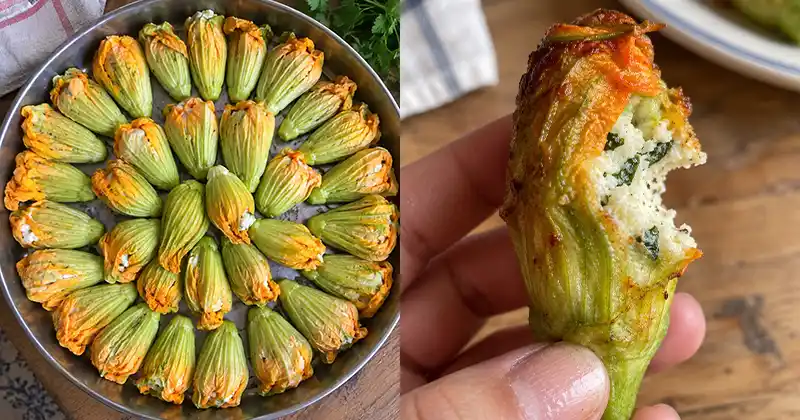
1. Stuffed and Baked or Fried
The classic way to enjoy these flowers is to stuff them:
Fill the center of each flower with a mixture of creamy ricotta, Parmesan, garlic, salt, and fresh herbs such as basil or parsley.
Carefully close the petal tips by twisting them to seal the filling inside.
Place the flowers on a baking sheet, drizzle with a little olive oil, and bake at 200°C (400°F) for 10 to 12 minutes until the edges turn golden and crispy. Alternatively, sauté them gently in olive oil in a pan.
2. Crispy Flowers in a Light Batter
A simple batter wraps the flower in a crispy crust while keeping the inside tender:
Mix equal parts flour and sparkling water (or a light beer) with a pinch of salt to create a smooth batter.
Dip each prepared flower in the batter to coat it thoroughly.
Fry in a shallow pan with olive or vegetable oil, 1 to 2 minutes per side, until a light golden and crispy color is achieved.
Drain on paper towels, sprinkle lightly with sea salt, and serve promptly.
3. Fresh Raw Salads
For those who prefer raw ingredients, zucchini flowers add color and a tender texture to summer salads:
Cut the washed flowers into thin strips or leave them whole.
Combine them with greens, cherry tomatoes, cucumber slices, and a drizzle of olive oil.
Choose a light lemon juice dressing rather than a strong vinegar that might overpower their subtle flavor.
4. Topping for Pizzas and Flatbreads
Zucchini flowers integrate perfectly into bread and pizza preparations:
Place the whole or slightly opened flowers directly on homemade pizza or flatbread dough before baking.
Pair them with mild cheeses such as mozzarella, fresh goat cheese, or ricotta, and drizzle with olive oil.
In the oven, the petals become crispy at the edges while remaining tender and fragrant inside.
5. In Pasta, Frittatas, and Soups
It’s easy to enrich everyday dishes by adding these male flowers:
Pasta: Chop the flowers and briefly sauté them in butter or olive oil with garlic, then mix with cooked pasta and grated Parmesan.
Frittatas and Omelets: Incorporate chopped flowers directly into beaten eggs before cooking, or arrange whole flowers on top just before placing the pan in the oven.
Soups: Add whole or chopped flowers into hot vegetable broths during the last two minutes of cooking so they soften without falling apart.
Quick Tips for Storage and Handling
Zucchini flowers are fragile and require gentle handling:
Short Shelf Life: When freshly picked, they only last 1 to 2 days in the refrigerator.
Proper Storage: Store them unwashed in a plastic container lined with dry paper towels to avoid excess moisture.
Reviving Wilted Petals: If the petals wilt before cooking, soak them for 5 minutes in a bowl of ice water to refresh them.
Utilizing male zucchini flowers transforms this garden surplus into flavorful dishes. By harvesting them, you reduce waste, gain valuable health benefits, and bring an original, fresh touch to your table.
