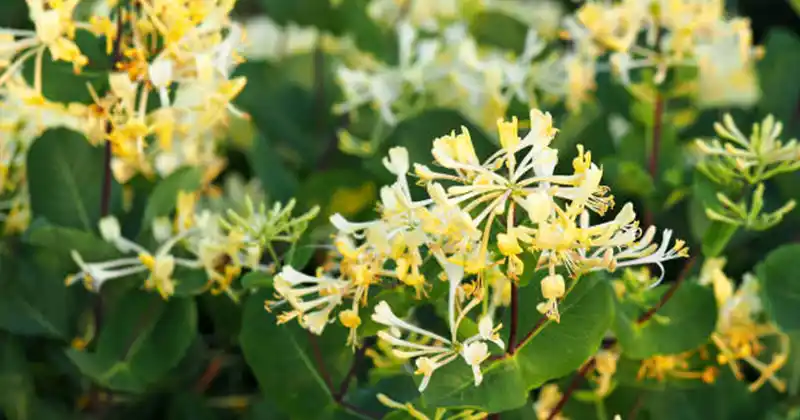
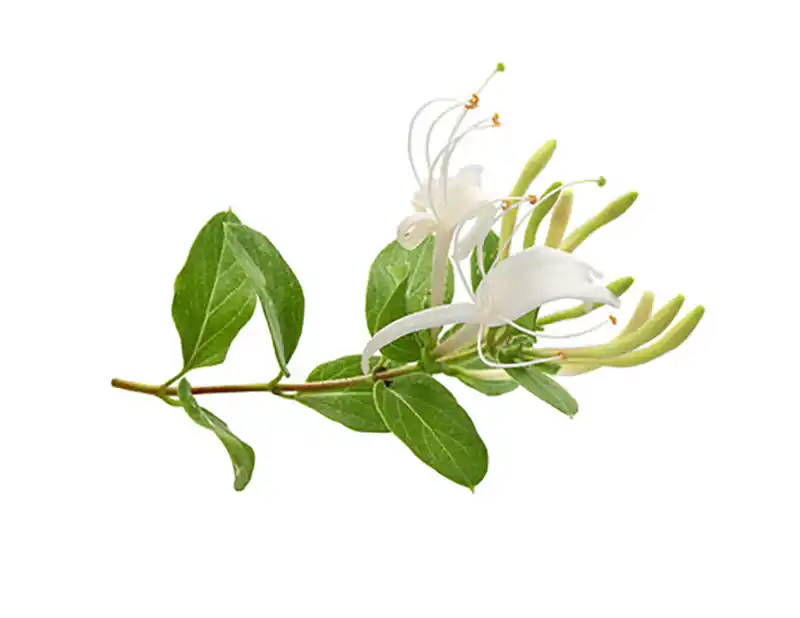
Japanese honeysuckle (Lonicera japonica) is a fragrant flowering vine native to East Asia that has now become widely naturalized in many regions. Although it is often considered an invasive plant in the wild, its traditional uses in herbal medicine—especially in Chinese and Japanese medicine—are highly valued. Below is a detailed overview of its health benefits and home applications:
Key Health and Medicinal Benefits of Japanese Honeysuckle
Anti-inflammatory properties
Japanese honeysuckle contains compounds such as chlorogenic acid and luteolin, which help reduce inflammation within the body. It can be beneficial for conditions like arthritis, sore throats, or skin irritations.
Antiviral and antibacterial effects
Traditionally used in Chinese medicine to “eliminate heat and toxins,” this plant holds active principles capable of fighting certain bacteria (notably Staphylococcus aureus) and viruses responsible for flu and colds.
Immune system support
Thanks to its antioxidants, Japanese honeysuckle helps strengthen the body’s natural defenses, which is particularly useful during periods of colds, flu, or seasonal allergies.
Fever reduction
Honeysuckle tea is sometimes consumed to lower fever, especially within traditional medicine during viral infections.
Respiratory support
Its soothing and anti-inflammatory effects can relieve respiratory ailments such as bronchitis, coughs, and sore throats.
Detoxification
In herbal medicine, Japanese honeysuckle is employed to promote toxin elimination due to its diuretic properties, thereby stimulating waste removal through urine.
Digestive health
A mild tea made from the honeysuckle flowers can help soothe gastric discomfort or aid in easing digestion issues.
Skin care and wound healing
When applied externally as infusions or pastes, honeysuckle flowers can encourage healing of minor wounds, boils, skin irritations, or acne thanks to their antimicrobial and anti-inflammatory characteristics.
Oral health
Its antibacterial properties make it an excellent ingredient for homemade mouthwashes, supporting healthy gums and teeth.
Calming effects
While not a sedative, honeysuckle tea can provide a gentle sense of relaxation due to its refreshing and soothing virtues.
Home Uses of Japanese Honeysuckle
Warning: Only use the flowers and leaves in small amounts. The berries are toxic and must never be ingested.
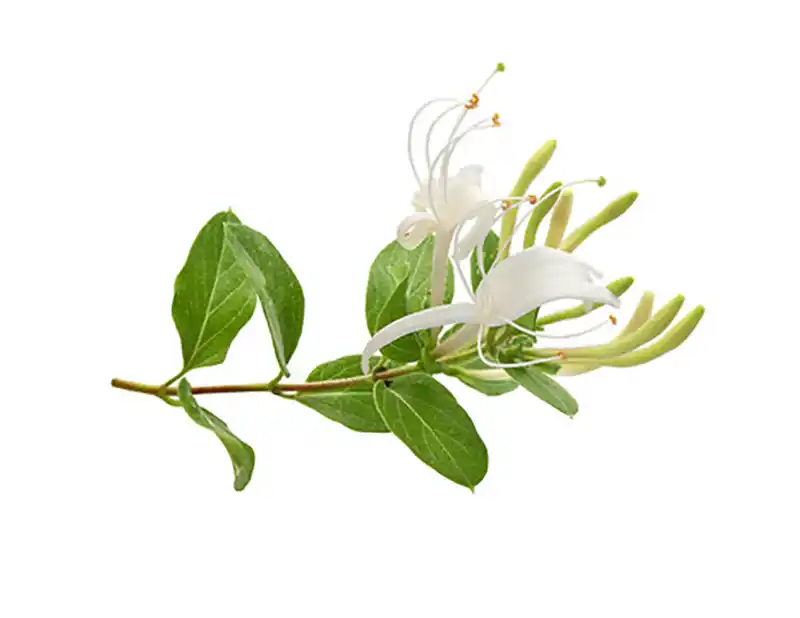
1. Honeysuckle Tea (for colds, fever, and detoxification)
Ingredients:
1 tablespoon of dried honeysuckle flowers (or a small handful of fresh flowers)
2 cups of boiling water
Preparation:
Steep the flowers in boiling water for 10 to 15 minutes.
Strain and drink up to twice daily.
Recommended during flu season or to soothe mild infections, sore throat, or digestive discomfort.
2. Honeysuckle Syrup (for cough and sore throat)
Ingredients:
1 cup of honeysuckle flowers
1.5 cups of water
½ cup of honey
Preparation:
Simmer the flowers in water for 15 minutes.
Strain the liquid and mix it while still warm with the honey.
Store in a glass jar in the refrigerator.
Take one teaspoon up to three times a day to relieve throat irritations or cough.
3. Honeysuckle Compresses (for skin irritations and minor wounds)
Instructions:
Prepare a concentrated infusion and let it cool.
Soak a clean cloth in the preparation and apply it to the affected area.
Provides soothing relief for skin eruptions, acne, or minor cuts.
4. Honeysuckle Flower Bath (for relaxation and skin health)
Preparation:
Infuse 1 to 2 cups of dried flowers in hot water.
Pour the filtered liquid into a warm bath.
Helps release tension, calm the skin, and promote a sense of well-being.
5. Homemade Mouthwash (for oral hygiene)
Preparation:
Make a light tea using the leaves and flowers.
Allow to cool and use as a mouth rinse one to two times daily.
Helps reduce gum inflammation and freshen breath.
Precautions and Warnings
Never consume the berries, as they are toxic.
Avoid using this remedy during pregnancy or breastfeeding without medical advice.
Before applying topically, perform a patch test on a small area to prevent allergic reactions.
This plant may interact with certain medications or trigger allergies in sensitive individuals.
This content is provided for informational and educational purposes only and does not replace professional medical advice. Always consult a qualified healthcare professional before using herbal remedies, especially if you have existing health conditions, are on medication, or are unsure about the effects. The author and publisher disclaim any responsibility for adverse effects or improper use of the information presented.
Japanese honeysuckle (Lonicera japonica) is much more than a fragrant ornamental plant. It offers a range of natural solutions, from soothing teas to simple skin treatments, particularly suited for colds, inflammations, and skin problems. Always use the appropriate parts—flowers and young leaves—and do not hesitate to consult a specialist if in doubt. When used properly, it is a gentle and effective resource in your home herbal medicine kit.