
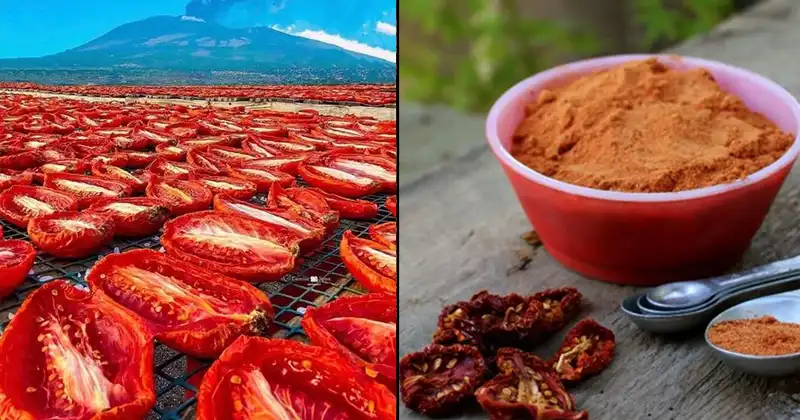
Tomatoes are a staple ingredient in every kitchen, yet an excess of tomatoes can quickly become a problem for both farmers and consumers. This surplus often leads to significant post-harvest losses, leaving producers facing difficult choices and depriving tomato lovers of their favorite dishes. However, there is a beneficial solution for everyone: transforming this excess of tomatoes into versatile tomato powder. In this article, we will explore why producing tomato powder is a sustainable practice and how to use it creatively in your recipes.
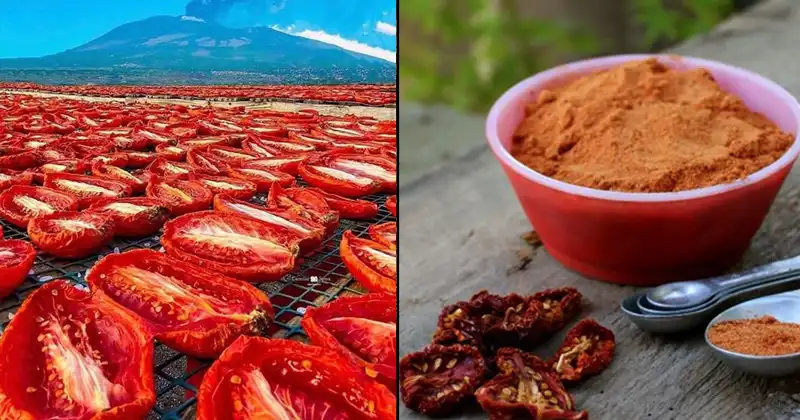
The Challenge of Tomato Surpluses and Post-Harvest Losses
Producers often face an overabundance of tomatoes, which results in considerable post-harvest losses. A large portion of the fruit ends up spoiling in the fields or markets due to inadequate preservation solutions. This issue is partly linked to a lack of knowledge about storage and tomato valorization techniques.
The consequences are severe: over half of the production can be lost, severely impacting farmers’ income and weakening the global food supply chain. Finding solutions to this issue is crucial for more responsible and efficient resource management.
Converting Tomatoes into Powder: An Innovative Solution
To address this challenge, one ingenious method is to turn excess tomatoes into tomato powder. This transformation not only helps prevent waste but also increases the product’s value. Here is the process to make your own tomato powder:

Step 1: Select the Best Tomatoes
Begin by choosing ripe, high-quality tomatoes. Although all varieties can be used, Roma tomatoes are particularly recommended for their dense flesh and low water content, which facilitates drying.
Step 2: Wash and Slice the Tomatoes
Thoroughly wash the tomatoes, remove the stems, then cut them into thin and even slices. This uniform slicing speeds up the dehydration process.
Step 3: Dehydrate the Slices
Use a food dehydrator, a low-temperature oven, or, if necessary, sunlight to dry the tomato slices. The goal is to remove as much moisture as possible, as the lower the water content, the longer the powder will keep.
Step 4: Grind into Powder
Once the slices are completely dried, grind them using a mill or blender until a fine powder is obtained. You now have your homemade tomato powder.
The Many Culinary Uses of Tomato Powder
Tomato powder is an incredibly versatile ingredient that can enhance numerous culinary preparations. Here are some ideas to easily incorporate it into your dishes:
Sauces and Soups: To quickly prepare tomato sauce or soup, simply dilute the powder with hot water until you reach the desired texture and flavor.
Seasonings and Marinades: Add the powder to your spice blends or brush it onto meats, poultry, and vegetables to impart an intense tomato flavor.
Baked Goods: Incorporate tomato powder into bread dough, rolls, or pastries to subtly enrich their taste.
Salad Dressings: Enhance your salad dressings by adding a pinch of tomato powder, which will provide a unique flavor twist.
Instant Soup: For an express tomato soup, just rehydrate the powder with hot water. A tasty meal ready in no time.
Dips and Spreads: Mix it with dairy products or plant-based alternatives to create delicious and unexpected dips and spreads.
Marinades: Combine the powder with other spices to craft flavorful marinades suitable for meat, tofu, or vegetables.
Snacks: Sprinkle it on popcorn, chips, or dried fruits for an original, savory, and fragrant snack.
In Conclusion
Converting tomatoes into powder is an effective response to surpluses, helping reduce food waste and sustainably valorize this fruit. With a shelf life that can exceed a year, tomato powder is a valuable asset in your pantry. So, at the next abundant harvest, consider preparing tomato powder to explore a multitude of flavors and recipes throughout the year.
Convinced? Feel free to share this article with your friends and family!
