
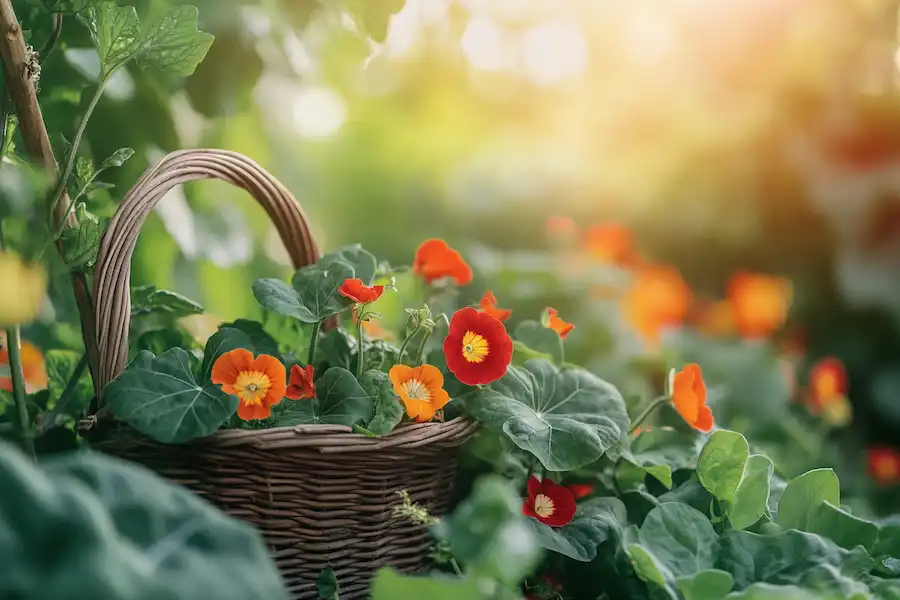
Nasturtiums are a versatile, vibrant, and highly beneficial plant to include in any family garden. Known for their beautiful flowers in shades of orange, yellow, and red, they not only bring a splash of color and charm to your outdoor space but also offer many practical uses. From their role in natural pest control to their ability to attract pollinators, nasturtiums are easy to grow, edible, and enhance gardens of all sizes. Let’s explore together why these plants are indispensable and how to make the most of every part of the nasturtium.
The Benefits of Growing Nasturtiums in Your Garden
1. Natural Pest Control for a Healthy Garden
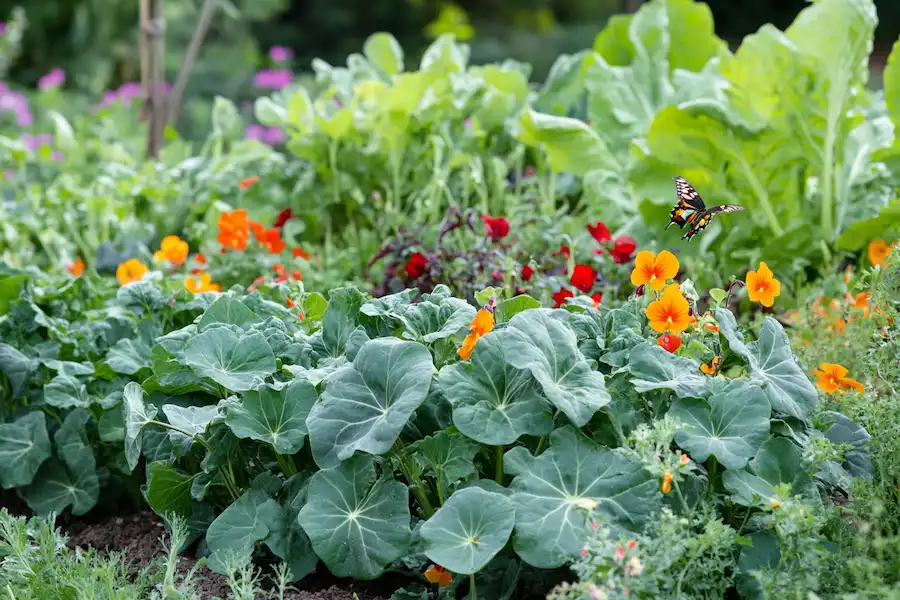
Nasturtiums act as a “trap plant” by attracting pests such as aphids, caterpillars, and whiteflies, thus diverting these harmful insects away from your more delicate plants. They are ideal companions for vegetables like tomatoes, cucumbers, and peppers. Planting nasturtiums nearby creates a natural barrier in your vegetable garden, significantly reducing the need for chemical pesticides.
2. An Effective Magnet for Pollinators, Boosting Garden Productivity
Thanks to their bright and attractive flowers, nasturtiums lure bees, butterflies, and other beneficial insects. These pollinators play a crucial role in the reproduction of many fruit and vegetable crops. By attracting them, nasturtiums improve pollination, resulting in increased yields for plants such as squash, zucchini, and berries.
3. Easy to Grow: Hardy and Low Maintenance
What sets nasturtiums apart is their hardiness and ability to thrive in poor soil conditions. In fact, they often flourish better in nutrient-poor soil where other plants struggle to grow. This makes them perfect for gardeners seeking low-maintenance options. They are drought tolerant, grow quickly, and spread throughout the garden with minimal effort. Nasturtiums require only occasional watering and adapt well to containers as well as hanging baskets.
4. Edible and Flavorful: A Unique Ingredient for Creative Cooking
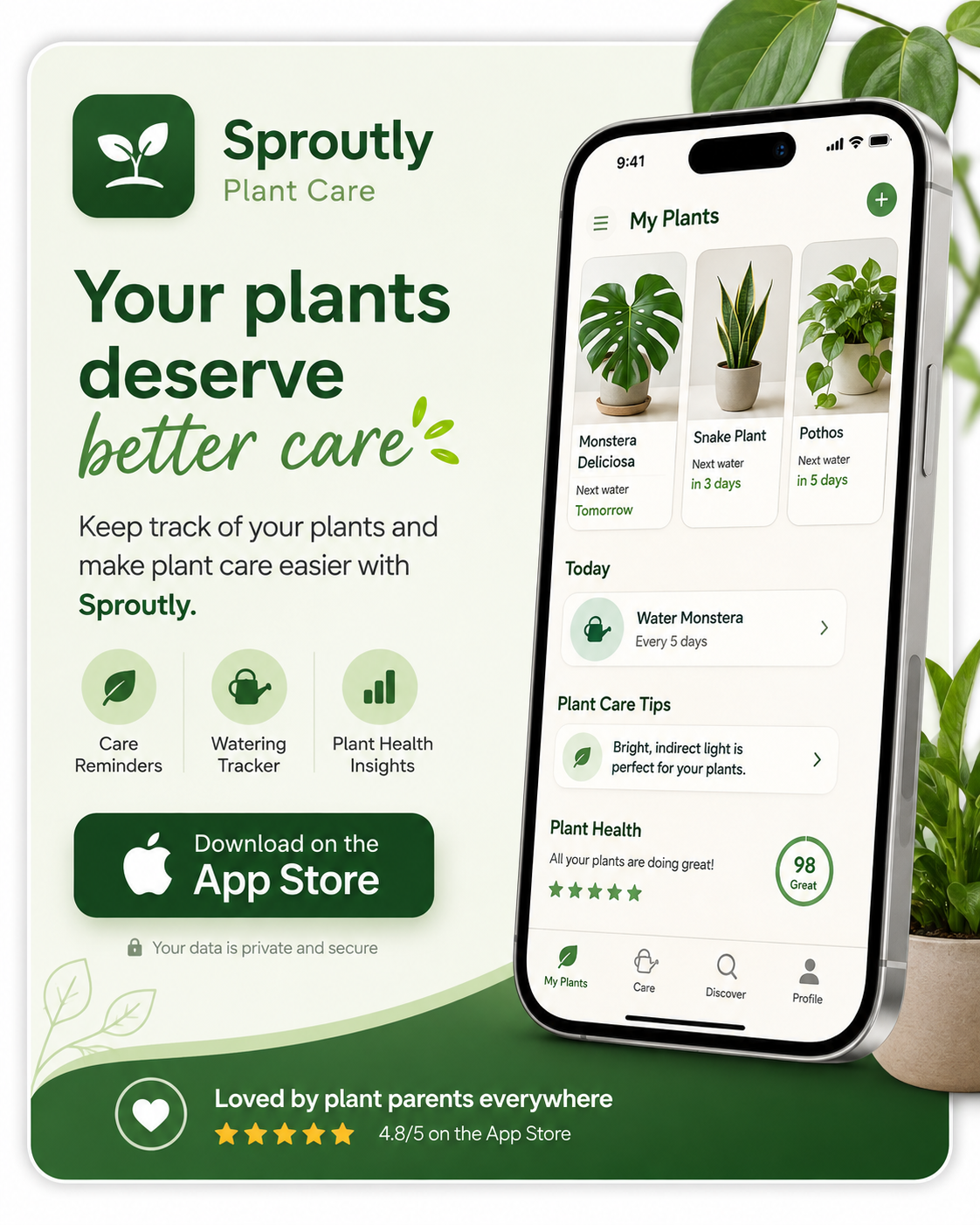
Every part of the nasturtium — flowers, leaves, and seeds — is edible and distinguished by a unique peppery flavor that enhances many dishes. The flowers, with their vibrant color and delicate texture, brighten salads, while the leaves can be used in a variety of savory preparations. The seeds, when pickled, make a delicious caper substitute. This plant is highly valued by those who enjoy experimenting with fresh ingredients in the kitchen.
How to Fully Utilize Every Part of the Nasturtium
Each part of the plant has its own flavor profile and culinary uses. Here’s how to incorporate nasturtium flowers, leaves, and seeds into your recipes.
1. The Flowers
Flavor: The flowers have a subtle peppery note, reminiscent of arugula, which adds a fresh and zesty touch to dishes.
Uses:
Add them to salads for a colorful and spicy accent.
Use them as a garnish for appetizers, soups, or main courses.
Stuff them with fresh cheeses like goat cheese or ricotta for an appetizer that is both visually appealing and delicious.
2. The Leaves
Flavor: Nasturtium leaves have a spicy and peppery taste, perfect for enhancing savory dishes.
Uses:
Include fresh leaves in salads, sandwiches, or wraps for a spicy kick.
Prepare an original pesto by blending the leaves, ideal for pasta or grilled vegetables.
Add them to omelets or frittatas for a herbaceous and flavorful boost.
3. The Seeds
Flavor: The green seeds offer a tangy taste similar to capers.
Uses:
Pickle immature seeds to create “poor man’s capers,” perfect for salads, sauces, or condiments.
Add them to marinades for meats or vegetables to enhance flavor.
Grind dried seeds to make a peppery spice to sprinkle over roasted vegetables or salad dressings.
Growing and Caring for Nasturtiums
Nasturtiums are among the easiest plants to grow, suitable for both beginners and experienced gardeners alike.
Planting
Best time: Sow nasturtium seeds in spring once the risk of frost has passed, or start them indoors a few weeks earlier to get a jumpstart on the growing season.
Soil type: They prefer poor or well-drained soil, as overly rich soil encourages abundant foliage growth at the expense of flowers.
Exposure: While they tolerate partial shade, nasturtiums flower more abundantly in full sun.
Watering
Frequency: Once established, nasturtiums are drought resistant and should be watered sparingly. Excess water can promote root rot, so allow the soil to dry out slightly between watering sessions.
Maintenance
Pruning: Lightly trim plants to control growth and encourage denser foliage with more flowers. Remove faded flowers to extend the blooming period.
Pests and diseases: Although generally resilient, nasturtiums can attract aphids. In case of infestation, a strong spray of water often effectively removes them.
Harvesting
Flowers: Harvest flowers when fully open and fresh. It’s best to use them immediately, but they can be stored in the refrigerator for 1 to 2 days.
Leaves: Pick young leaves for a milder flavor. They are best eaten fresh or kept in the fridge for up to a week.
Seeds: Collect green seeds while still tender or allow them to dry on the plant if you want to use them as a spice.
Health Benefits of Nasturtiums
Beyond their culinary uses, nasturtiums provide several health benefits:
Rich in Vitamin C: Leaves and flowers are packed with vitamin C, supporting the immune system and helping fight infections.
Antioxidant Properties: They contain antioxidants that protect cells from damage and promote overall well-being.
Antibacterial and Antifungal Effects: The plant naturally possesses antibacterial and antifungal properties, recognized in traditional herbal medicine.
Rich in Minerals: Nasturtiums also supply iron, calcium, and other essential trace elements beneficial to health.
Creative Uses of Nasturtiums Beyond the Garden
Nasturtiums are not only beautiful additions to your garden; they also offer practical and creative uses for the home:
Natural Dyes: The flowers can be used to naturally dye fabrics, giving a soft tint to clothing or household linens.
Floral Decoration: Their colorful blooms make them perfect for bouquets and floral arrangements, brightening up indoor spaces.
Infusions and Homemade Preparations: Use flowers or leaves to make infusions, teas, or infused vinegars, adding a unique aromatic touch.
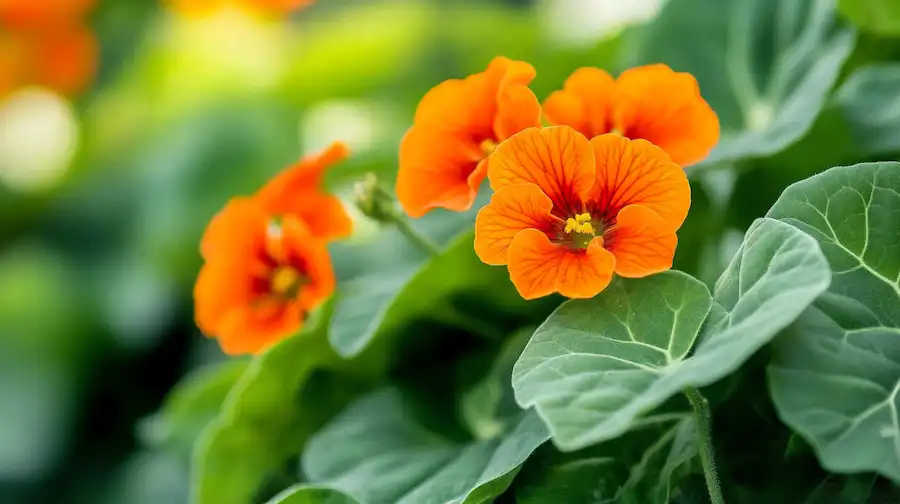
Nasturtiums represent a true asset to any family garden. Their ability to repel pests, attract beneficial insects, and thrive in difficult soils makes them a valuable companion plant. Additionally, their edible flowers, leaves, and seeds offer distinctive flavors for cooks eager to experiment, while their nutritional benefits enrich every meal. Easy to grow and care for, nasturtiums beautify the garden, enhance the kitchen, and support your well-being. Embrace these remarkable plants and watch your garden and culinary creations flourish!
