
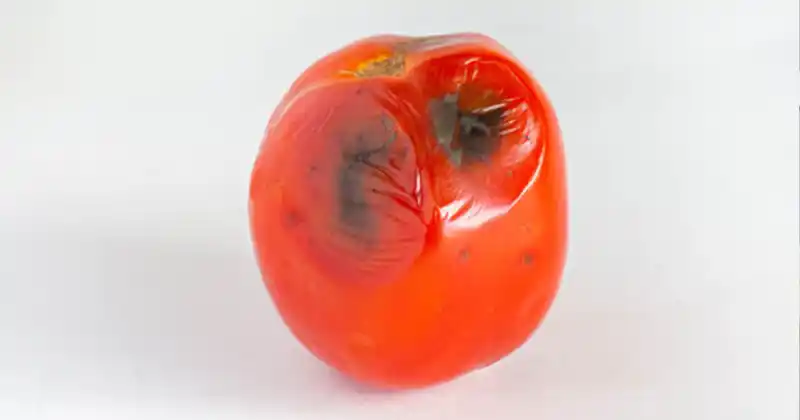
Tomatoes are indispensable ingredients in almost every kitchen. They are used in countless recipes, from salads and sauces to soups and stews. But what should you do when tomatoes become overly ripe, soft, start to crack, or lose their juice? Most people simply throw them away.
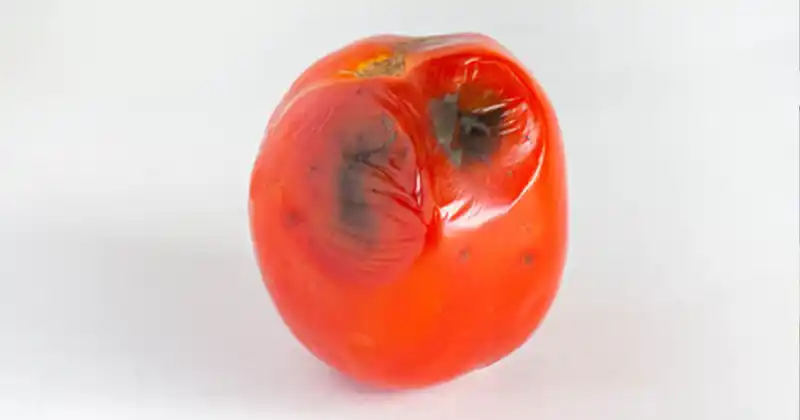
This action, however, is a mistake. While a heavily damaged tomato may not be safe to eat, it can still be transformed into an eco-friendly and useful tool for your home or garden. Instead of wasting them, you can give your rotten tomatoes a second life in three surprising ways: as seedlings, as natural fertilizer, or even as a grease remover.
Let’s explore together how these initially “useless” fruits can become genuine treasures.
1. Growing New Tomato Plants from Rotten Tomatoes
Even when a tomato’s skin is softened, moldy, or cracked, its seeds can still be healthy and viable. These tiny seeds have the potential to sprout and produce strong seedlings, provided they are placed in the right environment.
Here’s how to do it:
Slice the damaged tomato into thin pieces where you can clearly see the seeds embedded in the flesh.
Prepare a pot or garden bed with well-draining soil, filling it about two-thirds full.
Lay the tomato slices flat on the soil surface, making sure they do not overlap.
Cover them with a thin layer of soil, about 1 to 2 centimeters thick.
Spray a little water to keep the soil moist, ensuring the slices stay in place.
Place the pot in a sunny spot and water lightly every day.
Within a week, small green shoots will appear. In one to two months, you will have strong tomato plants ready to be cultivated for fresh fruit. This simple, economical, and eco-friendly method reduces waste while ensuring a continuous supply of homegrown tomatoes.
2. Making Natural Fertilizer from Rotten Tomatoes
Though overly ripe tomatoes may not be appealing on the plate, they are packed with essential nutrients such as potassium, nitrogen, and various organic acids. Instead of buying chemical fertilizers, you can transform your damaged tomatoes into a powerful and effective natural fertilizer for your plants.
Follow this method:
Cut the overly ripe tomatoes into small pieces.
Place them into a clean plastic bottle with a tight-fitting cap, leaving some empty space at the top to allow fermentation.
Add rice rinsing water (the cloudy water leftover from washing rice). If this is unavailable, filtered water will also work, but rice water is preferred for its nutrients.
Fill the bottle to about 80% capacity, leaving some air at the top.
Shake the mixture well and let it ferment in a warm, airy place for 5 to 7 days.
Open the cap daily to release accumulated gases and prevent excessive pressure build-up.
Once fermentation is complete, strain the liquid and dilute it with clean water at a ratio of one part fertilizer to five parts water before watering your plants. This homemade fertilizer supplies vital nutrients, enriches the soil, and revitalizes tired or yellowing plants.
By recycling your tomatoes in this way, you save money and avoid harsh chemical products in your garden.
3. Using Rotten Tomatoes as a Natural Grease Remover
Perhaps the most surprising use is as a natural grease remover. The natural acids found in tomatoes—including citric, acetic, and malic acids—are excellent allies for dissolving stubborn grease stuck to your kitchen utensils.
To use this method:
Remove the most damaged parts of the tomato (throw away any moldy sections).
Rub the remaining tomato pulp directly onto greasy pans or pots, especially where thick layers of grease have accumulated.
The mild acids in the tomato will quickly break down the grease.
Rinse afterward with warm water: your utensil will be clean and shiny without needing chemical dishwashing liquid.
This method is natural, safe, gentle on your skin, and ideal for households wishing to avoid chemical residues on their dishes.
Why Adopt These Methods?
At first glance, a rotten tomato looks like worthless waste. Yet, with a little imagination, it becomes a valuable resource. Here are some reasons to try these tips:
Save money – No need to buy as many seeds, fertilizers, or cleaning products.
Respect the environment – Reduce food waste and avoid harmful chemical use.
Practice sustainable gardening – Provide your plants with natural nutrients while improving soil quality.
Protect your family – Avoid toxic substances in your home.
So, the next time you find soft, leaky, or overly ripe tomatoes in your refrigerator, don’t throw them away. With a little care, you can:
Grow new tomato plants,
Prepare an organic fertilizer,
Or naturally clean greasy utensils.
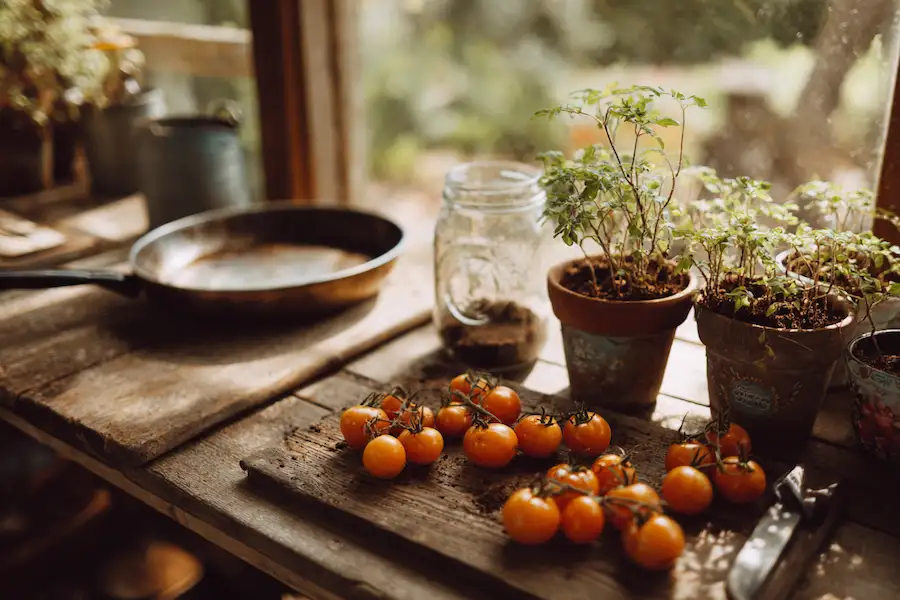
These simple tips will not only help you save money but also contribute to protecting the planet and improving your daily well-being.
So before tossing your damaged tomatoes, remember: what seems lost may still hold great value.
If you appreciated these tips, feel free to share this article with your friends!
