
The Importance of Natural Fertilizers for Healthy Plants
Caring for your plants requires not only patience but also the right practices. Unlike chemical fertilizers, which are often quick and easy to use, natural solutions preserve the soil’s richness over the long term and respect the delicate balance of your green space. By choosing a homemade fertilizer made from simple ingredients, you provide your plants with tailored nutrition while remaining environmentally friendly. Even better, these techniques are accessible to everyone, without the need to invest in expensive equipment or specialized products.
Coffee Grounds: An Unexpected Ally for Your Plants
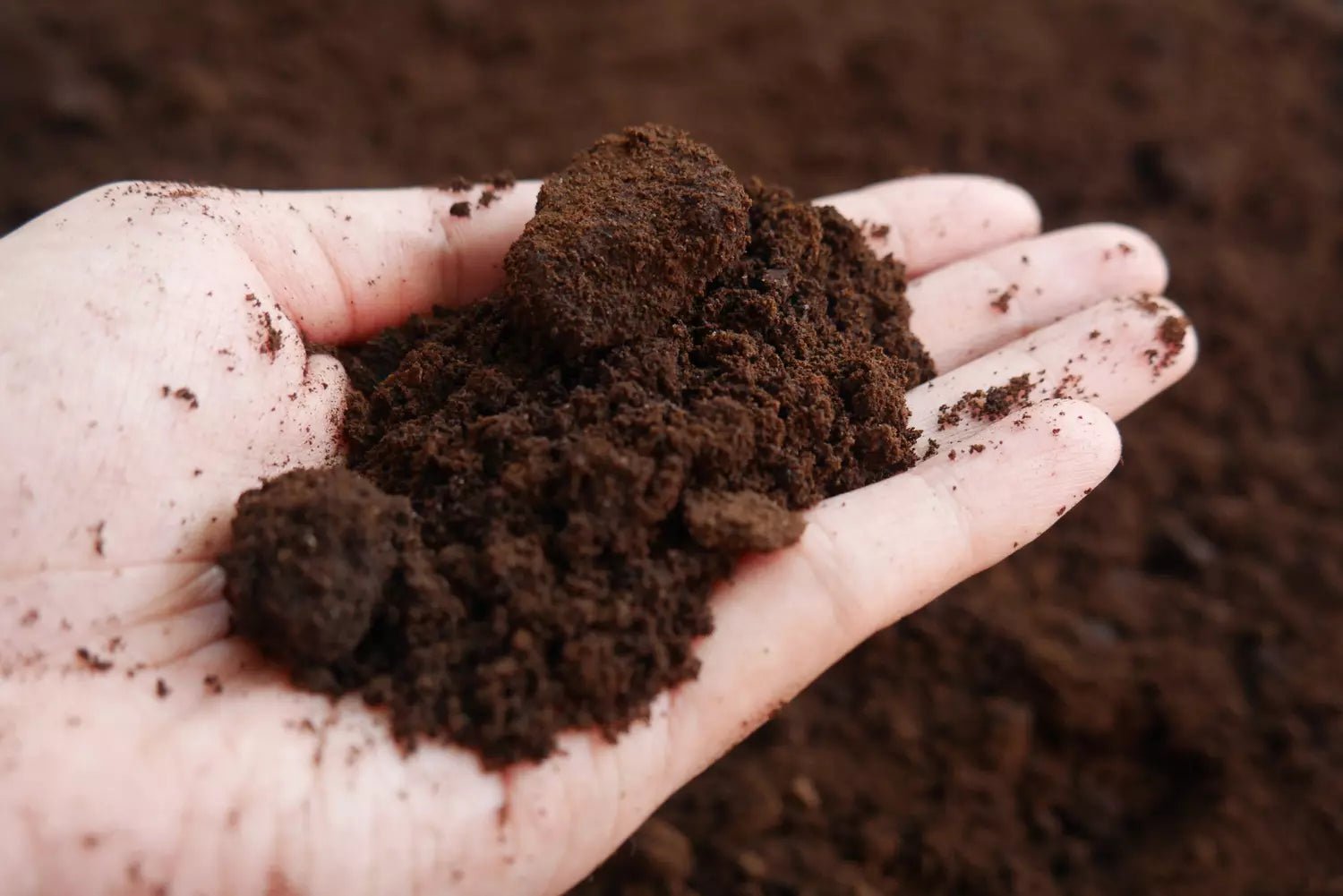
Coffee grounds, often seen as mere waste, are in fact a valuable source of nutrients. Rich in nitrogen, calcium, and magnesium, they enrich the soil while stimulating root growth. Additionally, they contain antioxidants that improve soil structure, thereby promoting blooming and overall plant health. Their natural aroma also acts as a repellent against certain pests, all without resorting to harsh chemical products.
In summary, this everyday waste accumulates numerous benefits: economical, environmentally friendly, and genuinely beneficial for your garden. Now, let’s explore how to use it effectively.
Making Your Own Natural Fertilizer in Just Two Minutes
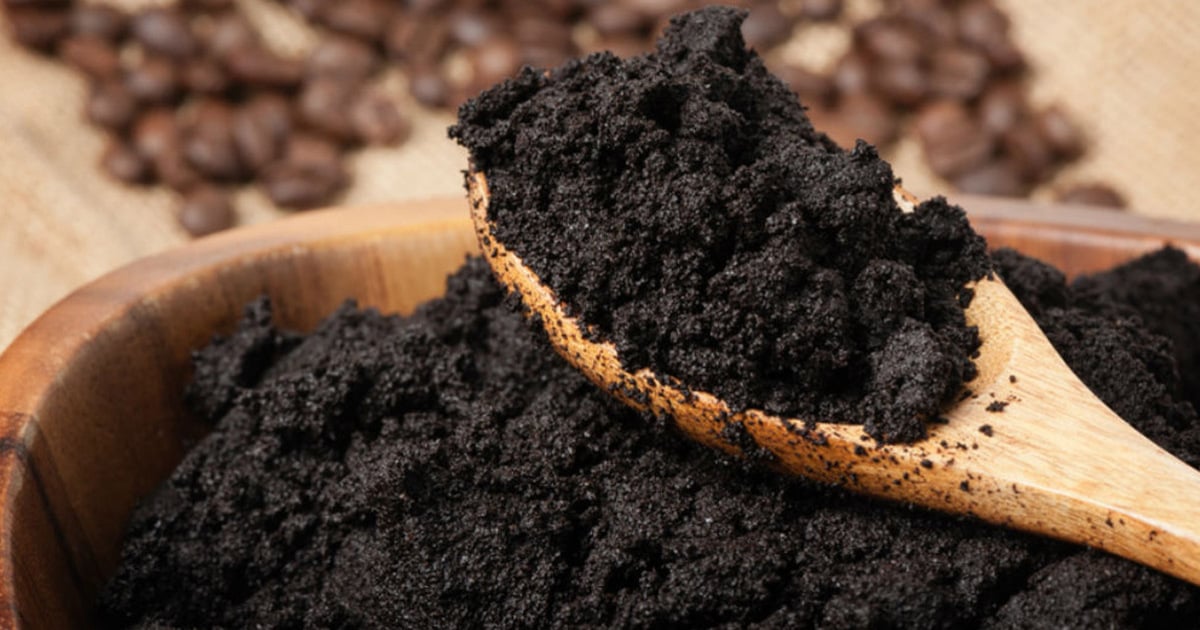
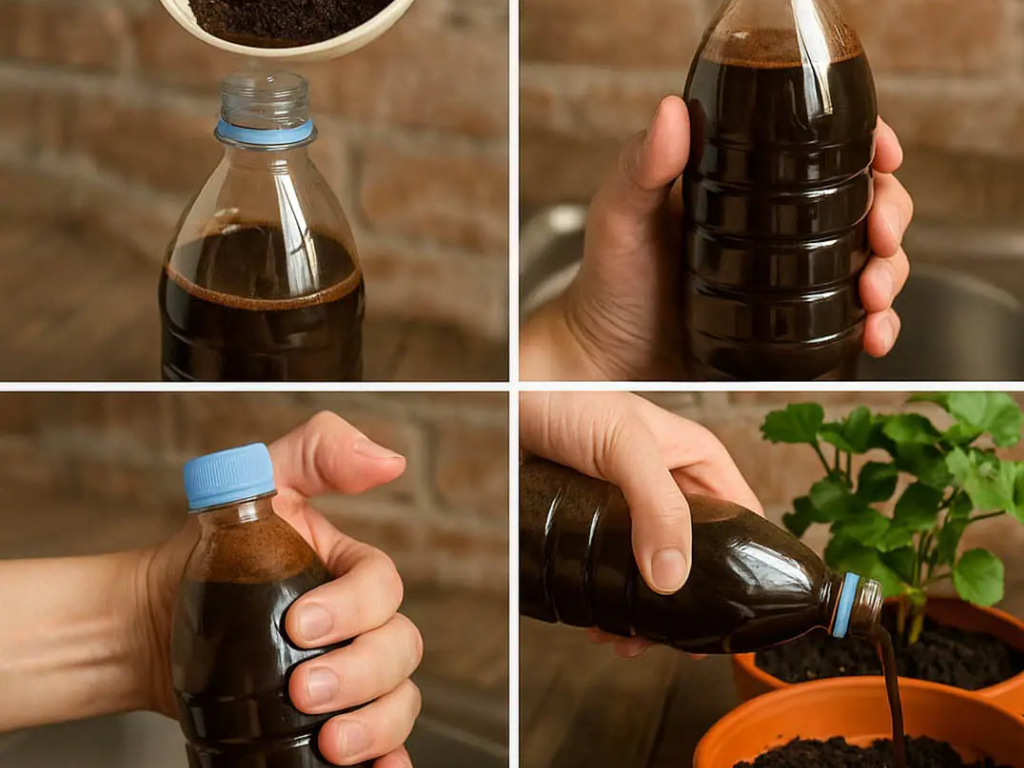
The preparation is incredibly simple. First, collect the coffee grounds from your coffee maker. In a plastic bottle of about one and a half liters, pour one liter of water. Using a funnel, add four tablespoons of coffee grounds. If the grounds do not flow easily, add a little more water to help. Then close the bottle, shake vigorously to mix well, and let this mixture rest for two days.
After this period, use the infusion to water your plants once or twice a month. You will quickly notice visible results: denser foliage, increased flowering, and a bright green color, as if your plants were undergoing a true vitality boost.
Precautions to Follow for Optimal Use
Despite all its benefits, coffee grounds are not suitable for every plant species. Some plants, particularly tomatoes, radishes, or sunflowers, prefer less acidic soil. It is therefore advisable to test this fertilizer on a small area before applying it across your entire garden. Furthermore, moderation is essential: applying this fertilizer too frequently could unbalance the soil.
For comprehensive nutrition, consider combining coffee grounds with other homemade fertilizers, such as finely ground eggshells, which are rich in calcium, or cooled, unsalted vegetable cooking water. This varied approach will provide your garden with a truly balanced nutritional cocktail.
An Ecological Practice Beneficial to Nature and Your Garden
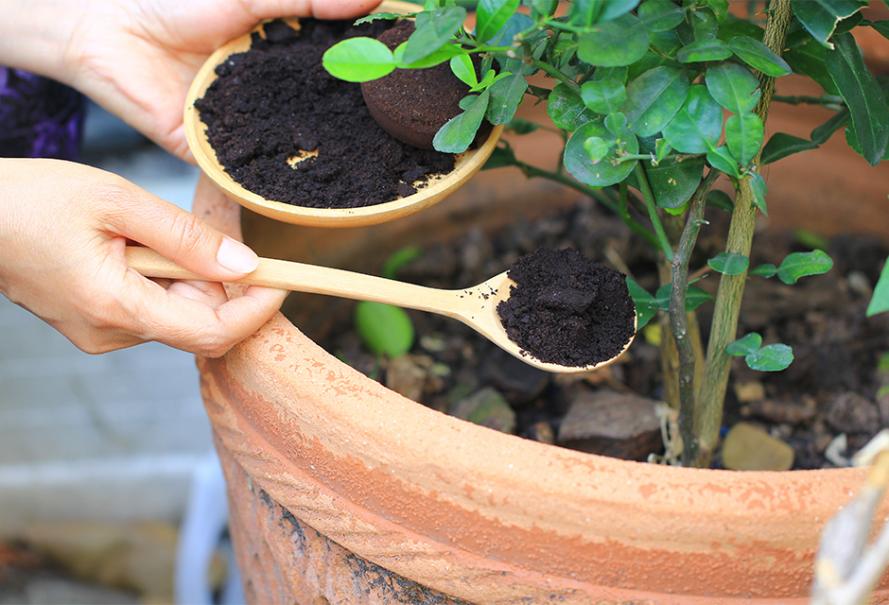
By reusing coffee grounds, you transform simple waste into a valuable resource, thereby reducing your ecological footprint. Your plants will benefit from better-nourished soil and a healthier environment, while you contribute to preserving the planet. This small daily habit demonstrates that with simple actions, it is possible to create large, sustainable green spaces that respect nature.
