
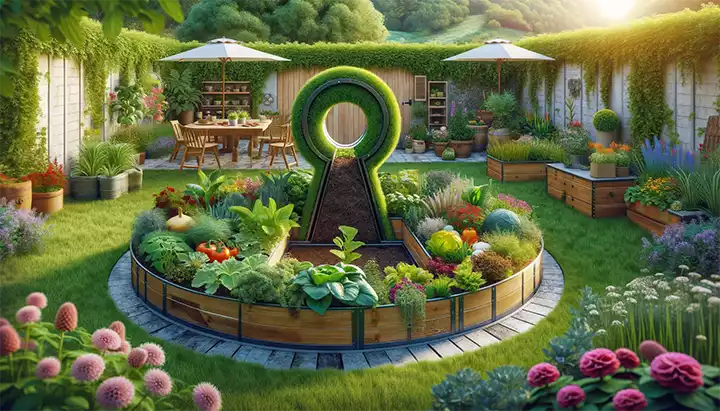
How to Build a Keyhole Garden: A Complete Step-by-Step Guide
Keyhole gardens are an ingenious and sustainable way to grow abundant food using minimal resources. Their circular design, built-in composting basket, and efficient water usage make them ideal for gardeners of all skill levels. Follow this guide to create a productive and eco-friendly keyhole garden in your own backyard.
1. Mark the Garden’s Footprint
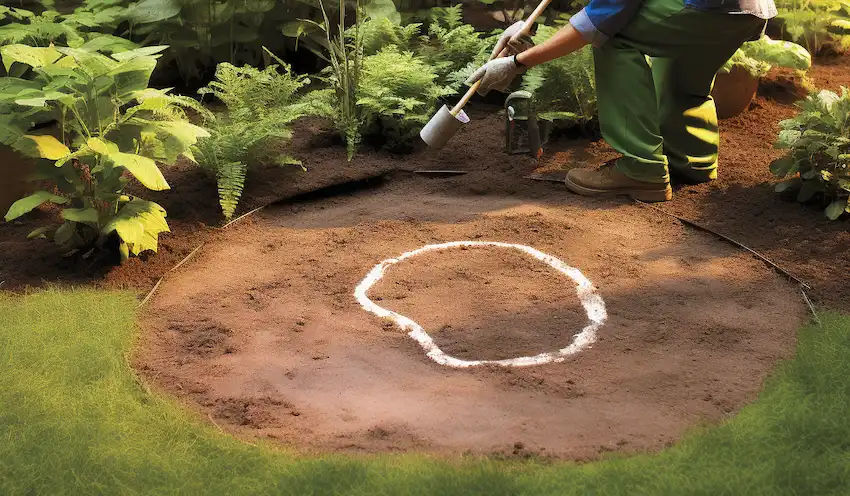
Starting Point: Mark a circular area with a radius of about 3–4 feet. A simple string tied to a central stake makes it easy to outline a perfect circle.
2. Build the Composting Basket
Central Component: At the center of your circle, create a composting basket roughly 4 feet tall and 1.5 feet wide. Use wire mesh or similar material. This basket will continuously feed nutrients into your garden as you add kitchen scraps and organic waste.
3. Construct the Retaining Wall
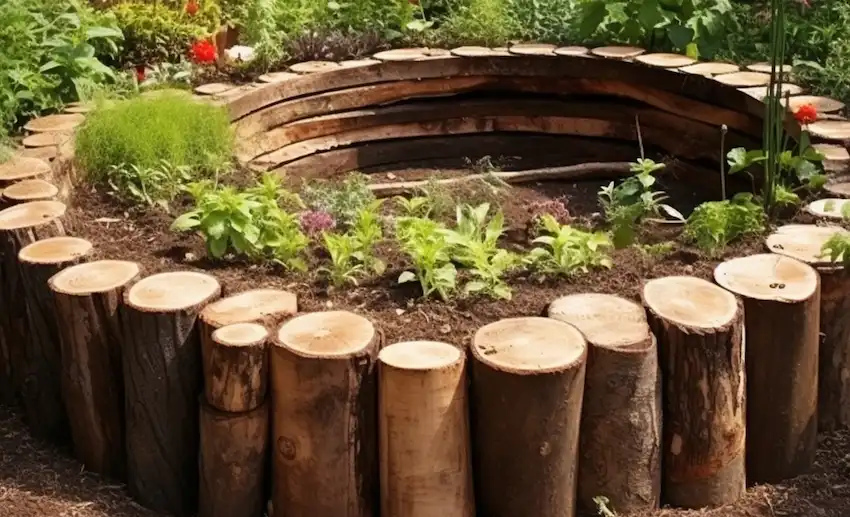
Define Borders: Surround the marked circle with a sturdy retaining wall made from bricks, stones, or wood. Aim for a height of about 1 meter to help hold soil in place and maintain the garden’s elevated structure.
4. Add the Keyhole Notch
Access Point: Extend a small opening from the outer wall to the compost basket, forming the signature “keyhole” shape. This pathway allows easy access for adding compost and tending plants.
5. Lay the Foundation and Soil Layers
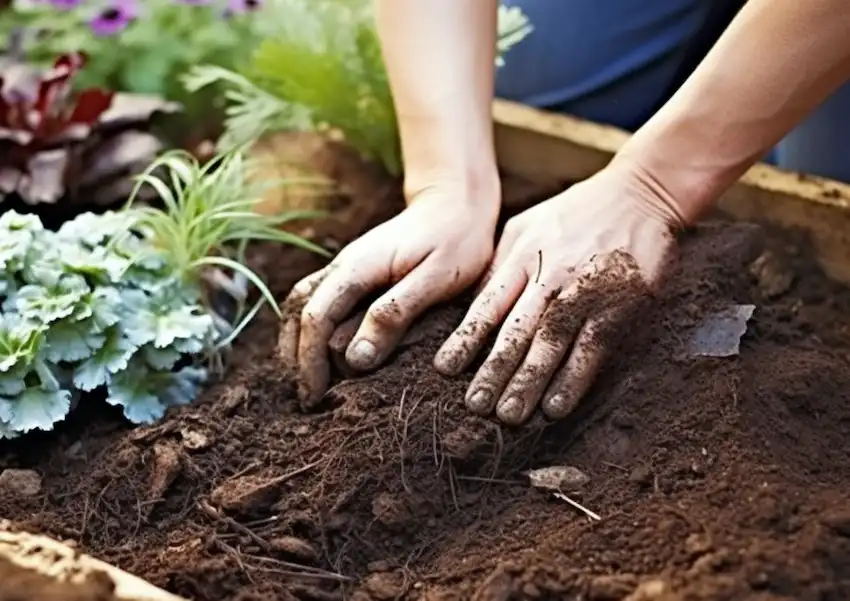
Layered Approach: Begin with a drainage layer such as gravel. Then alternate between brown materials (like cardboard, straw, or dry leaves) and green materials (such as grass clippings or vegetable scraps). Finish with a thick layer of rich garden soil to prepare the bed for planting.
6. Plant Your Garden
Diverse Planting: Keyhole gardens support a wide variety of vegetables, herbs, and flowers. Select plants that thrive in your climate and arrange them to maximize space and sunlight.
7. Maintain the Compost
Continuous Nourishment: Regularly add organic materials to the compost basket and keep it slightly moist. As the compost breaks down, nutrients seep into the soil, naturally fertilizing your garden.
8. Plan Pathways and Accessibility
Ease of Access: Lay small paths leading to and around the garden for easy movement, watering, and harvesting. Good accessibility makes long-term maintenance more enjoyable.
9. Customize and Rotate Crops
Adapt to Conditions: Personalize your keyhole garden with plants suited to your climate and preferences. Practice crop rotation each season to preserve soil quality and minimize pests.
Benefits of Keyhole Gardens
Sustainable and Efficient
Sustainable Living: Keyhole gardens minimize water usage, maximize nutrient recycling, and support eco-friendly growing.
Highly Adaptable
Adaptability: They perform exceptionally well in areas with poor soil or limited rainfall, making them ideal for challenging environments.
Fresh, Homegrown Produce
Homegrown Produce: Enjoy flavorful, nutrient-rich food straight from your garden, promoting a healthier lifestyle.
By building a keyhole garden, you’re not only growing fresh produce—you’re embracing a sustainable approach to gardening that supports the environment and enhances your outdoor space.
