
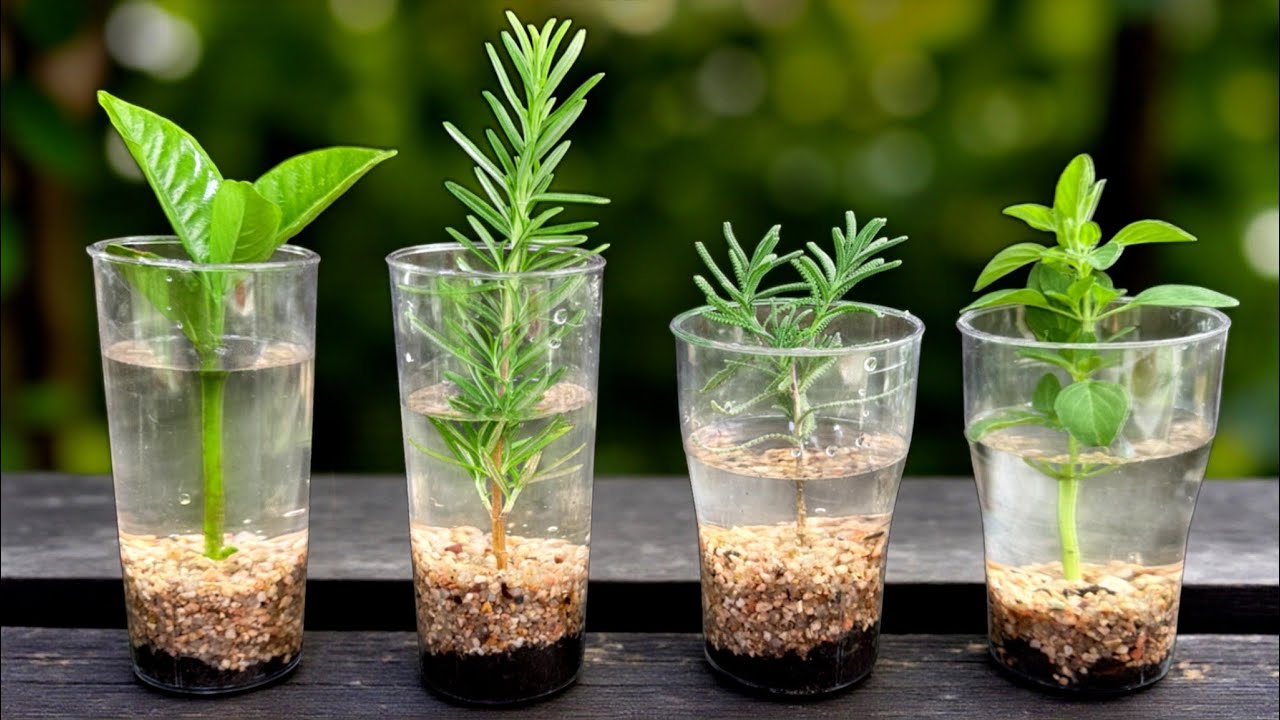
Rooting plants in water is one of the simplest and most popular propagation methods used by gardeners worldwide. Yet many beginners face challenges such as slow or weak root development, which can delay plant growth. The good news is that a natural biological technique can speed up rooting without chemicals or complicated tools. This method boosts root formation, strengthens cuttings, and prepares plants for successful transplantation.
In this enhanced guide, you’ll learn a fast, effective, and fully biological way to accelerate water propagation for houseplants, herbs, flowers, and even vegetables.
Why Water Propagation Is So Popular
Water propagation remains a favorite technique because it is:
Simple: Requires nothing more than a jar and clean water.

Interactive: You can easily observe the roots as they begin to form.
Affordable: No soil or special tools needed at first.
Low-Risk: Minimizes exposure to soil-borne pests during early growth.
Despite its advantages, some plants root slowly or fail altogether. That’s where biological root accelerators come in.
What Is the Biological Rooting Technique?
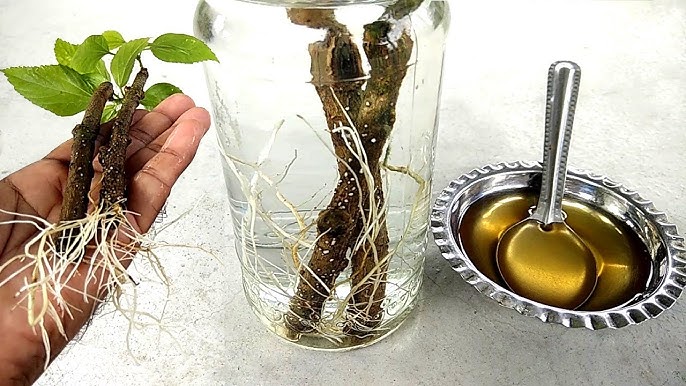
The biological rooting technique uses natural substances and beneficial organisms to speed up root development. Instead of synthetic hormones, this method relies on:
Beneficial microbes such as mycorrhizal fungi or Trichoderma.
Natural plant extracts that stimulate root hormone production.
Organic boosters like aloe vera, honey, and coconut water.
These biological agents stimulate faster root initiation, strengthen the cutting, and improve survival when transplanted into soil.
Benefits of Biological Rooting in Water
Faster Rooting: Roots appear sooner than in plain water.
Healthier Root Systems: Encourages dense, fibrous roots.
Disease Resistance: Natural microbes protect against pathogens.
All-Natural: Safe for indoor plants and edible herbs.
Low-Cost: Uses ingredients found at home or in the garden.
Materials You Will Need

To begin, gather the following items:
Healthy plant cutting
Glass jar or small container
Fresh water at room temperature
Aloe vera gel or honey
Optional: powdered beneficial microbes
Spray bottle for misting
Step-by-Step Guide to Accelerated Rooting in Water
Step 1: Choose a Strong Cutting

Select a healthy stem with at least two or three nodes. Younger semi-hardwood cuttings root best. Make a clean cut just below a node to encourage faster root initiation.
Step 2: Prepare the Cutting
Remove lower leaves and keep only a few at the top to reduce moisture loss. You may trim the tip slightly to promote branching and stronger root growth.
Step 3: Apply Biological Stimulants
Aloe Vera: Coat the cut end with fresh aloe gel to supply natural auxins and antibacterial properties.
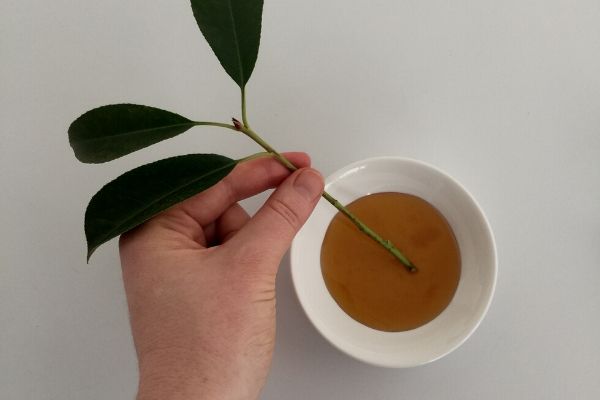
Honey: Dip the stem in raw honey to protect against infection and promote root activity.
Coconut Water: Use diluted coconut water as a rooting medium to provide cytokinin-rich nourishment.
Beneficial Microbes: Dust the stem with mycorrhizal fungi or Trichoderma for enhanced nutrient uptake and root vigor.
Step 4: Place the Cutting in Water
Fill a container with clean water and submerge the nodes that will form roots. Replace the water every two to three days to maintain oxygen and prevent bacterial buildup.
Step 5: Provide the Best Growing Conditions

Keep the cutting in bright, indirect light and maintain temperatures between 20°C–25°C (68°F–77°F). Mist the leaves occasionally if humidity is low.
Step 6: Monitor Root Development
Roots usually begin forming within 1–3 weeks. Once roots reach 2–3 inches and appear strong and fibrous, the cutting is ready to transplant into soil.
Plants That Respond Well to This Method
Herbs: Basil, mint, rosemary, thyme
Flowering Plants: Geranium, hibiscus, bougainvillea
Vegetables: Tomato, chili, coriander
Houseplants: Pothos, monstera, money plant
Using biological accelerators increases success rates and speeds up rooting even in plants that normally take longer to root in water.
