
Homemade Lemon-Peel Multi-Purpose Cleaner
Keeping your home spotless doesn’t require pricey commercial products. With a few simple kitchen ingredients, you can create a powerful all-purpose cleaner that cuts grease, restores shine, neutralizes odors, and lifts stubborn grime from pots, pans, sinks, tiles, and stainless-steel surfaces.
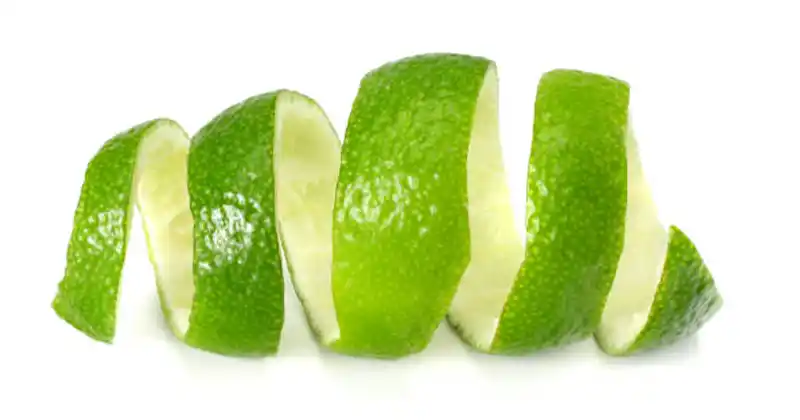
This natural recipe combines the cleaning strength of lemon peels with salt, baking soda, vinegar, and dish detergent to form a thick, fragrant concentrate that saves money while keeping your home fresh.
Why This Homemade Cleaner Works
Each ingredient plays a specific role, and together they create a cleaning solution that rivals store-bought formulas:
Lemon peels: Rich in natural oils and citric acid, they break down grease, dissolve mineral deposits, and leave a refreshing scent.

Salt: A mild abrasive that helps extract active compounds from the lemon peels.
Baking soda: Softens water, removes grime, and neutralizes odors.
Apple cider vinegar: Provides antibacterial and antifungal power.
Dish detergent: Boosts degreasing strength and creates a smooth, gel-like consistency.
This combination produces a cleaner suitable for cookware, sinks, tiles, countertops, and stainless-steel appliances—all at a fraction of the cost of commercial alternatives.
How to Make the DIY Lemon-Peel Cleaner
Ingredients
• 1 liter of water
• Peels from 5 lemons
• 2 tablespoons salt
• 1 tablespoon baking soda
• 150 ml apple cider vinegar
• 1 bottle of liquid dish detergent
Step-by-Step Preparation
1. Heat the Water and Add Lemon Peels
Place 1 liter of water in a pot and add the lemon peels. As the water warms, the natural oils and acids begin to release.
2. Add the Salt
Stir in 2 tablespoons of salt until dissolved. Salt boosts extraction of lemon compounds and helps soften tough residues.
3. Add Baking Soda Slowly
Mix in 1 tablespoon of baking soda carefully, as the mixture may foam. Stir until well combined. A yellow tint indicates that the lemon oils are being released.
4. Strain the Mixture
After the solution reaches a gentle boil, turn off the heat and strain out the lemon peels. You now have a warm, lemon-infused cleaning base.
5. Add the Vinegar
Slowly pour in 150 ml of apple cider vinegar, stirring as you go. Adding it gradually ensures a smooth, stable mixture.
6. Mix in the Dish Detergent
Add the entire bottle of dish detergent, stirring gently until the mixture thickens into a glossy, fragrant cleaner.
7. Bottle Your Cleaner
Transfer the finished mixture into clean containers. This recipe typically yields around three and a half bottles, making it extremely budget-friendly.
How to Use Your Homemade Cleaner
1. Burnt Pots and Pans
Apply the cleaner directly, let it work for 3–5 minutes, and scrub gently. Burnt-on residues lift with ease.
2. Stainless Steel Surfaces
Apply a small amount to remove fingerprints, grease, and water stains. Rinse to reveal a bright, polished finish.
3. Sinks and Faucets
Use it to eliminate limescale, yellow stains, and dull metal buildup. Let it sit briefly before rinsing for best results.
4. Tiles and Countertops
Mix one or two tablespoons into warm water for general cleaning or mopping.
5. Tough Grease
Use undiluted on stovetops, oven doors, and greasy surfaces for maximum degreasing power.
Tips for Best Results
• Shake gently before each use—natural ingredients may settle.
• Rinse with warm water to enhance cleaning strength.
• Test on small areas first when working with delicate materials.
• Avoid using on natural stone like marble or granite; citric acid may cause dullness.
Final Thoughts
This DIY lemon-peel cleaner proves that a powerful, effective cleaning solution doesn’t require harsh chemicals or expensive brands. With minimal effort, you can transform leftover lemon peels into a multipurpose cleaner that removes grease, restores shine, and refreshes your home.
It’s economical, eco-friendly, and wonderfully easy to prepare—once you try it, you may never need to buy commercial cleaners again.
