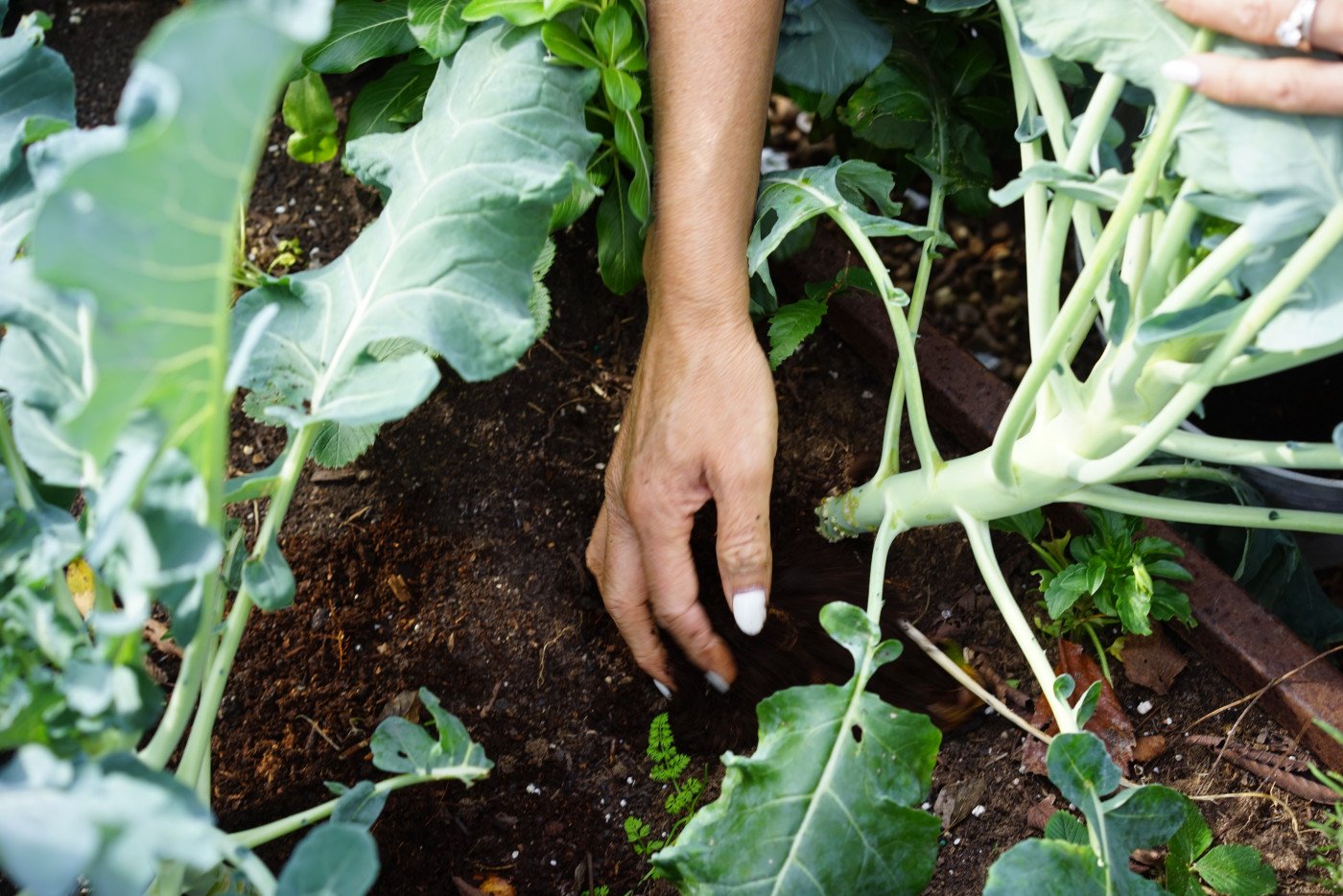
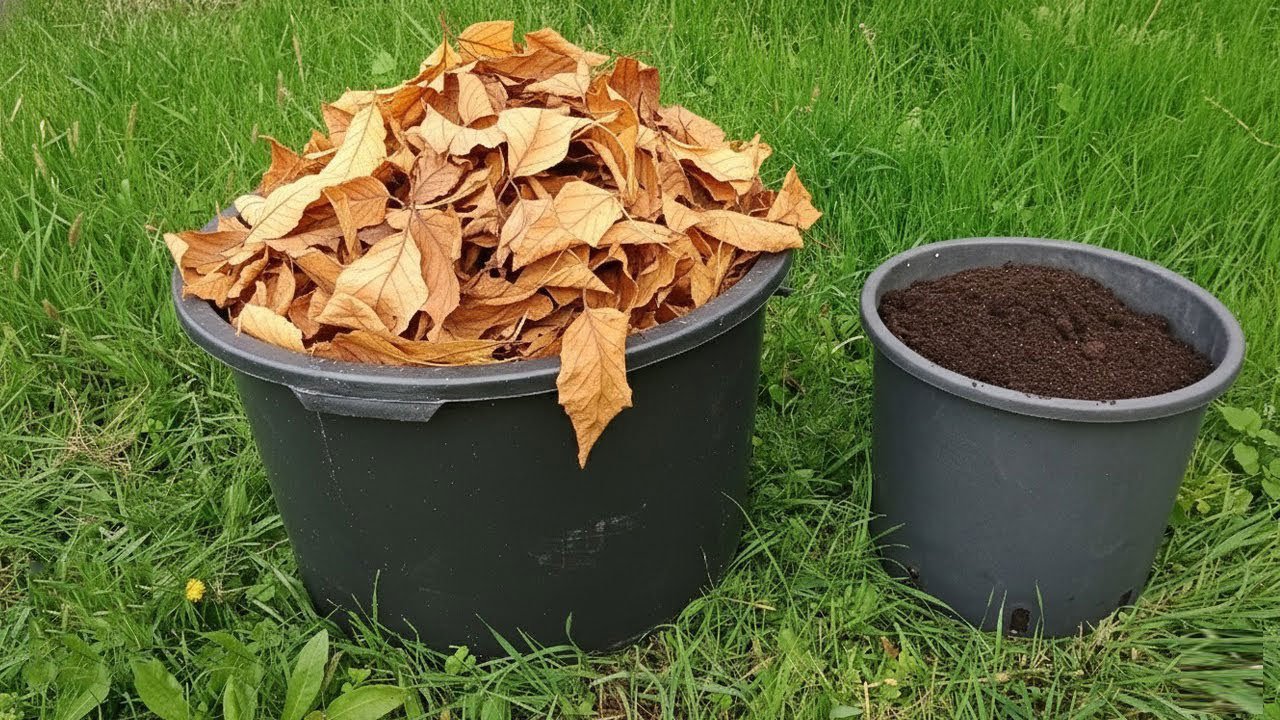
You’ve probably heard the saying that money doesn’t grow on trees. But any gardener who makes their own leaf compost knows that isn’t quite true. Every autumn, trees drop a valuable resource right into our yards—one that many people rake up and throw away.
Instead of treating fallen leaves as a chore, you can turn them into garden gold. With a little time and minimal effort, those leaves can become a rich, natural soil amendment that improves plant health, boosts yields, and saves you money on fertilizers.
This guide will show you how to transform fall leaves into leaf mold compost and put them to work in your garden.
Why Leaf Mold Compost Is So Valuable
In nature, leaves fall, decompose, and feed the soil year after year. Trees draw nutrients from deep underground, store them in their leaves, and return them to the earth when those leaves break down. When we bag leaves and send them to the landfill, we interrupt this natural cycle.
Leaf mold compost restores that balance. It contains a wide range of plant nutrients in forms that are easier for roots to absorb than many synthetic fertilizers. It also improves soil structure, helping sandy soil hold moisture and clay soil drain more effectively.

Using leaf compost means fewer chemical inputs, healthier soil life, and less waste heading to landfills. It’s a win for your garden and the environment.
How to Collect Fall Leaves
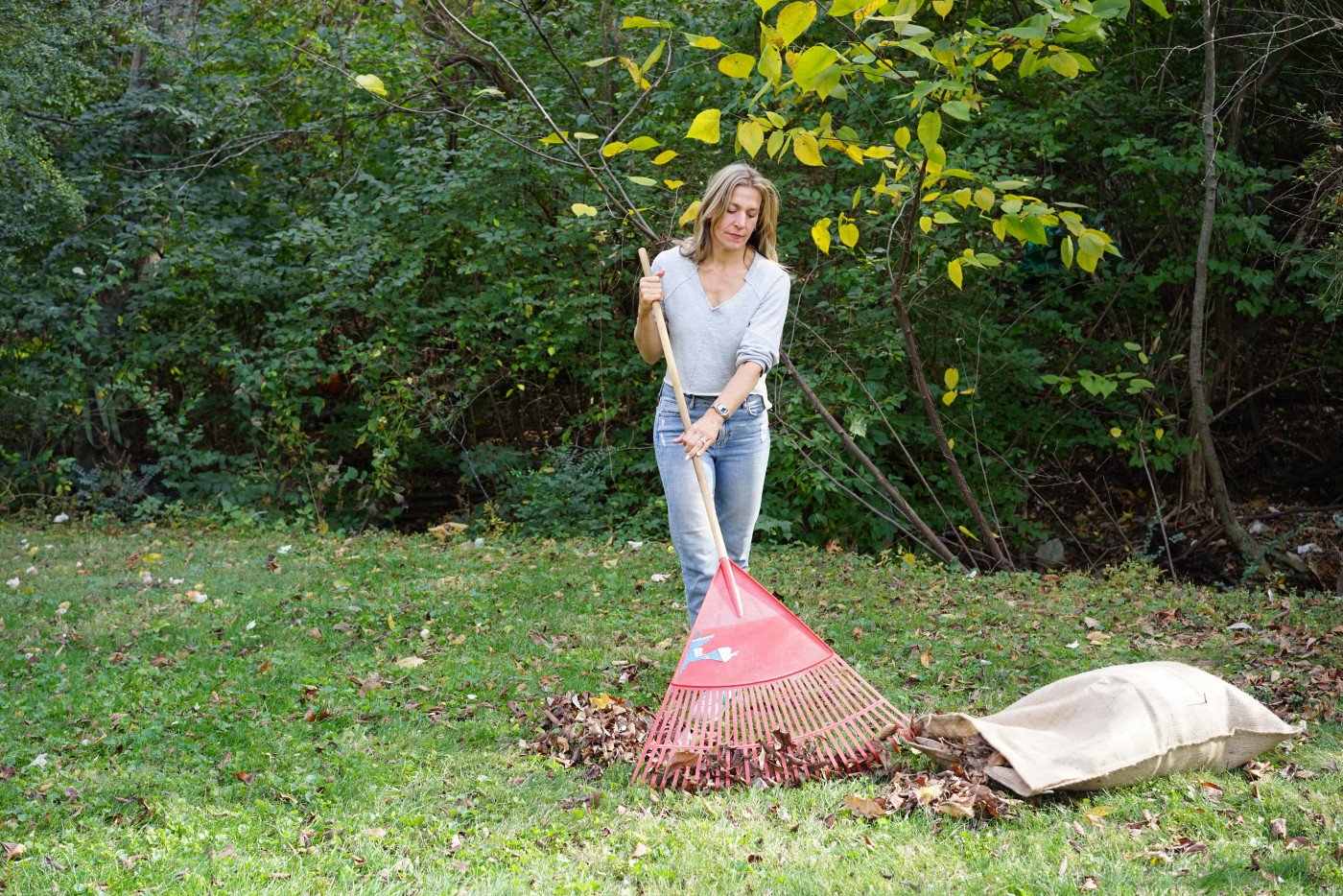
When leaves begin to fall, a simple rake and some elbow grease are all you need. Skip the gas-powered leaf blower. Raking is quieter, better for wildlife, and gives you a surprisingly good workout.
For best results, collect leaves from areas that haven’t been treated with synthetic fertilizers or pesticides. Avoid leaves contaminated by pet waste to keep your compost clean and safe for food gardens.
How to Make Leaf Mold Compost
Once collected, move your leaves to a designated composting area using a wheelbarrow or tarp. Leaf mold compost works best when leaves are kept together in a compact space with consistent moisture and some airflow.
You can speed up decomposition by shredding the leaves first, though this step is optional. Running dry leaves over with a lawn mower or chopping them in a bin helps them break down faster, especially if you’re short on time.
Below are three effective methods for turning fall leaves into compost.
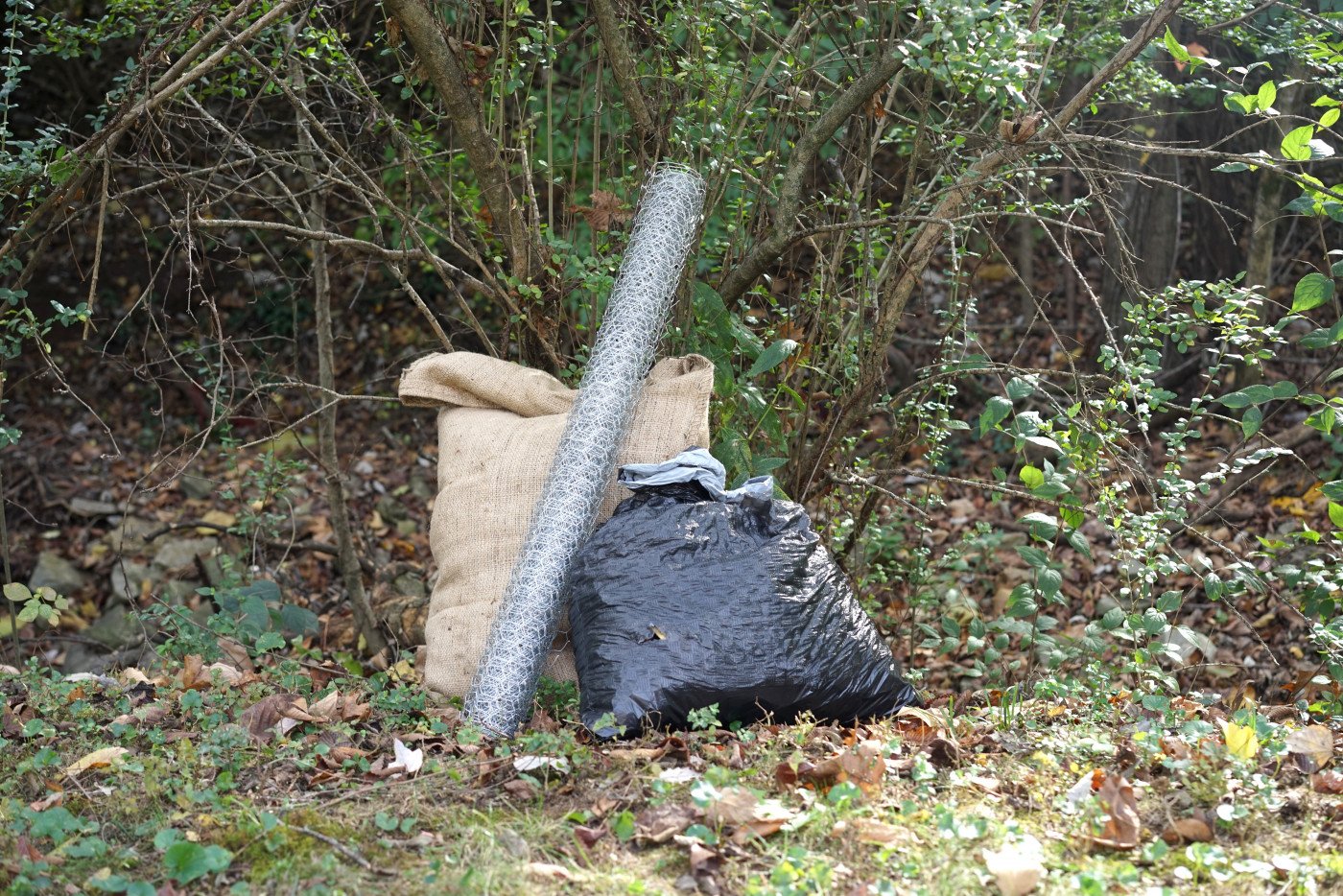
Method One: Wire Cage
A wire cage is one of the simplest and most efficient ways to make leaf mold compost. Create a circular or square enclosure using wire fencing and wooden stakes, then pack it tightly with leaves.
Water the leaves as you add them, especially if they’re dry. Fungi—not bacteria—do most of the work here, so the pile doesn’t need frequent turning. Keep it moist, let nature take over, and check on it occasionally during dry spells.
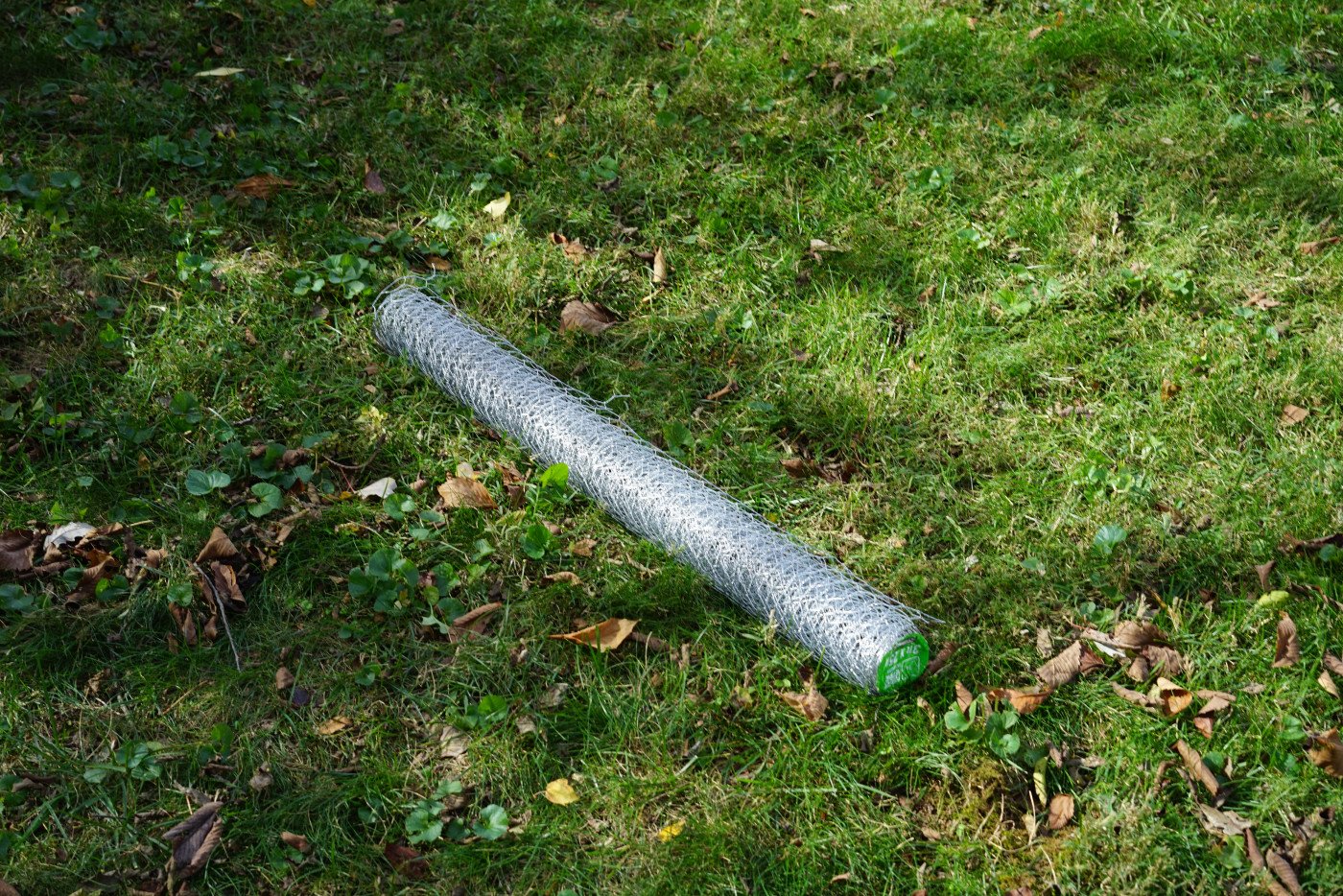

Method Two: Bags
If space is limited, composting leaves in bags is a great alternative. Fill large trash bags or natural fiber bags with leaves, add a bit of water, and seal them.
Plastic bags should have a few small holes punched in the bottom to allow drainage. Burlap or jute bags naturally breathe and don’t require modification. Store the bags out of the way and let time do the rest.

Method Three: Compost Bins
You can also add fall leaves to an existing compost bin or hot compost pile. Add them gradually and balance them with nitrogen-rich materials like kitchen scraps or grass clippings.
Leaves are an excellent carbon source, but too many at once can smother airflow. Turning the pile weekly helps speed decomposition. Shredded leaves also work well in worm compost systems when kept moist.
How Long Leaves Take to Break Down
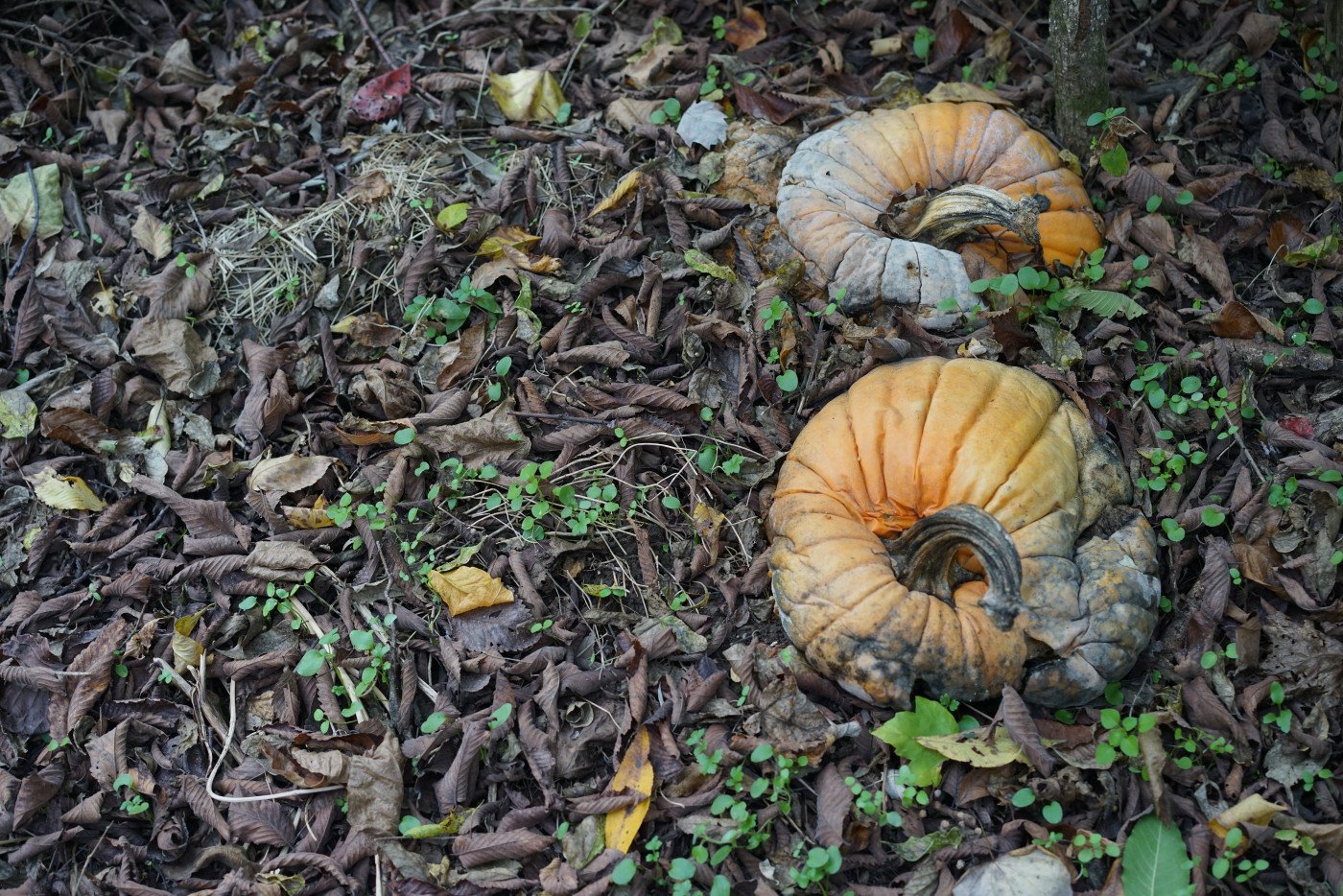
Decomposition time depends on moisture, temperature, and leaf size. In the first six to twelve months, the pile will shrink as leaves soften and begin to decay.
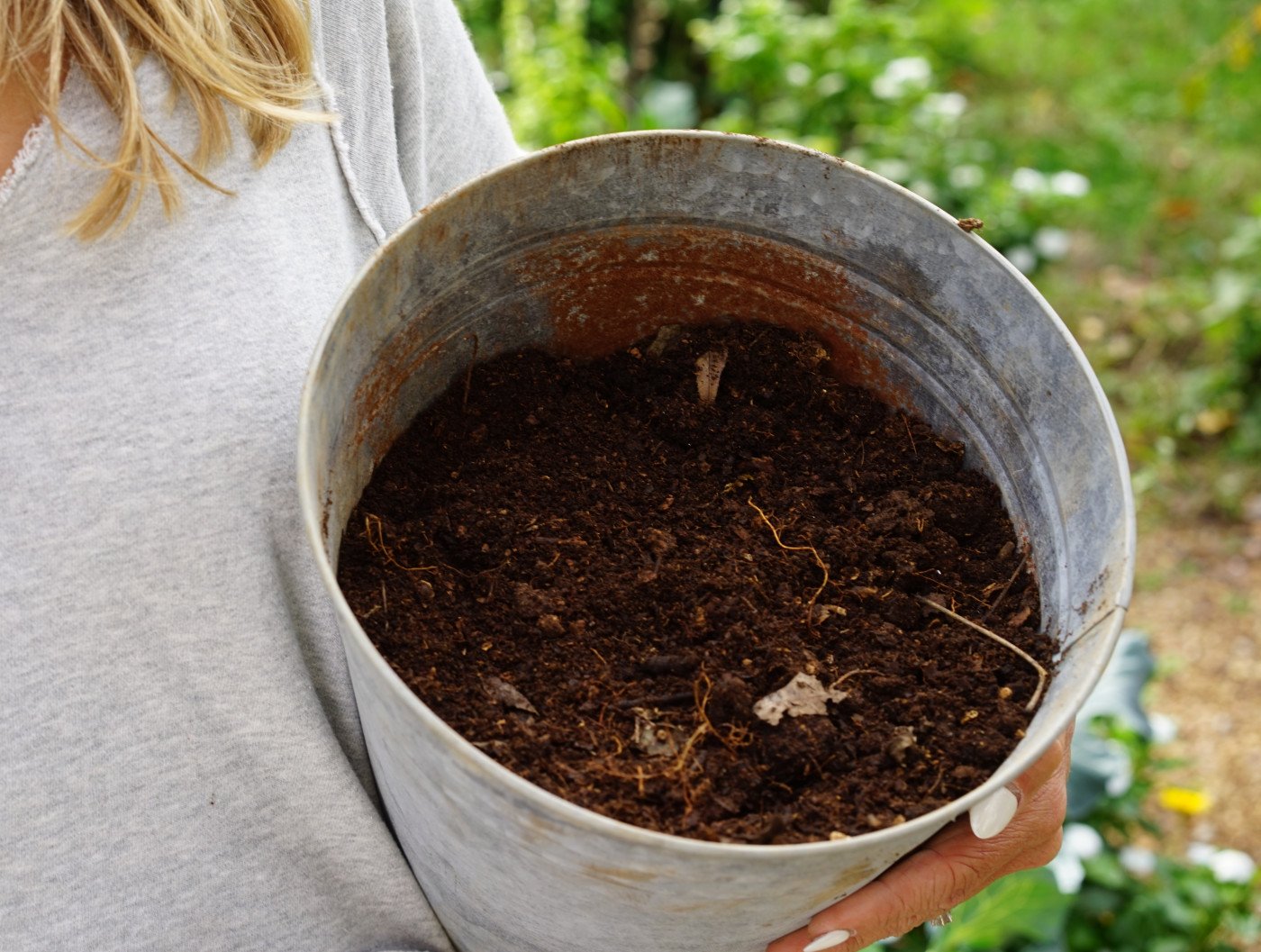
After twelve to twenty-four months, the leaves usually transform into dark, crumbly compost that resembles forest soil. While partially decomposed leaves can be used as mulch, fully broken-down leaf mold is ideal for vegetable gardens.
How to Use Leaf Mold Compost in Your Garden
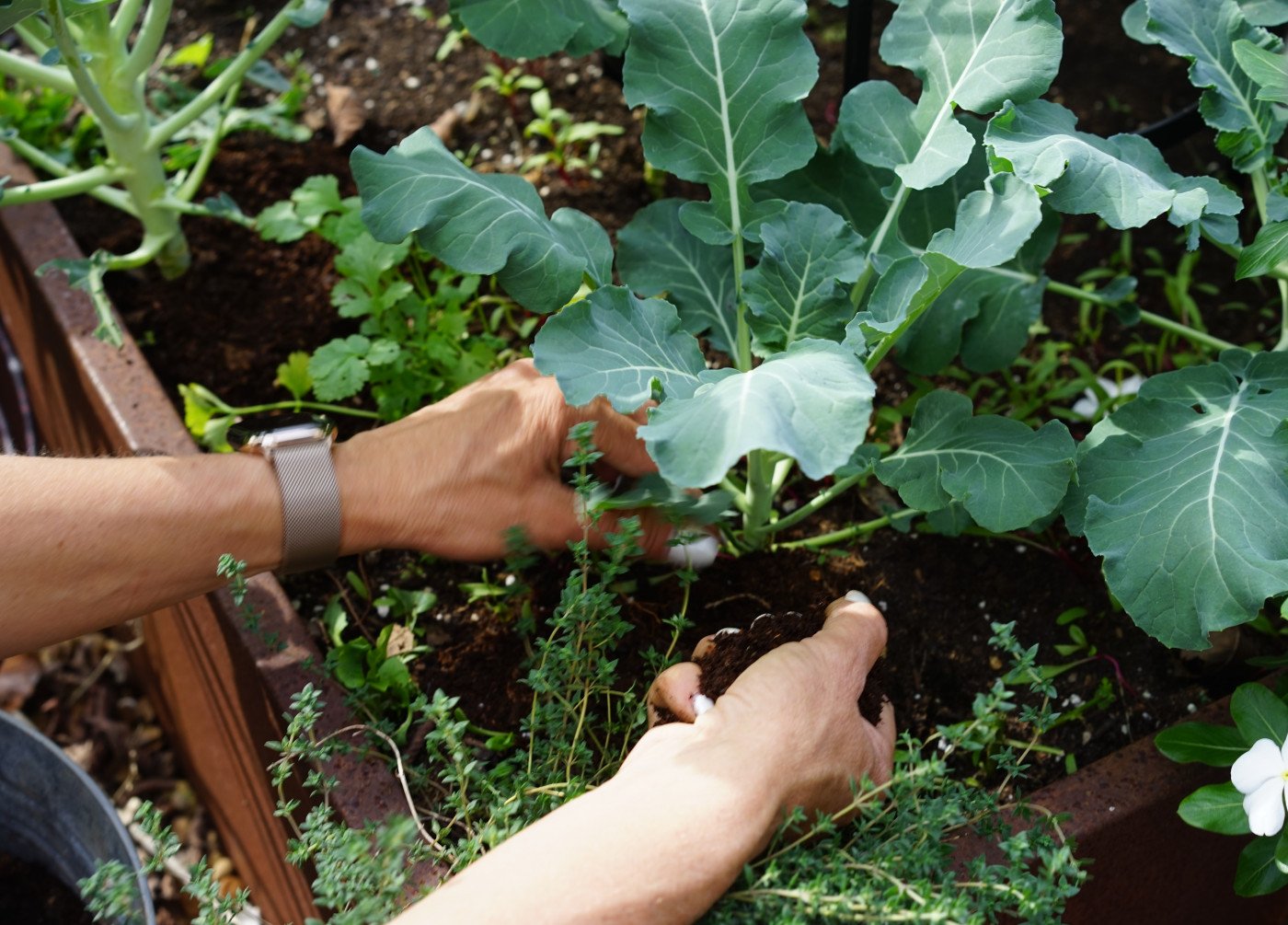
Spread leaf mold compost over garden beds at the start of the growing season or around the base of plants as a soil conditioner. It feeds plants slowly, improves soil health, and supports beneficial microorganisms.
If your pile isn’t fully finished, harvest from the bottom where decomposition is most advanced. Be mindful that leaf piles can provide shelter for wildlife, so dig carefully.