
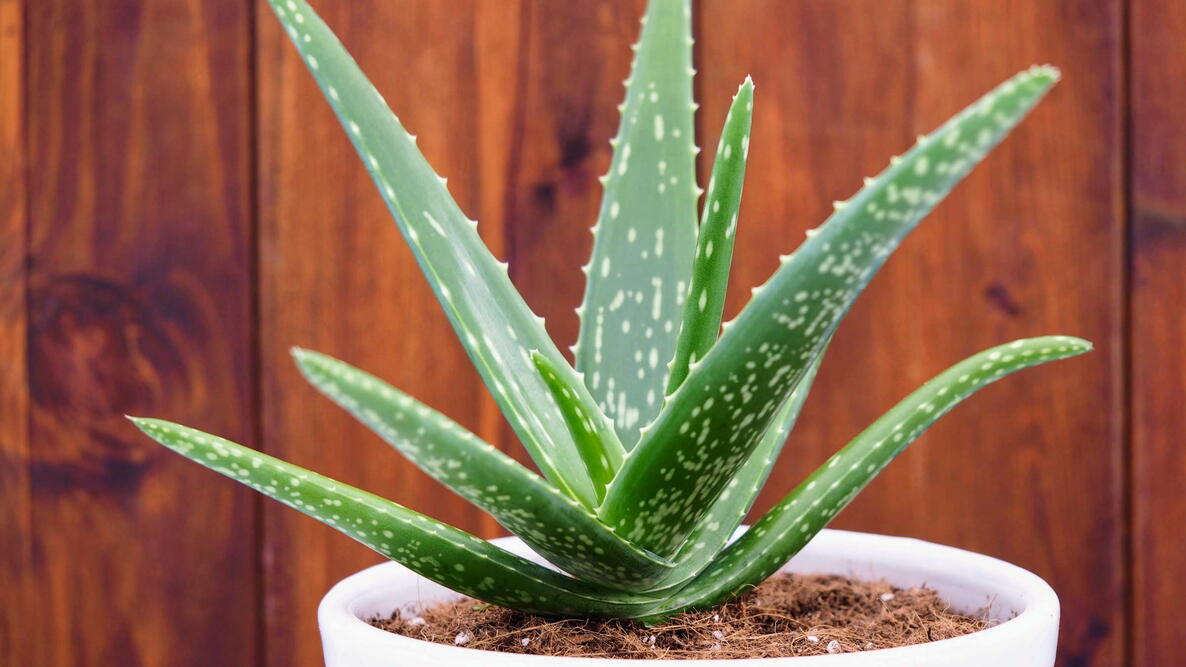
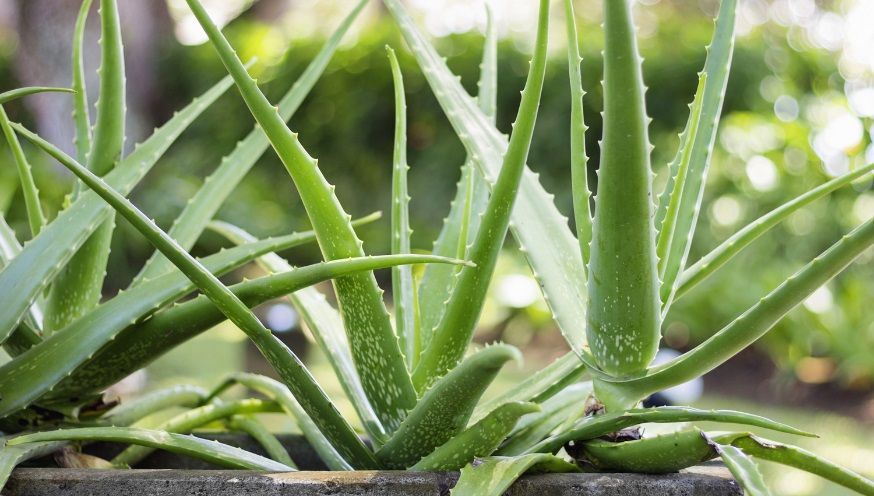
Aloe Vera is one of the most beloved houseplants worldwide. Known for its healing properties, striking appearance, and minimal care requirements, it is a favorite among both beginner and experienced plant lovers. Its thick, fleshy, spike-like leaves form an elegant rosette, and the plant can reach a height of 60 to 100 cm while spreading through offshoots.
The botanical name of Aloe Vera is Aloe barbadensis Miller. It originates from Africa, Madagascar, and the Arabian Peninsula, but today it is widely cultivated around the Mediterranean, as well as in Indonesia, Mexico, and the Caribbean.
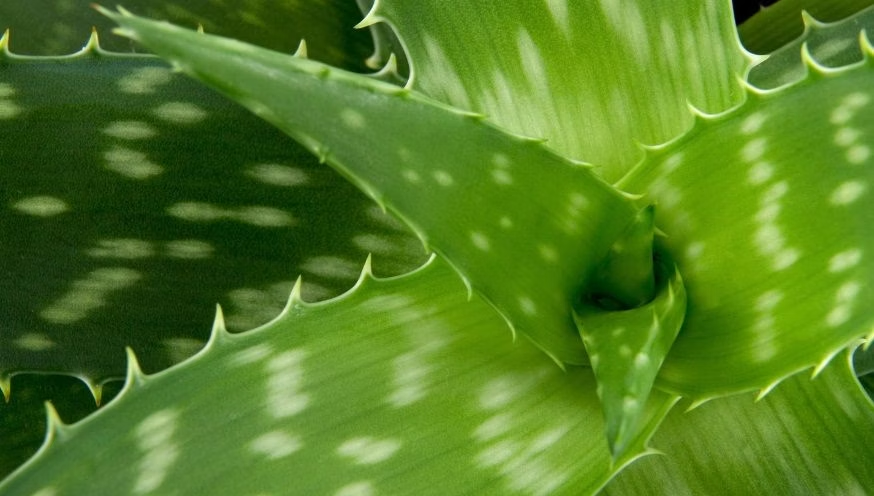
To survive extreme heat, Aloe Vera produces more than 70 active compounds. When a leaf is damaged, its sap quickly seals the wound, helping the plant protect itself. This remarkable trait earned Aloe Vera the title “plant of immortality” among ancient Egyptians.
Aloe Vera also makes an excellent gift. It is forgiving, resilient, and its soothing gel can help relieve sunburns, minor cuts, and skin irritation, making it both decorative and functional.
Aloe Vera Care: Essential Tips for Healthy Growth
Proper care ensures a long-lived and thriving Aloe Vera plant. While it is low-maintenance, a few key principles make all the difference.
Light and Placement
Aloe Vera thrives in bright, indirect light. Morning or late afternoon sun is ideal, while intense midday sun can scorch the leaves indoors.
Tip: Introduce direct sunlight gradually. If you notice yellowing or browning, move the plant to a spot with filtered light.
Too much shade will result in thin, weak, and pale leaves. If natural light is limited, grow lights can be used successfully.
Watering
Aloe Vera prefers dry conditions and stores water in its leaves. Always allow the soil to dry out completely before watering again.
Good to know: Aloe Vera tolerates drought far better than excess moisture.
Check moisture near the drainage holes, as soil may remain wet at the bottom. During winter dormancy, watering should be reduced significantly.
Overwatering can cause soft leaves, discoloration, and root rot. If this happens, immediate action is required to save the plant.
Soil and Pot Choice
Use well-draining soil with a slightly acidic to neutral pH. A cactus or succulent mix is ideal.
Choose a heavy pot to prevent the plant from tipping over as it grows taller.
Fertilising
Aloe Vera grows naturally in nutrient-poor soil and does not require frequent feeding. Fertilise once or twice during the growing season only, as overfeeding may damage the leaves.
Temperature and Outdoor Care
Aloe Vera grows best between 15°C and 27°C. Cooler temperatures between 13°C and 18°C in winter may encourage flowering.
During summer in Europe, Aloe Vera can be placed outdoors once frost risk has passed. Introduce it gradually to sunlight and avoid excessive rain or humidity.
Humidity
Ideal humidity ranges between 30% and 50%, making Aloe Vera well-suited for homes and offices. Prolonged exposure below 20% may cause leaf tips to dry out.
Repotting
Aloe Vera prefers being slightly root-bound. Repot only when roots grow out of drainage holes or when the plant becomes unstable.
Aloe Vera Flowers
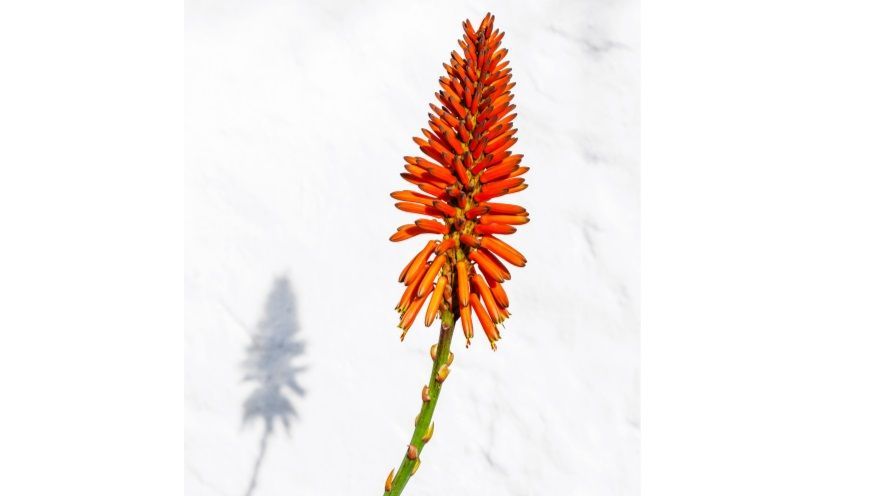
Under the right conditions, Aloe Vera produces tall flower spikes with tubular blooms, usually yellow or orange.
Indoor plants may struggle to bloom due to lower winter light levels. Cooler temperatures, bright light, and reduced watering can help stimulate flowering.
Pruning Aloe Vera
Aloe Vera tolerates pruning well. Remove dead or yellowing leaves to promote healthy growth.
The plant heals itself naturally after cuts. Up to one-third of the leaves can be removed at once if needed.
Propagating Aloe Vera
Aloe Vera can be propagated using offsets or leaf cuttings.
Propagation with offsets: Separate young pups from the mother plant once they have roots, then plant them in well-draining soil and place them in bright, indirect light.
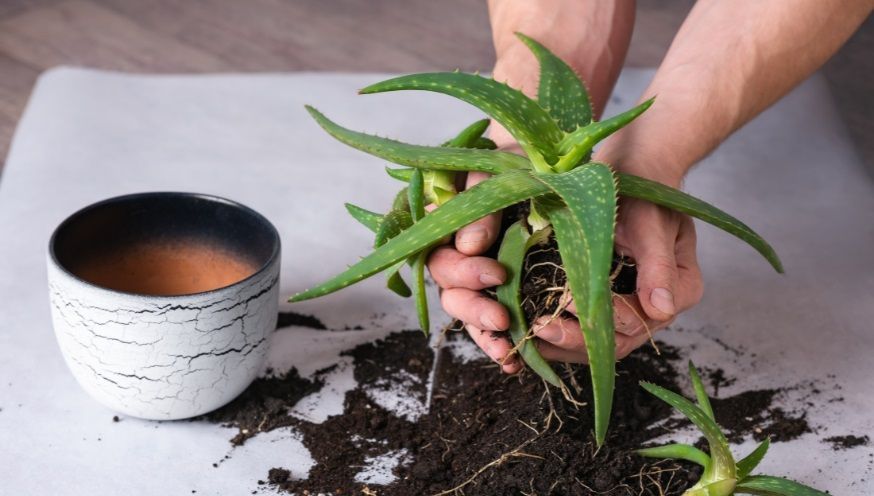
Propagation with leaf cuttings: Cut a healthy leaf, allow it to dry for several days until callused, then plant it in dry soil. Water sparingly and be patient, as this method takes longer.
Pests and Diseases
Aloe Vera is generally resistant to pests and diseases. However, mealybugs and spider mites may appear and should be treated promptly.
Is Aloe Vera Toxic?
Aloe Vera is toxic to pets and may cause vomiting if ingested. For humans, the inner gel is safe when thoroughly cleaned to remove the yellow latex layer, which can cause irritation if consumed.
