
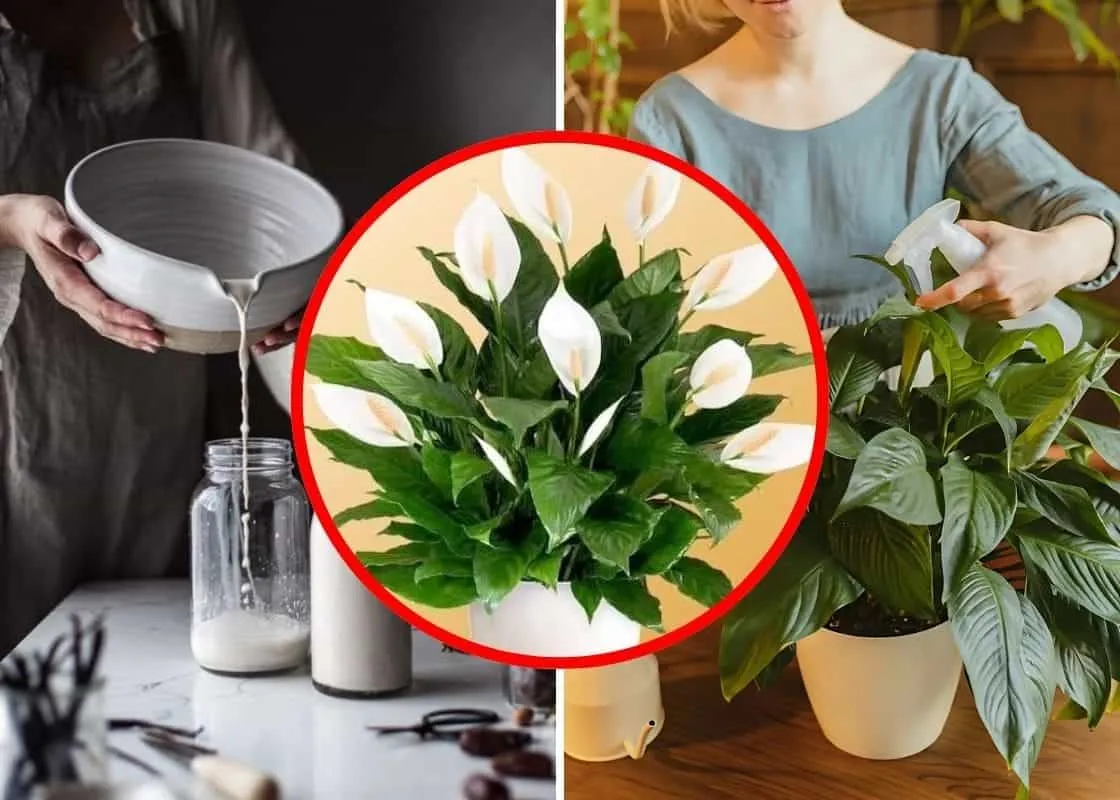
Peace lilies (Spathiphyllum) are among the most beloved houseplants, and for good reason. Their glossy green leaves and graceful white blooms can instantly elevate any indoor space. Beyond their beauty, they are also known for helping improve indoor air quality by filtering common household pollutants.
If your peace lily looks dull or refuses to bloom, don’t worry. With a few lesser-known care techniques, you can transform it into a lush, vibrant plant that flowers regularly. Below are the most effective methods I’ve used over the years to keep peace lilies healthy and unstoppable.
The Secret Weapon: Milk Fertilizer
Milk may seem like an unusual plant food, but it contains calcium, phosphorus, and essential vitamins that support strong roots, healthy foliage, and abundant blooms. Calcium reinforces root structure, phosphorus encourages flowering, and vitamins promote rich green leaves.
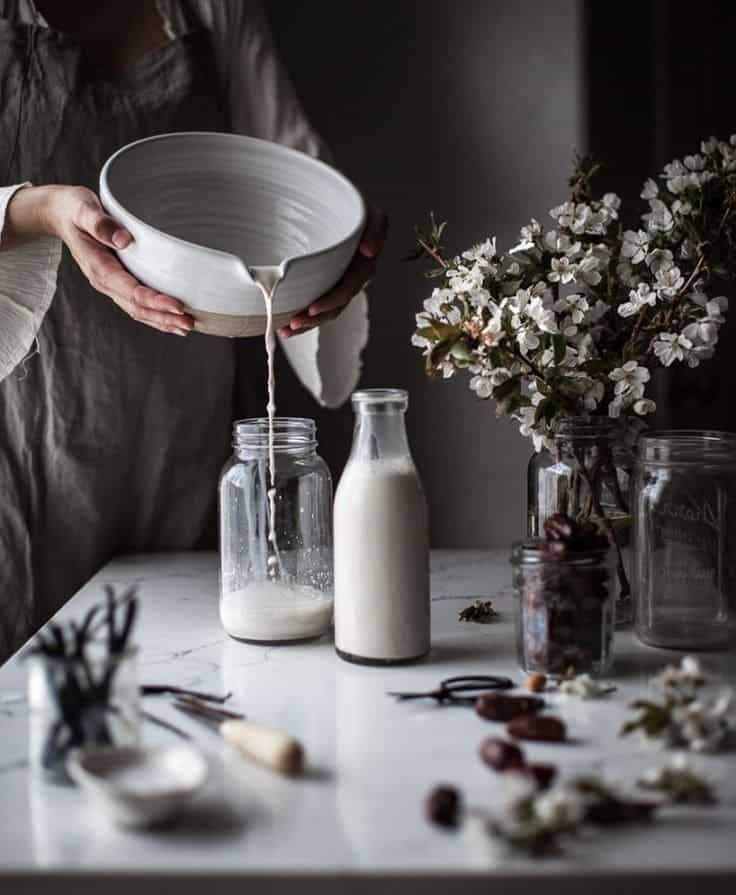
To use this method, mix equal parts of water and whole milk and apply it to the soil once a month. Moderation is important, as excessive milk can cause unpleasant odors in the soil. Used correctly, this simple trick can dramatically improve plant vigor.

Optimal Light: Bright, Indirect Illumination
Although peace lilies tolerate low light, they perform best in bright, indirect light. Insufficient light often leads to weak growth and a lack of blooms, while direct sunlight can scorch the leaves.
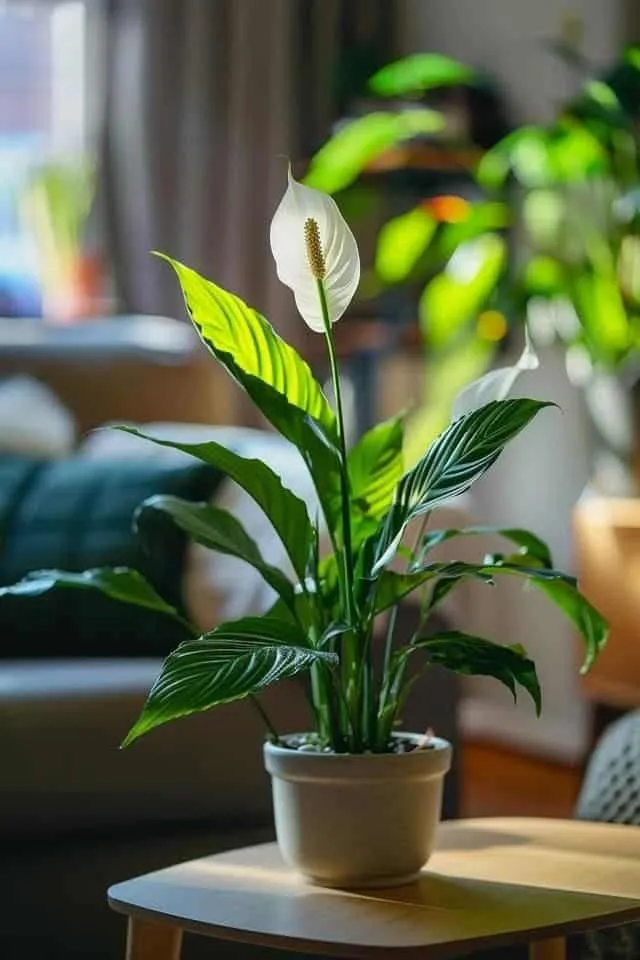
A spot near a north- or east-facing window is ideal. If natural light is limited, an LED grow light can be an excellent alternative, especially during winter months when daylight is scarce.
Moisture Maintenance: Water and Humidity
Native to tropical rainforests, peace lilies prefer consistently moist soil and high humidity. Water when the top layer of soil feels dry, and always empty excess water from the saucer to prevent root rot.
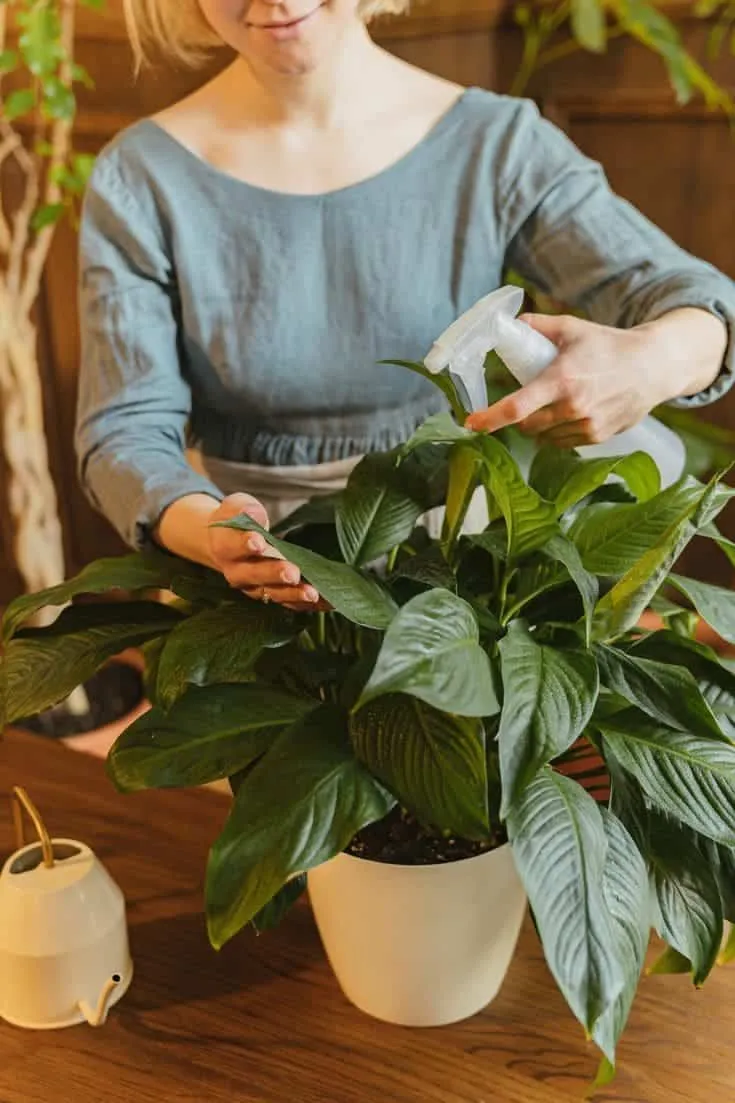
Occasional misting helps recreate their natural environment, particularly during dry seasons or when indoor heating reduces humidity. This simple habit keeps leaves fresh and prevents browning.
Repot When the Plant Becomes Root-Bound
Peace lilies grow quickly and need space for their roots to expand. Repotting every one to two years, or when roots emerge from drainage holes, helps maintain steady growth and flowering.
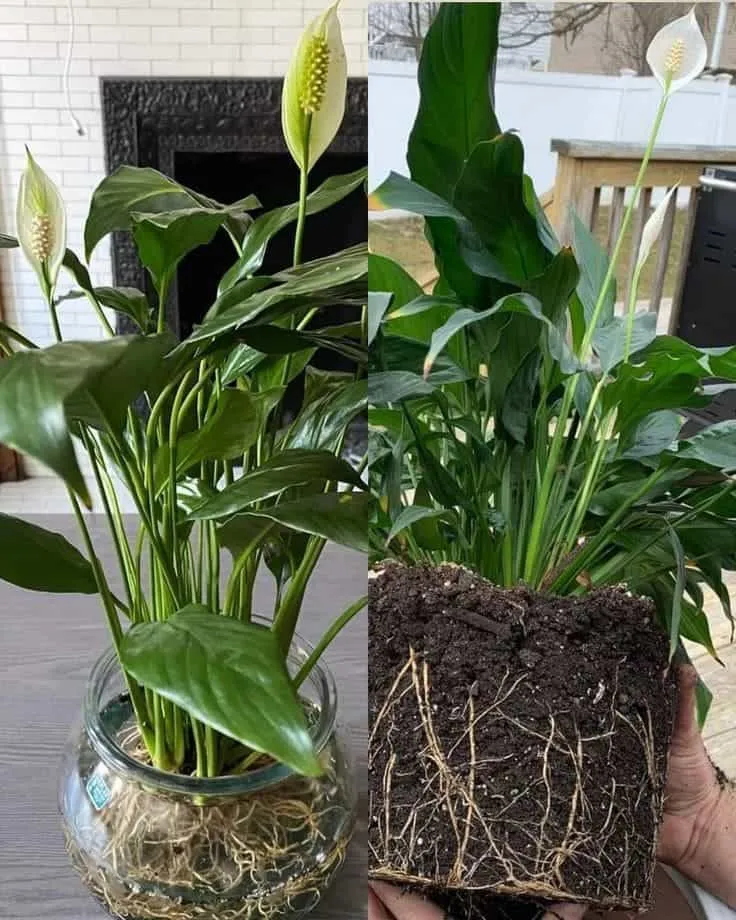
Choose a pot one size larger and use a well-draining mix of potting soil and perlite. Gently loosen the root ball, trim away any damaged roots, and water thoroughly after repotting. Keep the plant in a shaded area for a few days to reduce stress.
Pruning for Health and Appearance
Yellowing or browning leaves are normal over time. Pruning these leaves allows the plant to focus its energy on new, healthy growth.
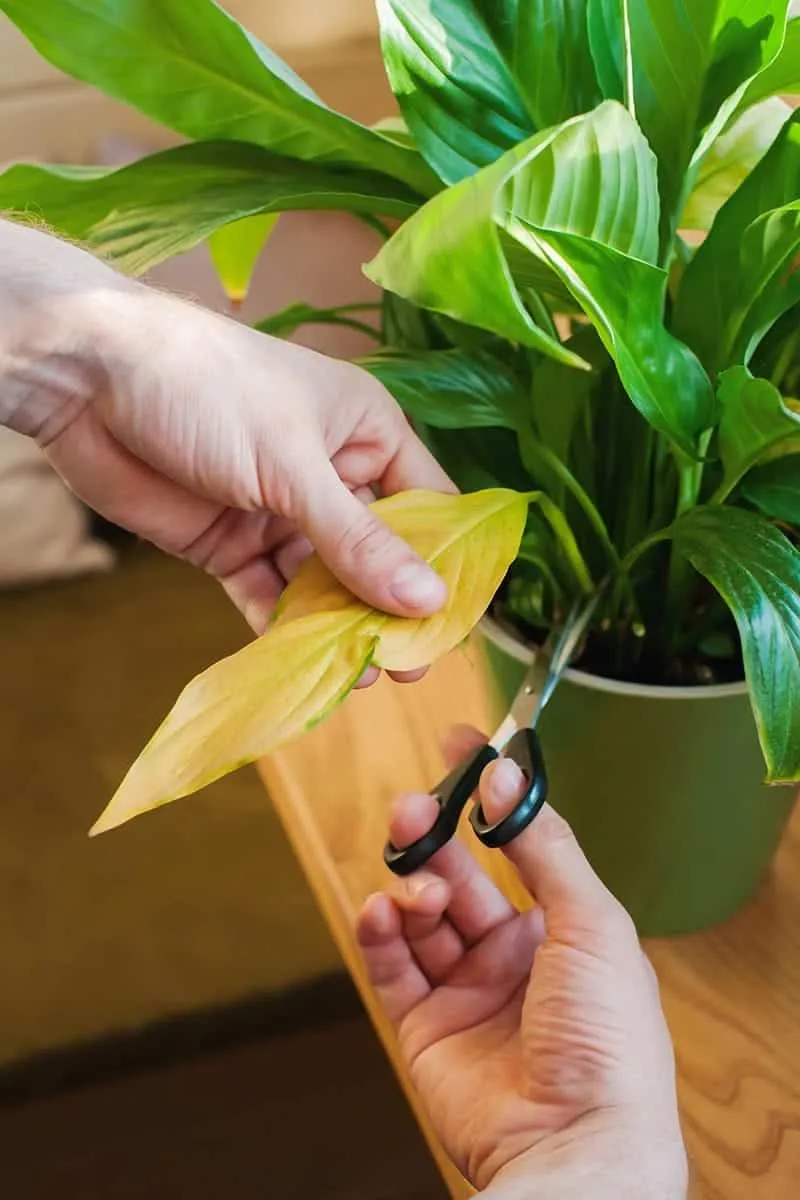
Use clean scissors to remove damaged foliage at the base, preferably during spring or early summer when the plant is actively growing.
Extra Tips for Long-Term Success
Supplement milk fertilizer with a balanced liquid fertilizer during the growing season. Keep leaves clean by wiping off dust regularly, and maintain a stable temperature between 65 and 80 degrees Fahrenheit. Avoid cold drafts and direct heat sources.
Common Problems and Simple Fixes
Drooping leaves usually indicate watering issues. Check soil moisture and adjust your routine accordingly. Brown leaf tips are often caused by low humidity or chemicals in tap water. Using distilled water and increasing humidity can quickly resolve this issue.
With consistent care and a little attention to detail, your peace lily can reward you with lush foliage and stunning blooms year after year.
