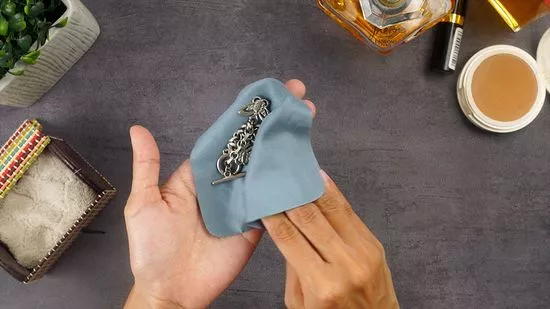
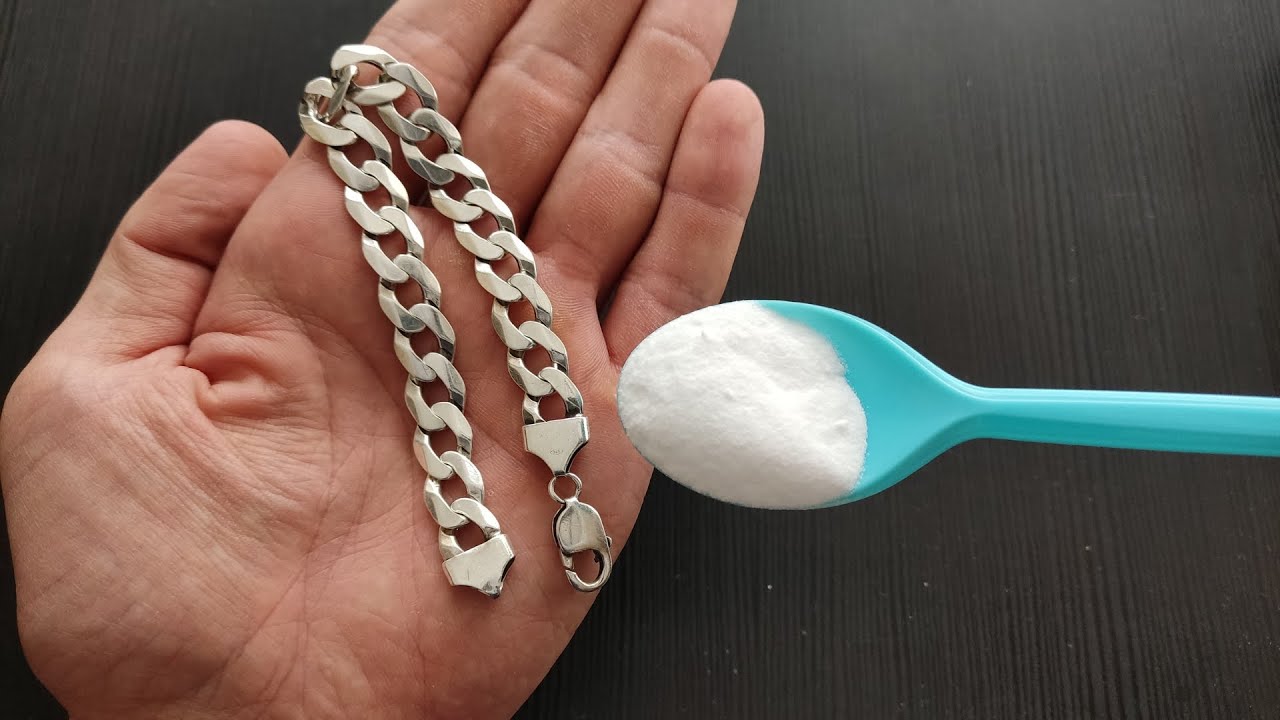
Tarnish happens to silver sooner or later, no matter how carefully you store or wear your jewelry. A dedicated silver polish or polishing cloth is usually the gentlest option, but you might not have one when you need quick results. In a pinch, plain toothpaste can lift tarnish and restore shine—if you use the right kind and keep your technique gentle.
Before You Start: When Toothpaste Is a Bad Idea
Toothpaste works because it contains mild abrasives that scrub away tarnish. Those same abrasives can also create fine scratches, especially on softer finishes. If your piece is delicate, valuable, or has a mirror-like shine, consider sticking to a polishing cloth instead.
Use extra caution with these types of jewelry
Skip toothpaste on sterling silver with a high polish, silver-plated pieces, and antique or fragile jewelry. These surfaces can mark easily and may lose their finish. If a piece has an intentionally dark “aged” look, avoid aggressive cleaning so you don’t remove the patina on purpose.
Part 1: Cleaning Silver Jewelry

1) Choose the right toothpaste
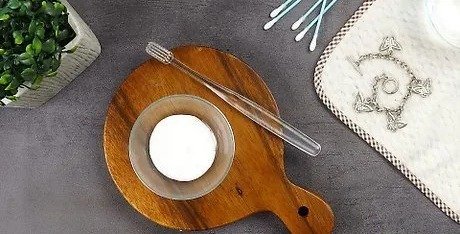
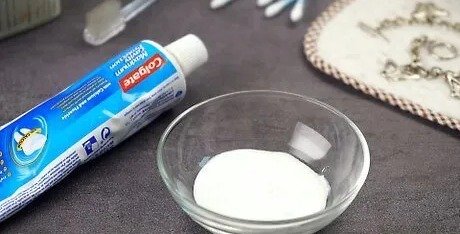
Pick a plain, solid-colored paste—not gel. Avoid formulas labeled whitening, tartar control, or baking soda, since these tend to be more abrasive and can scratch more easily.
2) Lightly dampen the jewelry
Moisten the silver with a little water to help the toothpaste spread smoothly. You can mist it with water or dip it briefly into a bowl. Avoid working over an open drain so you don’t lose small pieces.
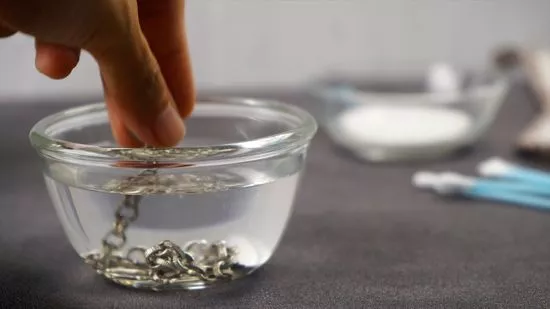
3) Apply a tiny amount of toothpaste
Use a pea-sized dab (or less for small jewelry like stud earrings). Apply it with a fingertip, a soft sponge, a paper towel, or a cotton swab.
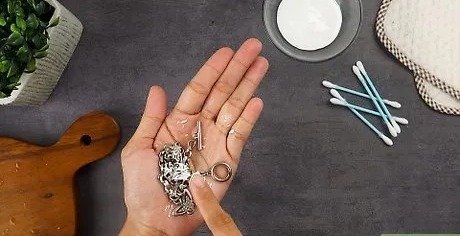
4) Rub gently—no heavy scrubbing
Buff the surface with a damp tissue or paper towel using light pressure. For small areas (like earring hooks or tight corners), use a cotton swab. If you’re cleaning a chain, pinch it inside a folded paper towel and gently pull it through.
Important: Be careful around gemstones. Softer stones can scratch easily, so keep toothpaste off them when possible.
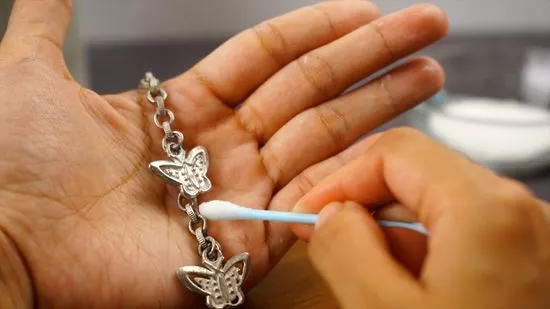
5) Clean grooves with a soft toothbrush (optional)
If your jewelry has detailed patterns, use a soft-bristled toothbrush (a baby toothbrush works well). Keep the brush damp and use small, gentle strokes to lift tarnish from crevices.
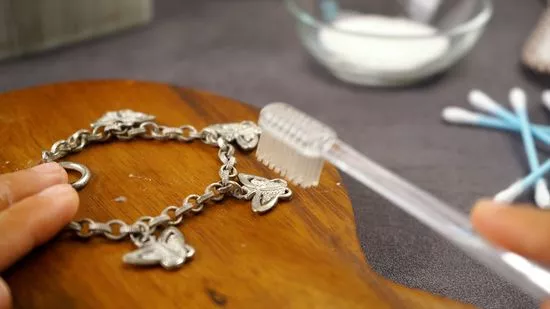
6) Let it sit briefly for stubborn tarnish
If the tarnish is heavy, let the toothpaste rest on the silver for 2–3 minutes. Don’t leave it on for long periods—especially near stones or plated areas.
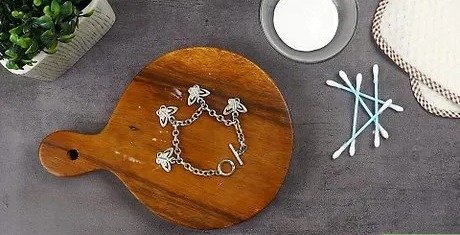
7) Wipe away residue and repeat if needed
Remove the toothpaste with a clean tissue, paper towel, or cotton swab. You can repeat in small rounds until the piece looks brighter. If your cloth turns dark, that’s normal—it’s tarnish lifting off.
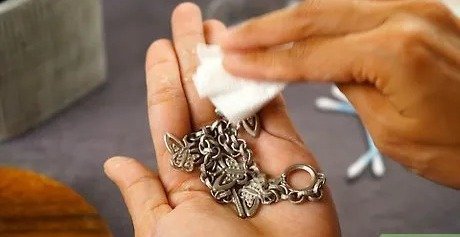
8) Rinse thoroughly and dry completely
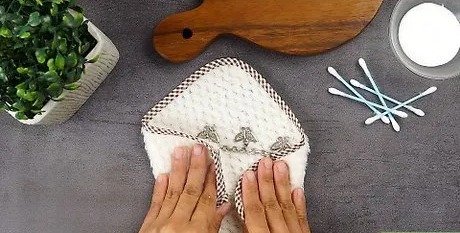
Rinse the jewelry in warm water until all residue is gone. If you’re nervous about a sink drain, rinse in a bowl of warm water instead. Pat dry with a soft cloth, then allow the piece to air-dry fully before storing—especially chains and ornate pieces where moisture can hide.
Part 2: Keeping Tarnish Away
Cleaning is only half the battle. A few small habits can slow tarnish so you don’t have to polish as often.
Store silver in a cool, dry place
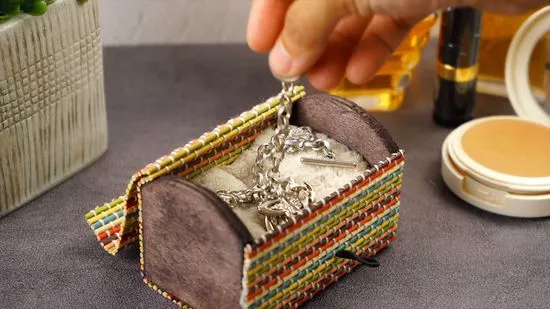
Humidity speeds up tarnish. Keep silver jewelry in a dry spot, and consider anti-tarnish storage options like tarnish-resistant bags, anti-tarnish cloth, or a lined jewelry box. Silica gel packets can also help reduce moisture in storage.
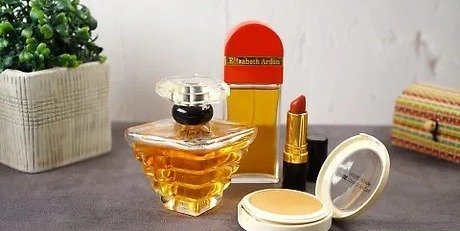
Apply cosmetics before jewelry
Lotions, perfume, hair products, and makeup can speed tarnishing and dull the surface. Put your products on first, let them dry, then wear your jewelry.
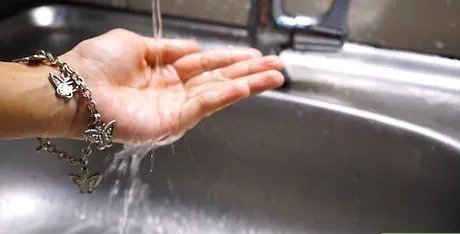
Avoid water, sweat, and household cleaners
Remove silver jewelry before showering, swimming, exercising, or cleaning. Water, sweat, and chemicals can tarnish silver faster and may cause damage over time.
Wipe pieces before storing
At the end of the day, quickly buff your jewelry with a soft cloth to remove oils and residue. This simple step helps keep tarnish from building up between cleanings.