
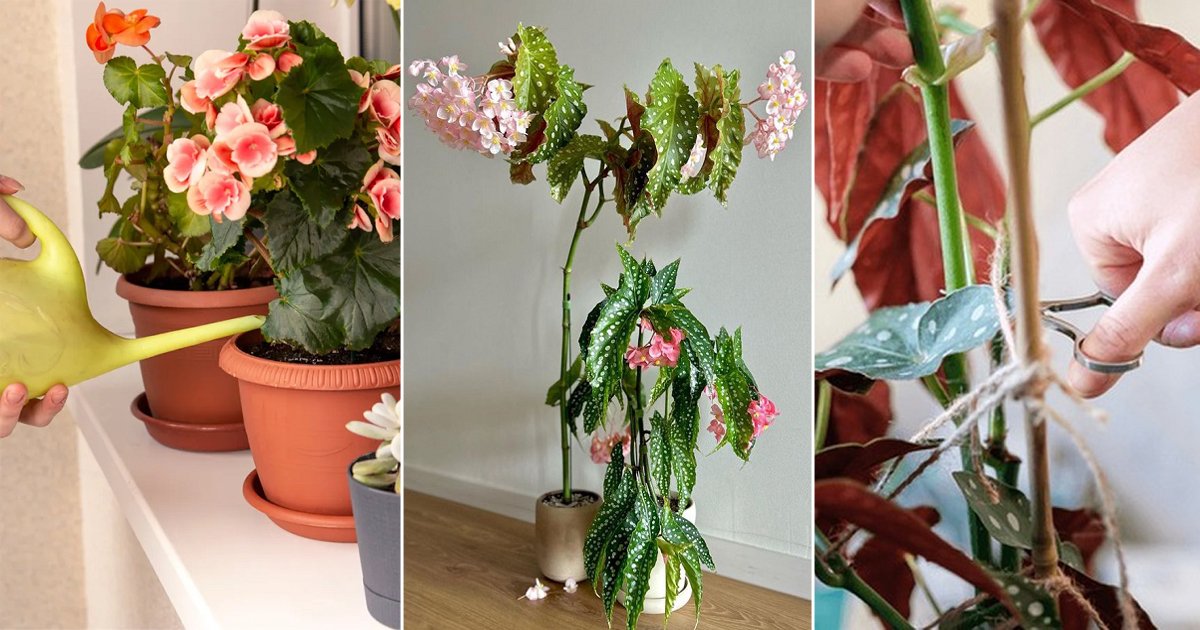
Begonias are admired for their vibrant flowers and decorative foliage. However, many gardeners struggle to get their plants to bloom consistently. In most cases, the problem is not the plant itself but small care details that are often overlooked. Understanding how begonias grow, form buds, and respond to their environment can make a huge difference. With the right care and a little patience, you can encourage your begonia to produce healthy, colorful flowers for a longer period.
Tips on How to Make Begonia Bloom
1. Provide the Right Amount of Light
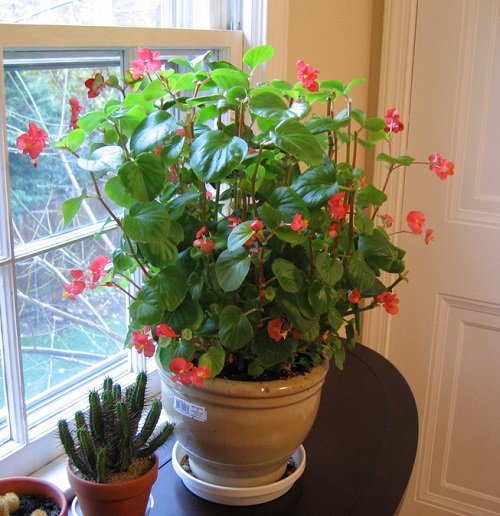
Light is one of the most important factors for flowering. Begonias thrive in bright, indirect light, but intense sunlight can damage their delicate leaves. Place the plant near a window where it receives filtered light or gentle morning sun. If the plant is kept in a dim location, it may grow leaves but produce very few flowers. Gradually move your begonia to a brighter spot if needed, allowing it to adjust slowly.
2. Feed Begonia Regularly

Begonias need proper nutrients to support flower production. Use a balanced liquid fertilizer every two weeks during the growing season. A fertilizer with slightly higher phosphorus content helps encourage blooming. Always dilute fertilizer according to the instructions to avoid damaging the roots. Proper feeding strengthens the plant and supports continuous bud formation.

3. Maintain a Warm Temperature
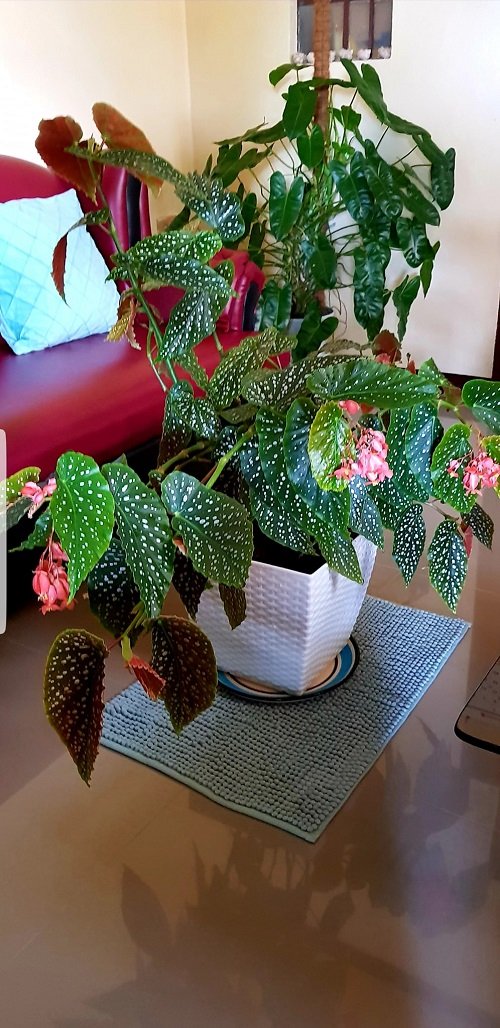
Begonias are tropical plants and prefer warm environments. They grow best in temperatures between 18°C and 26°C. Cold drafts or sudden temperature changes can cause buds to drop before they open. Avoid placing your plant near air conditioners, heaters, or cold windows. A stable and warm environment encourages healthy growth and blooming.
4. Use Well-Draining Soil
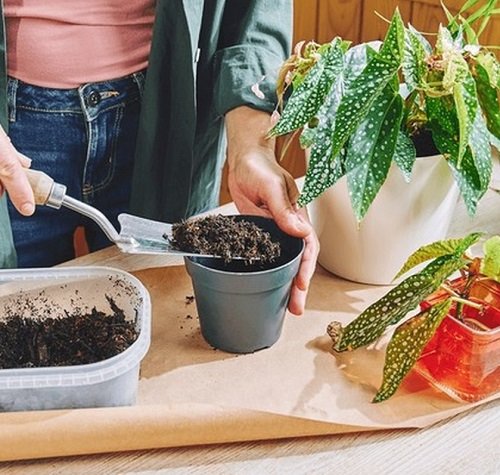
Healthy roots are essential for flower production. Begonias do not thrive in heavy or waterlogged soil. Use a light potting mix that drains quickly and allows air to reach the roots. A mixture containing coco peat, compost, and perlite works well. Always use a pot with drainage holes to prevent excess water from accumulating around the roots.
5. Water the Plant Properly
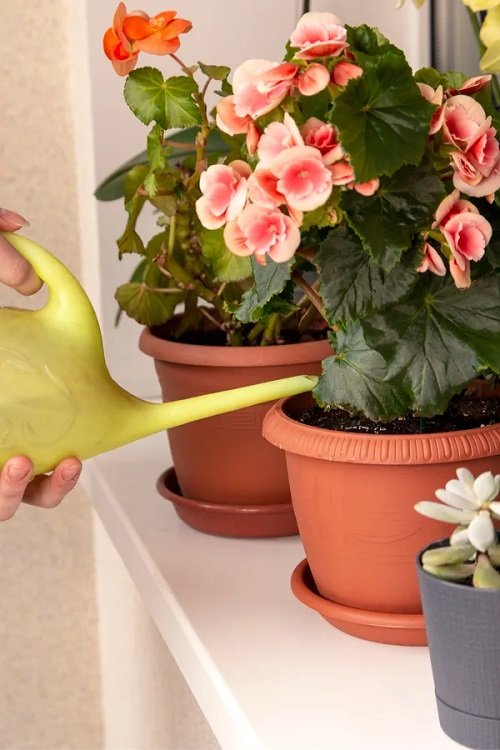
Watering mistakes are one of the most common reasons begonias fail to bloom. The soil should stay slightly moist but never soggy. Water the plant only when the top layer of soil feels dry. Pour water slowly until it drains from the bottom of the pot, and never allow the plant to sit in standing water. Consistent watering helps prevent stress and keeps buds developing properly.
6. Maintain Moderate Humidity
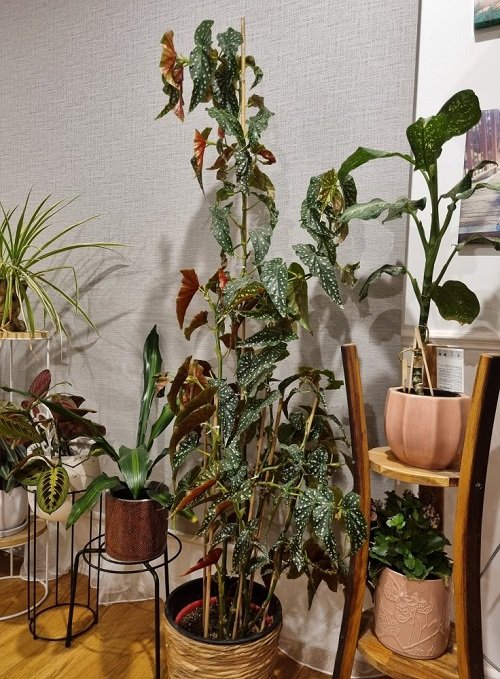
Begonias appreciate moderate humidity levels. Very dry air can slow growth and prevent buds from opening fully. If indoor air becomes too dry, place a tray of water near the plant or group several plants together to increase humidity naturally. Avoid frequent misting, as wet leaves may encourage disease.
7. Prune to Encourage New Blooms
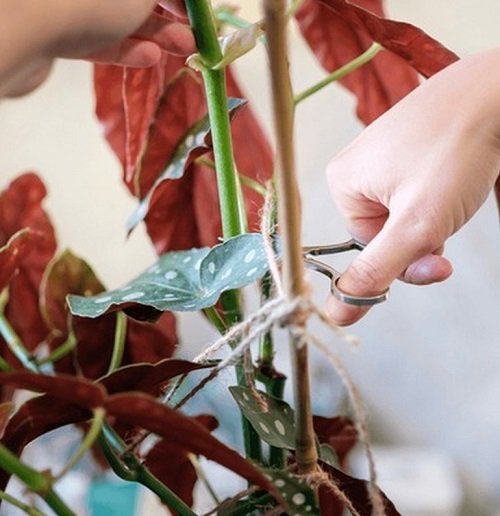
Regular pruning helps redirect the plant’s energy toward flower production. Remove faded flowers, damaged leaves, and leggy stems. Cutting stems just above a leaf node encourages branching. More branches mean more potential flower buds. Always use clean, sharp scissors to keep the plant healthy.
8. Reduce Plant Stress
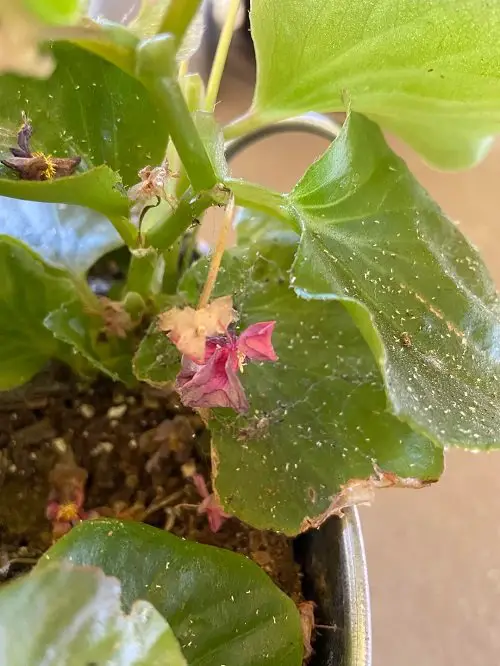
Stress can quickly stop a begonia from blooming. Avoid moving the plant frequently or making sudden changes to light, watering, or temperature. Regularly inspect the plant for pests such as aphids or mealybugs, which can weaken growth. If pests appear, treat them early using neem oil or a mild soap solution. A healthy, stress-free plant will focus its energy on producing flowers.
Important Points to Remember
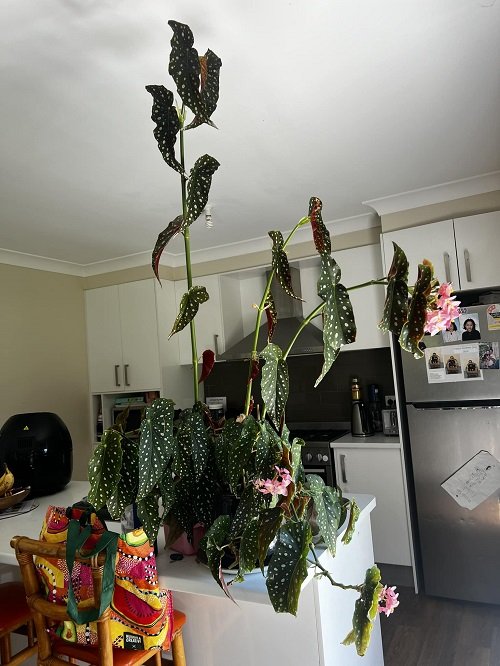
Grow begonias in a bright location with partial shade if outdoors, or near a well-lit window indoors. Because these plants are tropical, they cannot tolerate cold temperatures. Bring them indoors if the temperature drops below 10°C. Water regularly but keep the soil only slightly moist rather than wet. Feed the plant with a light flowering fertilizer during active growth to encourage bud formation. Keeping the plant slightly pot-bound can also stimulate blooming.
With proper light, balanced feeding, and stable conditions, begonias can reward you with vibrant flowers throughout the growing season.
