
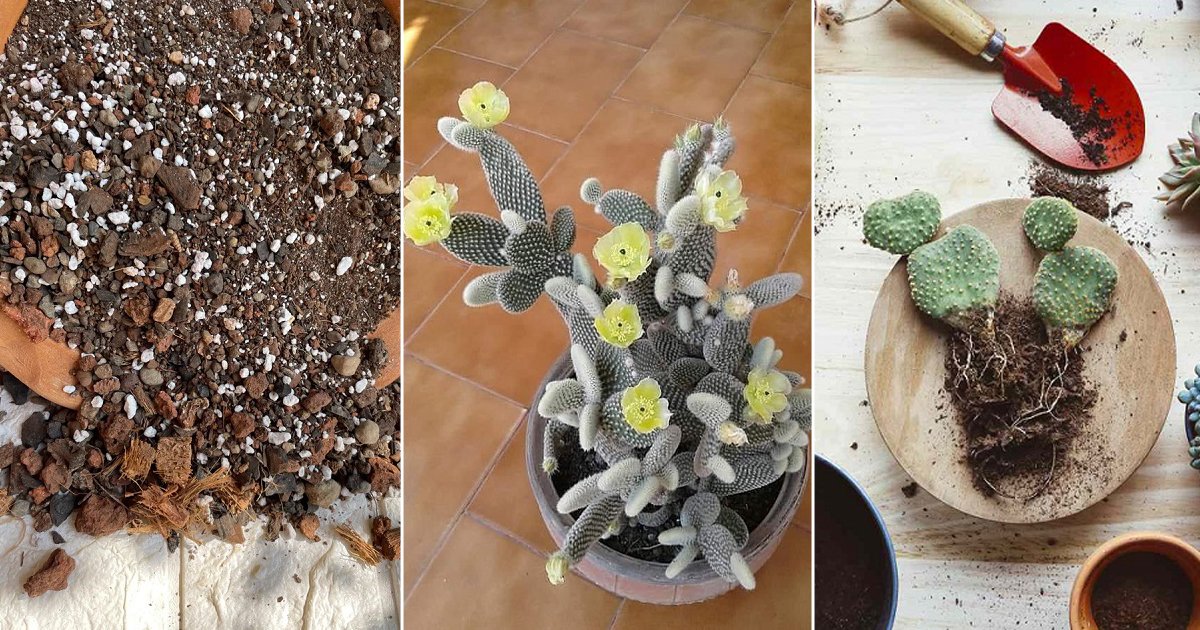
Blooming a bunny ear cactus requires patience and the right growing conditions. Many plants grow healthy pads for years but never produce flowers because one important step is missing. By adjusting light, watering, and seasonal care, you can encourage your cactus to develop beautiful blooms. This guide explains how to bloom your bunny ear cactus and the small changes that can make a big difference.
How to Encourage Your Bunny Ear Cactus to Bloom
Provide Bright and Consistent Sunlight
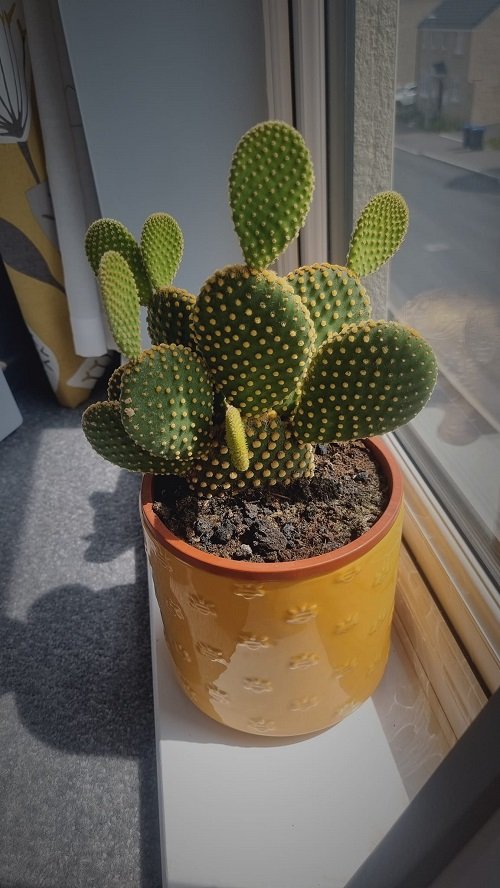
Strong sunlight is essential for flower production. Bunny ear cactus thrives in bright conditions and needs several hours of direct sunlight each day. When light levels are too low, the pads may become thin and the plant will focus on survival instead of flowering.
Place the cactus near a bright window or outdoors where it receives morning and midday sun. Rotating the pot occasionally ensures that every pad receives equal light exposure, helping the plant grow evenly and build the energy required for blooming.
Use Fast-Draining Soil for Healthy Roots
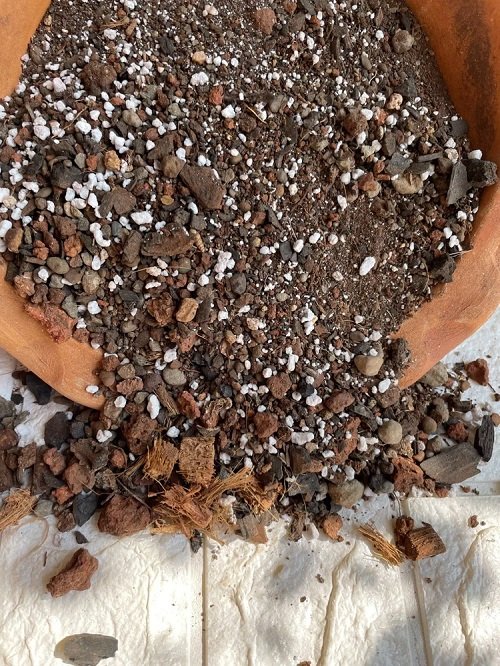

Healthy roots are the foundation of a blooming cactus. Heavy soil that holds too much moisture can stress the roots and reduce the chance of flowering. Bunny ear cactus grows best in loose, fast-draining soil designed for cacti or succulents.
This type of soil allows excess water to drain quickly and lets air circulate around the roots. When the roots stay healthy, the plant develops strong pads that store energy, which is later used to produce flowers during the blooming season.
Allow a Cool Resting Period
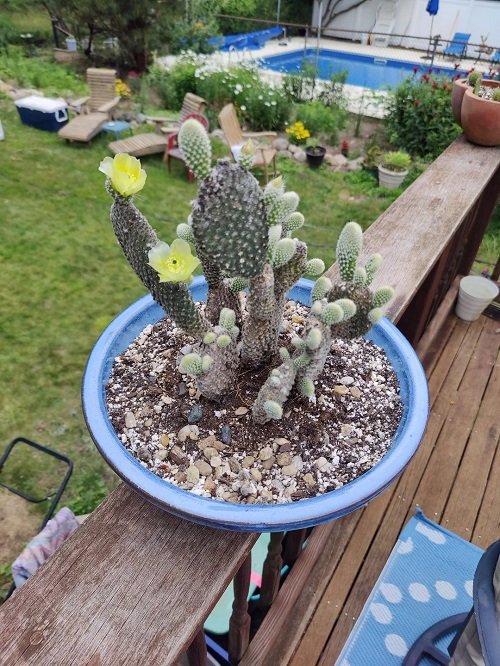
A winter rest period is one of the most important triggers for flowering. During late fall and winter, bunny ear cactus naturally slows its growth. Cooler temperatures and reduced watering help signal the plant that it is time to prepare for blooming.
During this rest period, avoid fertilizing and keep the plant in a stable location. Once warmer temperatures return in spring, the cactus resumes active growth and may begin forming flower buds.
Avoid Frequent Changes and Stress
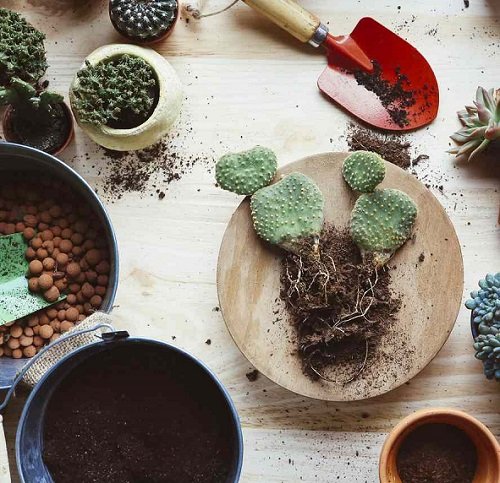
Bunny ear cactus prefers stability. Moving the plant too often or exposing it to sudden changes in light, temperature, or watering can interrupt the blooming cycle.
Once you find a good location, allow the plant to settle and grow there. Repot only when the cactus becomes root-bound. A stable environment allows the plant to focus its energy on producing flowers instead of recovering from stress.
Fertilize Lightly During the Growing Season
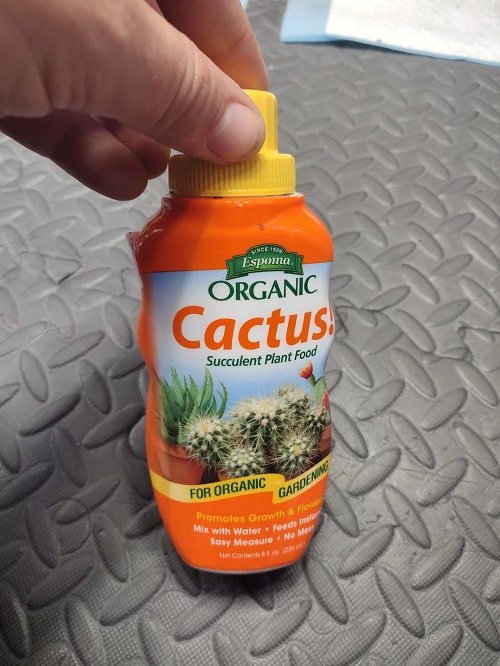
Bunny ear cactus does not require heavy feeding. Too much fertilizer encourages rapid pad growth but often prevents flowering. Instead, feed lightly during spring and early summer when the plant is actively growing.
Use a cactus fertilizer that is low in nitrogen and apply it sparingly. This balanced feeding approach supports steady growth while allowing the plant to store energy for future blooms.
Follow a Proper Watering Routine
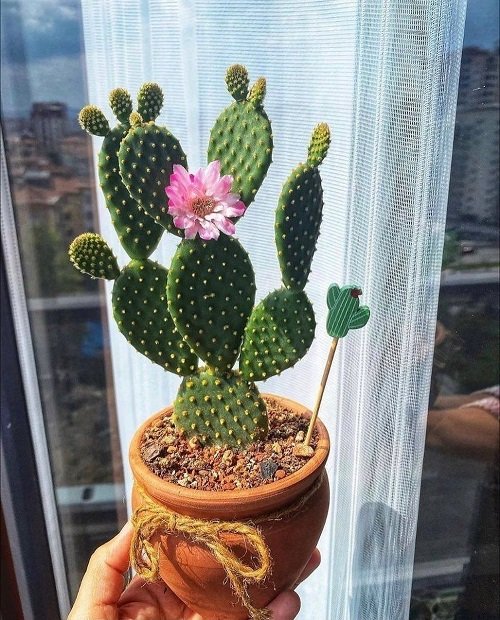
Watering habits strongly influence blooming. Overwatering can stop flowers from forming, while severe dryness can weaken the plant. The best approach is to water deeply only after the soil has completely dried.
During the growing season, give the cactus a thorough watering and allow excess water to drain away. In cooler months, reduce watering significantly. These dry periods help mimic the cactus’s natural environment and encourage the plant to prepare for flowering.
Be Patient and Watch for Growth Signs
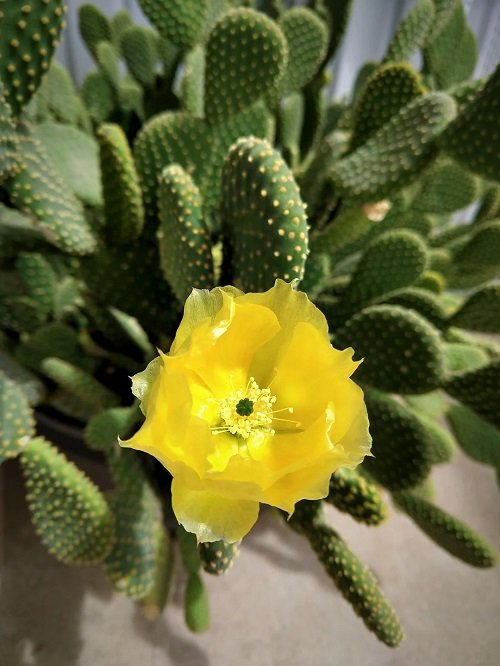
Bunny ear cactus does not bloom overnight. It may take several growing seasons before the plant is mature enough to produce flowers. Healthy pads should look firm, thick, and evenly shaped.
When conditions are right, small buds often appear along the edges of the pads before the flowers open. With proper care and patience, the bunny ear cactus eventually rewards growers with bright and cheerful blooms.
