
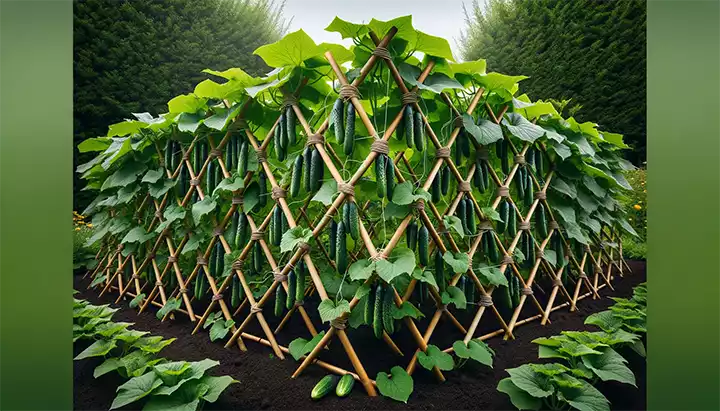
How to Grow Cucumbers Using a Herringbone Trellis Pattern
Cucumbers are among the most rewarding vegetables to grow at home. They are productive, easy to maintain, and incredibly versatile in the kitchen. If you want to maximize your harvest while keeping your garden neat and attractive, growing cucumbers in a herringbone pattern is an excellent solution. This unique trellising method improves plant health, saves space, and creates a striking visual feature in any garden.
Why Choose a Herringbone Growing Pattern?
Efficient Use of Space: The angled layout allows you to grow more cucumber plants in a smaller area, making it ideal for compact gardens.
Better Airflow: Improved circulation around the vines helps reduce moisture buildup and lowers the risk of fungal diseases.
Increased Sunlight Exposure: Each plant receives more consistent sunlight, encouraging stronger growth and higher yields.
Easier Harvesting: Fruits are easier to spot and pick when vines are trained along a structured support system.

Decorative Appeal: The distinctive herringbone design adds a professional and organized look to your garden.
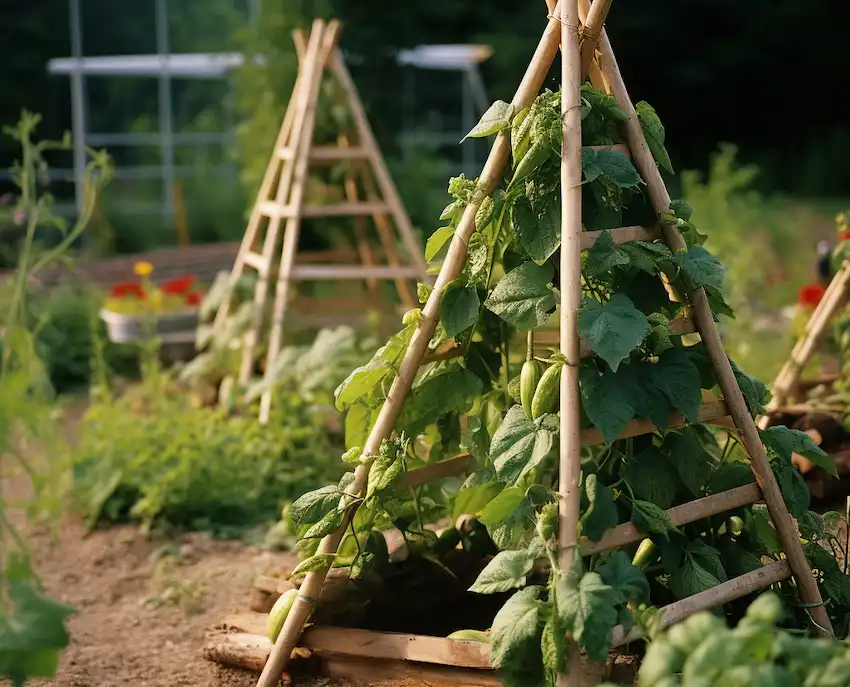
Step 1: Prepare the Planting Area
Select the Right Location
Choose a spot that receives at least six to eight hours of direct sunlight daily. Cucumbers thrive in warm, sunny conditions.
Improve the Soil
Use fertile, well-draining soil with a pH between 6.0 and 7.0. Incorporate compost or aged manure before planting to boost nutrient levels and soil structure.
Plan Plant Spacing
Allow approximately 18 inches of space around each plant to give vines enough room to grow along the herringbone framework.
Step 2: Build the Herringbone Trellis
Materials Needed
Gather sturdy stakes such as bamboo poles, along with garden twine or trellis netting for support.
Assembly Instructions
1. Install two parallel rows of stakes roughly 18 inches apart.
2. Angle the stakes toward each other so they cross near the top, creating a repeating series of X-shaped supports.
3. Secure the intersections firmly with twine or garden ties.
4. Continue the pattern down the row, keeping each X-shaped section evenly spaced.
5. Attach twine or netting between the supports to give the vines a structure to climb.
Step 3: Plant and Train the Vines
Sowing the Seeds
Plant cucumber seeds directly at the base of each support stake. Water thoroughly after planting and keep the soil consistently moist until seedlings emerge.
Guiding the Growth
As the vines develop, gently direct them toward the trellis. Use soft ties or clips when necessary to secure the stems without damaging them.
Prune excessive side shoots periodically to encourage vertical growth, improve airflow, and maintain a tidy structure.
Step 4: Maintain Healthy Plants
Watering
Cucumbers need steady moisture throughout the growing season. Water deeply and regularly, avoiding overly saturated soil.
Fertilizing
Apply a balanced fertilizer every four to six weeks to support vigorous growth and continuous fruit production.
Pest and Disease Control
Inspect plants frequently for signs of insects or disease. Organic solutions such as neem oil or insecticidal soap can help manage common garden pests.
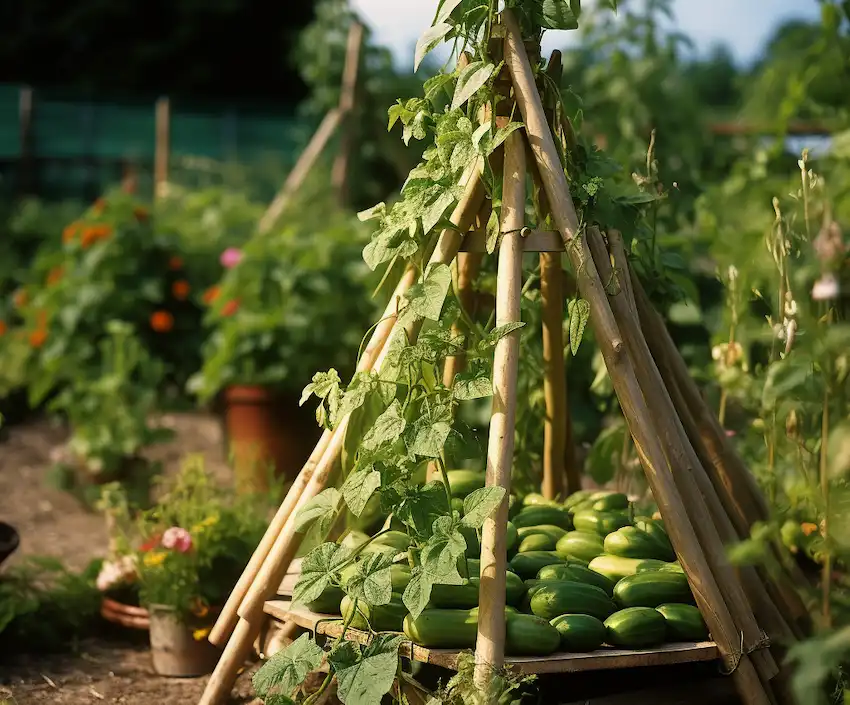
Step 5: Harvest at the Right Time
When to Harvest
Pick cucumbers when they are firm, medium-sized, and display a vibrant green color. Harvesting regularly encourages the plant to produce more fruit.
How to Harvest
Use clean scissors or a sharp knife to cut cucumbers from the vine. Avoid pulling the fruit, as this can damage stems and reduce future production.
Enjoy a More Productive Cucumber Garden
The herringbone trellis method combines practicality with visual appeal, making it an excellent choice for gardeners looking to increase yields while keeping their growing space organized. With proper care, consistent watering, and regular harvesting, this innovative setup can provide a steady supply of fresh cucumbers throughout the season while enhancing the overall beauty of your garden.
