How to Build a Successful Aquaponics System at Home
Aquaponics is an innovative and sustainable gardening method that combines fish farming and soilless plant cultivation into a single self-sustaining ecosystem. In this closed-loop setup, fish produce nutrient-rich waste that feeds plants, while the plants naturally filter and clean the water before it returns to the fish tank. The result is an efficient system that conserves water, reduces waste, and produces fresh vegetables and fish from the same environment.
Whether you’re looking to grow food indoors or create a productive backyard garden, aquaponics offers a practical and environmentally friendly solution. This guide explains the essential steps to design, build, and maintain a thriving home aquaponics system.
Step 1: Select the Ideal Location
The location of your aquaponics setup plays a major role in its long-term success.
Lighting Requirements
Most vegetables require at least 6–8 hours of sunlight each day. Choose a location with strong natural light, or supplement with grow lights if sunlight is limited.
Temperature Stability
Fish and plants both perform best in a stable environment. Indoor systems should be placed in temperature-controlled areas, while outdoor systems may need shade, insulation, or weather protection.
Access to Utilities
Ensure the area has easy access to electricity for pumps and lighting, as well as a convenient water source for refilling and maintenance.
Available Space
Select a location that provides enough room for equipment, maintenance, and harvesting. Compact or vertical systems are excellent choices for smaller spaces.
Step 2: Set Up the Fish Tank

The fish tank serves as the foundation of the aquaponics ecosystem. Choosing the right tank ensures healthy fish and stable water quality.
Choosing the Right Size
Beginners often find tanks between 100 and 200 gallons easier to manage because larger water volumes remain more stable. Smaller indoor systems can work as well but require closer monitoring.
Tank Materials
Use food-safe materials such as plastic, fiberglass, or glass. Durable plastic tanks are especially popular due to their affordability and lightweight design.
Proper Placement
Position the tank on a strong, level surface capable of supporting its full weight when filled with water.
Selecting Fish Species
Choose fish suited to your local climate and water conditions. Common options include tilapia, catfish, goldfish, koi, trout, and perch.
Step 3: Install the Grow Bed
The grow bed is where plants absorb nutrients and help purify the water.
Placement and Design
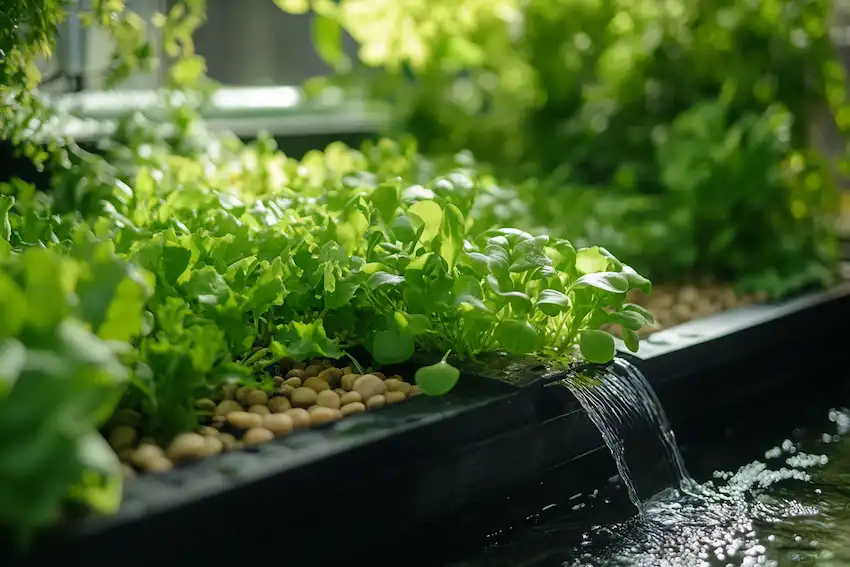
Install the grow bed above the fish tank whenever possible. This allows water to flow back into the tank using gravity, simplifying the plumbing system.
Growing Media
Fill the bed with a supportive medium such as expanded clay pebbles, gravel, or lava rock. These materials encourage beneficial bacteria growth and provide excellent drainage.
Recommended Dimensions
A grow bed should generally be about half the volume of the fish tank and at least 12 inches deep to support root development and biological filtration.
Step 4: Install a Water Circulation System
Continuous water movement is essential for delivering nutrients to plants and oxygen to fish.
Choosing a Pump
Select a pump capable of circulating the tank’s entire water volume at least once every hour. Consistent flow keeps the ecosystem healthy and balanced.
Connecting the Plumbing
Use food-safe tubing to move water from the fish tank to the grow bed. Install an overflow drain or bell siphon to regulate water levels and prevent flooding.
Backup Power Solutions
Because aquaponics relies on circulation, a battery backup or solar-powered system can protect fish during power outages.
Step 5: Cycle the System Before Adding Fish
Cycling establishes beneficial bacteria that convert harmful waste into plant nutrients.
Understanding the Nitrogen Cycle
Beneficial bacteria transform ammonia from fish waste into nitrites and then into nitrates, which plants readily absorb.
Fishless Cycling
Adding an ammonia source without fish is the safest way to establish bacterial colonies. Monitor water parameters regularly during the 4–6 week cycling process.
Fish-In Cycling
If cycling with fish, introduce only a small number of hardy species and closely monitor ammonia and nitrite levels to avoid stress or injury.
Encouraging Bacterial Growth
Maintain warm water temperatures and adequate aeration to accelerate bacterial colonization.
Step 6: Introduce Fish and Plants
Once water chemistry is stable, the ecosystem is ready for living organisms.
Adding Fish
Acclimate fish gradually by floating their transport bag in the tank before release. This reduces stress caused by sudden temperature changes.
Choosing Plants
Leafy greens such as lettuce, kale, and spinach are excellent beginner crops. Herbs, strawberries, tomatoes, and peppers also perform well in mature systems.
Proper Plant Spacing
Provide enough room for airflow and root expansion. Seedlings and cuttings generally establish faster than seeds in aquaponic environments.
Step 7: Monitor and Maintain the Ecosystem
Regular maintenance ensures healthy fish, productive plants, and long-term system stability.
Water Quality Testing
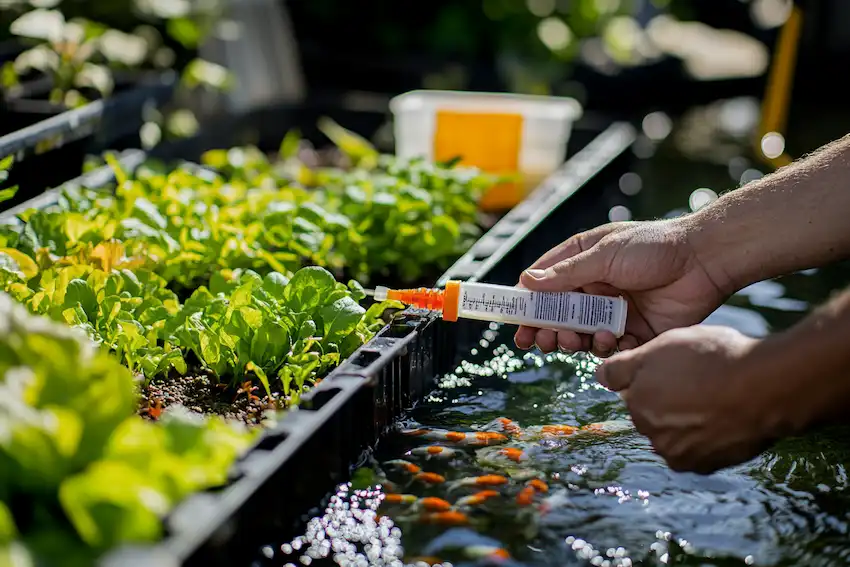
Check pH, ammonia, nitrite, and nitrate levels frequently. A pH range between 6.8 and 7.2 typically supports both fish and plants.
Feeding Practices
Feed fish appropriate amounts and remove uneaten food to prevent water contamination.
Plant Care
Inspect plants for nutrient deficiencies, disease, or pests. Prune regularly to encourage vigorous growth.
Equipment Maintenance
Clean grow beds, inspect pumps, and check plumbing for leaks or blockages. Preventive maintenance minimizes system failures.
Harvesting
Harvest crops regularly to stimulate continued production and maintain nutrient balance within the ecosystem.
Benefits of Aquaponics
Environmentally Friendly
Aquaponics recycles water and nutrients, dramatically reducing waste compared to traditional gardening methods.
Space Efficient
The system can be adapted to small urban spaces, balconies, greenhouses, or indoor growing areas.
Dual Food Production
Homeowners can harvest both fresh vegetables and fish from a single integrated ecosystem.
Reduced Chemical Use
Because plants receive nutrients naturally from fish waste, there is little need for synthetic fertilizers.
Common Challenges to Consider
Startup Costs
Initial investments in tanks, pumps, plumbing, and growing media can be significant, although costs are often offset over time through food production.
Learning Curve
Successful aquaponics requires understanding water chemistry, fish care, and plant nutrition. New growers should expect a period of learning and adjustment.
Reliance on Electricity
Pumps and lighting systems depend on a reliable power supply, making backup energy solutions highly recommended.
Important Considerations
Every aquaponics system is unique, and the needs of fish and plants can vary significantly. Research species requirements carefully and monitor your system consistently. Seeking advice from experienced aquaponics growers can help avoid common mistakes and improve long-term success.
Start Your Aquaponics Adventure
Building a home aquaponics system is an exciting way to produce fresh food while embracing sustainable living. By combining fish cultivation with efficient plant growth, you can create a productive ecosystem that conserves resources and delivers year-round harvests. With careful planning, regular maintenance, and a commitment to learning, your aquaponics garden can become a thriving source of healthy food for years to come.
