
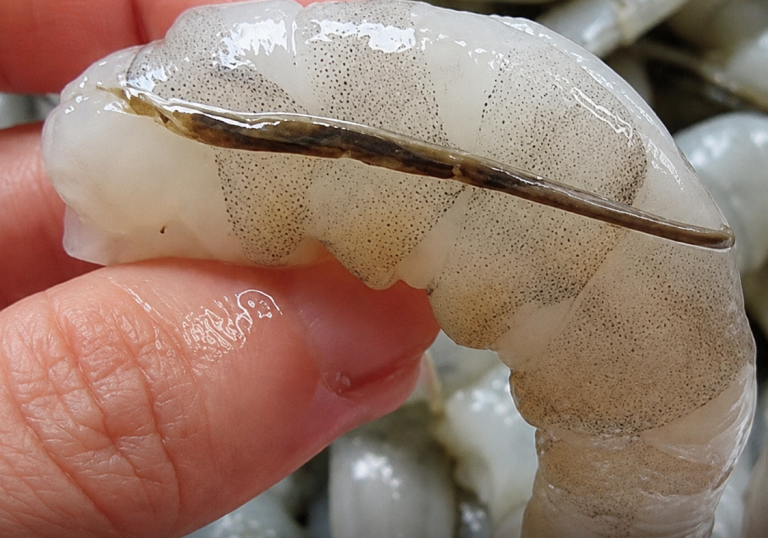
What Is This Black Line on Shrimp?
Rest assured, this dark line is not a vein or any medical organ, but simply the shrimp’s digestive tract. This thin black stripe running along the shrimp’s back contains the remnants of the food the animal has consumed, which explains its dark coloration. Although this line is not toxic and does not pose any risk if accidentally ingested, it can impart a slight bitterness or a grainy texture. This is especially true for wild shrimp, which feed freely in their natural environment. For this reason, many chefs prefer to remove this black line before cooking to ensure an optimal flavor.
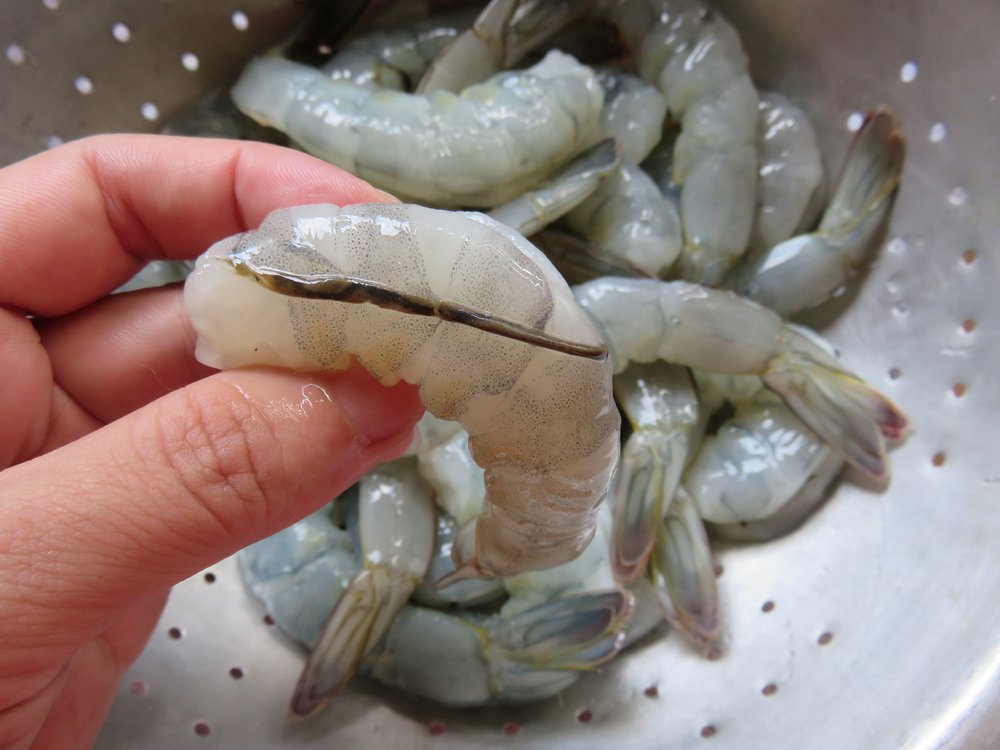
How to Easily Remove the Shrimp’s Digestive Tract: A Step-by-Step Guide
You don’t have to be a five-star chef to master this technique. Start by rinsing the shrimp under a stream of cold water. Then, take a small paring knife and carefully make a cut along the shrimp’s back. The black line will immediately become visible. Using the knife tip or your fingers, gently lift the digestive tract and remove it. Sometimes it comes out in one piece; other times it breaks apart. In either case, rinse the shrimp thoroughly once again under cold water. With a bit of practice, this process takes no longer than a minute per shrimp. Simple, quick, and effective.
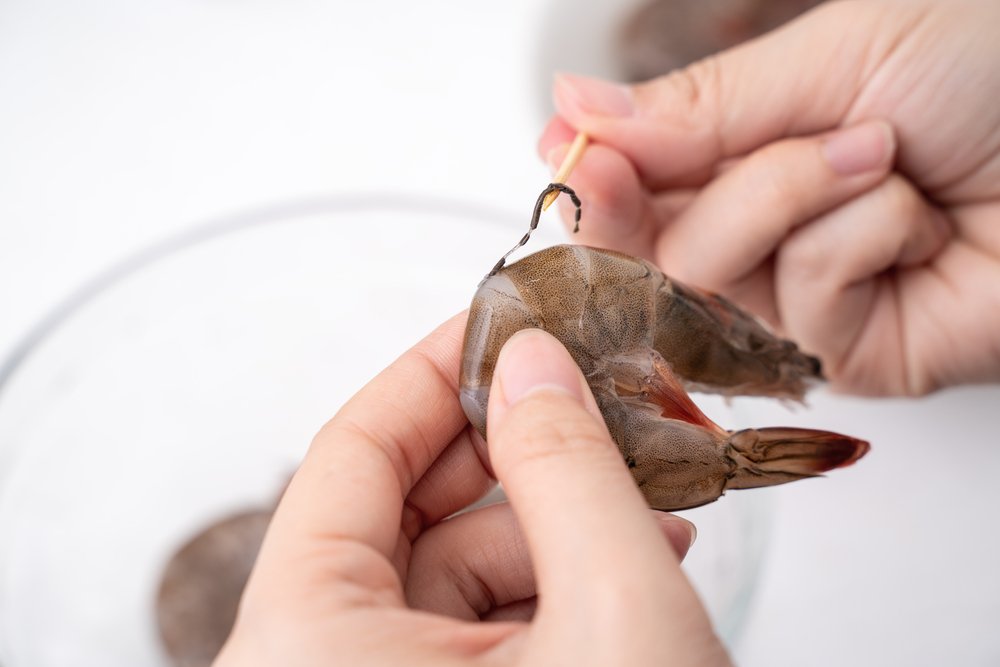
Is It Always Necessary to Remove This Black Part?
Not necessarily. In small shrimp, this digestive tract is often so thin that it goes unnoticed. Farmed shrimp, on the other hand, benefit from controlled feeding, which generally results in a cleaner digestive tract less likely to affect the flavor. Moreover, in strongly spiced dishes or those with rich sauces, this difference is often imperceptible. However, for a neat presentation, a convivial dinner, or recipes with simple flavors such as garlic sauteed shrimp, removing the black line adds genuine culinary value.

How to Choose Good Shrimp in the Store or Market
Fresh or frozen, each option has its advantages. For fresh shrimp, opt for firm flesh, a light ocean scent, and shiny shells. If the smell is too strong or too “fishy,” it’s best to walk away. For frozen shrimp, carefully check the label: are they “raw” or “cooked”? Has the digestive tract been removed? For thawing, the best method is to place them in the refrigerator or immerse them under cold running water. Never thaw your shrimp at room temperature—this is an essential hygiene rule.
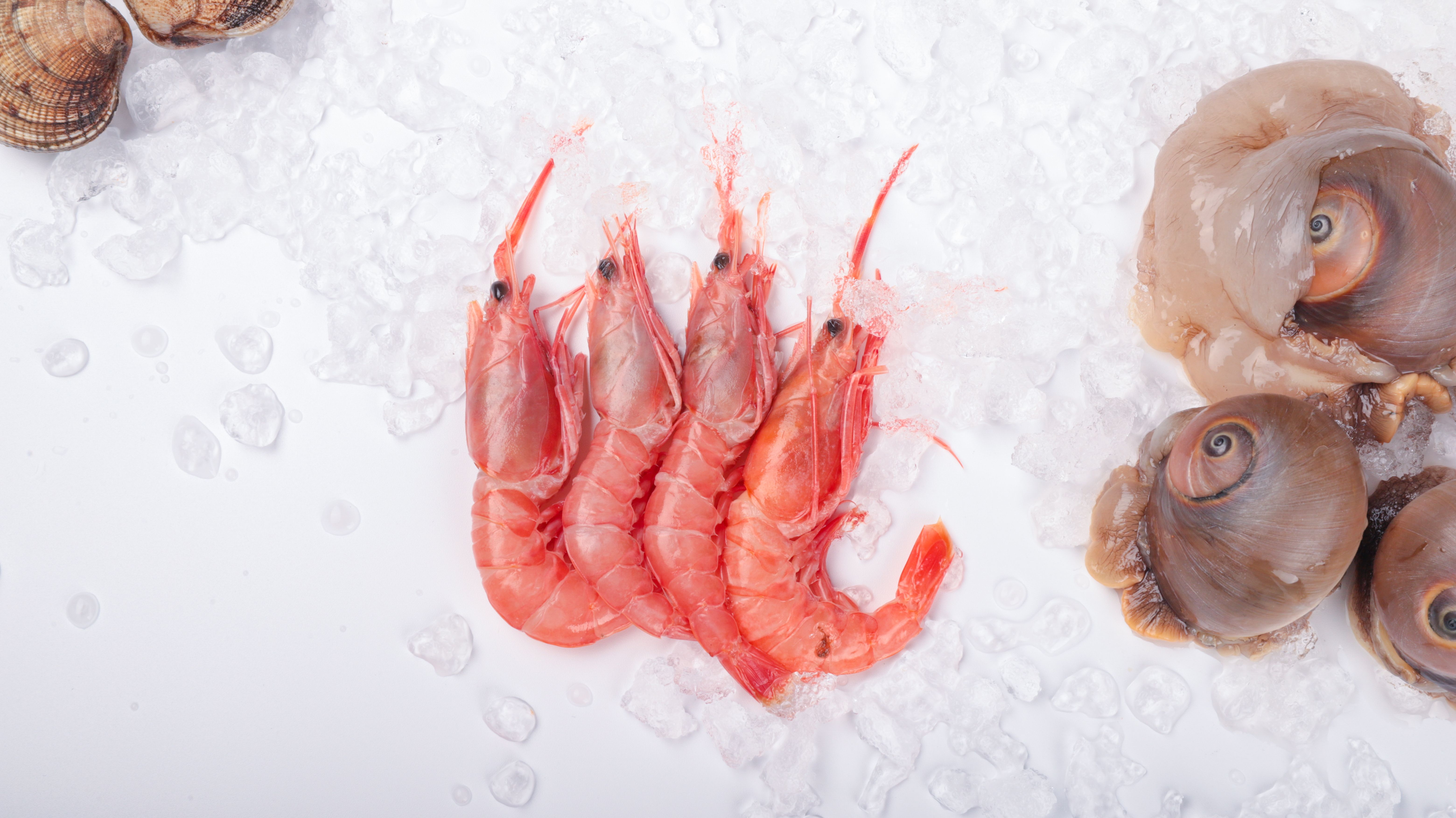
The Health Benefits of Shrimp
Shrimp are beloved—and for good reason. Rich in protein, low in calories and fat, they are a perfect balance for healthy eating. They also provide vitamin B12, selenium, iodine—essential for proper thyroid function—and omega-3 fatty acids, which protect the heart. They are suitable for almost all diets. Just a few minutes of quick cooking in a pan with a drizzle of olive oil and a splash of lemon juice is enough to create a healthy, tasty meal in under ten minutes.
Once properly prepared, shrimp become one of the most favored options for simple, flavorful, and nutritious cooking.
