

Why does your sleep tend to become fragile specifically between 3 a.m. and 5 a.m.? Is this due to a unique feature of your biological clock or are there other unsuspected influences at play? Let’s explore together the possible causes behind these puzzling nighttime awakenings.
The Mystery of Waking Up Between 3 a.m. and 5 a.m.
The Phenomenon Known as the “Wolf Hour”: Myth and Reality
In certain Scandinavian cultures, the time frame between 3 a.m. and 5 a.m. is referred to as the “wolf hour.” This expression was popularized by Swedish filmmaker Ingmar Bergman through his film of the same name. According to these traditions, this nocturnal period is steeped in heightened anxiety, marked by nightmares, and even linked to increased rates of both births and deaths.
Other legends speak of the “witching hour,” a moment when supernatural forces are believed to be especially active. However, science offers a more pragmatic explanation to account for these frequent awakenings in the middle of the night.
The Central Role of Our Biological Clock


Our body functions on a circadian rhythm, an internal clock that governs not only the sleep cycle but also body temperature, blood pressure, and many other vital functions over an approximately 24-hour period.
Between 3 a.m. and 5 a.m., our body reaches a peak phase of inactivity characterized by:
Lowest body temperature
A significant drop in blood pressure
A slowdown in metabolism
This time frame corresponds to the deepest phase of sleep. However, as soon as an external factor disrupts this balance—whether it be stress, anxiety, improper diet, or an unfavorable environment—our body may interpret this as a signal to wake up, thereby disturbing the sleep.
Stress and Anxiety: The Most Common Triggers
For those prone to anxiety, these hours can intensify underlying worries. In this state of minimal rest, the brain can suddenly become overwhelmed with negative thoughts. It is often during this time that rumination sets in, anxiety takes hold, making it particularly difficult to fall back asleep.
Tips to Reduce Nighttime Awakenings Related to Anxiety

Incorporate deep breathing exercises or meditation before bed
Avoid screens at least one hour before going to sleep
Maintain regular and consistent sleep schedules
Reduce intake of stimulants, such as coffee or alcohol, in the late afternoon or evening
But what should you do if you still find yourself waking between 3 a.m. and 5 a.m. despite these precautions?
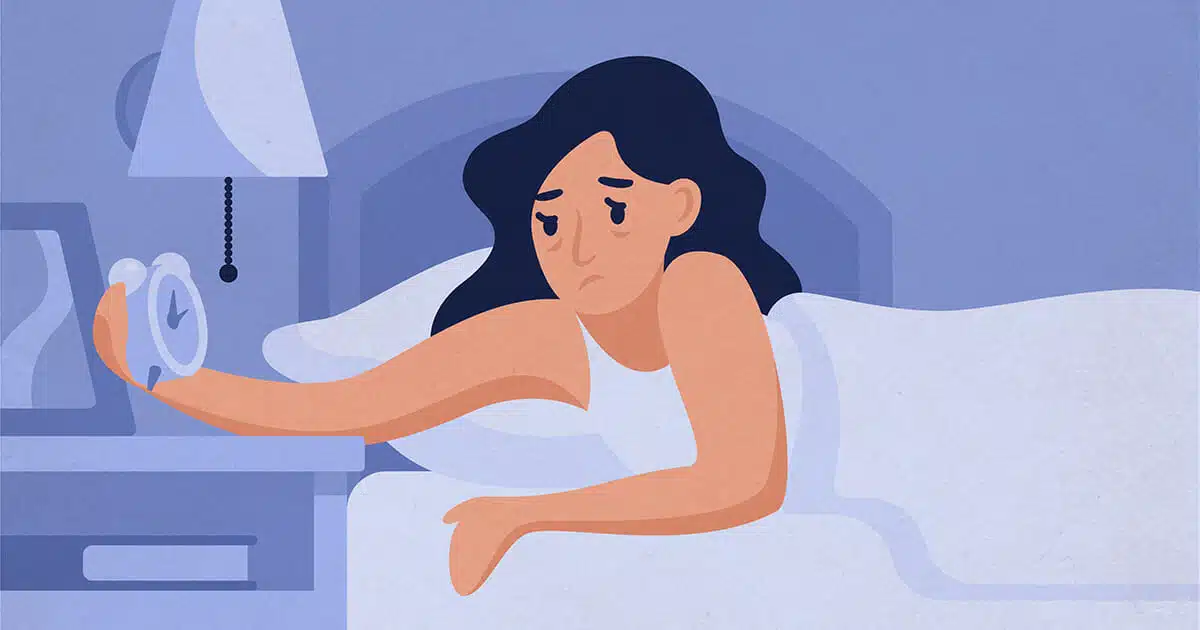
The golden rule is not to look at the clock or give in to anxiety about not being able to fall back asleep. The more you focus on your sleep difficulties, the further away deep sleep becomes.
Strategies to Fall Back Asleep Quickly

Avoid turning on lights or checking your phone
Practice slow, deep breathing exercises to soothe your mind
If after twenty minutes you are still awake, get up and engage in a calm activity, such as reading or listening to gentle music
In Conclusion: A Common but Manageable Phenomenon
Waking up between 3 a.m. and 5 a.m. is a frequent experience, most often linked to our biological clock and emotional factors like stress. Rather than worrying about it, it is better to adopt good sleep hygiene and manage your anxiety to reduce these nighttime interruptions.
So, next time your eyes open during these hours, take a deep breath, release the tension… and gently let yourself drift back to sleep.
