
How to Build a Safe Treehouse Without Harming the Tree
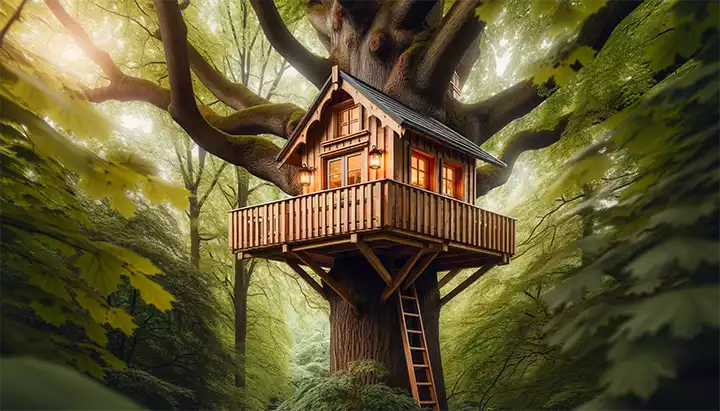
Building a treehouse is an exciting project, but it requires careful planning to ensure both safety and the long-term health of the tree. A well-designed treehouse should work with nature rather than against it. By following the right construction practices, you can create a durable and enjoyable space that remains safe for years.
Plan the Project Carefully
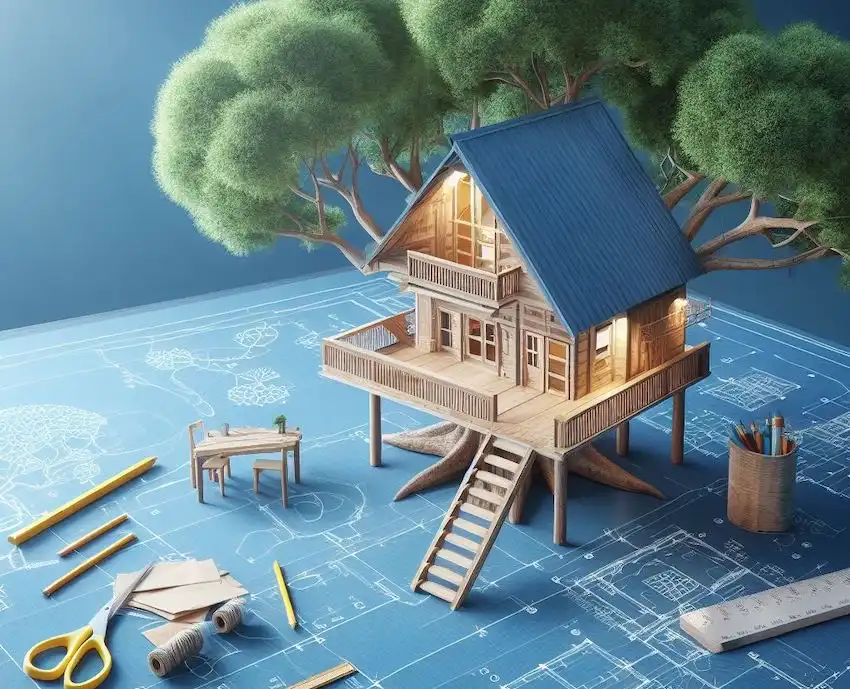
Before starting construction, take time to create a detailed plan. Consult a qualified arborist to evaluate the tree’s health and structural stability. Check local building regulations to ensure compliance, and prepare clear design sketches or blueprints before purchasing materials.
Select the Right Tree
Choose Strong and Healthy Species
Trees such as oak, maple, beech, apple, cedar, hemlock, and Douglas fir are often excellent choices because of their strength and durability.
Avoid Weak or Unstable Trees
Species like cottonwood, willow, spruce, and birch are generally less suitable for supporting a treehouse due to their weaker structure or susceptibility to damage.

Consider Size and Maturity
The tree must be large enough to safely support the structure. For a simple 8-by-8-foot treehouse, a trunk diameter of at least 12 inches is recommended. Trees that are too young may not be strong enough, while very old trees may have hidden weaknesses.
Inspect the Tree’s Health
Carefully examine the tree for signs of disease, decay, or stress. Warning indicators include dead or broken branches, fungal growth, excessive sap leakage, missing bark, unusual leaf patterns, and a leaning trunk. Any of these issues should be evaluated before construction begins.
Allow for Natural Growth and Movement
Account for Growth
Trees continue to expand throughout their lives. Use proper attachment methods that allow room for growth, and avoid designs that restrict the trunk or branches.
Accommodate Swaying
Trees naturally move with the wind. Leave adequate space between the structure and the tree to prevent friction, stress, and potential damage.
Protect the Bark
The bark acts as the tree’s protective layer. Avoid cutting deeply into it or wrapping ropes and cables tightly around the trunk. If pruning is necessary, use proper techniques to remove only small branches without causing unnecessary injury.
Preserve the Root System
Healthy roots are essential for a healthy tree. Avoid compacting the soil around the base and refrain from altering the ground level. Plan pathways and activity areas to minimize disturbance to the root zone.
Distribute Weight Properly
Use specialized treehouse hardware designed to support structural loads safely. Spread the weight evenly across multiple attachment points whenever possible to reduce stress on any single area of the tree.
Use Lightweight Materials
Choosing lighter construction materials reduces the burden on the tree. Minimize the use of heavy fixtures and unnecessary additions that could place extra strain on the structure and its natural support system.
Keep Safety in Mind
Limit the Height
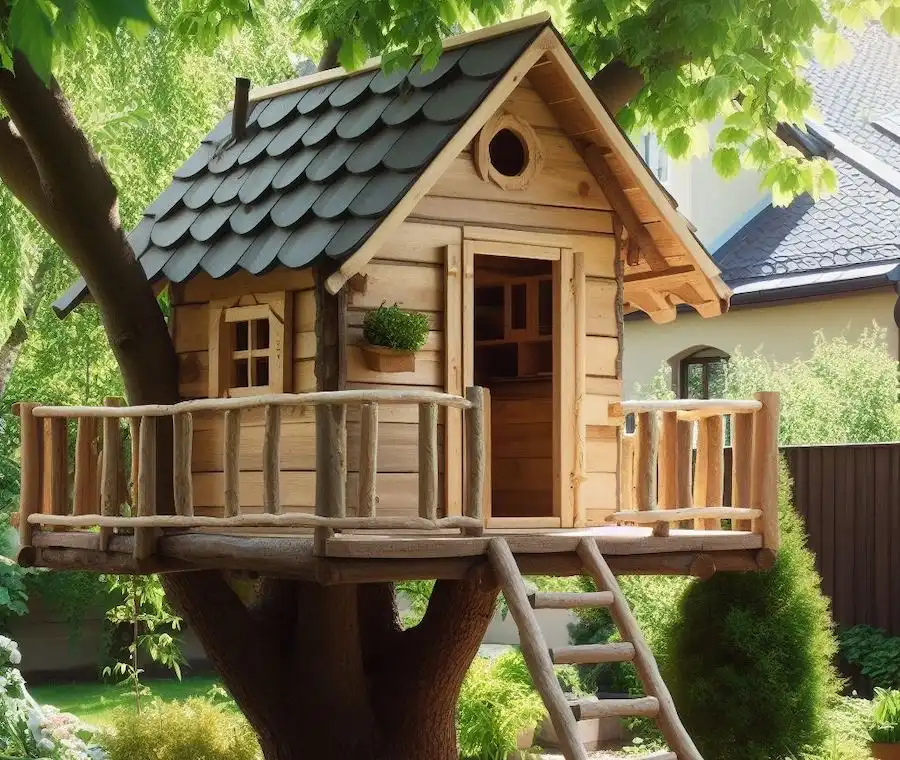
For children’s treehouses, a height of no more than 10 feet above the ground is generally recommended. If building higher, carefully consider wind exposure, access points, and additional safety features.
Use Reliable Designs
Professional treehouse plans can improve stability, simplify construction, and reduce the risk of harming the tree. Investing in expert guidance often leads to a safer and more durable result.
Maintain the Tree After Construction
A treehouse requires ongoing monitoring. Regularly inspect the tree for signs of stress, disease, or structural changes. Continue caring for the surrounding environment to support healthy growth and ensure the treehouse remains secure.
Conclusion
A successful treehouse combines thoughtful design, structural safety, and respect for the living tree that supports it. By choosing the right tree, using proper construction techniques, and maintaining the tree’s health over time, you can create a unique retreat that remains both safe and environmentally responsible for many years.
