
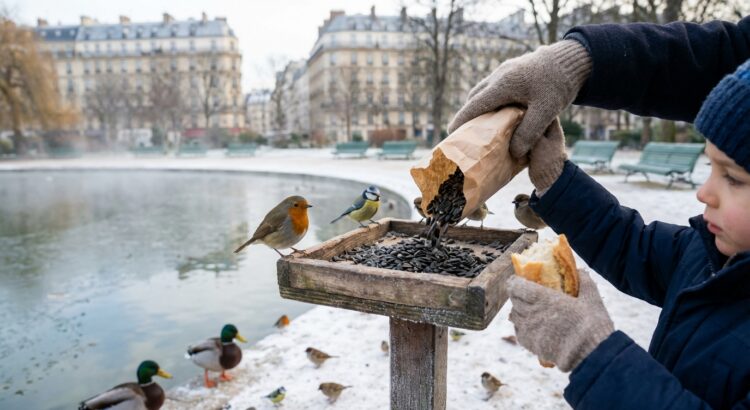
Every winter, kilograms of bread crumbs end up in ponds, parks, and on balconies, eagerly eaten by pigeons, ducks, and songbirds. What is meant as a kind gesture can have serious consequences. Nature conservation organizations warn that this widespread habit does more harm to birds than good.
A Well-Intentioned Gesture with Serious Consequences
In January, many people crumble leftover bread on windowsills or by lakesides. The ritual is often passed down to children: bread seems like an easy way to help, especially during frost when natural food appears scarce. Yet this is precisely where the problem lies.
Although birds rush to eat bread, it is poorly suited to their bodies. Experts describe a case of false satiety: bread swells in the crop and stomach, filling the belly but providing very few usable nutrients. Birds stop searching for high-energy food and lose valuable strength reserves.
Why Bread Can Make Birds Sick
Bread contains very little in the way of vitamins, proteins, and fats—exactly what birds urgently need in winter. Instead, they consume empty calories. Industrially produced bread is especially problematic because it contains salt and additives.
Salt puts stress on the kidneys and disrupts water balance, while yeast and gluten can irritate the digestive system. In young birds, nutrient deficiencies may lead to brittle bones and deformities, such as angel wing syndrome, which permanently affects their ability to fly.

Leftover bread also pollutes water, promotes bacterial growth, and increases the risk of diseases like botulism in urban parks.
Winter: A Major Energy Challenge for Birds
For small songbirds, winter is a constant battle against energy loss. A blue tit or robin can lose up to ten percent of its body weight in a single freezing night just to maintain body heat. In the morning, every minute counts to consume energy-rich food.
If a bird filled up on bread the day before, it lacks exactly this vital energy. The stomach may be full, but the reserves are insufficient to survive the cold and long nights.
What to Feed Birds Instead of Bread
Anyone who truly wants to help birds should offer species-appropriate food. Black sunflower seeds are especially recommended. They are rich in oil, easy to crack, and provide quickly available energy.
Suitable alternatives include:
Sunflower seeds and seed-rich mixes
Plant-based fat balls or fat blocks without salt
Unsalted peanuts, other nuts, and small pieces of fresh or dried fruit
How to Feed Birds Properly
An elevated feeding station helps protect birds from cats and other dangers. Small, regular portions are better than large quantities at once, especially during frost. As temperatures rise, feeding should be gradually reduced to avoid dependency.
Hygiene is just as important: clean feeders regularly, remove moldy leftovers, and provide a bowl of fresh, unfrozen water. Old bread is far better reused in the kitchen than ending up in the stomach of a robin.
