
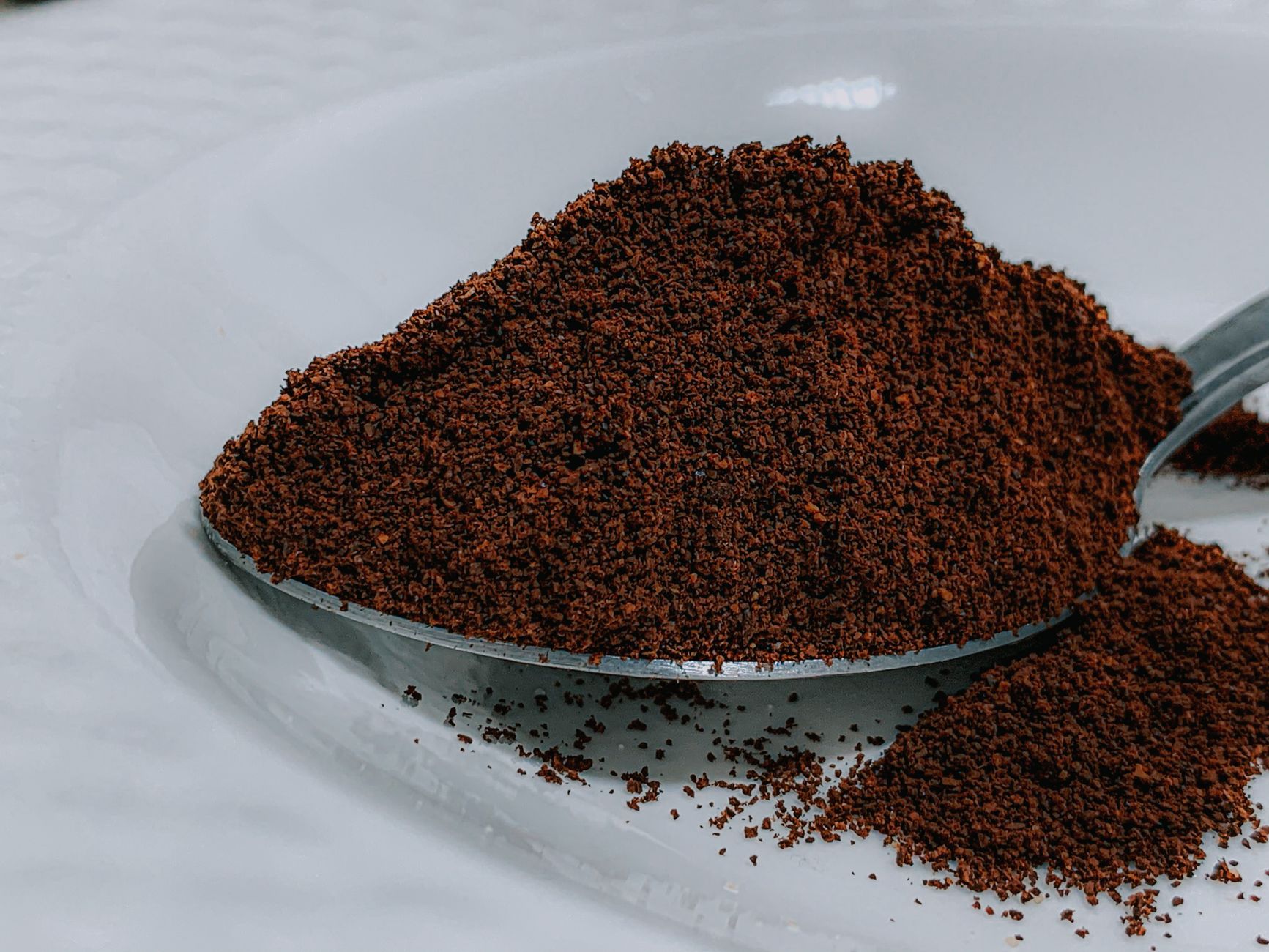
A Simple Kitchen Scrap with Garden Potential
Coffee grounds are one of those everyday leftovers that feel too useful to throw away. If you drink coffee at home, you may already have a steady supply waiting in the filter each morning.
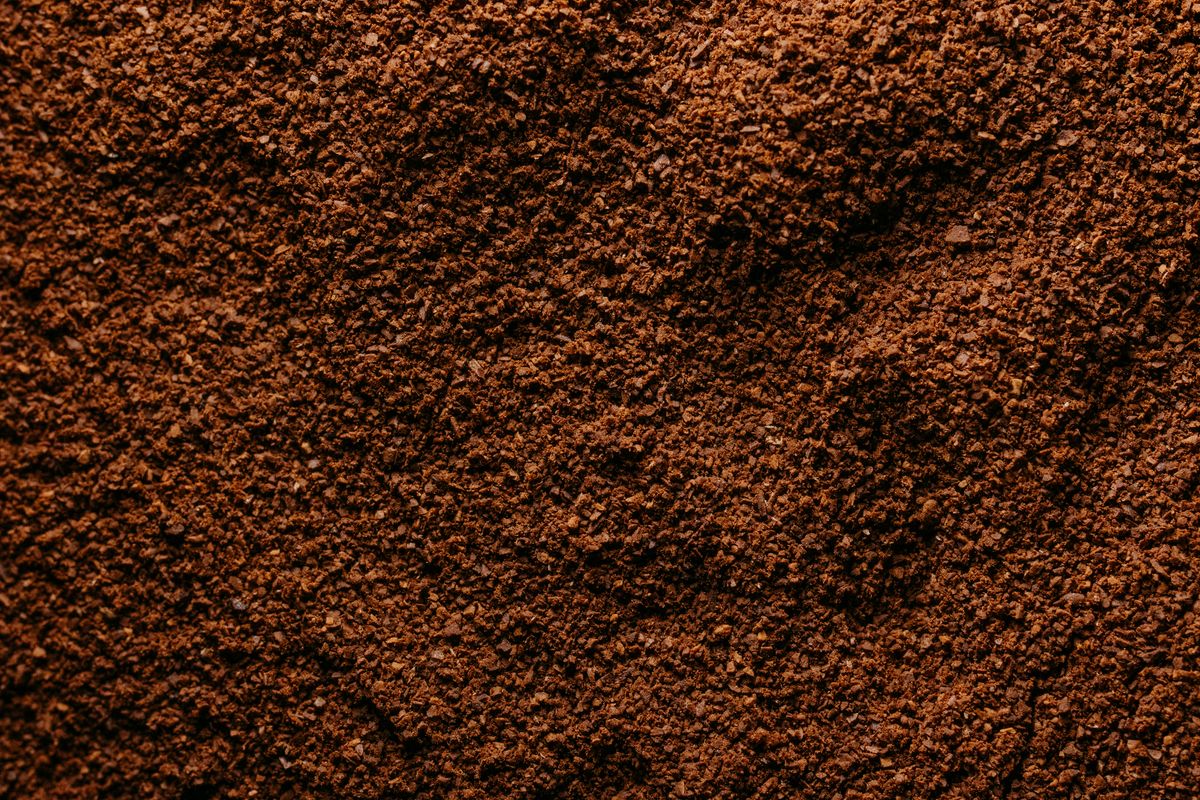
In the garden, used coffee grounds can support compost, improve soil texture in small amounts, and help reduce kitchen waste. They are not a miracle fertilizer, but when used wisely, they can become a helpful part of a healthy gardening routine.
The key is balance. Too much coffee in one place can cause problems, especially for seeds, young plants, or soil that already holds moisture. Think of coffee grounds as a gentle bonus, not the main meal for your plants.
Why Coffee Grounds Can Help the Garden
Used coffee grounds contain small amounts of nutrients, including nitrogen, which is useful in compost piles. They also add organic matter, which can help soil structure over time as it breaks down.
Many people believe coffee grounds make soil strongly acidic, but used grounds are usually closer to neutral than fresh coffee. This means they should not be relied on to quickly acidify soil for plants like blueberries or azaleas.
Coffee grounds can also improve the mix of materials in compost. They count as a “green” ingredient because of their nitrogen content, so they work best when mixed with “brown” materials like dry leaves, shredded paper, straw, or small twigs.
How to Use Coffee Grounds Step by Step
Start by collecting used grounds and letting them cool completely. If they are very wet, spread them on a tray for a few hours so they are easier to sprinkle and less likely to clump.
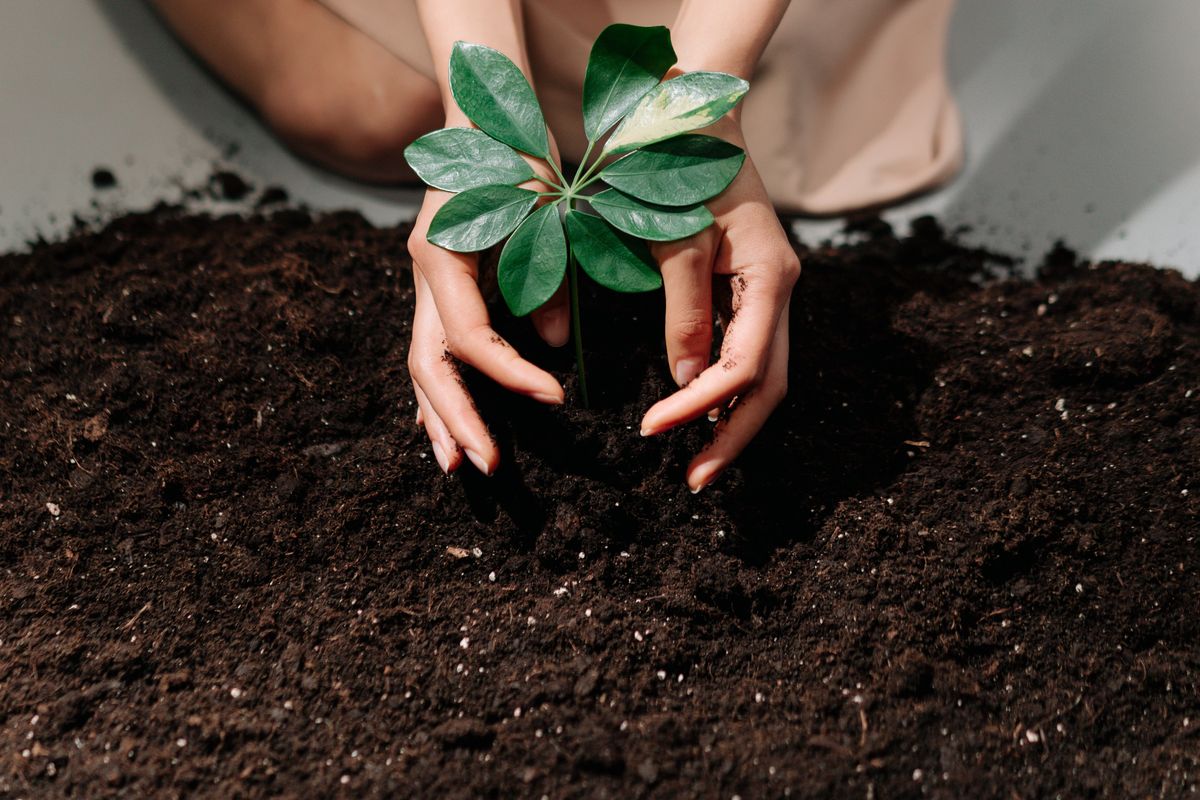
For compost, add a thin layer of coffee grounds, then cover it with dry leaves or shredded cardboard. Turn the pile now and then to keep air moving through it. This helps the grounds break down instead of forming a dense, soggy layer.
For garden beds, sprinkle a small amount over the soil surface and gently scratch it in with a hand rake. A light dusting is enough. Avoid burying thick piles around plant stems, because packed grounds can repel water and limit airflow.
Benefits and Common Mistakes to Avoid
One of the biggest benefits of coffee grounds is that they are easy and free for many households. They can help build compost, support soil life, and make use of something that would otherwise go into the trash.
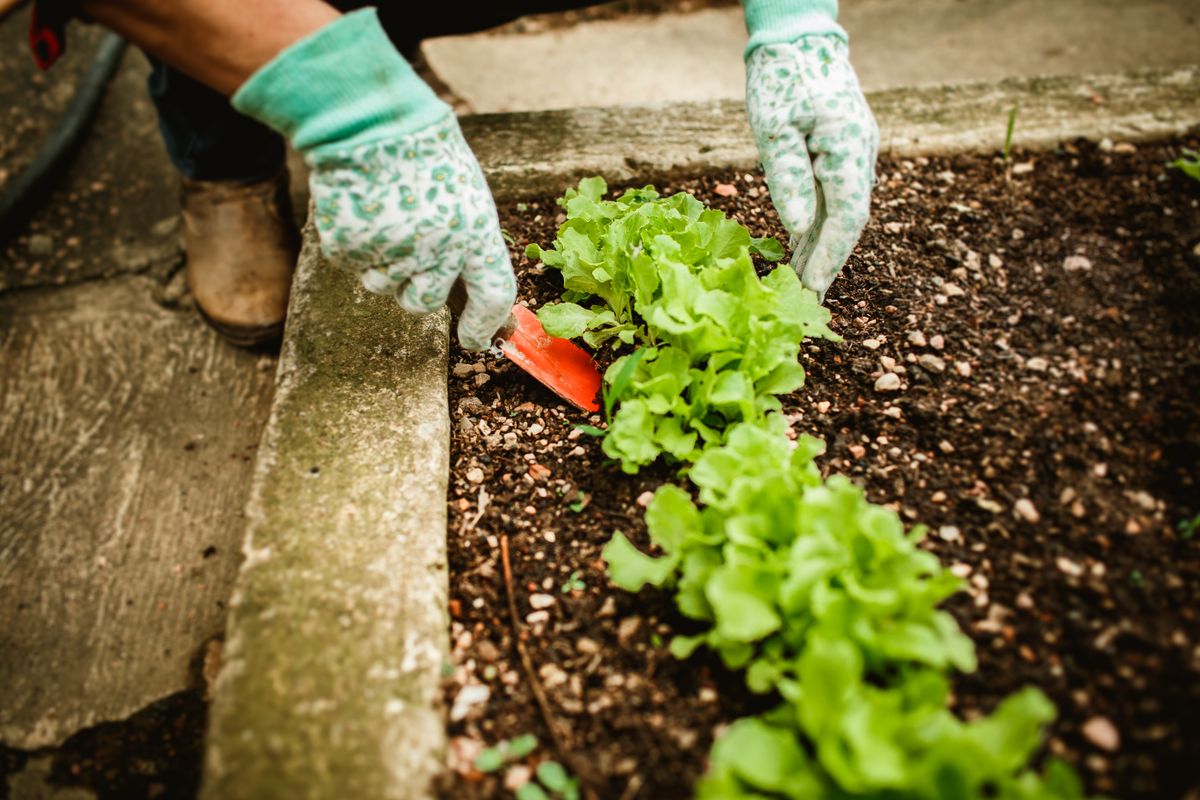
A common mistake is using coffee grounds as a thick mulch. When they dry, they can form a crust that keeps water from soaking into the soil. If you want to use them around plants, mix them with compost, leaves, or bark instead of applying them alone.
Another mistake is adding them directly to every plant without watching the results. Some plants may not respond well, and caffeine residues may affect seed germination in certain cases. Use small amounts, observe your garden, and stop if plants seem stressed.
Practical Tips for Better Results
Use coffee grounds most often in compost, where they are easiest to manage. If you get extra grounds from a café, add them gradually and balance them with plenty of dry brown materials.
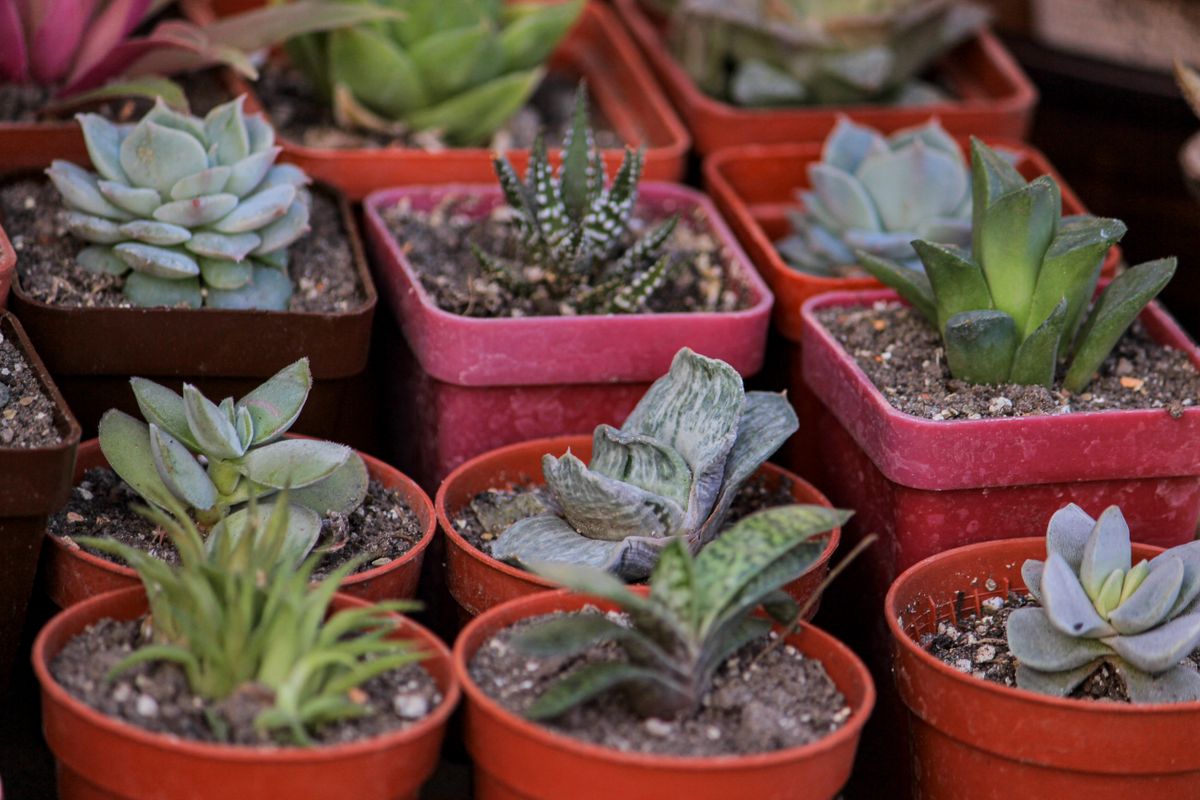
Keep grounds away from tiny seedlings and freshly sown seeds unless they have been composted first. Young plants are more sensitive, and it is better to give them a mild, well-balanced growing mix.
For container plants, be especially careful. Pots have limited space and drainage, so even a small mistake can build up quickly. If you want to try coffee grounds in pots, mix a very small amount into compost first rather than placing it directly on top.
Frequently Asked Questions
Can I put coffee grounds directly on my garden soil?
Yes, but only in a thin layer and mixed lightly into the soil. Avoid thick piles because they can clump, dry into a crust, and block water.
Are coffee grounds good for all plants?
Not always. Many plants can tolerate small amounts, especially after composting, but some seedlings and sensitive plants may not respond well.
Do coffee grounds make soil acidic?
Used coffee grounds are usually not strongly acidic. They should not be used as the main way to change soil pH.
How often should I add coffee grounds to compost?
You can add them regularly in small amounts. Always balance them with dry brown materials such as leaves, straw, or shredded cardboard.
Can coffee grounds keep pests away?
Some gardeners use them around plants, but results are mixed. Do not rely on coffee grounds as a guaranteed pest control method.
