
Growing Sweet Potatoes in Pots Is Easier Than You Think
Sweet potatoes are a great crop for containers because they grow long vines above the soil and tasty tubers below it. You do not need a large garden bed to try them, just a sunny spot, a deep container, and a little patience.
They do best in warm weather and need a long growing season, so timing matters. If your summer is short, choose a fast-maturing variety and start as soon as nights stay consistently warm.
Why Containers Work for Sweet Potatoes
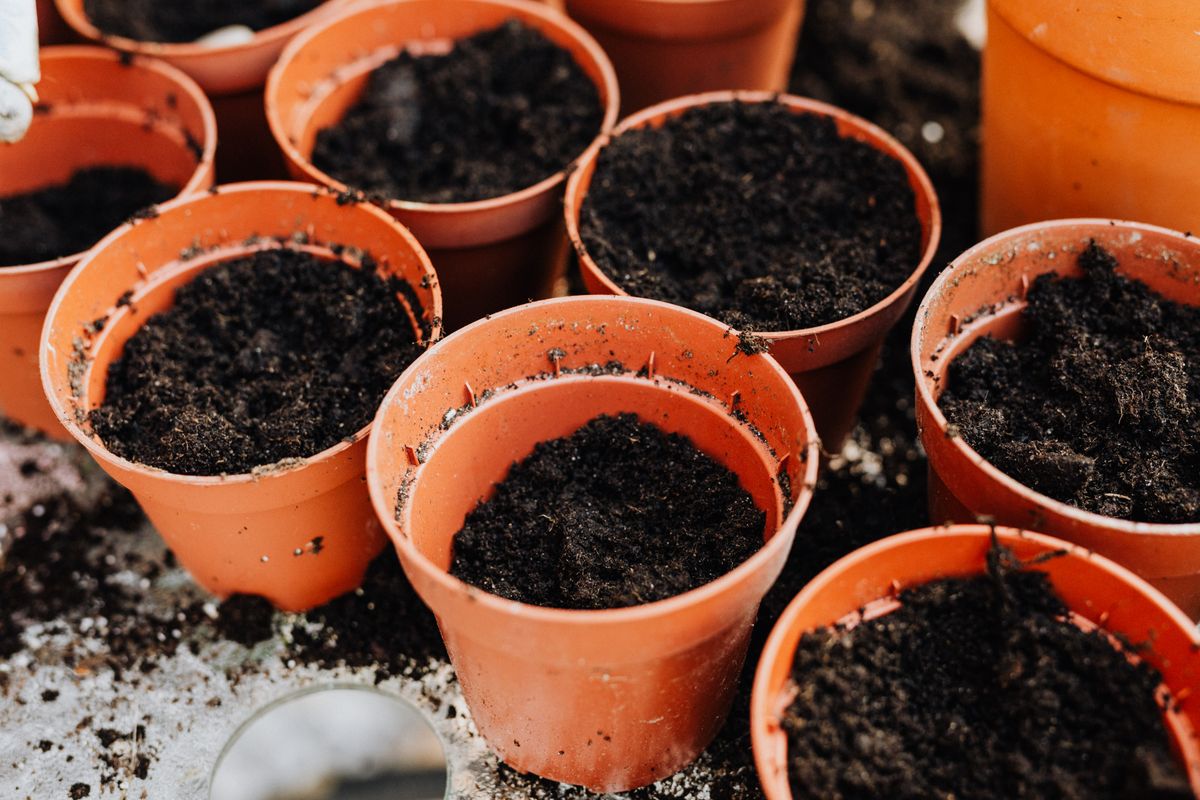
Containers make it easier to control soil quality, drainage, and spacing. Sweet potatoes like loose soil because the roots need room to swell, and a pot filled with light potting mix can be better than hard garden soil.
A container also helps keep the crop manageable on patios, balconies, and small yards. The main limitation is size: a small pot can restrict growth, so choose the largest container you can comfortably move or place.
8 Easy Steps to Plant Sweet Potatoes in Containers
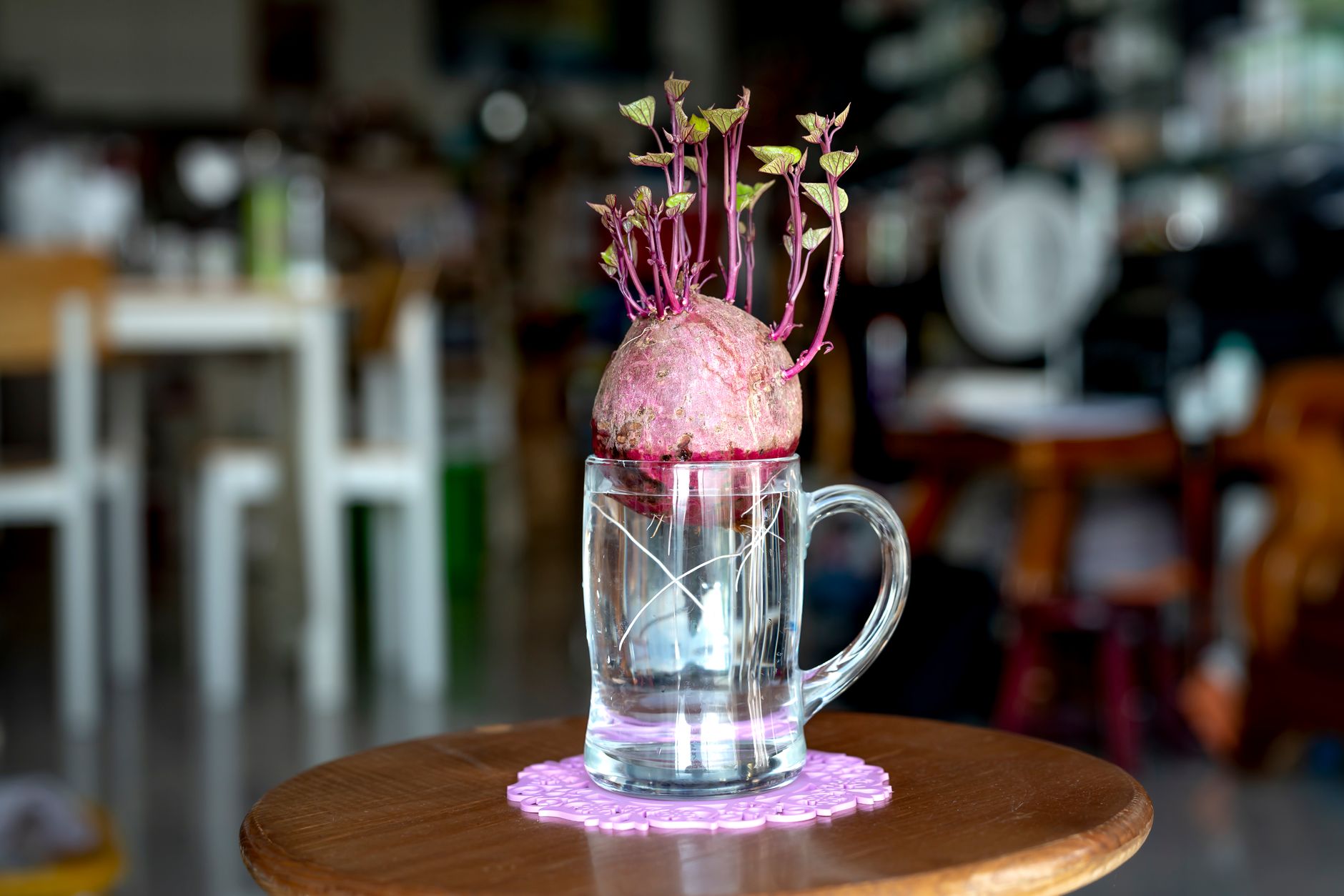
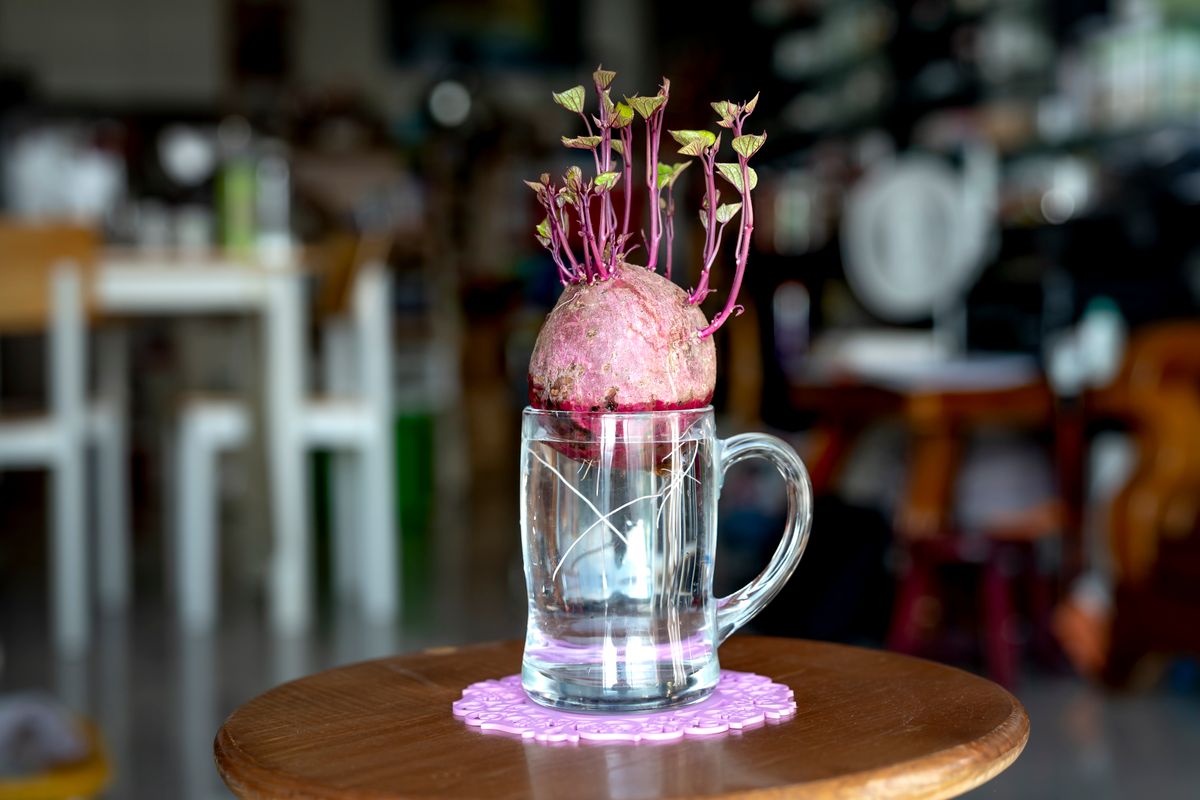
Step 1: Choose a container that is at least 15 to 20 gallons with drainage holes. Step 2: Fill it with loose, well-draining potting mix, not heavy garden soil. Step 3: Use sweet potato slips, which are rooted shoots grown from mature sweet potatoes.
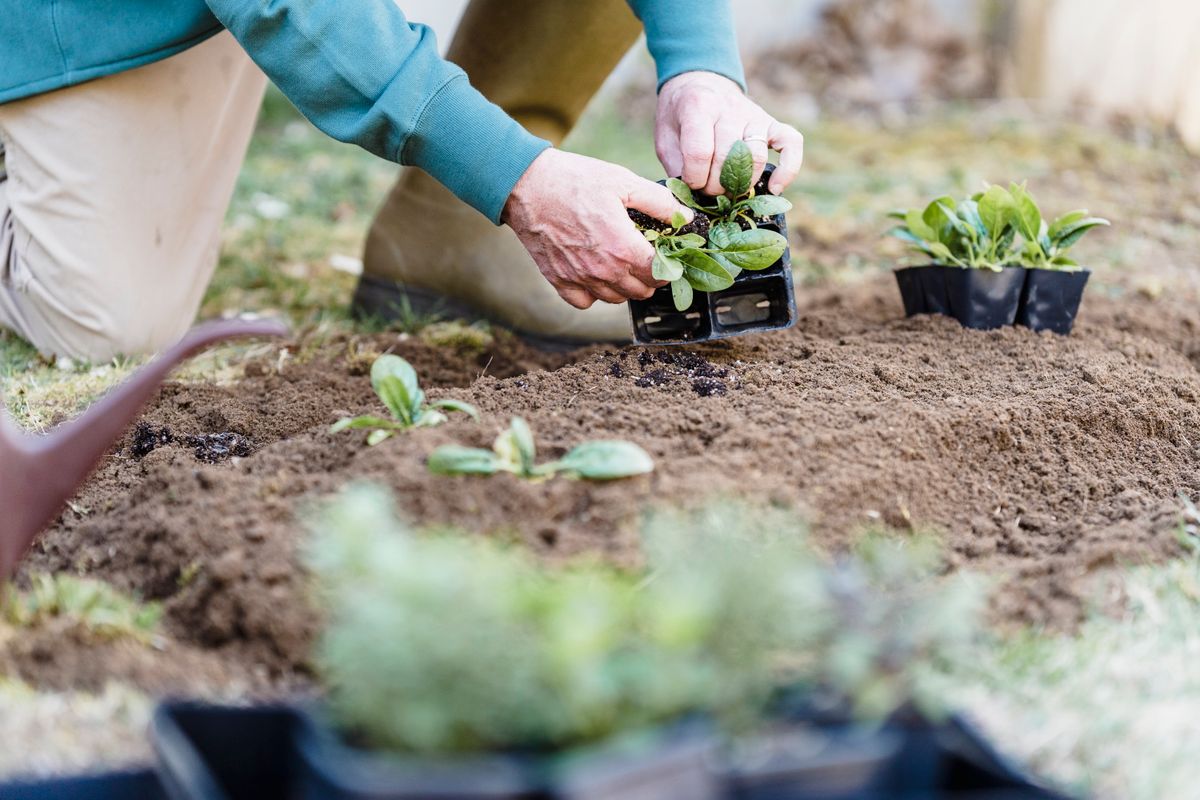
Step 4: Plant each slip deep enough to cover the roots and lower stem, leaving the leaves above the soil. Step 5: Space slips about 12 inches apart if your container is wide enough. Step 6: Place the pot where it gets 6 to 8 hours of sun each day.
Step 7: Water well after planting, then keep the soil evenly moist but not soggy. Step 8: Feed lightly with a balanced or low-nitrogen fertilizer if growth seems weak, because too much nitrogen may encourage lots of leaves instead of tubers.
Benefits and Common Mistakes to Avoid
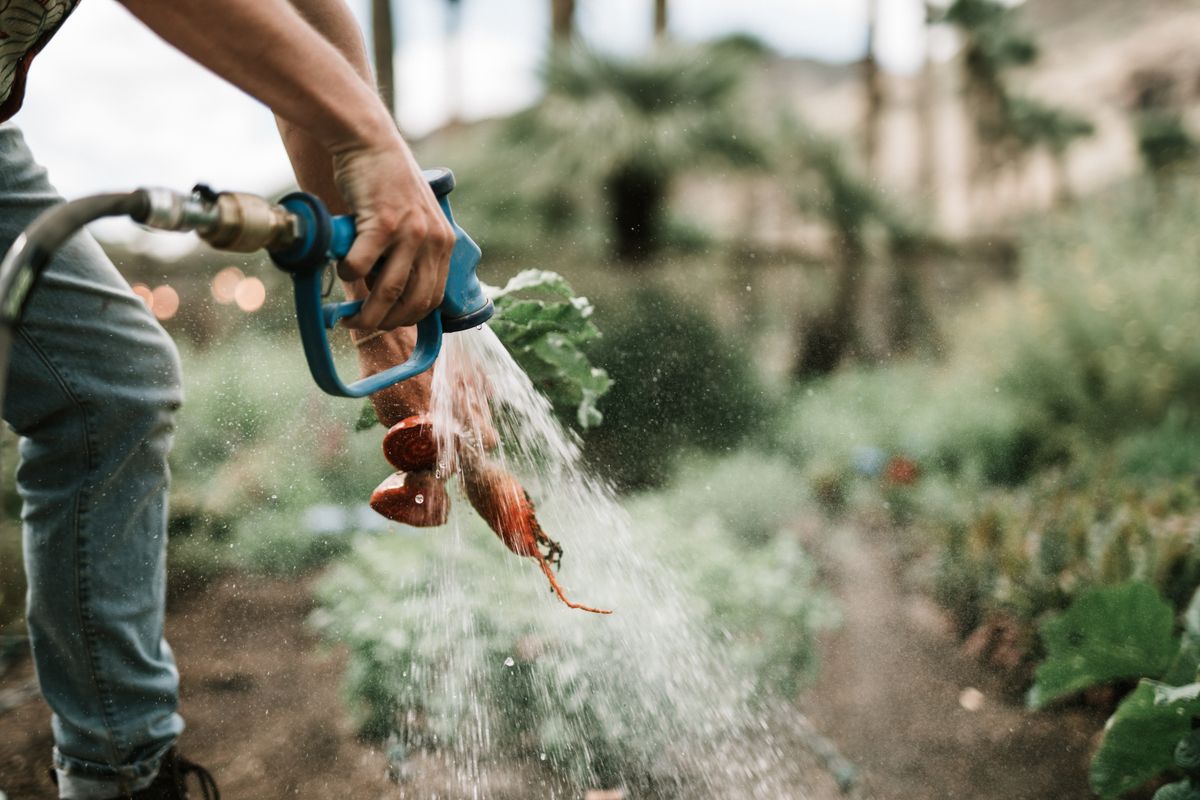
One big benefit of container growing is harvest control. When the leaves begin to yellow near the end of the season, you can tip the container gently or dig carefully to find the tubers without disturbing a whole garden bed.
Common mistakes include using a shallow pot, letting the soil dry out completely, or planting too early in cold weather. Sweet potatoes are heat-loving plants, and cool soil can slow growth or damage young slips.
Another mistake is expecting every plant to produce huge tubers. Results depend on variety, sunlight, temperature, container size, and growing time, so think of your first season as a useful learning year.
Final Tips for Harvesting and Better Results
Sweet potatoes are usually ready when the vines start to fade or before the first frost. Harvest on a dry day if possible, and handle the tubers gently because fresh skins can bruise easily.
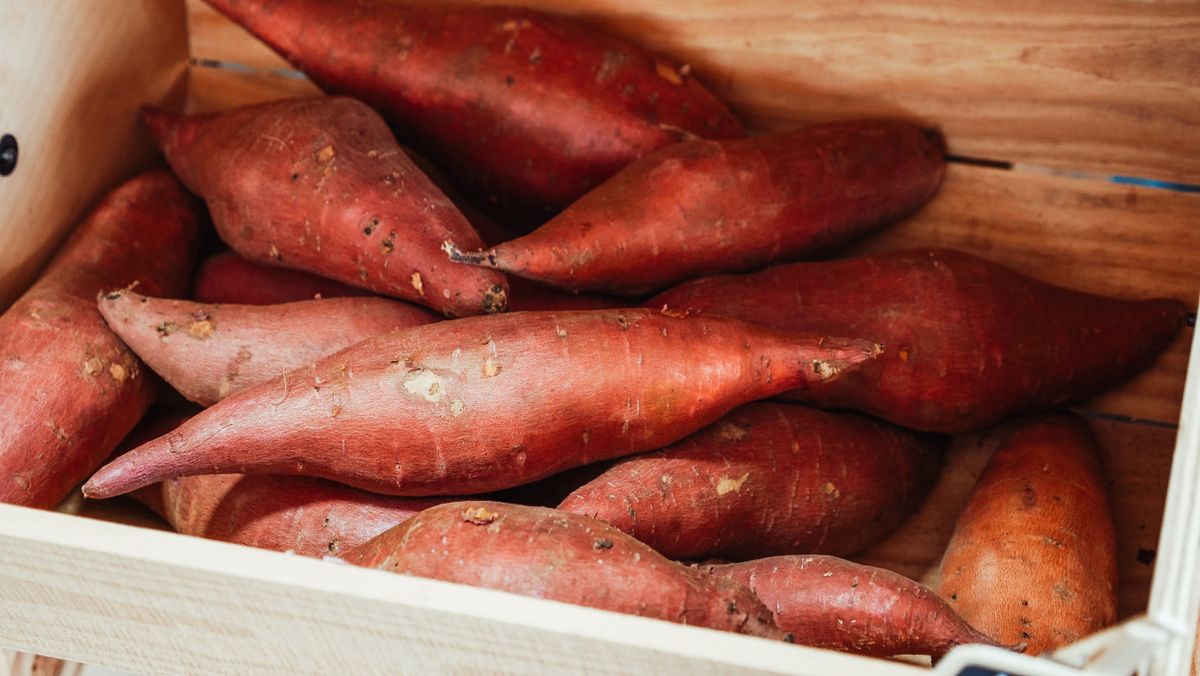
After harvesting, many gardeners cure sweet potatoes in a warm, humid place for several days to improve storage quality and flavor. If you cannot provide ideal curing conditions, they can still be used, but they may not store as long.
For the best chance of success, start with healthy slips, use a roomy container, and keep watering steady through hot weather. With these simple habits, growing sweet potatoes in containers can be a fun and rewarding small-space garden project.
Frequently Asked Questions
How big should a container be for sweet potatoes?
Use a container that holds at least 15 to 20 gallons and has drainage holes. Bigger containers usually give roots more space to develop.
Can I grow sweet potatoes from a store-bought sweet potato?
Sometimes, but it is more reliable to buy healthy sweet potato slips from a garden center or trusted grower.
How much sun do container sweet potatoes need?
They grow best with 6 to 8 hours of direct sun each day. Less sun may reduce growth and tuber size.
How often should I water sweet potatoes in pots?
Water when the top inch of soil feels dry. Keep the soil evenly moist, but avoid letting the pot sit in standing water.
When are sweet potatoes ready to harvest?
They are often ready in late season when vines begin to yellow, or just before frost. Timing varies by variety and climate.
