
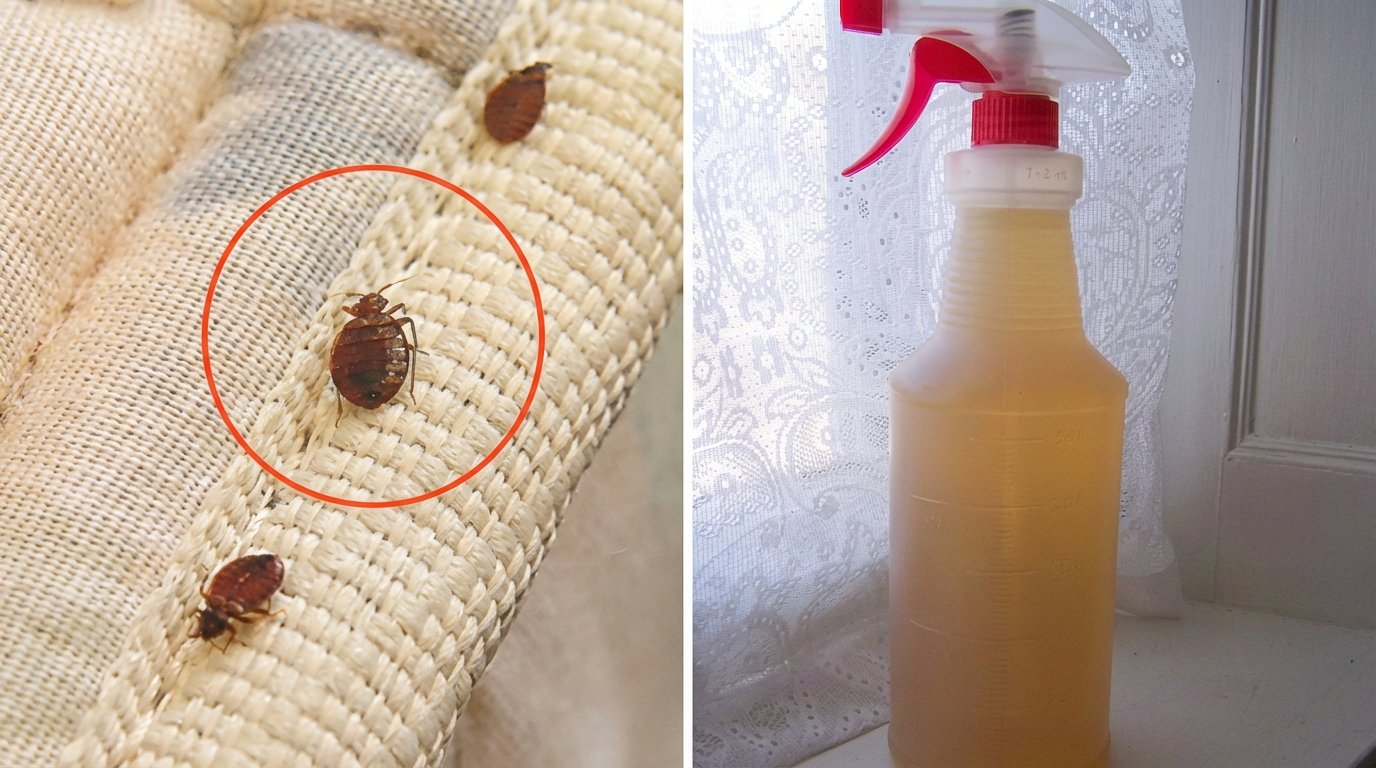
Bedbugs are persistent pests that can spread unnoticed throughout your living space—especially in the bedroom. During the day, they hide in cracks, mattress seams, bed frames, and baseboards. At night, they emerge to feed on human blood. An infestation can quickly become stressful and difficult to control if not addressed properly.
Fortunately, several time-tested home remedies may help deter bedbugs, limit their spread, or reduce discomfort caused by bites. While these natural methods can support your efforts, they work best in the early stages of an infestation.
Which Home Remedies Can Help Against Bedbugs?
Diatomaceous Earth
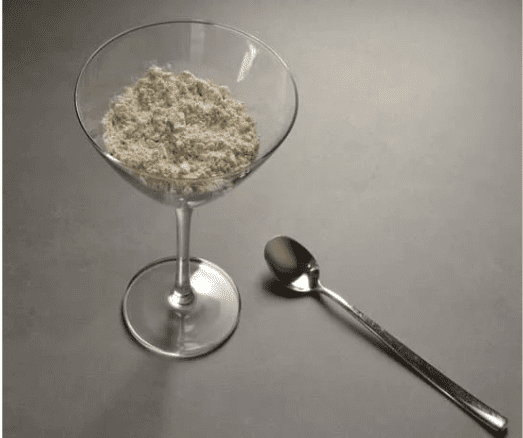
Diatomaceous earth is a fine natural powder made from fossilized algae. It acts as a natural insecticide by damaging the outer layer of bedbugs, causing them to dehydrate and die.
Apply the powder carefully along baseboards, in floor cracks, behind furniture, and around bed frames—anywhere bedbugs may hide. For best results, leave it undisturbed for several days.

Essential Oils

Essential oils are often used as natural repellents. Lavender, tea tree, lemongrass, and clove oil are particularly popular due to their strong scents, which bedbugs tend to avoid.
Mix about ten drops of essential oil with 50 ml of water and spray lightly on affected areas such as the mattress surface, bed frame, and nearby baseboards. Reapply regularly to maintain effectiveness.
Baking Soda and Vinegar
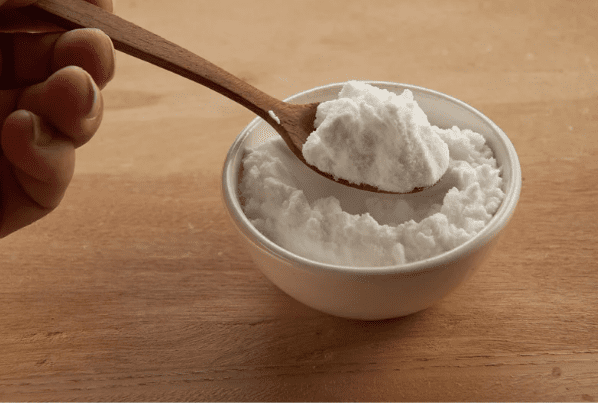
Baking soda is sometimes used as a supportive preventative measure. Combine a few tablespoons with water and a small amount of white vinegar to create a sprayable mixture.
Apply it to mattress seams, slats, and surrounding areas. White vinegar alone may also act as a deterrent due to its strong odor, though repeated applications are necessary.
Isopropyl Alcohol
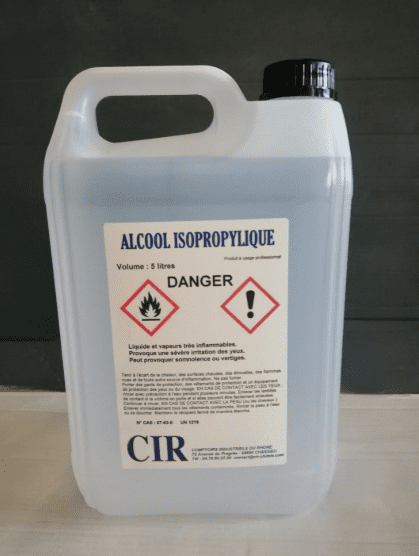
Isopropyl alcohol has a strong smell and can kill bedbugs on contact when sprayed directly onto visible insects or infested surfaces.
Ensure proper ventilation after use, as the fumes can be intense. Use cautiously and avoid open flames, as alcohol is highly flammable.
Cloves

Cloves release a powerful aroma that may repel bedbugs. Place whole cloves near the bed, on nightstands, or in areas where pests are suspected.
Clove oil can also be diluted and used as a spray. Refresh the scent frequently to maintain its repellent effect.
Vaseline as a Physical Barrier
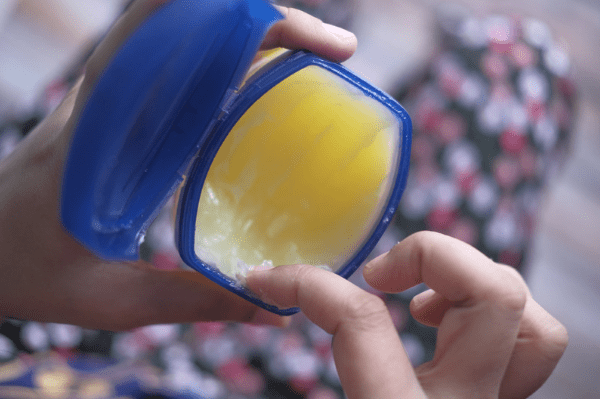
Vaseline can function as a physical barrier when applied to bed legs. Its sticky texture makes it difficult for bedbugs to climb onto the bed.
While not a complete solution, it may help reduce access to the mattress and limit bites during the night.
Pyrethrum from Chrysanthemums

Pyrethrum, derived from dried chrysanthemum flowers, is a natural insecticide known to paralyze and kill bedbugs.
Apply the powder carefully in affected areas, wearing gloves during handling. Follow product instructions to ensure safe and effective use.
Important Note on Treatment
These home remedies can help deter bedbugs or manage minor infestations. However, they are usually not sufficient to eliminate a severe or well-established infestation.
If the problem persists or worsens, contacting a professional pest control service is strongly recommended. Professional treatments provide the most reliable and long-lasting solution for completely removing bedbugs from your home.
