
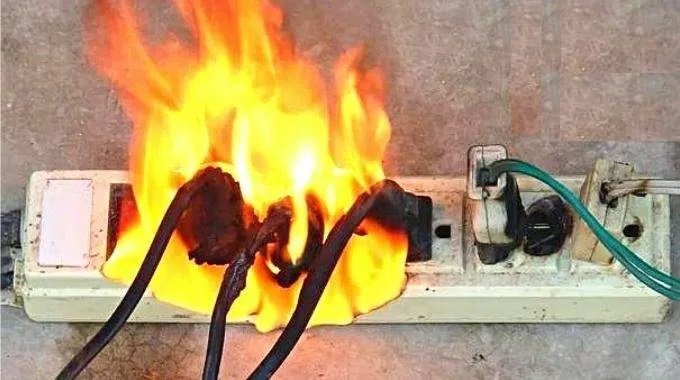
9 Appliances You Should Never Plug Into a Power Strip
Plugging multiple devices into a power strip is convenient, practical, and cost-effective. However, this common habit can pose serious safety risks if not handled properly. Overheating, short circuits, power outages, and even house fires are real possibilities.
Before connecting several devices at once, it’s essential to understand your electrical limits and identify which appliances should always be plugged directly into a wall outlet.
Always Check the Maximum Power Rating
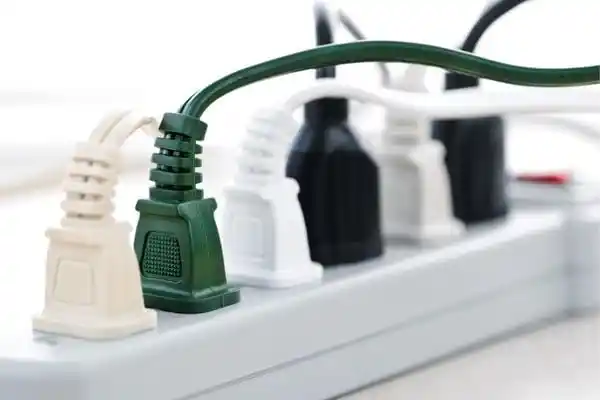
Every power strip has a maximum wattage capacity, usually printed on the cable or on the back of the unit. This number, expressed in watts (W), represents the total load it can safely handle.
To prevent danger, add up the wattage of all devices you plan to use at the same time. You can find this information on the label of each electrical appliance.

For example, if your power strip supports 3,500 W and you plug in:
An oven rated at 2,500 W
A vacuum cleaner rated at 800 W
A kettle rated at 250 W
The total load reaches 3,550 W — exceeding the limit. In this case, you must unplug one appliance to avoid overheating or damage.
9 Devices You Should Avoid Plugging Into a Power Strip
1. The Oven
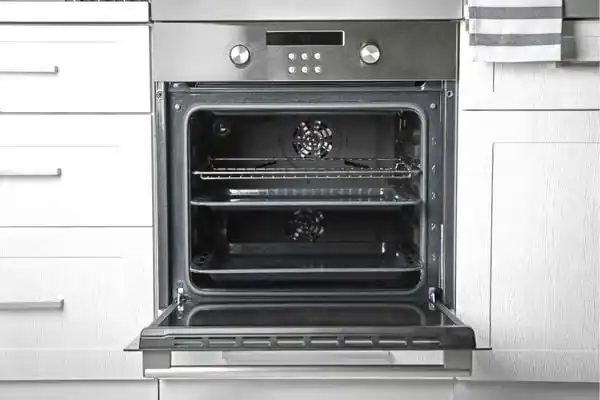
Ovens are among the most power-hungry household appliances. Even if used occasionally, they should always be connected to a dedicated wall outlet.
2. Refrigerator and Freezer
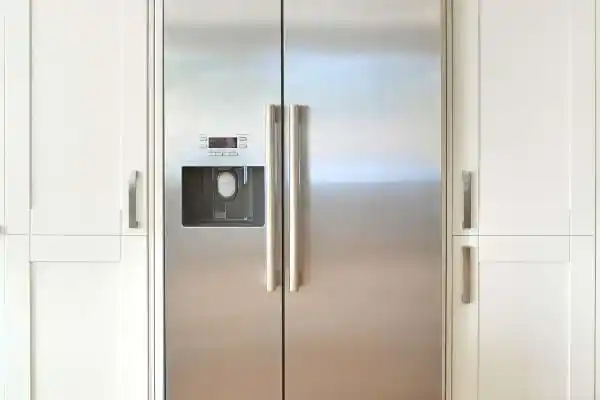
A refrigerator runs 24 hours a day. While it may not draw massive power at once, its continuous operation can overheat a power strip over time. The same applies to freezers.
3. Washing Machine and Dryer
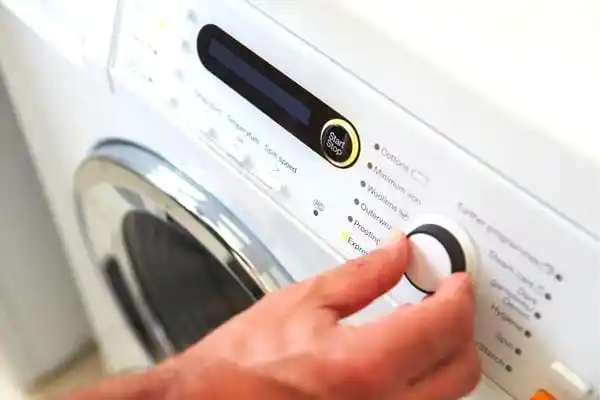
These appliances require significant energy, especially during heating cycles. Plugging them into a power strip increases the risk of short circuits and equipment damage.
4. Space Heater
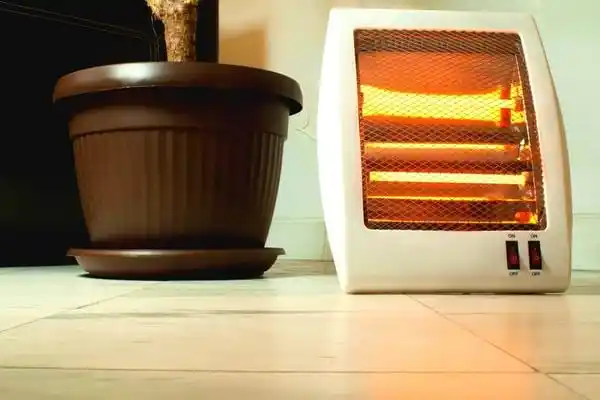
Portable heaters consume a large amount of power continuously. A power strip can quickly overheat under such a heavy load.
5. Microwave
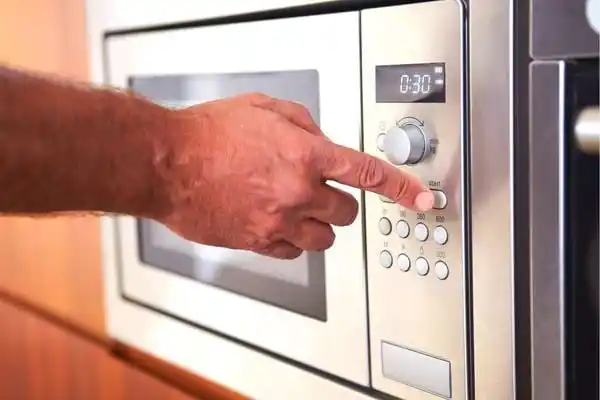
Although compact, microwaves draw high power when operating. It is safest to plug them directly into a wall outlet.
6. Coffee Maker
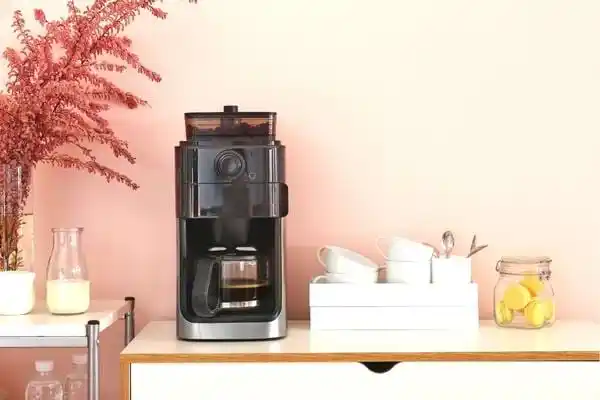
Coffee machines heat water rapidly, which requires substantial energy over a short period. For safety, connect them directly to a wall socket.
7. Toaster
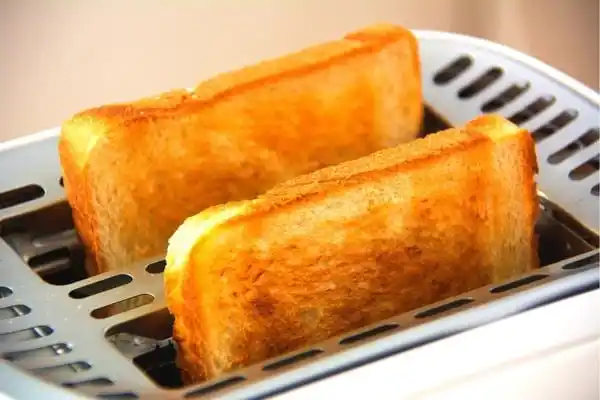
Despite its small size, a toaster can use between 500 and 1,000 W while operating. That’s a significant load for a power strip that may already be near capacity.
8. Another Power Strip
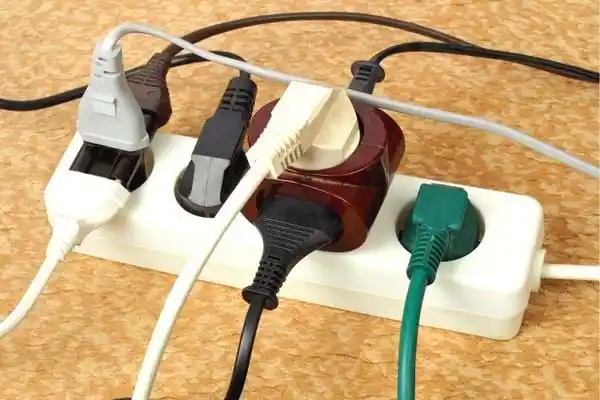
Plugging one power strip into another is extremely dangerous. This “daisy chaining” greatly increases the risk of electrical overload and is a common cause of household fires.
9. Internet Router, Computer, and Television
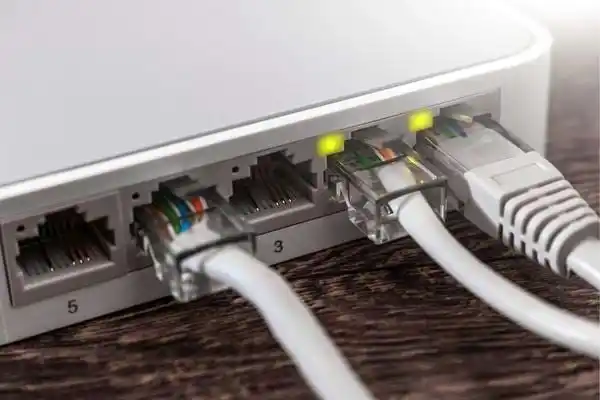
While these devices do not consume excessive power, they are highly sensitive to power surges. If you use a power strip for them, make sure it includes surge protection.
Conclusion
Power strips are useful, but they must be used carefully. Respecting the maximum wattage and avoiding high-consumption appliances significantly reduces electrical risks.
When it comes to electricity, prevention is always better than dealing with the consequences of an overload.
