
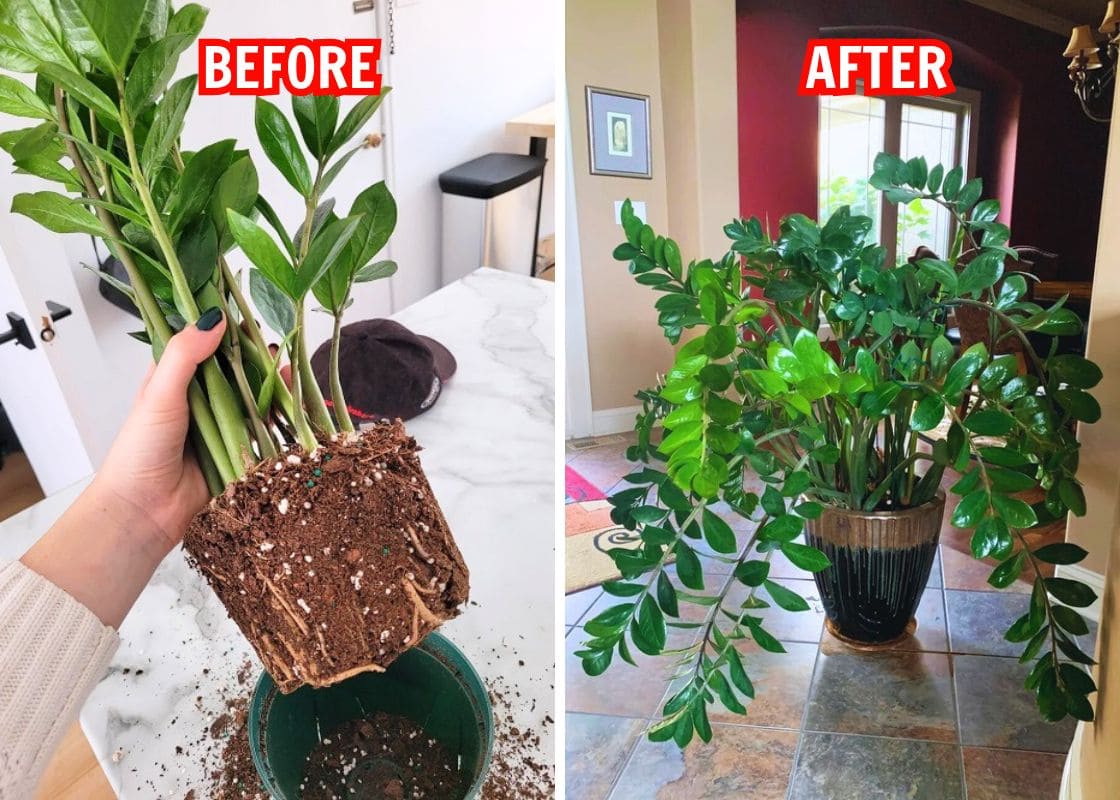
The ZZ plant (Zamioculcas zamiifolia) has earned its reputation as one of the toughest houseplants around. It tolerates low light, forgives missed waterings, and survives conditions that would stress most indoor plants.
However, while it’s easy to keep a ZZ plant alive, encouraging it to multiply and fill out into a lush, full specimen takes a bit more intention. Understanding how this plant grows is the first step to helping it thrive.
ZZ plants grow from thick underground rhizomes that store water and nutrients. Every new stem you see pushing through the soil begins as growth from these rhizomes. Support the rhizomes properly, and you’ll see more shoots emerging over time.
1. Keep Your ZZ Slightly Root-Bound
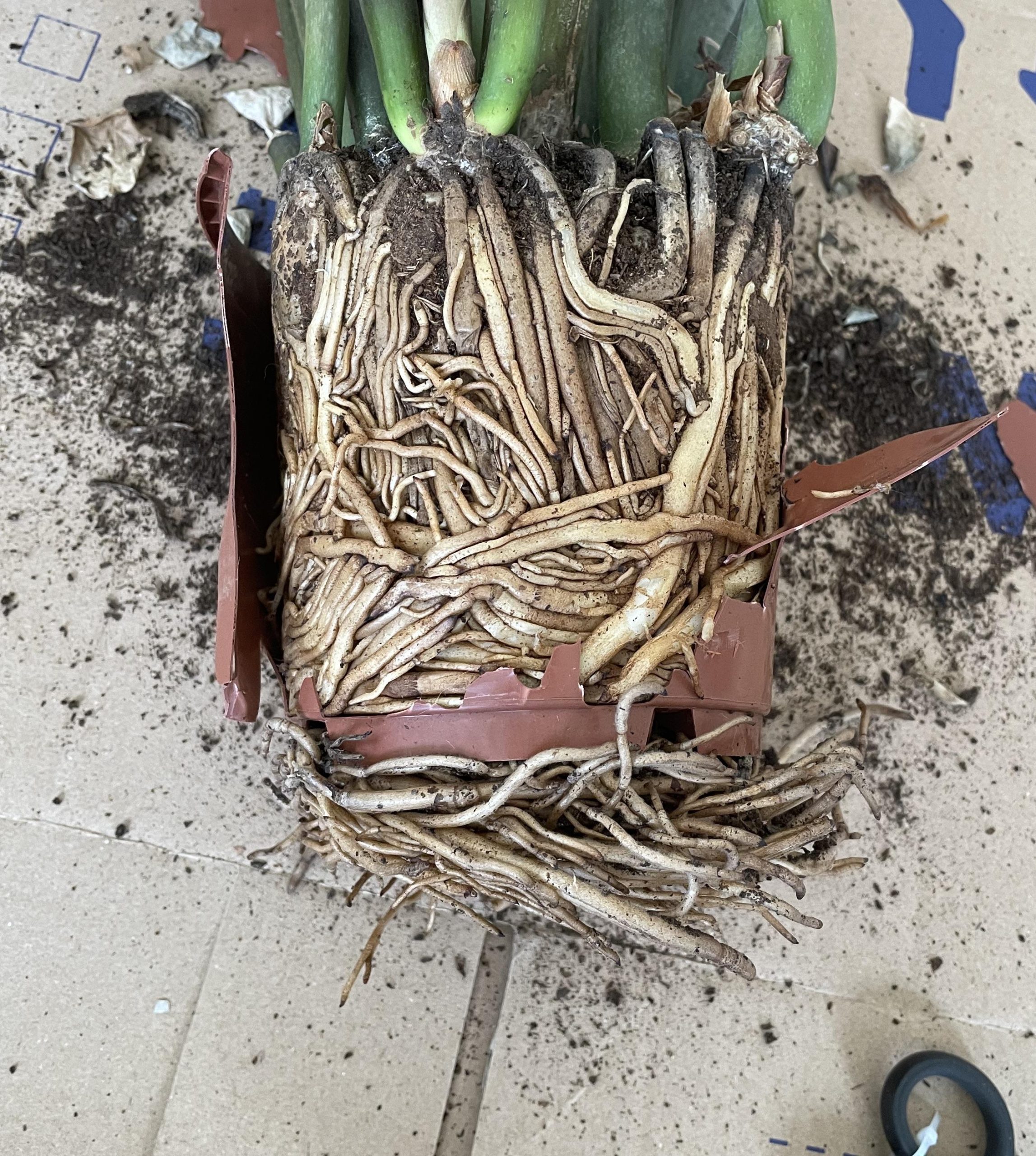
Unlike many fast-growing tropical plants, ZZ plants actually prefer being a little snug in their containers. A slightly root-bound plant encourages rhizomes to cluster together and push out new shoots instead of spreading into excess soil.

Choose a pot that is only one size larger than the rhizome mass. Too much extra space will cause the plant to focus on root expansion rather than producing new stems.
2. Provide Bright, Indirect Light
ZZ plants can survive in low light, but survival is not the same as thriving. If you want your plant to multiply, bright, indirect light is essential.
Place it near an east- or south-facing window filtered with sheer curtains. In brighter conditions, the rhizomes receive more energy, which directly supports stronger and more frequent shoot production.
3. Master the Watering Balance
Because ZZ plants store water in their rhizomes, they do not need frequent watering. Still, consistent neglect can slow down growth.
Use the soak-and-dry method: water thoroughly until excess drains out, then allow the soil to dry completely before watering again. This pattern keeps rhizomes plump and active.
Overwatering can cause rot, while prolonged underwatering pushes the plant into survival mode, reducing new growth.
4. Feed During the Growing Season
Spring and summer are the ZZ plant’s active growing months. This is the ideal time to provide additional nutrients to encourage multiplication.
Use a balanced, diluted liquid fertilizer such as 10-10-10 once per month. Avoid overfeeding, as too much fertilizer can damage roots and rhizomes. In fall and winter, pause feeding while the plant naturally slows down.
5. Use a Well-Draining Soil Mix
Healthy rhizomes are the foundation of new growth, and they require soil that drains well. ZZ plants dislike soggy conditions.
Mix standard potting soil with materials like perlite, coarse sand, or orchid bark to improve drainage. A light, airy mix allows roots to breathe while retaining just enough moisture to stay hydrated.
6. Don’t Remove Aging Stems Too Quickly
Older ZZ stems may lose their shine or begin to yellow. While it may be tempting to prune immediately, these stems often continue transferring energy back to the rhizomes.
Allow stems to dry out fully before removing them. This ensures the plant has reclaimed valuable stored nutrients that can fuel new shoot development.
7. Be Patient and Consistent
ZZ plants are naturally slow growers. Even under ideal conditions, you may only see a handful of new shoots each year.
Consistency is key. Steady light, proper watering, and seasonal feeding build momentum over time. Eventually, you’ll notice small green spikes emerging from the soil—clear signs your plant is multiplying and becoming fuller.
Bonus Tip: Gentle Stress Can Encourage Growth
In nature, ZZ plants experience cycles of drought followed by rainfall. Some growers replicate this pattern by allowing the plant to dry slightly longer than usual before resuming deep watering.
This mild, controlled stress can stimulate rhizomes to “wake up” and send out fresh shoots. When done carefully, it can give your plant the gentle push it needs to expand.
With the right balance of light, water, nutrients, and patience, your ZZ plant can transform from a single stemmed survivor into a dense, eye-catching indoor statement.
